Summary
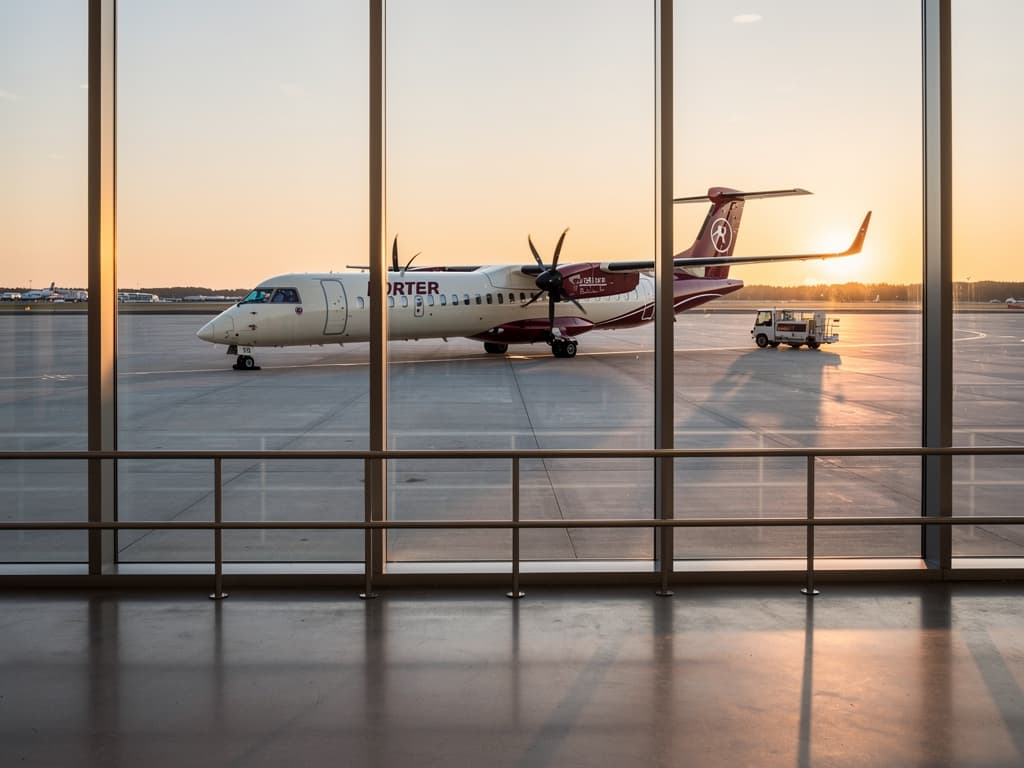
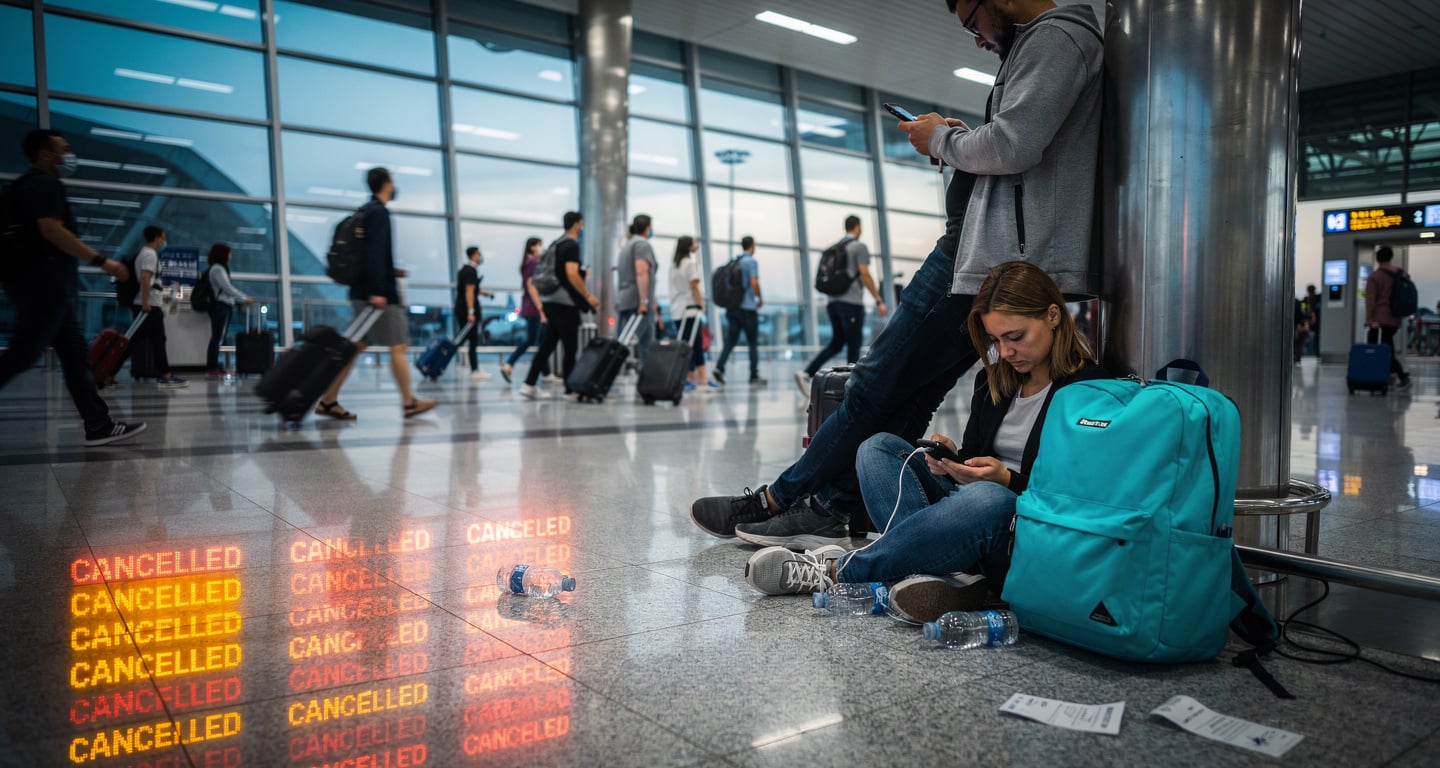
A Porter Airlines flight from Victoria to Toronto was cancelled overnight on August 6 after a toddler refused to sit and buckle up, consuming the final minutes before Victoria International Airport’s 12:30 a.m. runway closure. The crew returned to the gate, but the time needed to offload the family and adjust paperwork meant the aircraft could not legally depart before the curfew.
The incident shows how a single passenger compliance issue on a late-evening departure from a curfew-constrained airport can cascade into a full cancellation. For travelers booked on the last flight of the day, the margin for disruption is razor-thin — and the consequence is an unplanned overnight stay.
When a child refused to remain seated and buckled during taxi at Victoria International Airport on August 6, the ripple effects were immediate and far-reaching. Porter Airlines flight PD444, bound for Toronto, had pushed back for an on-time departure. But as flight attendants and the parent tried to secure the child, the clock ticked past the point of no return.
The airport’s runway closes nightly at 12:30 a.m., a hard operational deadline. Returning to the gate, deplaning all passengers, removing the family’s luggage, and reworking the departure paperwork would have pushed the flight well beyond that cutoff. The crew made the only decision available: cancel the flight and rebook everyone for the following day.
This was not a case of an airline overreacting. Both Canadian and U.S. regulations prohibit dispatching an aircraft until every passenger is seated with a fastened seatbelt. The airline confirmed the aircraft could not depart in an unsafe condition. Yet the incident exposes a structural vulnerability for any traveler who books the final departure from an airport with nighttime operating restrictions.
Victoria is far from alone. John Wayne Airport, San Diego International, Hollywood Burbank, and Billy Bishop Toronto City Airport — Porter’s own hub — all enforce nightly curfews. On routes where the last flight of the evening is scheduled within an hour of the closure, even a brief passenger delay can end the travel day entirely.
The anatomy of a curfew cancellation
Flight PD444 was not delayed by weather or mechanical failure. It was grounded by a regulatory requirement that left no room for discretion. When the crew determined the child could not be secured, the aircraft returned to the terminal. Passenger accounts suggest the family deplaned roughly an hour before the curfew, but the airline’s timeline for pulling bags and updating the manifest consumed the remaining window.
Porter’s own disruption policy, detailed on its Delayed, Diverted and Cancelled Flights page, outlines that cancelled flights are rebooked on the next available Porter service at no cost. If the next option is more than 48 hours away due to a controllable disruption, a passenger can request an alternate airline. In this case, all passengers were rebooked for the following day — a relatively quick recovery, but still an overnight inconvenience.
The real friction point is the curfew itself. Airports with nighttime restrictions rarely grant exceptions for operational delays. The table below highlights several North American airports where the last departure of the evening sits uncomfortably close to the cutoff.
| Airport | Curfew details | Last departure risk |
|---|---|---|
| Victoria International (YYJ) | Runway closed 12:30 a.m.–6:00 a.m. | Evening flights to Toronto often depart after 11:00 p.m., leaving little buffer |
| John Wayne (SNA) | No departures after 10:00 p.m. (strict noise curfew) | Last flights to East Coast push against the 10:00 p.m. hard stop |
| San Diego International (SAN) | Departure curfew 11:30 p.m.–6:30 a.m. | Late-night transcontinental flights can be at risk if any delay occurs |
| Hollywood Burbank (BUR) | Voluntary noise curfew 10:00 p.m.–7:00 a.m. | Airlines rarely schedule departures after 9:30 p.m., but exceptions exist |
| Billy Bishop Toronto City (YTZ) | No scheduled flights 11:00 p.m.–6:45 a.m. | Porter’s hub; last departures often scheduled near 10:30 p.m., but any delay risks curfew |

Flight deals most people never see
Our AI monitors 150+ airlines for pricing anomalies that traditional search engines miss. Air Traveler Club members save $650 per trip per person on average: see how it works.
Each deal saves 40–80% vs. regular fares:

Why the last flight of the day is riskier than it looks
This incident is not about unruly passengers; it’s about operational fragility. Airlines have been scheduling departures closer to curfew windows to maximize aircraft utilization, leaving almost no buffer for even minor disruptions. A seatbelt compliance issue that would normally cause a 30-minute delay becomes a cancellation when the airport closes at a fixed time.
For premium travelers who book the final departure to squeeze in a full workday or avoid a hotel night, the math has changed. The cost of a forced overnight stay — even if rebooked the next morning — can erase the convenience. And on smaller carriers like Porter, with fewer spare aircraft and crew, recovery options are limited.
The incident also highlights a gap in passenger communication. Some travelers on PD444 reported that information was scarce after the cancellation. Knowing your rebooking rights and having a backup plan — such as a refundable hotel booking or trip delay coverage — becomes essential when the last flight of the night is your only option.
How to protect yourself on near-curfew departures
For travelers who must take the last flight out of a curfew airport, a few strategic moves can reduce the fallout if something goes wrong.
- Check the curfew time before booking. If your flight is scheduled within 90 minutes of the airport’s closure, assume zero tolerance for delays. Look for earlier flights or consider a connection through a non-curfew hub.
- Book with a credit card that offers trip delay protection. The American Express Platinum Card, for example, provides trip delay coverage when a round-trip is purchased entirely with the card. If a cancellation forces an overnight stay, this can cover hotel and meal expenses.
- Have a refundable hotel backup. Even if you don’t plan to use it, a refundable booking near the airport gives you a place to go if the flight cancels, without paying a premium for last-minute walk-up rates.
- Know the airline’s rebooking rules cold. Porter’s policy allows rebooking on the next available flight at no cost. If the next flight is more than 48 hours away and the disruption is controllable, you can request an alternate carrier. Screenshot the policy page before you travel.
- Pack essentials in your carry-on. If your checked bag is pulled and you’re stranded overnight, having a change of clothes and toiletries with you avoids an uncomfortable next day.
Watch for any procedural changes at Porter or Victoria International Airport. If buffer times increase or curfew exceptions are formalized, the risk profile for these flights could shift quickly.
FAQ
What should I do if I’m booked on a late Porter flight from a curfew airport?
Check the airport’s curfew time and your flight’s scheduled departure. If the gap is less than 90 minutes, consider switching to an earlier flight. Have Porter’s rebooking page and phone number ready, and know your credit card’s trip delay benefits in case of cancellation.
Does travel insurance cover a cancellation caused by a passenger compliance issue?
Most comprehensive travel insurance policies cover trip delays and cancellations due to common carrier issues, including crew decisions made for safety. However, coverage depends on the specific policy language. Credit card trip delay protection, like that offered by the Amex Platinum, typically applies when a round-trip is purchased with the card and the delay exceeds a set number of hours.
Read more