Summary
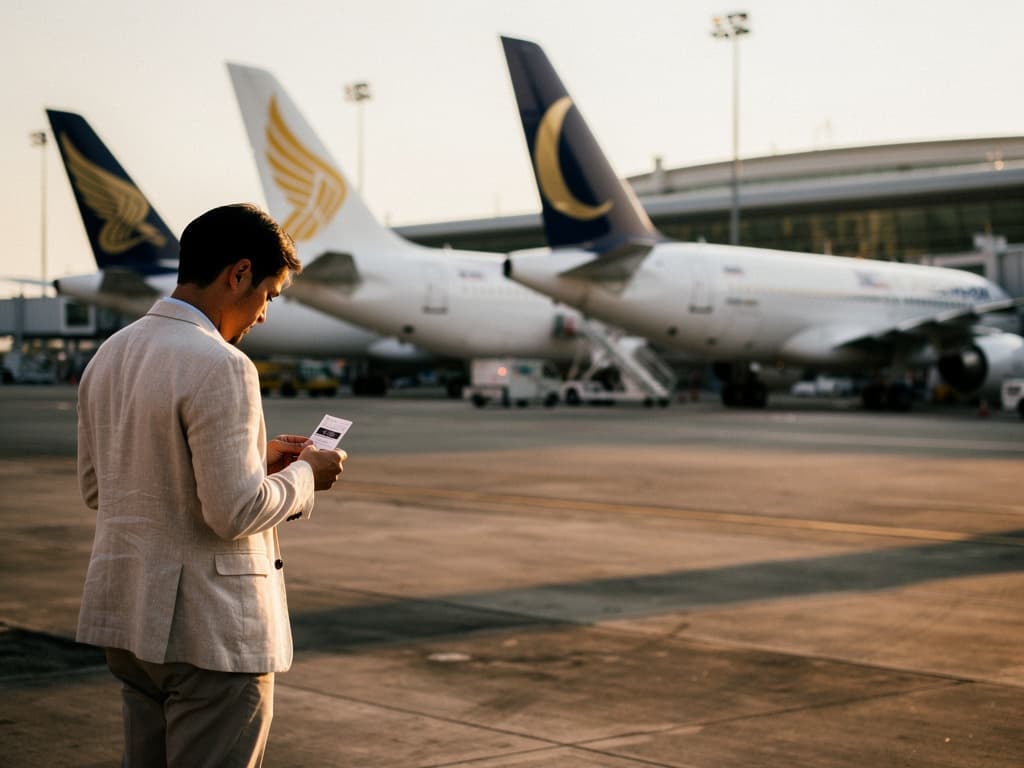
Malaysia Airlines launched direct services from Kuala Lumpur to Shenzhen on July 1 and Changsha on July 8, 2026, each operating up to seven times weekly with Boeing 737-8 aircraft. The additions expand the carrier’s Greater China network to nine gateways, responding to surging leisure and business demand between Malaysia and China.
Initial business-class inventory on these 737-8 services is expected to be tight. Booking six weeks ahead targets the best value, with Tuesday departures historically cheapest and Saturday returns offering optimal pricing.
The July 2026 expansion immediately reshapes one-stop itineraries for travelers headed to southern China. Where connecting through Guangzhou or Hong Kong once added three to five hours, the new nonstops to Shenzhen — a global tech and financial center — and Changsha, a rising economic hub, cut transfer time significantly. Both flights are operated by Malaysia Airlines’ 737-8, offering a business cabin that, while not the airline’s flagship long-haul product, delivers direct connectivity that didn’t exist before July.
Shenzhen’s inaugural service, flight MH522, lifted off on July 1, 2026, followed by Changsha flights MH524 and MH526 a week later. The carrier now serves nine points across Greater China — Beijing, Shanghai, Guangzhou, Xiamen, Hong Kong, Taipei, Chengdu, and the two newcomers. Each route operates up to seven times weekly, feeding traffic onto Malaysia Airlines’ long-haul network via Kuala Lumpur.
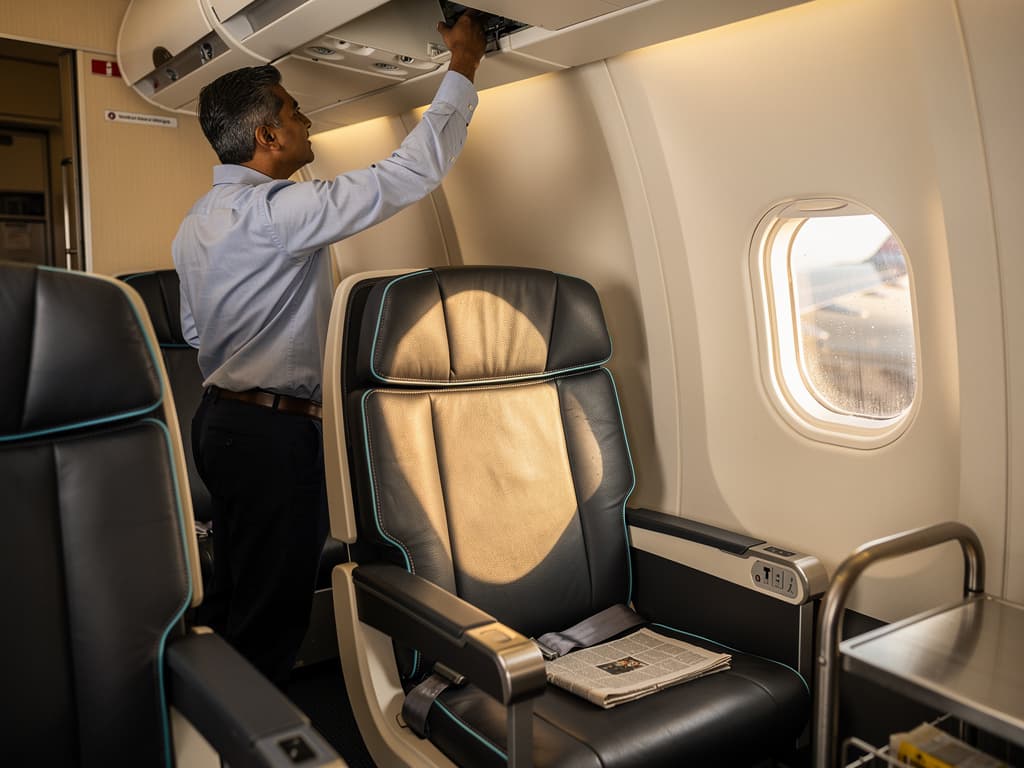
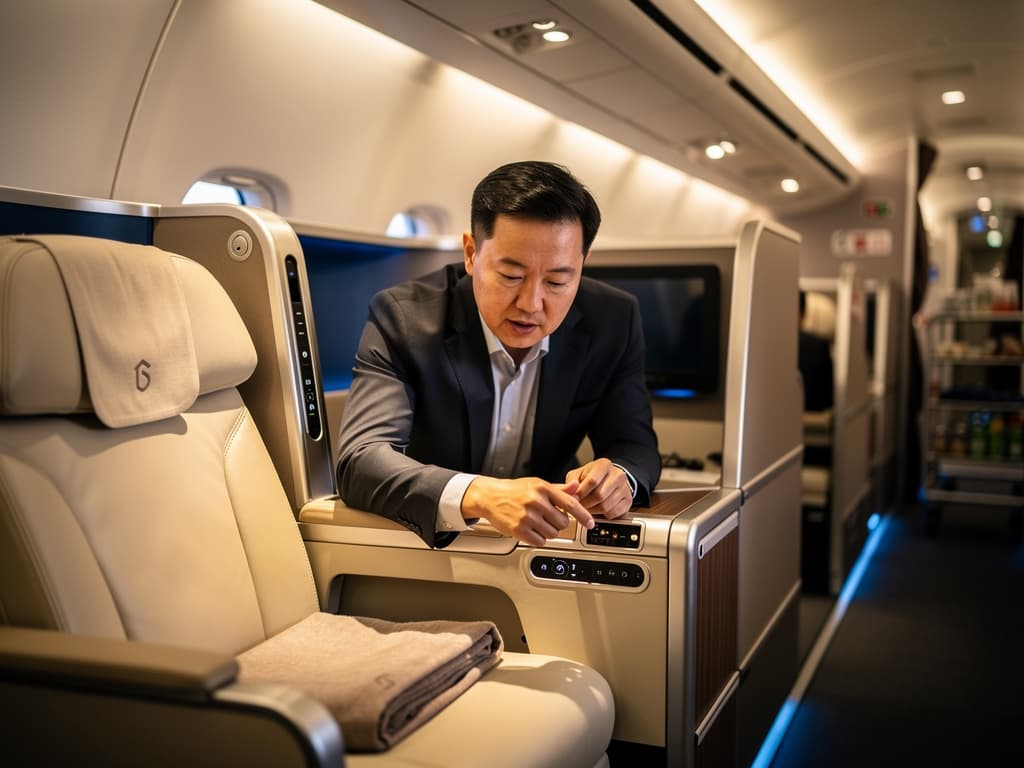
For business-class passengers, the rapid launch of these secondary-city links doesn’t come with a wide-body product. The 737-8’s 2-2-2 layout offers 38–40 inches of pitch and 21-inch-wide seats — a mid-tier premium experience that compares favourably with competitors on the same corridor. Yet the real value lies in timing: nonstop flights bypass Asia’s busiest transit hubs, cutting total journey length on one-stop North America–Asia itineraries by roughly four hours.
Kuala Lumpur to Shenzhen and Changsha: what’s on offer
Flight booking analysis shows 33 weekly nonstop flights currently operate on the Kuala Lumpur–Shenzhen corridor alone, with AirAsia, China Southern Airlines, and Shenzhen Airlines already in the market. Malaysia Airlines’ entrance adds seventh-freedom competition, though the carrier’s integration into the Kuala Lumpur hub gives it a distinct advantage over low-cost alternatives. For Changsha, the new nonstop fills a gap that previously required a connection via Guangzhou or Shanghai.
One-way economy fares on KUL–SZX start at US$147.29, with round-trips from US$1,410.11 according to pricing data — positioning Malaysia Airlines slightly above AirAsia X’s budget-only product but below full-service rivals on meal quality and lounges. Business-class availability during the initial two-week window has been limited, consistent with demand-testing patterns for new Chinese routes.
| Date | Route | Aircraft | Significance |
|---|---|---|---|
| July 1, 2026 | KUL–SZX | Boeing 737-8 | Direct access to China’s tech capital; cuts 3–5 hours from one-stop journeys |
| July 8, 2026 | KUL–CSX | Boeing 737-8 | Only nonstop operator on the route; opens Hunan province to Malaysia Airlines hub connectivity |
| 2024 | KUL–TFU (Chengdu) | 737-800/737-8 | Expansion into western China secondary hub supporting Visit Malaysia 2026 |
| 2023 | KUL–XMN (Xiamen) | 737-800 | Rebuilding post-pandemic China network with leisure-focused gateway |

Flight deals most people never see
Our AI monitors 150+ airlines for pricing anomalies that traditional search engines miss. Air Traveler Club members save $650 per trip per person on average: see how it works.
Each deal saves 40–80% vs. regular fares:

Why Shenzhen and Changsha matter for premium itineraries
These two cities are not random additions. Shenzhen sits adjacent to Hong Kong, but its airport is far less congested, and the nonstop link from Kuala Lumpur lets passengers avoid the cross-border transfer hassle that often adds hours. Changsha, meanwhile, is a fast-growing economic and cultural center with minimal overseas connectivity — giving Malaysia Airlines first-mover advantage. Both routes feed into KL’s role as a gateway to Asia and beyond, especially attractive for North American and European travelers who can bypass Beijing or Shanghai hubs altogether.
As Air Traveler Club explores in its APAC premium expansion analysis, Kuala Lumpur’s hub role is strengthening across carriers — making these new spokes even more valuable. With business-class inventory still loose, early bookers can lock in the direct itinerary premium travelers have been waiting for.
How to lock in business class on the new China routes before fares adjust
For business-class travelers, these flights open two underserved gateways without the need for a premium-priced connection in Guangzhou or Hong Kong. Acting within the first month secures seats while capacity is being tested — and before seasonal pricing normalizes.
- Book now via Malaysia Airlines’ website or app. Search flight numbers MH522 (KUL–SZX) and MH524/526 (KUL–CSX) to see real-time business-class seat maps. Inventory is tightest for the first two weeks of operation.
- Target the six-week booking window. Tuesday departures historically yield the lowest business-class fares; Saturday returns also offer better availability. Book by mid-August 2026 for September travel to capture shoulder-season pricing.
- Compare premium alternatives. China Southern Airlines and Shenzhen Airlines also fly the KUL–SZX route with business-class cabins. China Southern typically offers better meal service, while Malaysia Airlines’ hub connectivity through KL may be more convenient for connecting itineraries.
- Leverage MAG elite status. If you hold Malaysia Airlines Silver or Gold status, priority boarding and extra baggage apply even on these short-haul routes. No elite requirement exists for booking business class.
- Monitor award space. Early award availability may appear via MileagePlus and partner programs; check immediately after schedule publication to snag saver-level redemptions before they disappear.
Watch: if KUL–SZX and KUL–CSX load factors exceed 75% in Q3 2026, Malaysia Airlines may upgrade frequency or deploy larger aircraft. The carrier’s China–Malaysia bilateral rights discussions could also open Wuhan or Xi’an as next additions.
FAQ
Which frequent flyer programs can I use to book Malaysia Airlines awards to Shenzhen or Changsha?
Malaysia Airlines’ Enrich program allows award bookings on these routes directly. Oneworld partners including American Airlines AAdvantage, British Airways Executive Club, and Cathay Pacific Asia Miles can also redeem for the flights, though availability may be limited during launch. Enrich members typically receive priority access to award space.
Is business class on the 737-8 worth it compared to connecting via Hong Kong?
For travelers valuing time, the nonstop saves three to five hours versus a Hong Kong or Guangzhou transfer. The 737-8’s 2-2-2 business seat reclines to about 120° with a 21-inch width — less spacious than lie-flat long-haul products but competitive for a short-haul regional flight. If schedule convenience and avoiding a second security screening matter, the direct flight is the better choice.
Read more