Summary
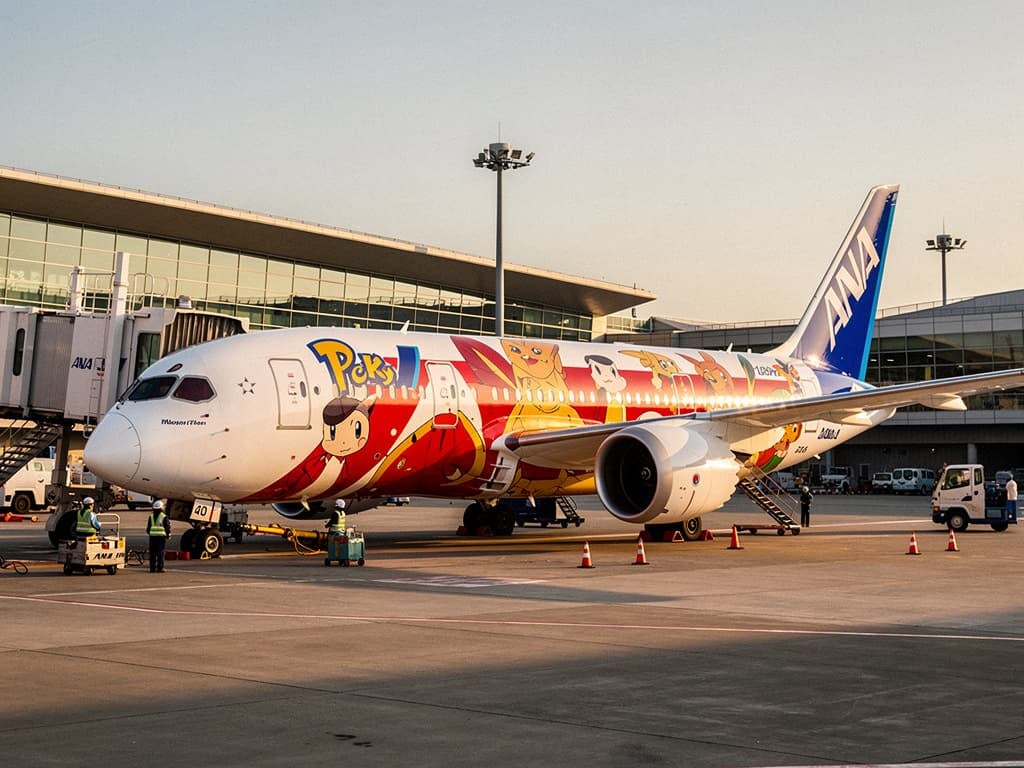
China Airlines has launched its second Pikachu Jet, an Airbus A350-900 (registration B-18916), which completed its inaugural flight on April 2, 2026, from Taipei to Tokyo. This new aircraft, featuring 13 Pokémon characters, is now deployed on key long-haul routes including Taipei–Seattle, offering themed amenities and collectible gifts to passengers.
While the aircraft’s premium cabins maintain standard China Airlines configurations, its distinctive livery and onboard experience target leisure travelers and Pokémon enthusiasts. Premium travelers should monitor specific flight assignments for this unique A350 to secure a themed journey.
Premium leisure travelers and points enthusiasts now have a vibrant new option for trans-Pacific and intra-Asia routes: China Airlines has officially deployed its second Pikachu Jet, an Airbus A350-900, into active service. This highly anticipated aircraft, registered as B-18916, took to the skies for its inaugural flight on April 2, 2026, from Taipei to Tokyo, before commencing service on its designated long-haul routes.
The new Pikachu Jet CI2 is more than just a colorful livery; it represents a strategic move by China Airlines to capture a segment of the premium market seeking unique travel experiences. With 13 Pokémon characters adorning its fuselage under the “Flying Out to the World” theme, the aircraft brings a playful yet sophisticated touch to long-haul travel.
Initially, the aircraft will serve the Taoyuan–Tokyo (Narita) and Taoyuan–Seattle routes, with plans to expand to destinations like Sydney, Melbourne, and Bangkok through October 2026. This deployment on a larger, long-range A350 platform signifies a significant upgrade from the airline’s first Pikachu Jet, an Airbus A321neo, offering more premium cabin capacity and a broader reach for this distinctive product.
The Details of the Pikachu Jet CI2 Deployment
The Pikachu Jet CI2, an Airbus A350-900, officially entered service on April 2, 2026, with its first flight operating as CI100 from Taipei/Taoyuan (TPE) to Tokyo/Narita (NRT). This marks a significant expansion of China Airlines’ themed aircraft program, following the successful launch of its first Pikachu Jet (an Airbus A321neo) in October 2022. The new A350 features a vibrant livery showcasing 13 Pokémon characters, incorporating traditional Taiwanese tile patterns into its design, creating a visually striking aircraft that stands out on the tarmac.
Passengers flying on dedicated Pikachu Jet CI2 flights will receive exclusive themed gifts, such as Pikachu ballpoint pens or sticky notes, enhancing the unique travel experience. Onboard amenities also extend the theme, with custom dining tray mats, paper cups, headrest covers, and pillowcases featuring Pokémon and Taiwanese cultural elements. These themed touches are progressively being introduced on select flights to other destinations, expanding the reach of the Pikachu Jet experience.
The aircraft’s initial long-haul assignments include the Taoyuan–Seattle route, a key trans-Pacific corridor for both business and leisure travelers. Subsequent expansion through October 2026 will see the Pikachu Jet CI2 serve routes to Sydney, Melbourne, Brisbane, Auckland, Bangkok, Osaka, and Phoenix, broadening its appeal across multiple continents. This strategic deployment on a wide-body aircraft underscores China Airlines’ commitment to leveraging branded experiences for passenger engagement. For more details on the aircraft’s schedule and features, refer to the official China Airlines press release.
| Airline | Aircraft/Cabin | Key Differentiators | Approximate Fare (Business Class) |
|---|---|---|---|
| China Airlines | A350-900 (CI2) | Themed livery, exclusive amenities, 1-2-1 herringbone | $3,500 – $5,000 |
| EVA Air | A350-900 | Standard premium service, 1-2-1 herringbone, no theme | $3,800 – $5,200 |
| Delta Air Lines | A330-900neo | Delta One Suites, direct aisle access, strong US network | $4,000 – $5,500 |

Flight deals most people never see
Our AI monitors 150+ airlines for pricing anomalies that traditional search engines miss. Air Traveler Club members save $650 per trip per person on average: see how it works.
Each deal saves 40–80% vs. regular fares:

Strategic Analysis: Why China Airlines Invested in Pikachu
The decision by China Airlines to launch a second, larger Pikachu Jet on an A350 platform is a calculated move to differentiate its premium product in a highly competitive trans-Pacific market. While other carriers focus on seat innovation or service enhancements, China Airlines is leaning into experiential branding, targeting a demographic that values unique, shareable travel moments alongside traditional premium comforts.
This strategy is particularly effective for routes with strong leisure and family travel demand, such as those connecting to Japan, Australia, and the US West Coast. The success of the initial A321neo Pikachu Jet demonstrated the viability of this approach, generating sustained passenger interest and positive brand association. The A350’s greater range and capacity allow China Airlines to scale this successful marketing tactic to more lucrative long-haul routes, maximizing its impact.
Optimizing Your Booking for the Pikachu Jet CI2
This intelligence matters for premium travelers looking to combine a high-quality long-haul experience with a unique, themed journey. Securing a seat on the Pikachu Jet CI2 requires specific booking strategies.
- Identify specific flights: Check China Airlines’ official website for the flight schedule of the Pikachu Jet CI2 (B-18916) on routes like Taipei–Tokyo and Taipei–Seattle. The airline typically announces specific flight assignments.
- Book early: Premium cabin availability on popular themed flights can be limited. Booking 330 days in advance is often advisable for the best selection, especially for business class.
- Monitor aircraft assignments: While China Airlines aims to operate the Pikachu Jet CI2 on advertised routes, operational changes can lead to aircraft substitutions. Keep an eye on your booking and check seat maps closer to departure.
- Leverage elite status: Members of China Airlines’ Dynasty Flyer program may gain priority access or better award availability for premium cabins on these popular flights.
Watch: The expansion of Pikachu Jet CI2 routes beyond October 2026 and the potential for a third themed aircraft will indicate the long-term success of this branding strategy for China Airlines.
FAQ
Which routes will the Pikachu Jet CI2 operate?
The Pikachu Jet CI2 will initially operate on Taoyuan–Tokyo (Narita) and Taoyuan–Seattle routes, with planned expansion to Sydney, Melbourne, Brisbane, Auckland, Bangkok, Osaka, and Phoenix through October 2026.
What special amenities are offered on the Pikachu Jet CI2?
Passengers on dedicated Pikachu Jet CI2 flights receive exclusive gifts like Pikachu ballpoint pens or sticky notes. Onboard, amenities include themed dining tray mats, paper cups, headrest covers, and pillowcases featuring Pokémon and Taiwanese cultural elements.
How does the Pikachu Jet CI2’s premium cabin compare to other airlines?
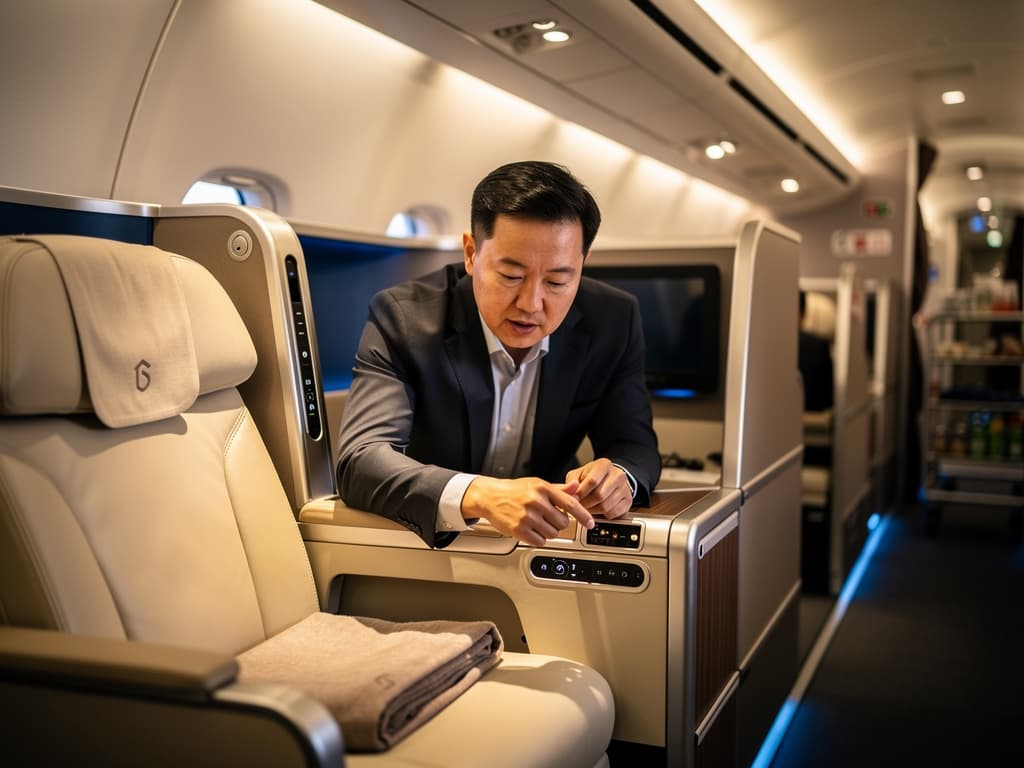
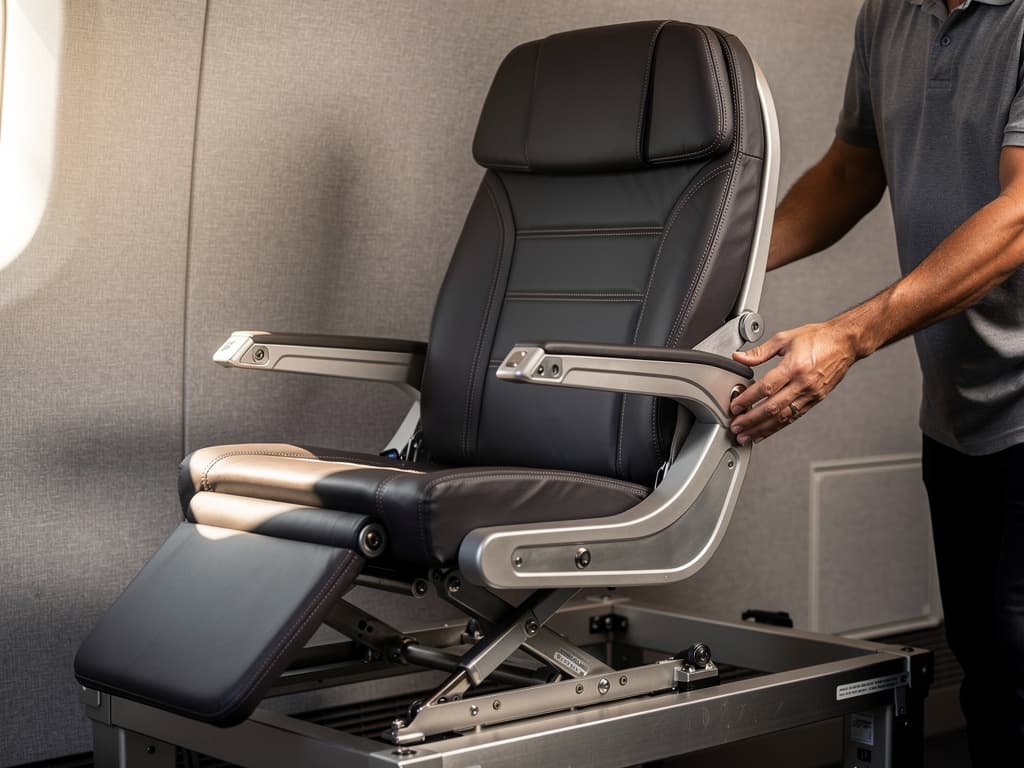
The Pikachu Jet CI2 features China Airlines’ standard Airbus A350-900 premium cabin configuration, including a 1-2-1 herringbone business class layout. While the seat product is competitive, its primary differentiation comes from the unique themed livery and onboard experience rather than innovative seat design.
Read more