Summary
China’s three state-controlled flag carriers — Air China, China Eastern Airlines and China Southern Airlines — posted combined first-half 2026 net losses of 8.2 billion yuan (US$1.22 billion), erasing a rare first-quarter profit of 4.82 billion yuan. Fuel expenses surged 35% to 38% year-on-year as none of the carriers hedge their jet-fuel purchases, while domestic demand remained under pressure from high-speed rail competition and slower economic growth.
The three airlines have now recorded losses for seven consecutive years, and HSBC forecasts combined full-year losses of 16.8 billion yuan. Yet Air China plans to increase frequencies to Europe and North America in the second half of 2026, a move that could expand premium-cabin inventory on key long-haul corridors even as the carriers grapple with deep financial strain.
After a fleeting first-quarter profit, China’s three largest state-owned airlines have tumbled back into heavy losses, reporting a combined first-half deficit of 8.2 billion yuan (US$1.22 billion) on August 31. The abrupt swing — from a 4.82 billion yuan profit in the first three months — exposes the carriers’ acute sensitivity to fuel costs and the stubborn softness of China’s domestic travel market.
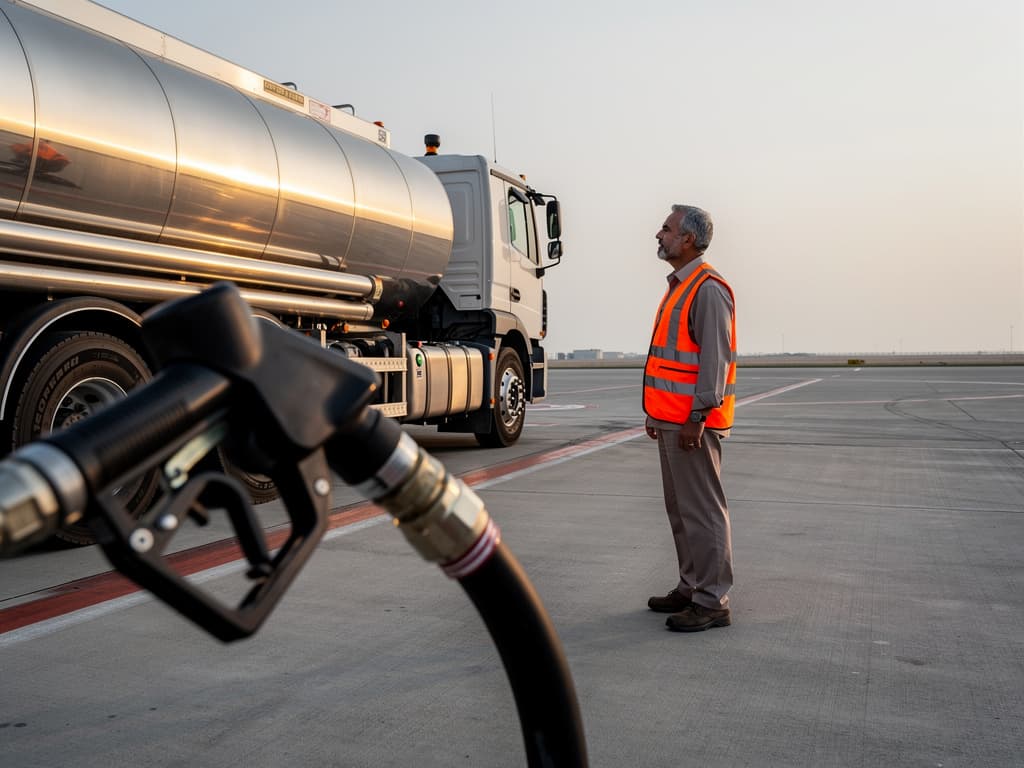
The core vulnerability is straightforward: unlike most global network carriers, Air China, China Eastern and China Southern do not hedge their jet-fuel exposure. When oil prices climbed during the first half amid Middle East conflict, fuel bills at each airline jumped between 35% and 38% compared with the same period in 2025, wiping out gains from rising international revenue.
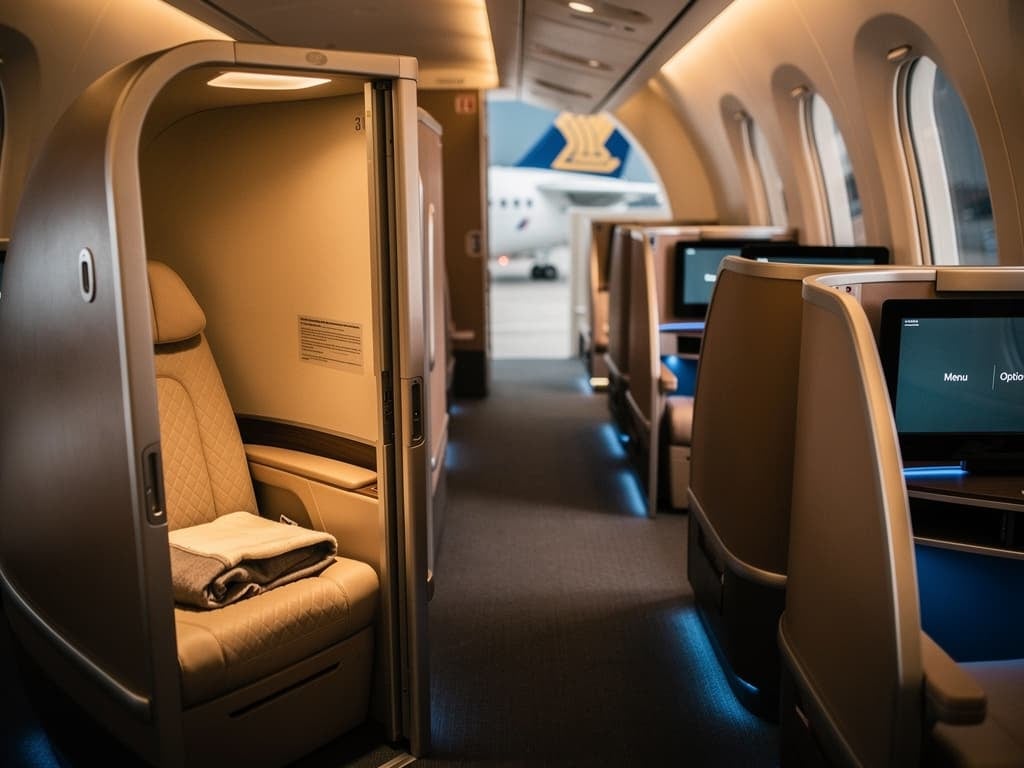
For premium travelers, the financial pain is already translating into strategic decisions. Air China confirmed it will add frequencies to Europe and North America during the second half of 2026, a move that could inject more business- and first-class seats onto competitive long-haul routes. Meanwhile, China Eastern — the launch operator of the homegrown COMAC C919 — has cut its delivery expectations for the narrowbody this year, signaling a slower fleet modernization that may keep older aircraft on some domestic sectors longer than planned.
The three carriers have now posted annual losses for seven consecutive years, a streak that began with China’s prolonged pandemic border closures and has since been extended by uneven domestic demand, fierce high-speed rail competition on short- and medium-haul routes, and now surging fuel costs. The persistence of losses despite a post-pandemic traffic recovery highlights deep structural challenges. Without fuel hedging, any oil-price shock will continue to threaten profitability, making the carriers’ international expansion a high-stakes bet. HSBC analysts expect combined full-year losses to reach 16.8 billion yuan, reversing earlier hopes of a return to profitability in 2026.
The details
Regulatory filings and investor disclosures paint a stark picture. Air China reported a net loss of 2.3 billion yuan (US$342 million) for the first half, while China Eastern lost 2.2 billion yuan (US$327 million) and China Southern booked the largest deficit at 3.7 billion yuan (US$550 million). The combined figure of 8.2 billion yuan came in slightly below the 9 billion yuan warning the airlines had issued in July, but the trajectory remains deeply negative.
International operations provided a relative bright spot.
Revenue from overseas services grew, led by stronger European route performance, and Air China noted that its international routes outperformed domestic ones during the summer travel period — though overall results fell short of expectations. In response, the carrier confirmed plans to increase frequencies to Europe and North America in the second half of 2026, a commitment detailed in a recent regulatory filing.
Domestically, the picture was bleaker. Passenger traffic across the three carriers in July and August is estimated to have fallen 3.6% year-on-year, partly due to an unusually active typhoon season. The structural challenge of high-speed rail continues to erode yields on short- and medium-distance routes, compounding the effect of softer consumer sentiment.
The COMAC C919 — China’s answer to the Airbus A320neo and Boeing 737 MAX — was supposed to modernize the fleets and reduce reliance on Western aircraft.
But China Eastern, the launch operator, has trimmed its near-term delivery forecast, expecting 13 fewer C919s between 2026 and 2028 than previously planned. All three carriers have orders for the type, yet the slow production ramp means the aircraft’s impact on domestic capacity will remain muted for now.
| Period / Date | Event | Impact |
|---|---|---|
| Q1 2026 | Combined net profit of 4.82 billion yuan | Boosted by Lunar New Year travel demand; raised hopes of sustained recovery |
| H1 2026 | Combined net loss of 8.2 billion yuan | Fuel costs surged 35–38%; domestic weakness erased early gains |
| July 2026 | Airlines warn of up to 9 billion yuan first-half losses | Investor sentiment soured; HSBC forecast full-year loss of 16.8 billion yuan |
| August 31, 2026 | Official H1 results released | Confirmed losses; Air China announced H2 frequency increases to Europe/North America |
| H2 2026 (outlook) | Air China plans capacity boost on long-haul international routes | Potential for increased premium-cabin inventory; pricing pressure possible if losses persist |

Flight deals most people never see
Our AI monitors 150+ airlines for pricing anomalies that traditional search engines miss. Air Traveler Club members save $650 per trip per person on average: see how it works.
Each deal saves 40–80% vs. regular fares:

The value-add
The Big Three’s predicament is not happening in isolation. Jet fuel prices remain stubbornly elevated, and Asia-Pacific carriers are bearing the brunt. Air Traveler Club’s analysis of jet fuel price trends shows that regional EBIT margins are projected to drop 6 full percentage points, with minimal hedging coverage amplifying the pain. That macro context makes the Chinese carriers’ unhedged position especially precarious — and explains why even a modest oil spike can flip a profitable quarter into deep losses.
For premium travelers, the immediate consequence is a potential capacity injection on long-haul routes. Air China’s commitment to add Europe and North America frequencies signals that state-backed carriers may chase international premium traffic more aggressively to offset domestic weakness. That could translate into more business-class award seats and sharper fare competition, particularly if the carriers use pricing to fill cabins.
How Air China’s expansion could reshape premium availability
Air China’s planned frequency increases to Europe and North America matter for anyone booking long-haul premium cabins on these corridors. More capacity can unlock additional award space and put downward pressure on cash fares — but timing and execution remain uncertain.
- Monitor schedule filings for concrete additions. Air China’s winter timetable, due in the coming weeks, will reveal exactly which routes gain extra frequencies. Check for new or upgraded services on Beijing–New York, Shanghai–London, and other Tier-1 city pairs where business-class demand is strongest.
- Compare award availability across alliances. Air China is a Star Alliance member, so its added capacity feeds into partner programs like United MileagePlus and Avianca LifeMiles. If the carrier releases more saver-level business-class seats, those partners become valuable redemption channels.
- Watch for fare competition. If losses persist, Chinese carriers may price aggressively to capture premium traffic. That could lead to temporary fare dips on routes where they compete directly with foreign airlines — an opportunity for flexible travelers to lock in lower business-class fares or upgrade offers.
- Don’t overlook China Eastern and China Southern. While Air China is the headline mover, the other two carriers also operate extensive long-haul networks. Their financial pressures could prompt similar capacity adjustments, so broaden your search to include all three when hunting for award space or competitive pricing.
Watch for Air China’s winter schedule publication and any further commentary from China Eastern on C919 deliveries — both will clarify how much premium-cabin supply actually materializes in the months ahead.
FAQ
Will Air China’s added capacity lower business-class fares?
Possibly. If the airline deploys additional widebody aircraft on Europe and North America routes and faces weak premium demand, it may discount business-class fares or release more award seats to fill cabins. However, the extent depends on how aggressively it prices and whether foreign competitors match the moves.
Should I book now or wait for new frequencies?
If you have fixed travel dates, booking now secures current availability. But if your plans are flexible, waiting for Air China’s winter schedule confirmation could reveal new nonstop options or lower award pricing. Monitor the schedule release and set alerts for award space on routes of interest.
Does the C919 delivery slowdown affect international premium travel?
Not directly. The C919 is a narrowbody designed primarily for domestic and regional routes, so its delivery delays mainly affect domestic capacity and fleet mix. International long-haul premium cabins rely on widebody aircraft like the Boeing 777 and Airbus A350, which are unaffected by C919 production issues.
Read more