Summary
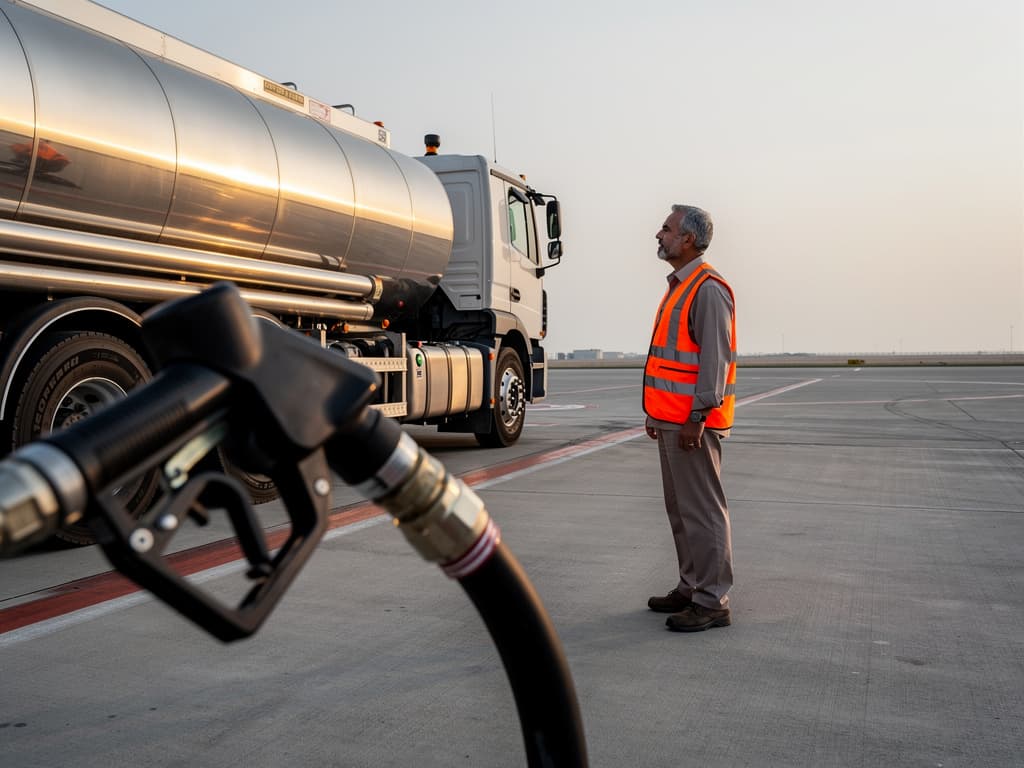
Singapore Airlines and its budget subsidiary Scoot have raised airfares across their entire network following a more-than-doubling of jet fuel prices since the outbreak of the Iran conflict — but the group’s chief commercial officer confirmed the increases are deliberately calibrated to stop short of full cost recovery. Fuel now represents approximately 30% of SIA Group’s total operating expenditure, and the airline has warned that the full financial impact is still feeding through into FY2026/27.
Further fare adjustments remain possible as the group monitors fuel markets. Travelers booking long-haul routes through Singapore — particularly on Europe and North America itineraries — face a pricing environment that is already moving and may not have peaked.
Singapore Airlines has moved. Fares are up across the SIA and Scoot network, and the airline’s own financial disclosures confirm the increases don’t yet cover the full fuel bill — which means more adjustments could follow.
Speaking to reporters on May 15, SIA chief commercial officer Lee Lik Hsin framed the situation plainly: the airline is absorbing part of the fuel shock rather than passing it entirely to passengers, because doing so would erode demand and competitive positioning. That’s disciplined yield management, not generosity — and it signals the airline expects elevated fuel costs to persist long enough that protecting volume matters more than short-term margin recovery.
The numbers behind the decision are stark. Jet fuel prices have more than doubled since the conflict began, according to SIA’s latest financial results for the year ending March 31. Fuel is the group’s single largest cost item, accounting for roughly 30% of expenditure in the nine months ending December 31, 2025. S&P Global Commodity Insights has reported that the full impact of the fuel shock is expected to feed through in FY2026/27 — meaning the pricing pressure visible today is likely the opening act, not the finale.
The scope extends beyond fares. Singapore Airlines also canceled flights to Dubai until April 30 amid the conflict, demonstrating that the operational spillover reaches beyond ticket pricing alone.
The details: fuel shock, fare moves, and network expansion
What makes SIA’s position unusual is the simultaneous pressure and opportunity. While fuel costs are compressing margins, the disruption to Middle Eastern transit routes has created a demand shift toward carriers — like Singapore Airlines — that operate non-Middle Eastern hubs. The airline is responding by increasing European capacity by approximately 13%, adding services to London and Frankfurt where competitors have suspended operations, and preparing new routes to Madrid and a three-times-weekly Munich service launching in October.
SIA CEO Goh Choon Phong confirmed the airline moved quickly to capture redirected demand, expanding London operations to as many as six daily flights by adding London Gatwick services alongside existing Heathrow operations. Chief operations officer Tan Kai Ping added that jet fuel supplies remain stable across SIA’s network, with no airport currently served by the airline implementing fuel rationing measures.
The combination — rising fares, growing capacity, and a competitor retreat — creates a nuanced pricing environment. Travelers paying more per ticket are also getting more schedule options, which partially offsets the cost increase for those with flexibility on routing.
| Metric | Data point | Period / source | Status |
|---|---|---|---|
| Jet fuel price change | More than doubled since conflict began | FY ending March 31, 2026 | Confirmed by SIA Group |
| Fuel as share of costs | ~30% of total operating expenditure | Nine months ending Dec. 31, 2025 | Confirmed by SIA Group |
| Fare increases implemented | Network-wide — SIA and Scoot | As of May 15, 2026 | Confirmed; do not fully offset fuel costs |
| Full fuel impact timeline | Expected to feed through FY2026/27 | Forward guidance | Flagged by S&P Global / SIA |
| Dubai flights canceled | Suspended until April 30 | Conflict-related operational decision | Confirmed |
| European capacity increase | ~13% expansion planned | 2026 network plan | Confirmed by SIA CEO |
| New European routes | Madrid (new); Munich 3x weekly from October | October 2026 launch | Confirmed |

Flight deals most people never see
Our AI monitors 150+ airlines for pricing anomalies that traditional search engines miss. Air Traveler Club members save $650 per trip per person on average: see how it works.
Each deal saves 40–80% vs. regular fares:

The value-add: what SIA’s pricing discipline actually signals
The 2022 Russia-Ukraine fuel shock offers the closest historical parallel. When jet fuel spiked after that conflict, airlines globally raised fares and expanded surcharges rather than absorb the full cost — and the pattern that emerged was consistent: long-haul business-class pricing moved first and fastest, while award space tightened as cash demand held up. SIA’s current messaging fits that playbook almost exactly.
The critical distinction this time is SIA’s explicit acknowledgment that it is not attempting full cost recovery. That’s a signal about competitive positioning, not altruism. The airline operates in a market where Cathay Pacific, ANA, and Japan Airlines compete on the same premium long-haul corridors — and where corporate travel contracts set pricing expectations months in advance. Shocking the market with full pass-through would hand competitors an opening.
Air Traveler Club’s regional fare and capacity tracker shows the broader pattern: Asian carriers have raised fares 15–26% and cut capacity up to 36% on domestic routes, with jet fuel hitting a record US$242.06 per barrel on March 30 before settling to US$193.53 at the Singapore benchmark on April 8. SIA’s measured approach looks even more deliberate against that backdrop.
For travelers, the actionable read is this: SIA is managing yield carefully, which means premium cabin pricing will rise — but incrementally, not in a single shock. The window for locking in current fares is narrowing, not closed.
How to protect your SIA bookings as fares keep moving
Fare increases are already live across the SIA and Scoot network, and the airline has explicitly flagged further adjustments remain possible — making this an active booking decision, not a wait-and-see situation.
- Check existing bookings immediately. Log into the manage-booking tools at singaporeair.com and flyscoot.com to confirm your itinerary status, particularly for Europe-bound routes where capacity changes are most active. Dubai-routed itineraries should be reviewed for any residual schedule impact from the April 30 suspension.
- Book long-haul premium cabins sooner rather than later. SIA’s own guidance signals the full fuel-cost impact feeds through in FY2026/27 — meaning fares on business and first class have room to move further. The current pricing environment rewards early commitment over flexibility.
- Monitor award availability on Europe routes. When cash fares rise and demand holds, airlines typically tighten award release on high-demand long-hauls. KrisFlyer redemptions on SIN-LHR and SIN-FRA corridors merit close watching over the next 60–90 days.
- Consider the new Munich and Madrid routes. New route launches often carry introductory pricing before yield management fully calibrates — the Munich three-times-weekly service launching in October 2026 may offer a brief window of competitive fares on a premium corridor.
- Watch SIA’s next earnings disclosure. If management reports that premium yields are holding despite fuel inflation, business-class pricing power is intact and further increases are likely. A weaker demand signal would suggest the ceiling is closer than the current trajectory implies.
FAQ
Has Singapore Airlines announced specific surcharge amounts or cabin-by-cabin fare increases?
No cabin-specific surcharge figures or percentage increases by route have been disclosed. SIA confirmed network-wide fare increases across both Singapore Airlines and Scoot but has not published a surcharge schedule. The airline’s position is that increases are calibrated below full fuel-cost recovery to protect demand.
Are KrisFlyer award redemptions affected by the fare increases?
No changes to the KrisFlyer award chart have been announced. However, when cash fares rise and demand holds, airlines typically tighten award seat release on high-demand routes — particularly long-haul business class. Travelers planning KrisFlyer redemptions on Europe and North America corridors should monitor availability over the next 60–90 days.
Which SIA routes are most likely to see the steepest fare increases?
Long-haul routes with the highest fuel burn — primarily Europe (London, Frankfurt, and the new Madrid and Munich services) and North America — carry the greatest exposure to further increases. SIA’s 13% European capacity expansion means more seats are available, which partially moderates pricing pressure, but the fuel cost per seat on these routes remains the highest in the network.
Is Scoot affected the same way as Singapore Airlines?
Yes. SIA Group confirmed fare increases across both Singapore Airlines and Scoot networks. Scoot’s shorter-haul and leisure-focused routes may see proportionally different impacts, but the group-wide fuel cost pressure applies to both carriers. Scoot bookings can be managed at flyscoot.com.
Read more