Summary
A proposed class action lawsuit filed April 22, 2026, in Brooklyn federal court accuses JetBlue Airways of deploying digital trackers to collect passengers’ personal data — browsing history, device type, location — and sharing it with third parties to adjust ticket prices in real time without consent. Plaintiff Andrew Phillips alleges the practice, known as “surveillance pricing,” means two travelers searching the same flight simultaneously could see entirely different fares. JetBlue denies the allegations, maintaining fares are set by demand and seat inventory alone. A separate FTC investigation published in January 2026 found retailers broadly using personal data for individualized pricing, lending regulatory weight to the complaint.
The lawsuit follows a viral social media exchange in which JetBlue advised a passenger to clear cookies to lower a fare — then deleted the post. That single reply is now central to the case.
Airline pricing has always felt opaque. Fares shift by the hour, the same seat costs different amounts on different devices, and no carrier has ever been required to explain exactly why your price changed between searches. Now a federal lawsuit is forcing that question into open court — and the answer alleged inside the complaint is more unsettling than most travelers suspected.
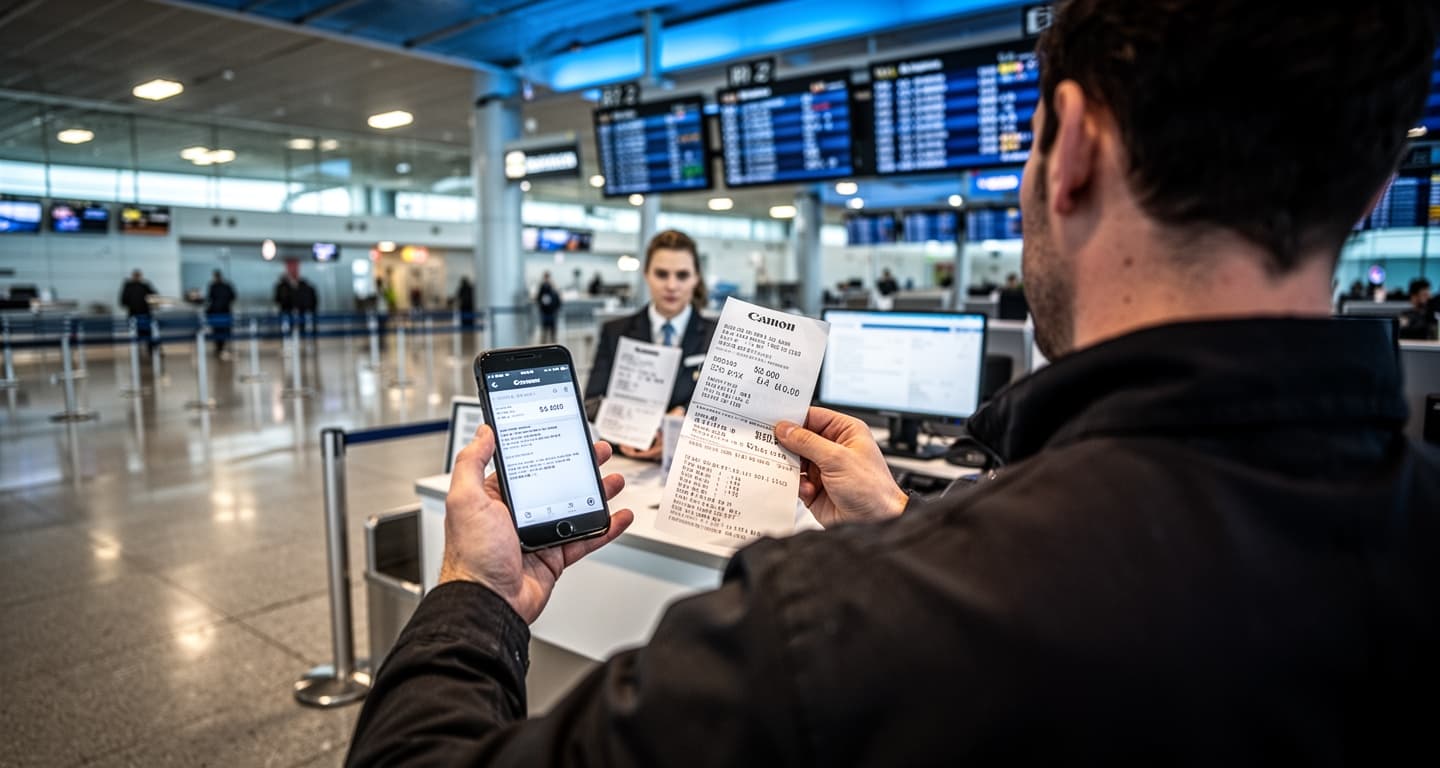
The case against JetBlue centers on “surveillance pricing”: the practice of using personal data to determine not what a seat is worth to the market, but what it is worth to you specifically. According to the complaint, JetBlue tracked users through digital trackers during the booking process, shared that data with third parties, and used the resulting profiles to push fares higher when a passenger returned to complete a purchase.
The trigger for public attention was a single social media post. A traveler complained that a JetBlue ticket had jumped $230 in a single day while he was trying to book travel to a funeral. JetBlue‘s official account replied: “Try clearing your cache and cookies or booking with an incognito window.” The airline deleted the post within hours and called it an employee error. Critics called it a confession.
The scope of potential impact is broad. Every passenger who searched JetBlue fares — economy, Mint business class, or otherwise — may have had their browsing behavior collected and monetized against them. Lawmakers have already begun requesting that airlines disclose how pricing algorithms incorporate consumer data, a demand that extends well beyond this single carrier.
What the lawsuit actually alleges
The complaint, filed by Andrew Phillips, argues that JetBlue violated passengers’ privacy rights by collecting personal information without meaningful consent and weaponizing it to extract higher fares. Specifically, the lawsuit claims prices rose when consumers re-searched a route after closing their browser — behavior consistent with a system that recognizes returning visitors and adjusts accordingly.
JetBlue has denied every material allegation. The airline’s position is that fares are determined by standard variables: seat inventory, route demand, and competitive positioning. The company says cached data and browsing history play no role in pricing decisions.
That denial, however, sits uncomfortably alongside the FTC’s own findings. A January 2026 FTC investigation — covering retailers broadly, not airlines specifically — confirmed that companies are using personal data including timing, device type, and consumer profiles to set individualized prices and generate higher profits. The regulatory record now provides a documented framework for exactly what the JetBlue complaint describes. Industry filings show the lawsuit is proceeding in Brooklyn federal court as a proposed class action, meaning the plaintiff seeks to represent all affected passengers, not just himself.
This is not the first time an airline has faced this type of allegation. In 2019, a class action against American Airlines alleged that cookie-based tracking led to higher fares for repeat searchers. That case settled in 2021 with no admission of liability but resulted in privacy policy updates — a pattern that suggests airlines have been aware of the legal exposure for years.
| Date | Event | Impact | Status |
|---|---|---|---|
| 2019 | Class action filed against American Airlines alleging cookie-based fare manipulation | Industry-wide awareness of tracking liability | Settled 2021; no liability admission, privacy policy updates |
| January 2026 | FTC publishes investigation confirming retailers use personal data for individualized pricing | Regulatory framework established for airline cases | Ongoing FTC scrutiny; no airline-specific action yet |
| April 22, 2026 | Proposed class action filed in Brooklyn federal court against JetBlue | All passengers who searched JetBlue fares potentially affected | Active litigation; JetBlue denies all allegations |
| April 2026 | Viral social media exchange: JetBlue advises passenger to clear cookies to lower fare | Public and congressional attention; post deleted by airline | Cited as evidence in complaint; JetBlue calls it employee error |
| Q2 2026 (expected) | JetBlue earnings call — potential disclosure on pricing algorithm methodology | Could trigger FTC probe expansion or industry-wide audit | Pending |

Flight deals most people never see
Our AI monitors 150+ airlines for pricing anomalies that traditional search engines miss. Air Traveler Club members save $650 per trip per person on average: see how it works.
Each deal saves 40–80% vs. regular fares:

Why this matters beyond one airline
Surveillance pricing, if proven, represents a structural shift in how airfares work — not a JetBlue-specific anomaly. Traditional dynamic pricing adjusts fares based on aggregate demand signals: how many seats remain, how close the departure date is, what competitors are charging. Surveillance pricing goes further, adjusting the price based on inferred willingness to pay derived from your individual data profile.
The implications for higher-fare bookings are significant. JetBlue‘s Mint business class — typically priced at $800 or more one-way on transcontinental routes — represents exactly the kind of high-value transaction where personalized pricing would generate the largest absolute gains for the airline. A traveler whose browsing history signals frequent business travel, premium hotel stays, or high-income zip codes could theoretically face a materially higher fare than an identical search from a different profile.
Air Traveler Club’s analysis of JetBlue’s financial pressures provides useful context: the airline secured a $500 million emergency loan amid fuel cost surges, creating structural incentive to maximize revenue per booking. That financial backdrop doesn’t prove the lawsuit’s allegations — but it does explain why an airline under margin pressure might be motivated to extract maximum value from each transaction.
The broader industry pattern is worth watching. All major carriers use dynamic pricing. None have admitted to personalized surveillance pricing. But the FTC’s January 2026 findings confirm the technical infrastructure for such practices exists and is being used commercially — the question is whether aviation regulators will demand the same transparency now being sought in court.
How to search fares without handing airlines your data
The lawsuit is unresolved, but the practical exposure is immediate — and there are concrete steps that reduce it now. Every search you conduct on a standard browser session potentially contributes to the behavioral profile the complaint alleges JetBlue is monetizing.
- Use incognito or private browsing for every fare search — this prevents the site from reading stored cookies or local browsing history that could signal prior interest or price sensitivity.
- Clear cookies between searches — if you must use a standard browser, clear cache and cookies before returning to a search you’ve already conducted; this is the exact behavior JetBlue‘s now-deleted social post recommended.
- Compare across platforms — checking the same route on jetblue.com, Google Flights, and a competing carrier’s site simultaneously limits any single platform’s ability to build a behavioral profile from repeated searches.
- Use price alert tools instead of refreshing — services like Google Flights alerts or ExpertFlyer notify you when fares change without requiring you to repeatedly visit the airline’s site.
- Consider a VPN for location masking — fare differences by geography are documented; a VPN prevents location-based pricing adjustments, whether or not the surveillance pricing allegations are proven.
Watch the JetBlue Q2 2026 earnings call for any disclosure on pricing algorithm methodology. If the airline acknowledges data use in any form, expect FTC scrutiny to accelerate — and similar lawsuits against other carriers to follow within months.
FAQ
What is surveillance pricing and how does it differ from normal airline dynamic pricing?
Standard dynamic pricing adjusts fares based on aggregate signals — remaining seats, days to departure, competitor rates. Surveillance pricing goes further, using individual data points like browsing history, device type, location, and inferred income to set a price specific to you. Two travelers searching the same flight at the same moment could see different fares based on their personal data profiles, not market conditions.
Has JetBlue admitted to using personal data to set prices?
No. JetBlue has denied all allegations in the lawsuit, stating that fares are determined by demand and seat availability only. The airline also said its social media reply advising a passenger to clear cookies was an employee error, not an acknowledgment of data-driven pricing. The case is active litigation — no findings have been made by a court.
Does this lawsuit affect my existing JetBlue booking or TrueBlue status?
No. The litigation has no impact on existing reservations, award tickets, or TrueBlue elite status. No rebooking rights, redeposit fees, or status changes are triggered by the lawsuit. Passengers with data concerns can contact JetBlue‘s Privacy Office at privacy@jetblue.com or 1-800-538-2583 to request information about what data the airline holds.
Are other airlines doing the same thing?
No other major U.S. carrier faces an active lawsuit with identical allegations. However, the FTC’s January 2026 investigation confirmed that personalized pricing based on consumer data is practiced broadly across retail sectors. All major airlines use dynamic pricing; whether any use surveillance pricing as defined in the JetBlue complaint has not been established in court or by regulators for any other carrier.
Read more