Summary
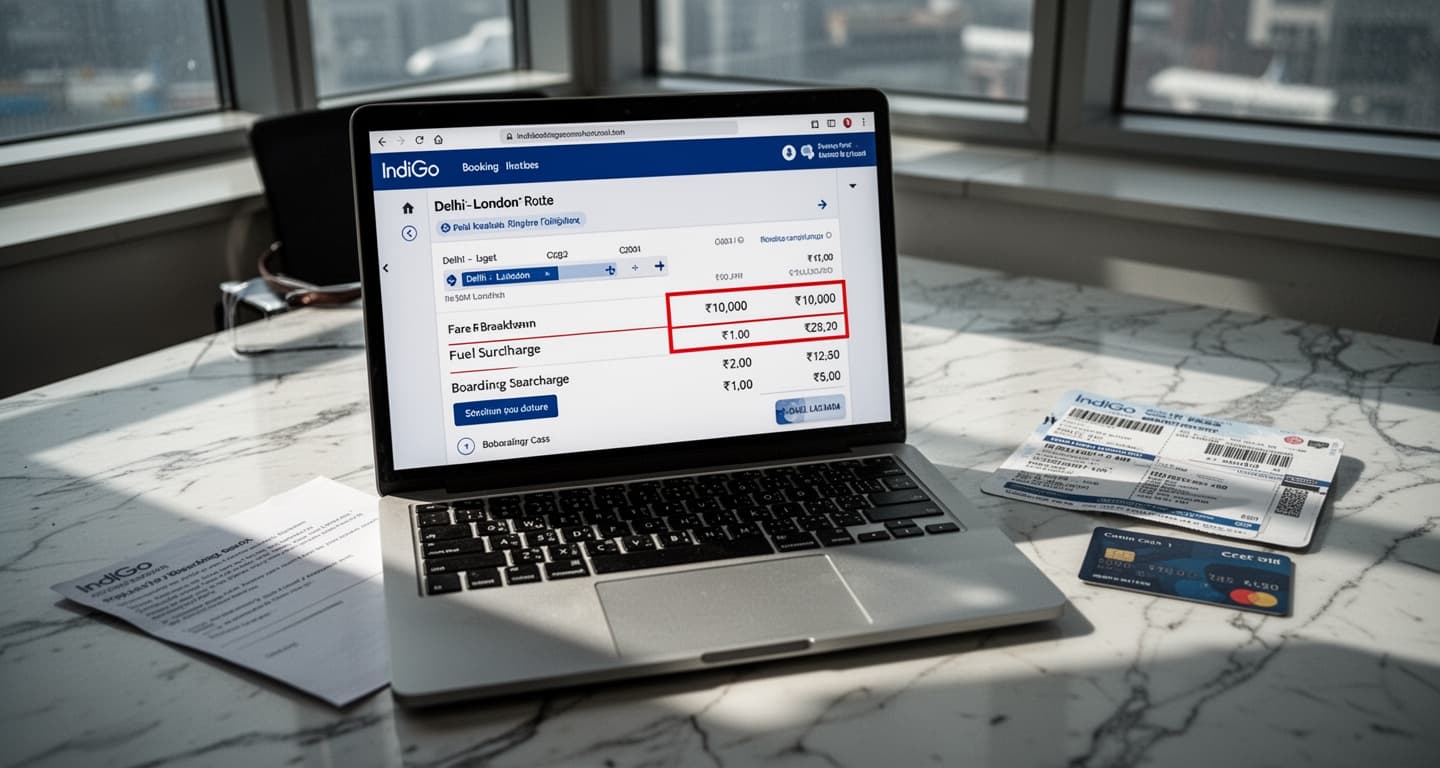
Spanish budget carrier Volotea is demanding up to €9 per flight segment from passengers who already purchased tickets, threatening denied boarding for non-payment. The airline activated a post-booking fuel surcharge clause seven days before departure, citing oil price volatility—but EU Regulation 1008/2008 requires airlines to display final prices at booking, making this policy likely illegal under European consumer protection law.
Passengers with existing Volotea bookings face immediate payment demands or rebooking complications. The airline offers flight changes for credit—not cash refunds—creating a hostage situation where travelers must pay additional fees or forfeit their reservations.
Volotea notified passengers April 12, 2026, that fuel price reviews occur seven days before departure, with surcharges up to €9 per segment applied if oil costs rise after booking. The Spanish low-cost carrier frames this as “total transparency,” claiming passengers “may receive a partial refund” if fuel prices fall—but the policy functions as one-directional risk transfer.
The airline’s contract of carriage explicitly permits these adjustments.
But European aviation law tells a different story. Airlines operating within the EU must display final prices at the point of sale, inclusive of all unavoidable and foreseeable charges. Fuel costs are not unforeseeable surprises—they are core operating expenses that carriers manage through hedging, dynamic pricing, and fare adjustments before tickets are sold.
Volotea operates short-haul European routes competing with Ryanair, easyJet, and Wizz Air. None of those carriers impose post-booking fuel surcharges on existing reservations. Ryanair and easyJet lock prices at checkout and absorb fuel volatility through pre-purchase pricing adjustments. Wizz Air applies fuel surcharges transparently at booking—not retroactively.
The legal problem with post-booking surcharges
EU Regulation 1008/2008 states that customers must be able to compare prices effectively, and the final price “should at all times be indicated, inclusive of all taxes, charges and fees.” The regulation applies to air services originating in the European Union and establishes that airlines cannot add foreseeable costs after purchase.
There is a narrow exception for government-imposed taxes or airport fees that change after booking. Fuel is neither. It is an operating cost that airlines have managed for decades through hedging strategies, dynamic pricing models, and fare adjustments made before contracts are formed.
Volotea may argue that passengers were informed of the policy at booking, but consumer protections exist precisely because certain contractual terms are unenforceable regardless of disclosure. Safety standards cannot be waived by contract. Price certainty at the point of sale falls into the same category under EU law.
Post-booking price increases are rare in modern aviation. During the 2008 fuel crisis, some carriers attempted fuel surcharges, but these were added to base fares before booking or applied as transparent ancillary fees at checkout—not retroactively to locked-in reservations. EU enforcement actions against airlines for hidden fees intensified after 2010, establishing precedent that final prices must be transparent at point of sale.
| Carrier | Post-booking surcharge | Fuel cost handling | Price lock guarantee |
|---|---|---|---|
| Volotea | Up to €9 per segment | Adjusted 7 days before departure | No |
| Ryanair | None | Built into base fare | Yes, at checkout |
| easyJet | None | Dynamic pricing before booking | Yes, at checkout |
| Wizz Air | None (applied at booking only) | Transparent surcharge at purchase | Yes, at checkout |

Flight deals most people never see
Our AI monitors 150+ airlines for pricing anomalies that traditional search engines miss. Air Traveler Club members save $650 per trip per person on average: see how it works.
Each deal saves 40–80% vs. regular fares:

Why this sets a dangerous precedent
Airlines operate in volatile markets. Fuel prices fluctuate. Demand shifts. Costs change. But once a passenger purchases a ticket, the price is supposed to be fixed. That is the fundamental contract between carrier and customer.
Volotea is attempting to shift fuel price risk directly onto passengers after the transaction is complete. The airline claims this creates “transparency,” but it actually creates uncertainty—passengers cannot budget accurately for trips when prices can increase up to seven days before departure.
A round-trip booking on Volotea could incur up to €18 in additional charges (€9 per segment, two segments). For a frequent traveler booking 10 round-trip flights annually, potential exposure reaches €180 per year in unexpected surcharges. This represents a 5–15% increase on typical Volotea fares, which range from €120–€200 round-trip on short-haul European routes.
Premium cabin travelers on legacy carriers—Lufthansa, Air France, KLM—pay fixed business class fares (€800–€2,500 round-trip) with no post-booking adjustments. The Air Traveler Club’s analysis of Volotea’s surcharge implementation reinforces the value of full-service carrier price certainty: legal protections and predictable costs justify the premium.
What travelers should do now
Existing Volotea bookings require immediate action. The seven-day surcharge window means passengers departing in the next two weeks face imminent payment demands.
- Check booking status immediately — Log into the booking management portal to verify whether a surcharge notification has been issued.
- Request written confirmation — Contact customer service and demand documentation of the surcharge amount, legal basis, and refund policy if fuel prices fall.
- Pursue full refunds — Cite EU Regulation 1008/2008 and request a complete refund to the original payment method, not airline credit.
- Document everything — Save all emails, booking confirmations, and customer service interactions for potential chargeback disputes or regulatory complaints.
- Consider alternative carriers — Ryanair and easyJet operate many of the same routes without post-booking surcharges.
Watch for regulatory action. If EU authorities issue a cease-and-desist or require refunds within 30 days, it signals that post-booking surcharges violate consumer protection law and creates precedent blocking similar policies across European carriers. If no action materializes within 60 days, it may indicate regulatory ambiguity, emboldening other budget carriers to adopt similar practices.
FAQ
Can Volotea legally charge me more after I’ve already paid for my ticket?
Under EU Regulation 1008/2008, airlines must display final prices at booking, inclusive of all foreseeable charges. Fuel costs are foreseeable operating expenses, not government-imposed taxes or fees that can change post-purchase. Volotea‘s policy likely violates this requirement, making the surcharge legally questionable even if disclosed in the contract of carriage.
What happens if I refuse to pay the fuel surcharge?
Volotea may deny boarding if the surcharge remains unpaid. Passengers should request a full refund citing EU consumer protection violations, document all communications, and consider filing complaints with Spain’s consumer protection agency or initiating chargeback disputes with credit card issuers.
Will I actually get a refund if fuel prices fall?
Volotea states passengers “may receive a partial refund” if fuel prices decline, but the policy language is vague and non-binding. The airline has not disclosed how refunds will be calculated, when they will be issued, or whether passengers must proactively request them. This asymmetry suggests the policy is designed to extract revenue, not provide genuine price transparency.
Do other European budget airlines charge fuel surcharges after booking?
No. Ryanair, easyJet, and Wizz Air lock prices at checkout and absorb fuel volatility through pre-purchase pricing adjustments. Wizz Air applies fuel surcharges transparently at booking but does not adjust them retroactively. Volotea‘s post-booking surcharge model is a competitive outlier.
Read more