Summary
The front cabin is no longer a corporate preserve. International premium traffic grew 11.8% in 2024 to more than 116.9 million passengers, and United now says leisure travelers make up double the share of its first and business class cabins compared to 2019. Delta reports 75% of first-class seats are now filled by full-fare passengers, up from just 12% in 2009.
This structural shift is forcing airlines to retrain cabin crews as product educators and reconfigure premium cabins around first-time flyers. For frequent flyers, the consequence is stark: upgrade space is tightening as more leisure travelers pay cash for the pointy end.
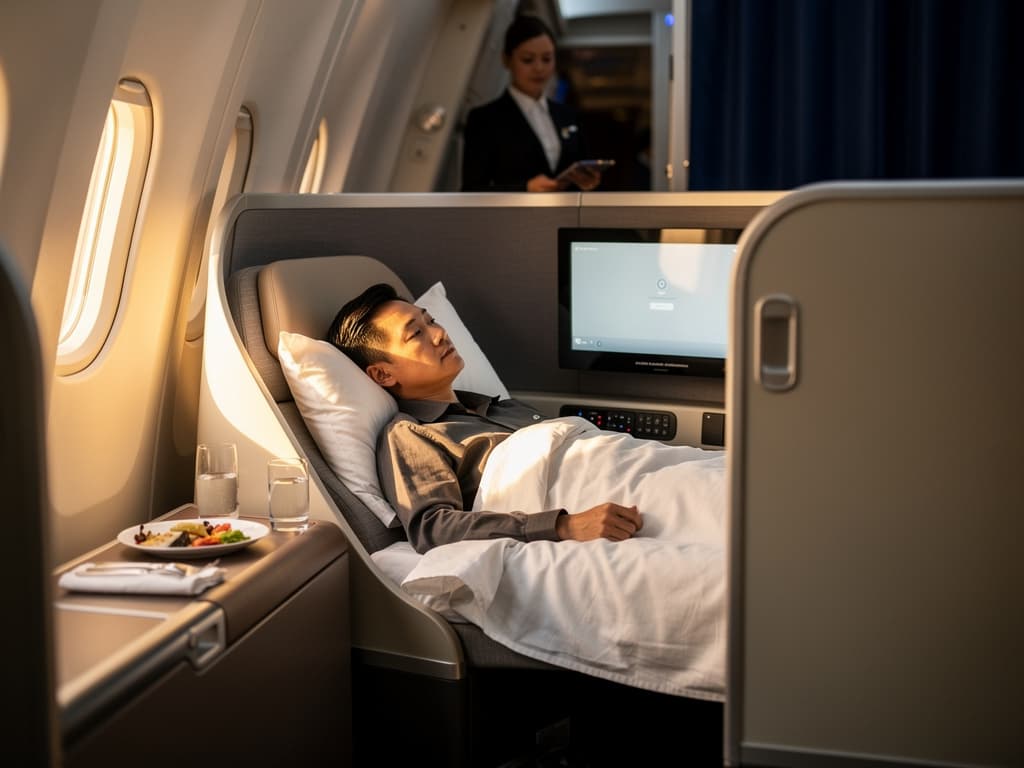
The business class cabin has quietly changed hands. For decades, the seats behind the curtain belonged to corporate road warriors who needed to arrive fresh for meetings. Now, the cabin is filling with leisure travelers, and the shift is reshaping everything from seat design to how flight attendants do their jobs.
Qantas estimates that on London flights, roughly 70% of business class customers and 80% of premium economy customers are leisure travelers. United reports the leisure share of its premium cabins has doubled since 2019. The numbers tell a clear story: the front of the plane is no longer a business expense line item — it’s a lifestyle purchase.
The implications ripple across the entire premium travel ecosystem. United Airlines flew a record 27.4 million premium seats in 2025, representing 12% of its total capacity, with premium revenue up 11% for the year. American Airlines has grown premium seats 16% since 2019 while economy seats expanded just 5%. Carriers are betting heavily that leisure demand will keep filling these seats.
For travelers, the change cuts both ways. First-time premium flyers get access to cabins that were once locked behind corporate travel policies. But frequent flyers watching upgrade space evaporate are learning an uncomfortable lesson: the cabin they once relied on for complimentary upgrades is now being sold out from under them.
The details
The democratization of premium travel didn’t happen overnight. Loyalty programs built the bridge. The first frequent flyer programs emerged in a burst of innovation between 1979 and 1981: Texas International Airlines launched the earliest iteration in 1979, Western Airlines followed with Travel Bank in 1980, and 1981 saw three heavyweights enter the field — Delta SkyMiles, United MileagePlus, and American AAdvantage.
These programs gave occasional travelers a path to premium cabins without paying published fares. MileagePlus members earn point multipliers as high as 11x, receive status-based free checked bags and priority boarding, and access reciprocal benefits across the Star Alliance network. The result: a generation of travelers who know how to work the system.
But something else is happening now. Delta’s data showing 75% of first-class seats filled by full-fare passengers — up from 12% in 2009 — suggests travelers aren’t just using points anymore. They’re paying cash. The weakening corporate travel market, constrained by economic uncertainty, has pushed airlines to market business class directly to leisure consumers. And those consumers are responding.
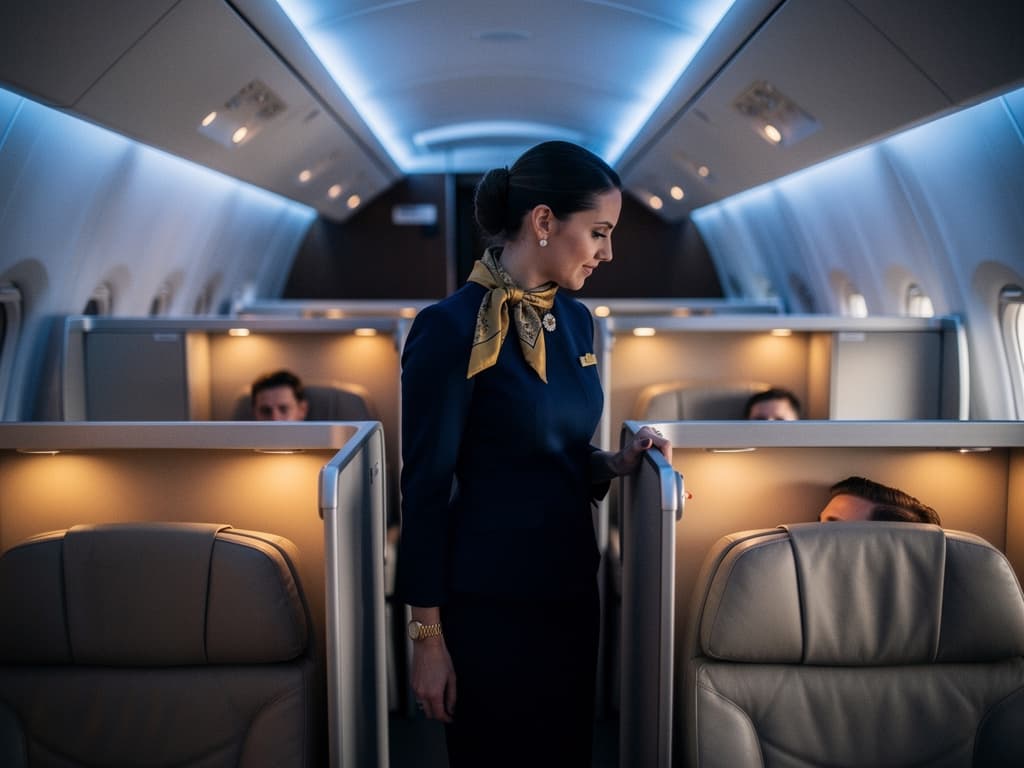
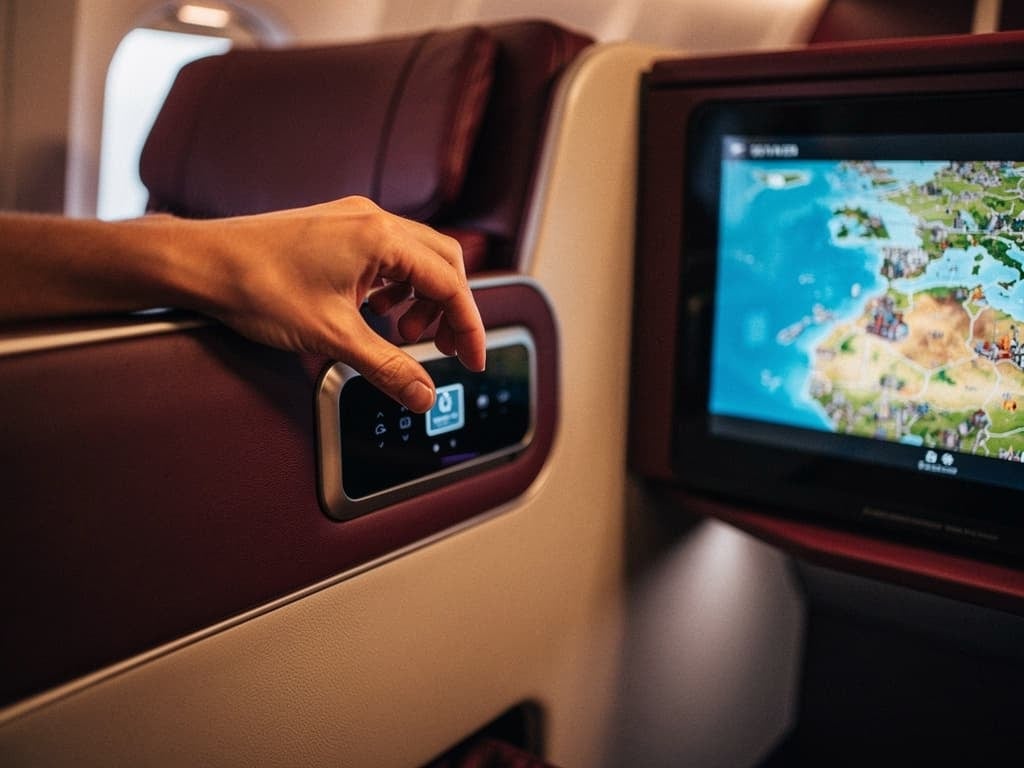
Cabin crews are on the front line of this transition. First-time premium flyers often don’t know when to board, how dine-on-demand works, where to stow belongings, or what’s complimentary. Flight attendants now serve as product tutors and brand ambassadors, walking new passengers through seat controls, storage compartments, and service expectations. The role has shifted from service delivery to education.
| Carrier | Premium metric | Figure | Trend |
|---|---|---|---|
| United Airlines | Premium seats flown (2025) | 27.4 million | 12% of total seats |
| United Airlines | Premium revenue growth (full year) | 11% | 9% in Q4 alone |
| American Airlines | Premium seat growth since 2019 | 16% | vs. 5% economy growth |
| Delta Air Lines | Full-fare first-class share | 75% | Up from 12% in 2009 |

Flight deals most people never see
Our AI monitors 150+ airlines for pricing anomalies that traditional search engines miss. Air Traveler Club members save $650 per trip per person on average: see how it works.
Each deal saves 40–80% vs. regular fares:

The value-add
What’s happening here isn’t just a demand shift — it’s a product arms race with a new target audience. Carriers are investing in enclosed suites, sliding doors, direct aisle access, and tiered business-class seating with premium seat options sold at surcharges. Some are phasing out international first class entirely in favor of denser business suites. The competitive battleground has moved from first-versus-business to business-versus-business, with privacy and consistency as the deciding factors.
Air Traveler Club’s analysis of how cabin crew identify first-time premium flyers reveals the behavioral tells: overdressing, frequent call button use, photographing the experience, and unfamiliarity with seat controls. These aren’t just quirks — they’re signals that airlines are watching closely as they design products for a customer base that’s learning the cabin in real time.
How to protect your upgrade odds as leisure demand grows
For frequent flyers, the strategic response to leisure-driven premium demand is clear: status alone won’t save you. United’s upgrade priority structure shows that fare class and request timing now matter as much as tier level, and American’s tiered AAdvantage access confirms the same pattern. Here’s what to do:
- Book higher fare classes when upgrade space matters. Complimentary upgrades on both United and American depend heavily on the fare bucket you purchase, not just your status level.
- Use upgrade instruments strategically. United PlusPoints and MileagePlus upgrade awards clear before ordinary complimentary upgrades — bank them for routes where leisure demand is highest.
- Check award space early on transatlantic routes. Leisure travelers are absorbing premium inventory, so award seats on peak Europe routes are often sparse. Flexibility on dates is essential.
- Consider paying for premium outright on high-demand routes. With full-fare leisure passengers filling cabins, the days of reliably clearing upgrades on popular long-haul flights may be over.
Watch for more airlines to split business class into sub-tiers with different pricing and seating extras. If that happens, it confirms premium cabins are being rebuilt around leisure buyers willing to pay for privacy and comfort.
FAQ
Are airlines phasing out first class in favor of business class?
Several carriers are reducing or eliminating international first class, replacing it with denser business class suites that offer doors, direct aisle access, and tiered seating options. The trend reflects the growing leisure demand for premium cabins and the shrinking corporate market for true first class.
How can first-time business class flyers make the most of the experience?
Board when your group is called, ask crew about dine-on-demand and storage, and don’t hesitate to request help with seat controls. Crew members are increasingly trained to assist first-time premium flyers, and genuine curiosity is welcomed more than forced formality.
Which carriers offer the best business class to Europe?
Singapore Airlines ranks second globally in Skytrax business-class awards and operates New York–Frankfurt with Boeing 777s in a 1-2-1 layout. Delta offers roughly 700 weekly flights to about 30 European destinations with 1-2-1 direct aisle access and full-height doors on many suites. Air France, Virgin Atlantic, and Emirates also rank among the top European premium products.
Read more