Summary
British Airways has updated Section 11a of its General Conditions of Carriage to prohibit passengers from photographing, filming, or livestreaming cabin crew without their express consent — effective immediately across all routes and cabins. Violations are now a contractual breach carrying consequences that include forced removal from the aircraft at the next landing point, cancellation of remaining ticket sectors, and referral to law enforcement. The ban covers smartphones, digital cameras, GoPro-style devices, and wearable technology including smart glasses.
No exemptions exist for Executive Club elites — Gold, Silver, and Platinum members are subject to identical terms. Passengers with upcoming BA flights should review the updated Conditions of Carriage before boarding.
The cabin is no longer a content studio. British Airways has formalized what many carriers have only gestured at: a binding contractual prohibition on filming crew without consent, backed by consequences serious enough to end a trip mid-journey. The policy, embedded in the airline’s revised General Conditions of Carriage, gives BA broad discretionary authority — if the airline “reasonably believes” a passenger has recorded crew without permission, it may act immediately to stop the behavior.
Those consequences are not abstract. Passengers who refuse to comply face removal from the aircraft at the next available landing point, cancellation of all remaining ticket sectors without refund, and potential referral to local authorities. The rule applies uniformly across Club World, First, and economy — no cabin earns an exemption.
The scope of the ban is notably wide. Phones and traditional cameras are the obvious targets, but the policy explicitly extends to wearable recording devices — Meta AI glasses, GoPro-style action cameras, and any other technology capable of capturing video or still images. In an era when recording hardware is embedded in everyday accessories, that breadth matters.
This is a policy that will affect anyone flying BA in 2026, but it lands with particular weight for frequent flyers who document service interactions, content creators who film cabin reviews, and business travelers who have grown accustomed to capturing upgrade confirmations or service disputes on longhaul routes.
What the updated conditions actually say
The revised language in BA’s General Conditions of Carriage is precise in its framing: “If, while you are on board the aircraft, we reasonably believe that you have filmed, live streamed or photographed our crew or other colleagues without their consent, we may take any measures we think reasonable to prevent you continuing your behaviour.” The “reasonably believe” standard gives crew and ground staff significant discretionary latitude — a passenger does not need to be caught in the act; suspicion alone can trigger intervention.
Consequences escalate in proportion to the situation. At minimum, crew may instruct a passenger to stop and delete footage. At maximum, the airline can offload a passenger at the next port of call, cancel forward sectors, and hand the matter to police. For award ticket holders, a violation could mean forfeited Avios with no redeposit pathway — the Conditions of Carriage apply equally to redemption bookings.
The policy’s alignment with the UK’s Data Protection Act gives it legal grounding beyond airline preference. Crew members have a recognized privacy interest in not being recorded without consent, and BA’s updated terms formalize that interest as a contractual obligation on passengers.
| Airline | Filming policy | Devices covered | Enforcement mechanism |
|---|---|---|---|
| British Airways | Consent required for all crew/staff filming | Phones, cameras, wearables, GoPros | Removal, sector cancellation, law enforcement referral |
| KLM | Consent required; announced via onboard PA | Phones and cameras (implied) | Passenger removal in isolated cases |
| United Airlines | Personal event capture permitted; prohibited if disruptive or safety risk | Small cameras and mobile devices | Crew discretion; no automatic removal |
| American Airlines | Onboard photos permitted; prohibited if interfering with crew | Mobile devices | Crew discretion |
| Virgin Atlantic | No explicit ban; disruptive recording prohibited | Not specified | Disruptive conduct provisions apply |
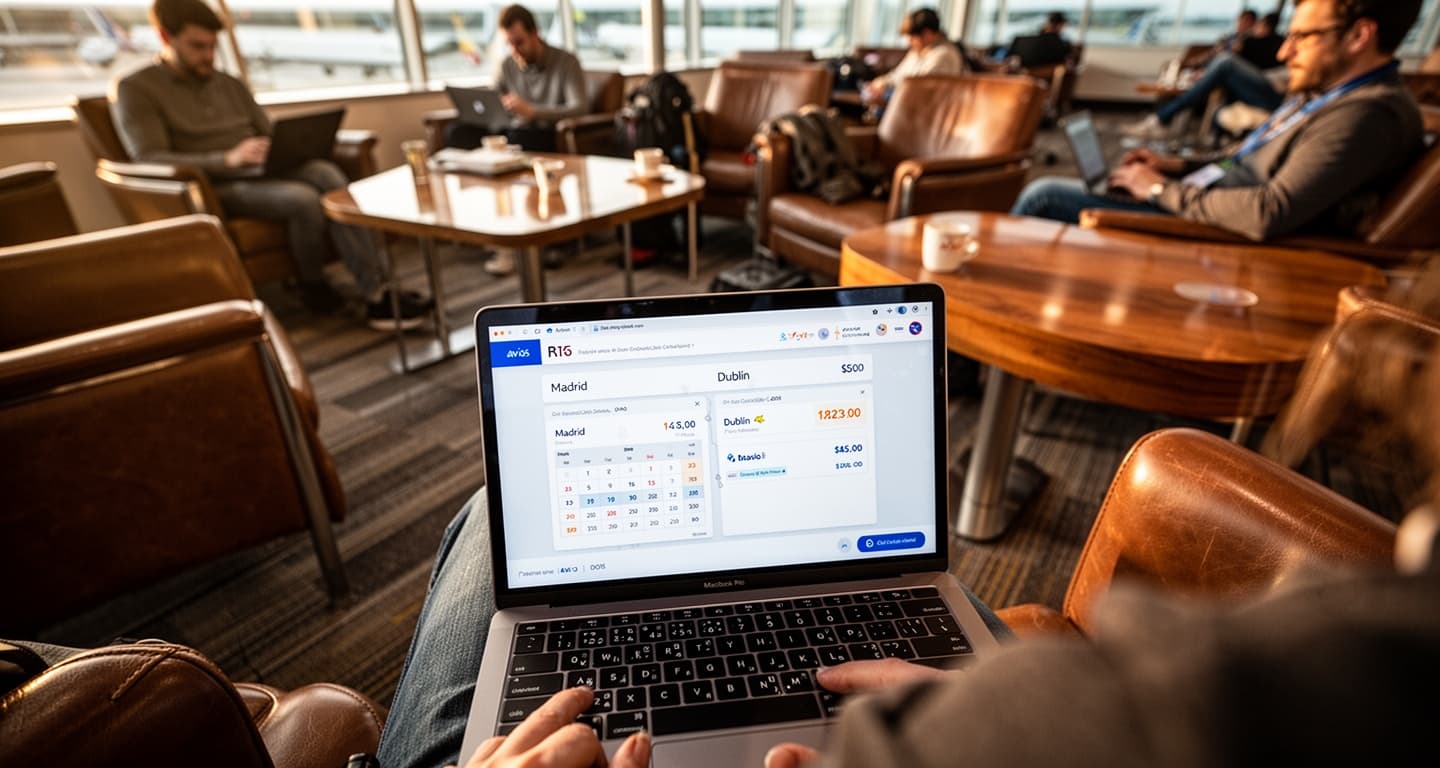
Flight deals most people never see
Our AI monitors 150+ airlines for pricing anomalies that traditional search engines miss. Air Traveler Club members save $650 per trip per person on average: see how it works.
Each deal saves 40–80% vs. regular fares:

Why this policy lands differently than a press release
Airlines have long had vague language about disruptive behavior. What makes BA’s update significant is the specificity of the consent requirement and the breadth of the device list — this is not a catch-all disruptive conduct clause repurposed to cover filming. It is a targeted privacy rule with named technology categories and named consequences.
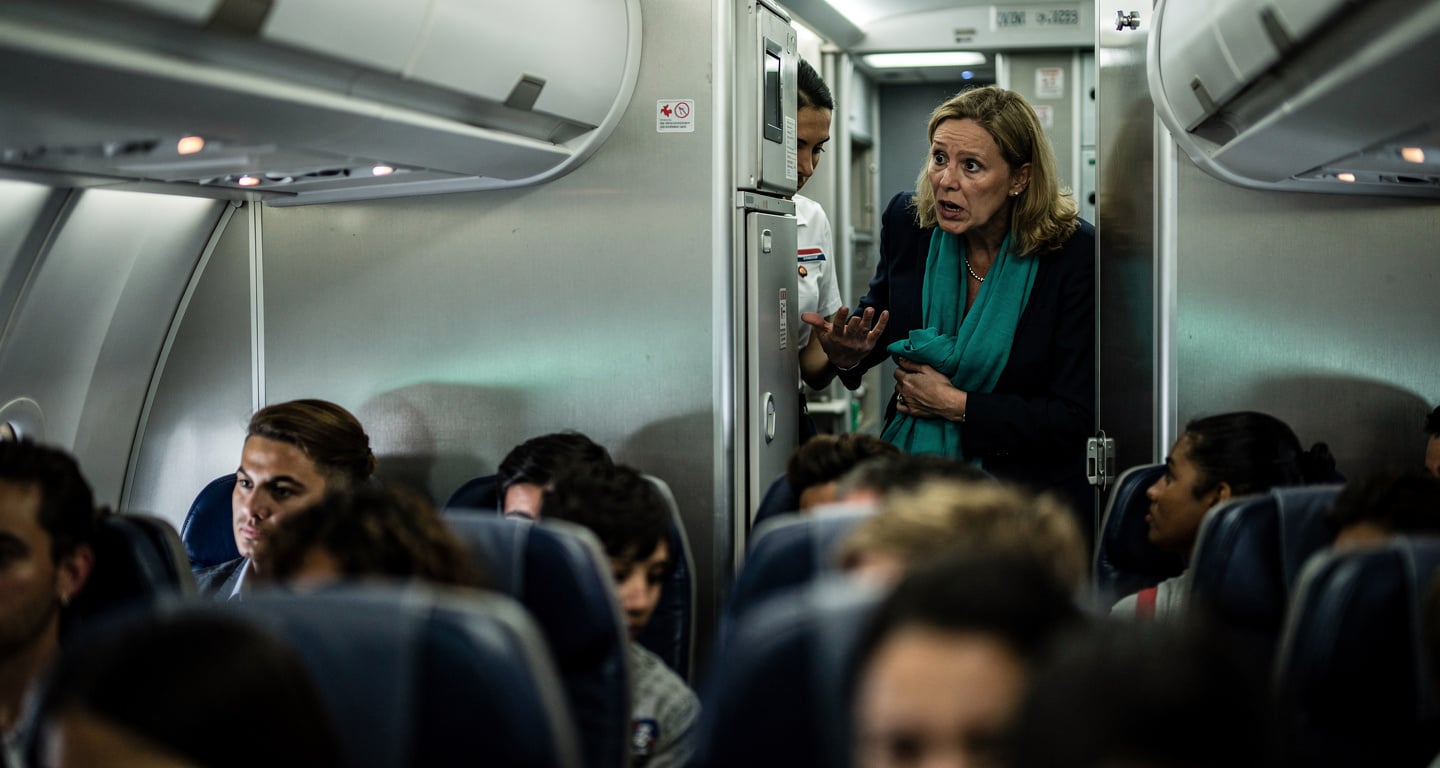
The context driving it is real. Cabin crew increasingly face a dynamic where any service interaction — a delayed meal, a denied request, a boarding dispute — can become social media content within hours, often stripped of context and framed for maximum outrage. For crew working 10-hour longhaul sectors, the cumulative effect of being filmed, posted, and pile-on’d is a documented welfare issue, not a hypothetical one.
Air Traveler Club’s analysis of the contractual implications of BA’s filming ban details how violations now constitute a breach of carriage terms — not merely a social infraction — with permanent ban exposure as an outer consequence. That distinction matters for frequent flyers who have built years of status and award balances with the airline.
The tension the policy creates is genuine, however. Passengers have documented real misconduct — discrimination, safety failures, crew aggression — using exactly the kind of footage this rule now restricts. BA’s “reasonably believe” standard gives crew authority that could, in theory, be used to suppress legitimate documentation. The policy offers no carve-out for safety incidents or serious misconduct, which is where it diverges most sharply from United Airlines‘ approach.
What BA passengers need to know before their next flight
This policy is active now, applies to every BA route globally, and carries no elite exemptions — understanding it before boarding is the only protection available.
- Consent is the threshold, not disruption. Unlike US carriers where filming is restricted only when it creates a safety risk or interferes with crew duties, BA’s rule requires affirmative consent before any recording of crew begins. Filming a flight attendant during a routine service interaction — even briefly, even without confrontation — is a policy violation.
- Wearable devices are explicitly covered. Smart glasses, action cameras, and any recording-capable wearable fall under the ban. Passengers traveling with Meta Ray-Bans or similar devices should be aware that passive recording features could trigger the policy.
- Award tickets carry identical risk. Avios redemptions booked through Executive Club are subject to the same Conditions of Carriage as revenue tickets. A mid-flight removal or sector cancellation on an award booking does not automatically trigger redeposit rights.
- No elite tier provides cover. Gold, Silver, and Platinum Executive Club members have no exemption. The policy applies uniformly regardless of cabin or status.
- Serious incident documentation remains a gray area. BA’s policy contains no explicit carve-out for safety incidents or crew misconduct. Passengers who believe they need to document a serious situation should understand they may face a ground-level dispute with authorities — the policy does not distinguish between petty content creation and legitimate accountability recording.
Watch for onboard announcement protocols similar to KLM‘s 2023 rollout — BA is likely to begin briefing passengers verbally on the policy within the next 60–90 days as crew training catches up with the updated Conditions.
FAQ
Does the BA filming ban apply to photos of the cabin interior, seat, or meal — or only to crew members?
The policy specifically covers filming, photographing, or livestreaming “crew or other colleagues.” Photos of the seat, cabin interior, meal presentation, or window views are not addressed by Section 11a and remain unrestricted. The consent requirement applies only when crew or staff are the subject of the recording.
What happens to my Avios if I’m removed from a flight for violating the filming policy?
BA’s Conditions of Carriage do not guarantee Avios redeposit for policy violations — removal for conduct breaches is treated differently from schedule-driven cancellations. Passengers in this situation should contact Executive Club at +44 203 250 0145 immediately to request a case review, but redeposit is at BA’s discretion, not a guaranteed right.
Can I film crew if they give verbal consent in the moment?
The policy requires consent but does not specify written or formal consent. Verbal agreement from the crew member being filmed would logically satisfy the consent requirement — but passengers relying on informal consent should be aware that a different crew member or supervisor could still challenge the recording if they were not part of the exchange. When in doubt, ask the crew member directly and clearly before filming begins.
Read more