Summary
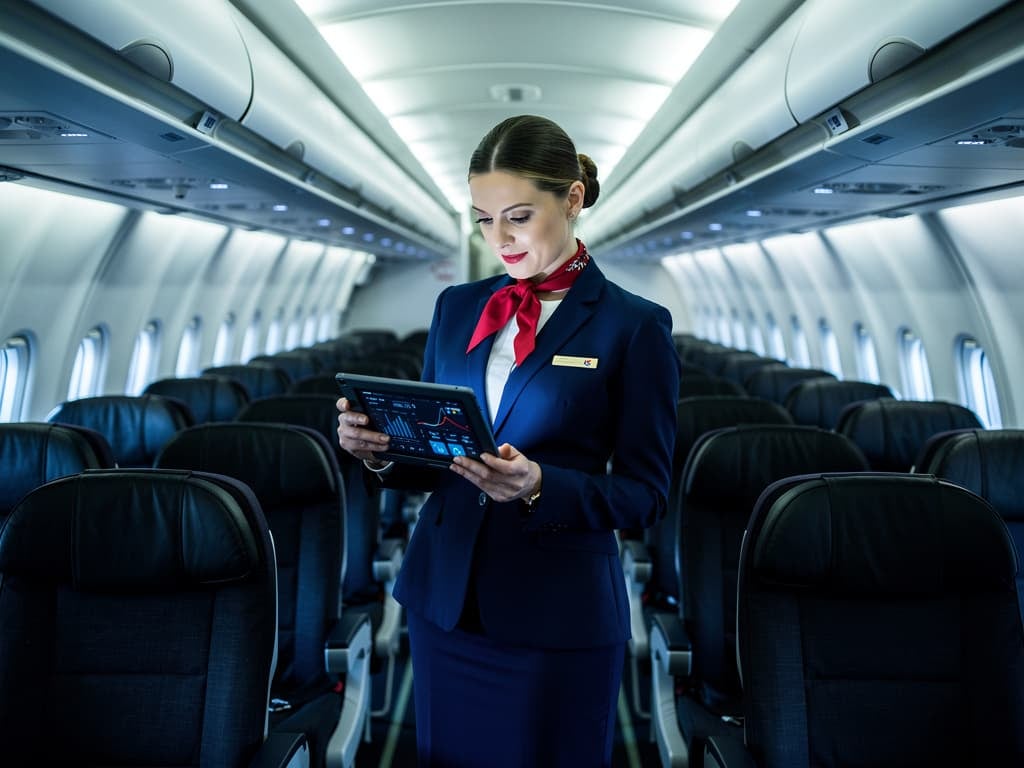
An Emirates flight attendant remains detained at Dubai’s Al Qusais Police Station after authorities deployed electronic surveillance to intercept a private WhatsApp message containing a photo of smoke from an Iranian drone strike. Dubai Police used a specialized team from the Electronic and Cybercrime Department to track the account holder, who shared the image from company-provided accommodation before official warnings were issued, marking at least the second Dubai-based crew member arrested under UAE cybercrime laws that carry penalties of up to two years imprisonment and fines exceeding $54,000.
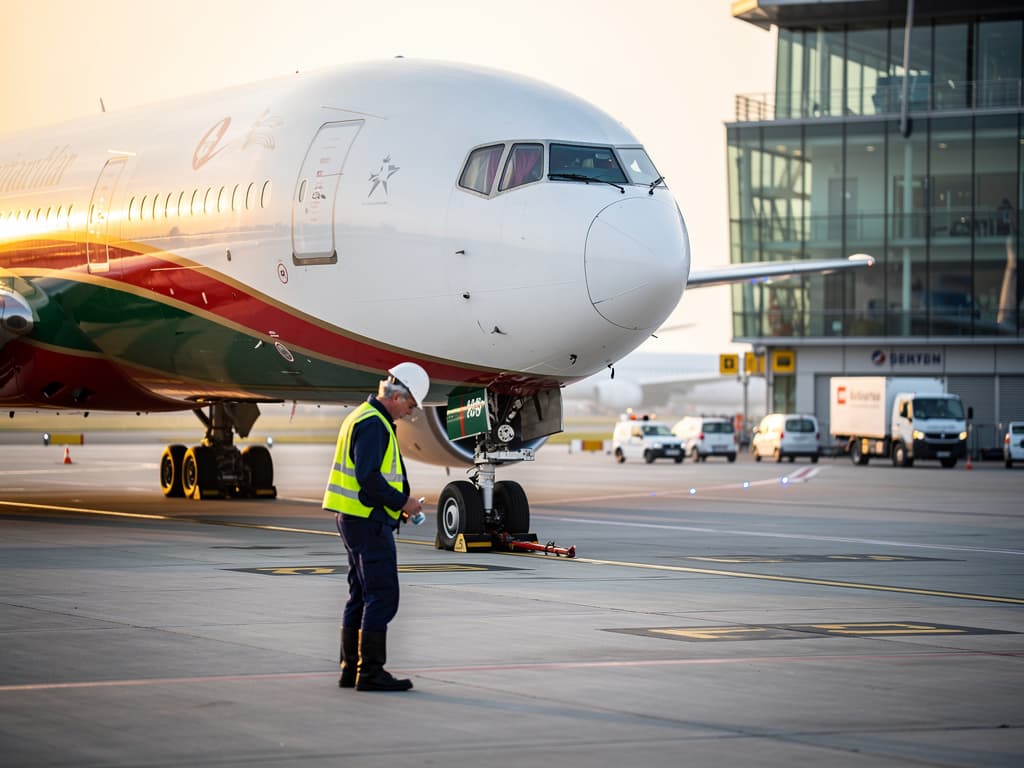
The arrest signals immediate risks for premium cabin crews and travelers transiting Dubai International Airport, where a March 7 drone strike damaged an Emirates Airbus A380 and Saudia Airbus A321 near Terminal 3. At least 160 individuals have been detained for similar offenses since the Iran conflict began.
The Emirates crew member felt his building shake while off-duty in company housing, looked outside to see smoke rising from a drone interception, and photographed the scene. He shared it in a private WhatsApp group—a decision that triggered a technical investigation by Dubai’s cybercrime unit and led to his arrest at Al Qusais Police Station, where he remains in custody.
This marks the second confirmed detention of Dubai-based flight attendants for sharing drone strike imagery in private messaging groups.
A British Flydubai crew member was released and deported after UK government intervention following his arrest for sharing video of the March 7 attack on Dubai International Airport in another private WhatsApp group. That strike occurred days into the Iran War, with a drone evading air defense systems and exploding adjacent to Terminal 3—the hub for Emirates’ premium cabin operations serving routes like EK1 to London Heathrow and EK215 to Los Angeles.
The Flydubai crew member had shared the video while seeking advice from coworkers about whether it was safe to travel to the airport for work. Radha Stirling, founder of Detained in Dubai—a charity providing legal support to expats caught in the UAE’s opaque legal system—confirms authorities used “electronic monitoring operations” to hunt down both crew members.
How Dubai’s cybercrime enforcement targets private communications
The Emirates flight attendant’s arrest occurred before authorities issued stern warnings prohibiting residents and visitors from photographing or sharing images of drone and missile attacks. Dubai introduced cybercrime laws in 2021 making it illegal to share images online that could harm national security, damage Dubai’s reputation, or “undermine national unity.”
After identifying that a banned photo had been shared on WhatsApp, Dubai Police deployed a specialized team from the Electronic and Cybercrime Department to conduct a technical investigation and track down the account holder. Once the Emirates flight attendant was identified, he was “lured” to the police station and arrested.
The enforcement extends beyond public social media posts to private messaging platforms. At least 160 individuals have been detained for similar offenses since the conflict began, with lawyers charging three to four times their standard rates for national security cases.
| Offense category | Maximum prison term | Maximum fine | Additional penalty |
|---|---|---|---|
| Harming national security | 2 years | $54,000+ | Deportation |
| Damaging UAE reputation | 2 years | $54,000+ | Deportation |
| Undermining national unity | 2 years | $54,000+ | Deportation |
| Sharing attack imagery (private) | 2 years | $54,000+ | Deportation |

Flight deals most people never see
Our AI monitors 150+ airlines for pricing anomalies that traditional search engines miss. Air Traveler Club members save $650 per trip per person on average: see how it works.
Each deal saves 40–80% vs. regular fares:

What this means for premium cabin operations at DXB
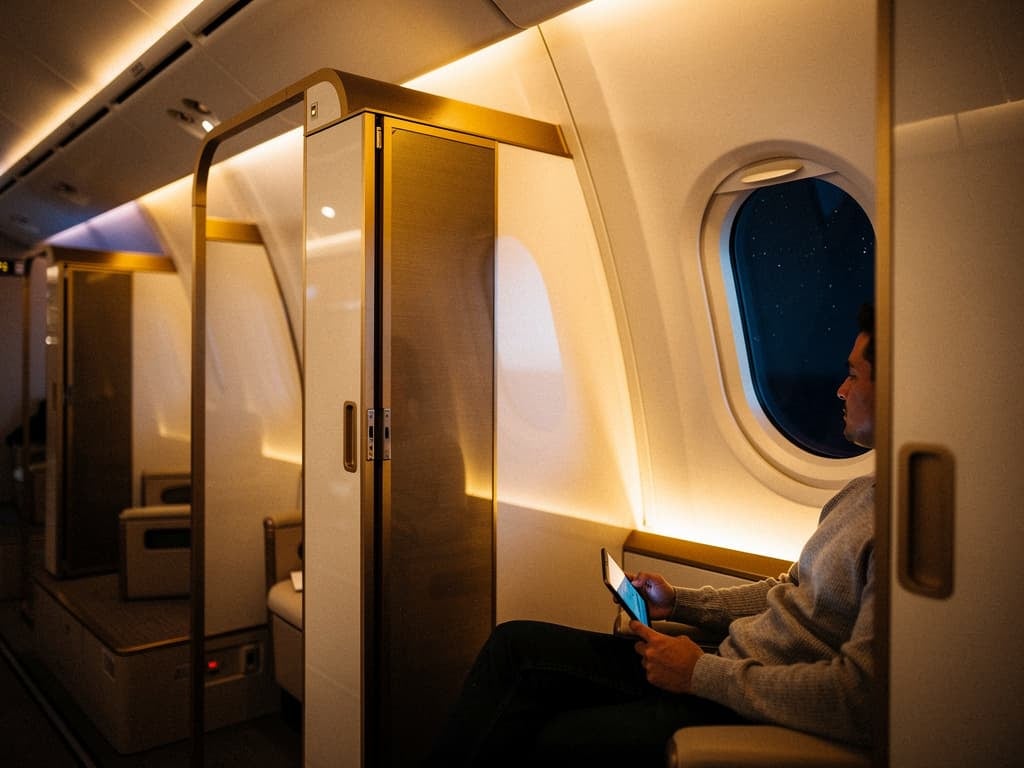
The arrests highlight operational risks for Dubai-based premium cabin staff servicing First and Business Class routes from Terminal 3, where the March 7 drone strike damaged aircraft near premium lounges and gates. The Emirates Airbus A380 damaged in the attack operates flagship routes including EK1 to London, EK215 to Los Angeles, and EK407 to Sydney—all featuring the airline’s signature First Class suites and Business Class lie-flat seats.
Air Traveler Club’s analysis of crew detention patterns shows Dubai-based aviation workers face heightened scrutiny under electronic surveillance programs targeting private communications. This creates staffing uncertainty for premium cabin service, particularly on long-haul routes where crew continuity matters for elite-level service delivery.
The enforcement differs from comparable Gulf hub protocols. Qatar Airways crew in Doha face advisories during regional tensions, but Qatar’s legal framework doesn’t extend surveillance to private messaging platforms with the same intensity as UAE cybercrime enforcement.
Strategic guidance for premium travelers
The detention creates immediate risks for anyone transiting Dubai International Airport with devices containing imagery of regional security incidents, even in private message histories.
- Review device content before DXB transit: Delete any photos, videos, or message threads containing imagery of drone strikes, military activity, or security incidents in the UAE, even from private conversations or cloud backups accessible on your device.
- Consider alternative Gulf hubs: Qatar Airways via Doha (DOH) or Etihad via Abu Dhabi (AUH) offer comparable premium cabin products without the same level of private communication surveillance documented in Dubai.
- Avoid sharing any security-related content: UAE cybercrime laws apply to tourists and transit passengers, not just residents. Penalties include detention, fines exceeding $54,000, and deportation regardless of elite status or citizenship.
- Monitor Skywards award space on alternative routings: If you hold Emirates bookings through DXB, check partner award availability on Qantas or Japan Airlines for routes avoiding UAE airspace during the conflict period.
Watch for any General Civil Aviation Authority (GCAA) directive on DXB crew rotations within 72 hours—such guidance would signal Emirates relocating Dubai-based premium staff, potentially disrupting First Class service on key routes.
FAQ
Can UAE authorities access private WhatsApp messages?
The Emirates flight attendant case confirms Dubai Police deployed electronic surveillance to intercept private WhatsApp communications, using the Electronic and Cybercrime Department to track account holders. UAE cybercrime laws authorize monitoring of digital communications deemed threats to national security or the country’s reputation, extending enforcement beyond public social media to private messaging platforms.
Do these laws apply to tourists and transit passengers?
Yes. UAE cybercrime laws apply to all individuals within the country’s jurisdiction, including tourists and transit passengers at Dubai International Airport. Penalties of up to two years imprisonment, fines exceeding $54,000, and deportation apply regardless of citizenship, visa status, or airline elite tier membership.
What should I do if I have existing Emirates bookings through Dubai?
Review bookings via Emirates.com/manage within 24 hours for fee-free cancellation or rebooking. Skywards members retain standard flexible booking rights, but no enhanced conflict-related rebooking policy has been issued. Consider alternative Gulf hubs like Qatar Airways via Doha or Etihad via Abu Dhabi for comparable premium cabin service without documented private communication surveillance.
How does this compare to other Gulf airline crew policies?
Qatar Airways crew in Doha receive advisories during regional tensions, but Qatar’s legal framework doesn’t extend surveillance to private messaging platforms with the same documented intensity as UAE enforcement. Emirates and Flydubai crew face uniquely stringent monitoring under Dubai’s 2021 cybercrime laws, which specifically target content that could damage the emirate’s reputation even in private communications.
Read more