Summary
American Airlines flight 618 from Dallas/Fort Worth to Newark diverted to Baltimore on September 3, 2026 after a passenger shouted racist and homophobic slurs, struck a seatmate, and bit a fellow passenger who intervened. Maryland Transportation Authority Police arrested the man at BWI and state charges were filed, while federal prosecutors were still being consulted.
The outburst forced a diversion that disrupted a high-frequency domestic corridor. Witness Juan Mejia described teeth marks on his hand and blood from the passenger’s self-inflicted cuts, underscoring the violence that erupted before crew and passengers restrained the man with duct tape and zip ties.
A American Airlines flight from Dallas/Fort Worth to Newark turned violent when a passenger shouting racist and homophobic slurs struck a seatmate and bit an intervening witness, forcing an unscheduled diversion to Baltimore/Washington International Thurgood Marshall Airport. Flight 618 landed at BWI on September 3, 2026, where Maryland Transportation Authority Police arrested the man and state charges were filed. The Federal Bureau of Investigation‘s Baltimore field office confirmed federal prosecutors were still being consulted.
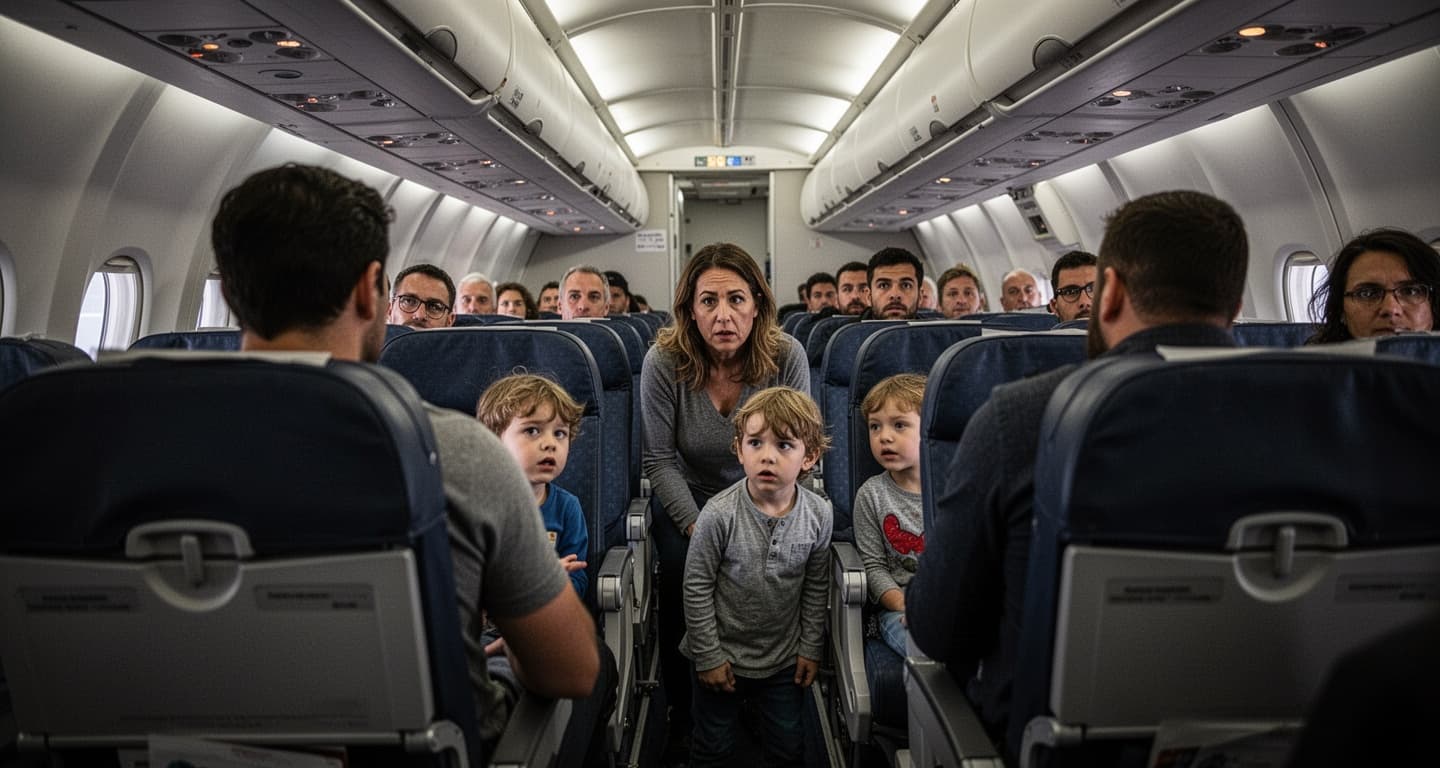
Witnesses described a sudden escalation. “Just like a light switch, all of a sudden, it went from quiet to yelling and chaos,” said Juan Mejia, a retired law enforcement officer who intervened. The passenger appeared intoxicated, struck a seatmate’s computer, pushed a woman who tried to help, and had self-inflicted cuts that caused heavy bleeding. Crew members and passengers eventually restrained him with duct tape and zip ties.
“Everyone who was in first class was basically victimized by his spewing of hatred,” Mejia said.
Dallas/Fort Worth-Newark is among the highest-frequency business routes in the US. A diversion to Baltimore adds roughly 40 minutes of flying time and can sever tight connections in either direction.
What happened on flight 618
American Airlines confirmed flight 618 diverted to BWI because of a disruptive customer. The carrier said safety and security are top priorities and that it does not tolerate violence, thanking team members and customers for their response. Regulatory guidance from the Federal Aviation Administration treats in-flight unruly behavior as a serious safety event, with penalties ranging from civil fines to criminal prosecution.
According to witness accounts, the passenger escalated from slurs to physical assault. He struck the passenger beside him and shoved a woman who attempted to assist. Mejia, who stepped in, described the bite marks on his hand. “He bit my hand. He didn’t break skin, just left teeth marks on my hand. We were covered in his blood,” Mejia said. The man had apparently cut himself, causing significant bleeding.
Crew members and fellow passengers used duct tape and zip ties to secure the man after verbal de-escalation failed.
American’s published conduct policy allows the airline to temporarily or permanently ban passengers for abusive or harassing behavior. A permanent ban would apply across all American and American Eagle flights.
| Date/time | Event | Impact | Status |
|---|---|---|---|
| September 3, evening | Passenger begins shouting racial and homophobic slurs aboard flight 618 | Escalation in first-class cabin; seatmate struck | Flight diverted to BWI |
| Mid-flight | Passenger physically assaults seatmate and intervening witness; self-inflicted cuts cause bleeding | Crew and passengers restrain passenger with duct tape and zip ties | Contained before landing |
| After landing BWI | Maryland Transportation Authority Police arrest passenger; state charges filed; FBI consulted | Flight continues to Newark after passenger removal | Legal proceedings pending |

Flight deals most people never see
Our AI monitors 150+ airlines for pricing anomalies that traditional search engines miss. Air Traveler Club members save $650 per trip per person on average: see how it works.
Each deal saves 40–80% vs. regular fares:

Why this diversion matters beyond the arrest
Beyond the immediate arrest, the incident sharpens a structural question: whether airline crew and passengers should physically restrain violent individuals when de-escalation fails. American’s zero-tolerance stance is clear, but the tools available in the cabin remain improvised — duct tape and zip ties are not regulated restraint devices. Air Traveler Club’s earlier analysis of passenger intervention risk examined when crew protocols should replace seat-back confrontation. Here, passengers acted because flight attendants faced an imminent assault; that improvisation may have prevented further injury, but it also raises liability and safety questions for future events.
What to watch in the Maryland case
State charges have already been filed, but the FBI Baltimore Field Office said federal prosecutors are still being consulted. Watch for a court date in Maryland — if federal charges follow, penalties could escalate beyond state misdemeanors or felonies. Watch also for any FAA enforcement update on unruly-passenger penalties in 2026, which would signal whether regulators are tightening consequences for onboard violence.
FAQ
What charges was the passenger booked on?
Maryland Transportation Authority Police booked the passenger on state charges related to assault and disorderly conduct. The FBI Baltimore Field Office says federal prosecutors are still being consulted, which could lead to additional federal charges.
Can American Airlines ban this passenger permanently?
Yes. American’s conduct policy allows temporary or permanent bans for abusive or harassing behavior. A permanent ban would bar the passenger from all American and American Eagle flights, and the airline stated it does not tolerate violence.
Does trip delay insurance apply after an unruly-passenger diversion?
If you paid for a round-trip ticket with an eligible card like Amex Platinum and the diversion delayed arrival by more than six hours, trip delay coverage may reimburse eligible expenses. Keep airline disruption notices and law-enforcement documentation, and file within the claim window.
Read more