Summary
On August 19, 2026, AirAsia flight AK1516 from Kota Kinabalu to Shanghai Pudong International Airport descended into a cabin-wide hygiene crisis when a female passenger defecated in her seat roughly 40 minutes before landing, spreading a powerful odor through the sealed cabin as air conditioning was switched off for arrival. The carrier confirmed the incident on August 21, detailing that crew performed an initial cleanup with gloves and towels while prioritizing a safe landing, followed by full disinfection after all passengers disembarked.
The passenger, traveling with two children, reportedly rushed toward a toilet with a bag moments before the smell emerged, yet the nearest lavatory was less than five meters away and remained accessible. No injuries were reported, but the event underscores how quickly a biohazard situation can affect an entire aircraft during the critical descent phase.
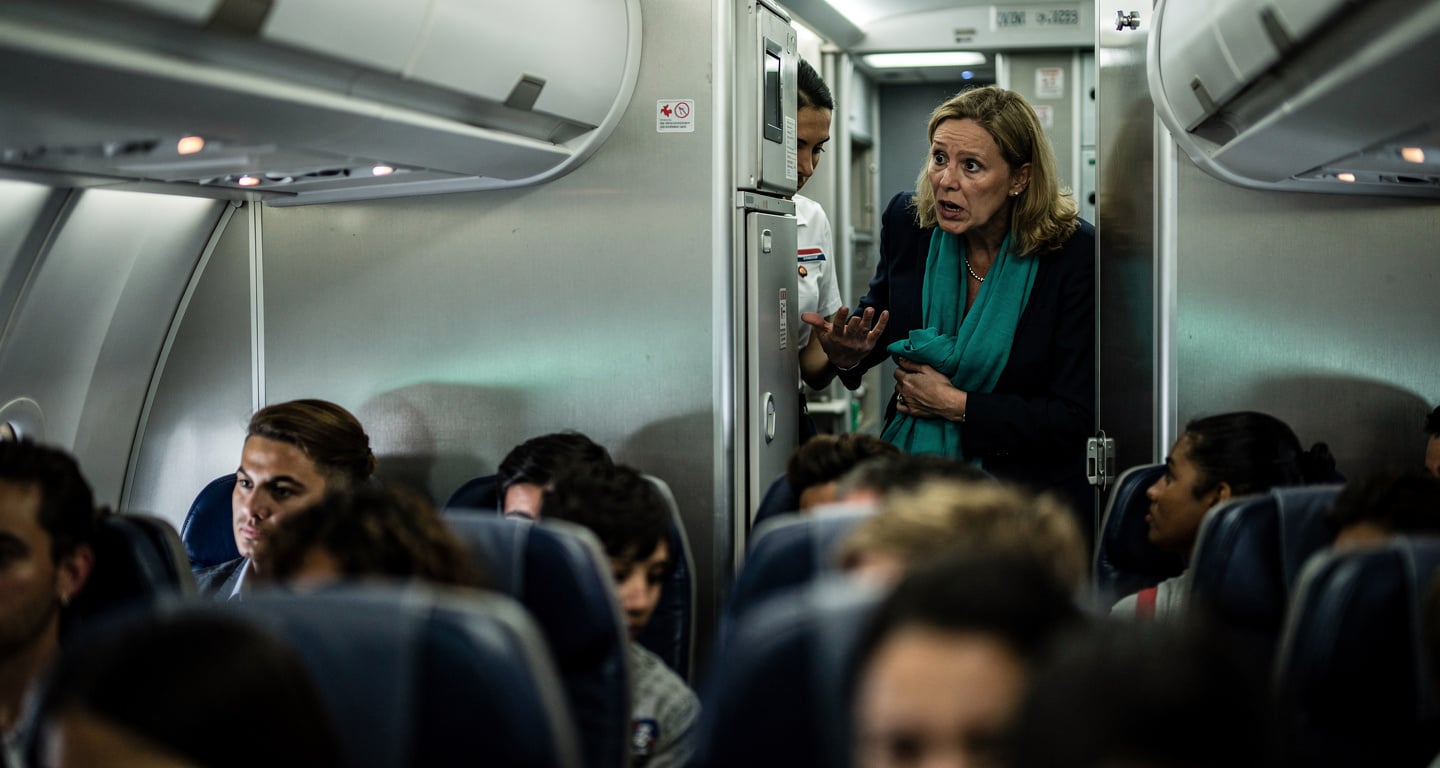
Passengers aboard AirAsia flight AK1516 endured an unimaginable final 40 minutes on August 19, 2026, as a fellow traveler’s medical distress turned into a cabin-wide biohazard event. The overnight service from Kota Kinabalu to Shanghai had been routine until a woman defecated in her seat, releasing an odor that woke sleeping passengers and lingered until touchdown because the aircraft’s air conditioning had been shut down for landing.
The incident, confirmed by AirAsia China on August 21, reveals the razor-thin margin between normal operations and a hygiene emergency at 35,000 feet. With lavatories nearby and still available, the passenger’s actions—and the resulting contamination of the aisle carpet and seat—left crew scrambling to contain the mess while preparing for arrival.
Flight AK1516 departed Kota Kinabalu around 10:30 p.m. local time and landed at Shanghai Pudong International Airport at approximately 3:00 a.m. The affected passenger was seated with two children and told others she felt unwell. Witnesses described a frantic dash toward a toilet holding a bag, then the unmistakable smell spreading rapidly through the economy cabin.
For the 180-plus passengers aboard the Airbus A320, the descent became a test of endurance. Cabin crew donned gloves and used towels to clean the immediate area, but the priority remained a safe landing. Only after the aircraft reached the gate and all passengers disembarked did ground teams conduct a thorough disinfection of the affected section.
The details
In a statement on August 21, AirAsia acknowledged an “unusual hygiene complication” in the aisle of flight AK1516 before landing. The carrier confirmed that cabin crew used towels and gloves to perform basic cleanup while prioritizing a safe arrival. The captain contacted the ground team to arrange subsequent cleaning, which occurred after all passengers disembarked. The crew operating the return flight was briefed on the incident and the cabin’s condition.
AirAsia China general manager Frank Tang Ting commended the crew’s professionalism and rapid response, reiterating that passenger safety and well-being remain the airline’s top priority. No injuries were reported, and the aircraft returned to service after the deep clean.
| Time/Phase | Event | Impact | Status |
|---|---|---|---|
| Aug 18, 10:30 p.m. | Flight AK1516 departs Kota Kinabalu | Routine overnight service | Normal |
| ~2:20 a.m. (Aug 19) | Descent preparation begins; air conditioning adjusted | Cabin ventilation reduced | Standard procedure |
| ~2:20–2:30 a.m. | Female passenger defecates in seat; odor spreads | Passengers awakened; aisle carpet and seat soiled | Biohazard event |
| During descent | Crew dons gloves, uses towels to clean area | Immediate containment; safe landing prioritized | Crew response |
| ~3:00 a.m. | Aircraft lands at Shanghai Pudong | Passengers disembark | Arrival |
| Post-arrival | Ground staff perform thorough cleaning and disinfection | Affected cabin section restored | Completed |
| Aug 21 | AirAsia issues public statement | Incident confirmed; crew praised | Closed |

Flight deals most people never see
Our AI monitors 150+ airlines for pricing anomalies that traditional search engines miss. Air Traveler Club members save $650 per trip per person on average: see how it works.
Each deal saves 40–80% vs. regular fares:

Why the sealed cabin amplified the crisis
The final phase of any flight introduces a unique vulnerability: as the aircraft configures for landing, cabin air conditioning is reduced or switched off, trapping whatever contaminants are present. On AK1516, this turned a localized hygiene problem into a cabin-wide ordeal. While AirAsia’s crew executed the standard playbook—gloves, towels, containment—the episode exposes the limits of current biohazard kits on commercial aircraft.
Air Traveler Club’s examination of a United 787 diversion caused by an electrical smell demonstrates that even a non-biological odor can force an emergency landing. Here, the biological hazard was contained without diverting, but the sealed cabin amplified discomfort for every passenger aboard.
What this incident means for cabin hygiene protocols
This incident underscores the vulnerability of cabin environments when ventilation is reduced for landing. While AirAsia’s crew followed standard procedures, the event raises questions about whether carriers should stock more robust biohazard kits beyond gloves and towels. Any regulatory review could lead to updated guidance on crew protective equipment and passenger containment during descent-phase medical events.
FAQ
What exactly happened on AirAsia flight AK1516?
A female passenger defecated in her seat approximately 40 minutes before landing at Shanghai Pudong on August 19, 2026. The odor spread through the cabin as air conditioning was off for descent. Crew cleaned the area with towels and gloves, and ground staff disinfected the aircraft after arrival.
Did the passenger face any consequences?
There is no public report of legal action or fines. Airlines rarely pursue passengers for medical-related hygiene incidents unless intentional disruption is evident. The passenger reportedly said she felt unwell, suggesting a medical rather than malicious cause.
Will affected passengers receive compensation?
Compensation is unlikely beyond an apology. AirAsia’s conditions of carriage typically exclude liability for force majeure events, including unforeseen passenger behavior. Any goodwill gesture would be voluntary and set a notable precedent.
Read more