Summary
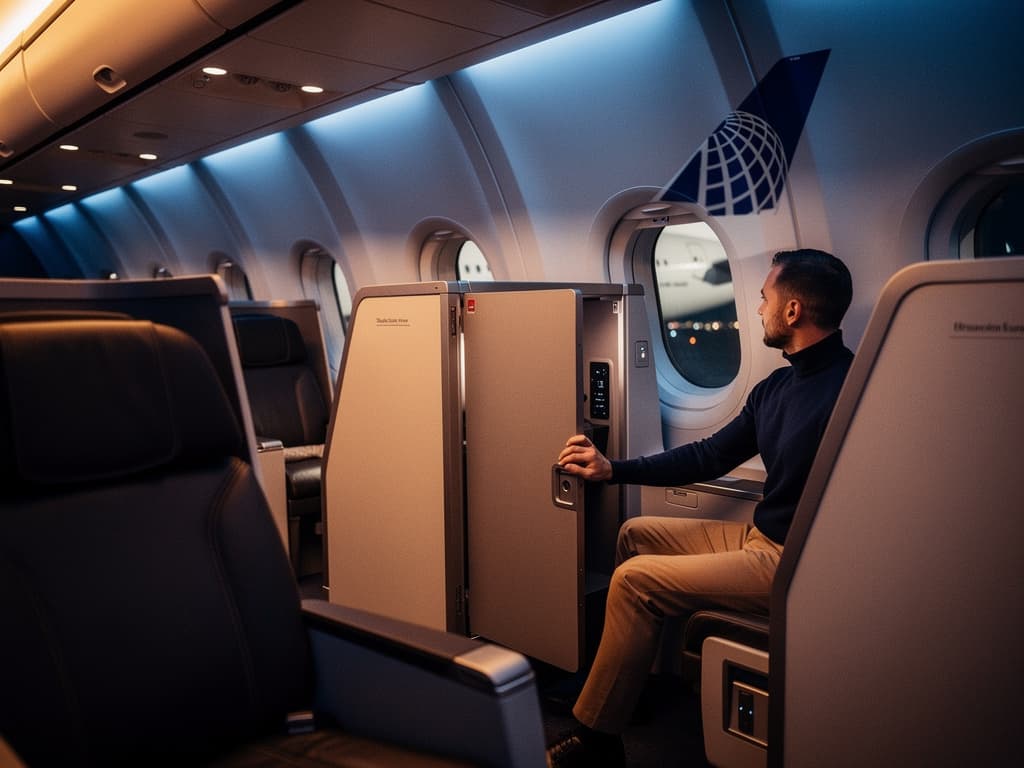
United will deploy its premium-heavy Boeing 787-9 with 99 premium seats on the Sydney–San Francisco route from December 2026, adding a second Australian gateway for the Elevated interior. Eight Polaris Studio suites anchor the cabin, each with a 27-inch 4K OLED screen, privacy door, and companion ottoman.
The seasonal service operates 2 December 2026 through late March 2027, aligning with peak Australian summer travel. MileagePlus award space on this corridor may tighten quickly once seat maps publish.
United Airlines is putting its most premium international aircraft onto the Sydney–San Francisco corridor for the Australian summer, a move that reshapes the competitive landscape for nonstop US West Coast flying. Flight UA829 begins San Francisco–Sydney on 2 December 2026, with the return UA830 operating from 4 December 2026 through 24 March 2027.
The aircraft carries 99 premium seats across a nose-to-tail redesign — the largest premium count of any United international jet. Eight Polaris Studio suites occupy the front row, while 56 standard Polaris seats and 35 Premium Plus recliners complete the elevated footprint.
For business-class flyers, the headline is the hard product: sliding doors, 27-inch 4K OLED screens in Studios, and a 25 percent larger footprint than standard Polaris. United plans 33 Elevated 787-9 aircraft by 2028, signalling a broader fleet rollout that could reach more transpacific routes.
The details
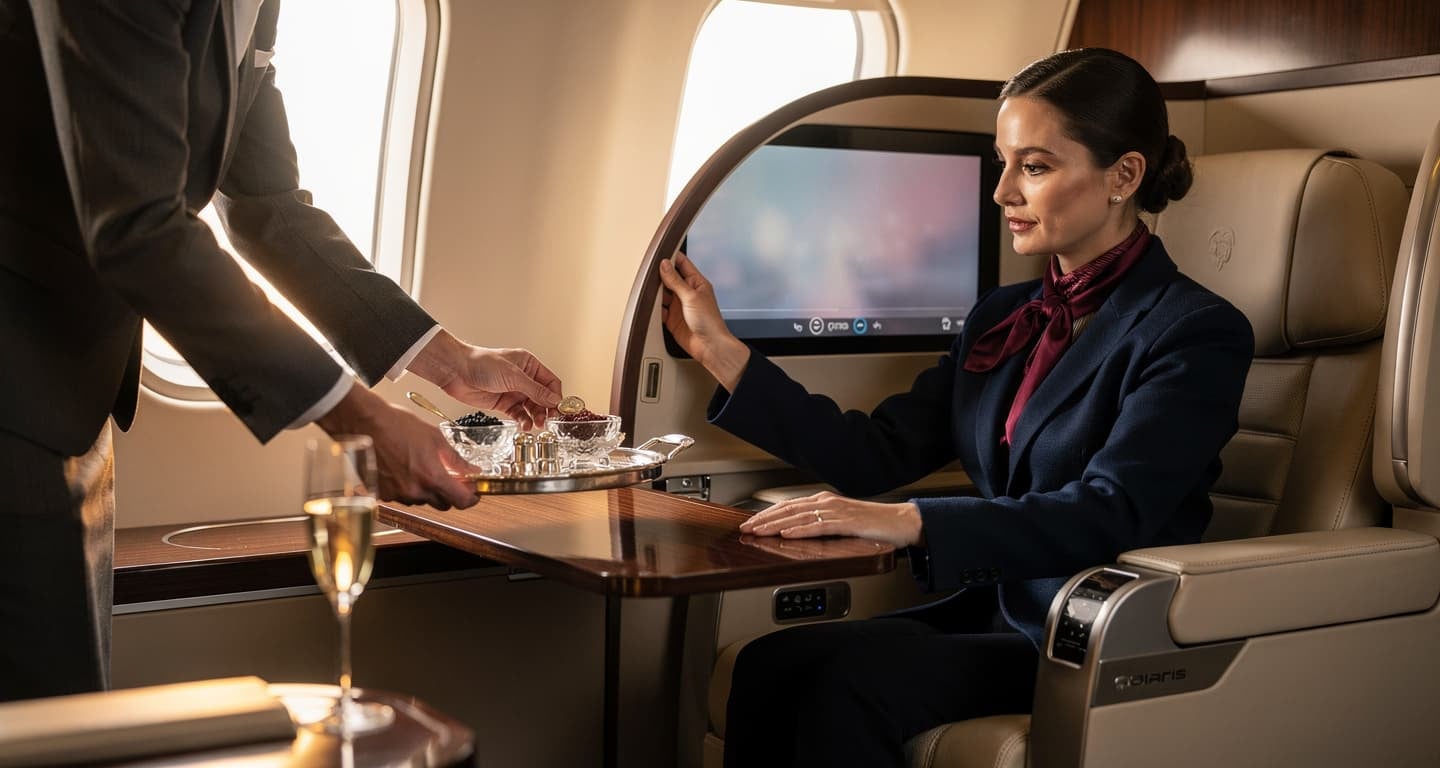
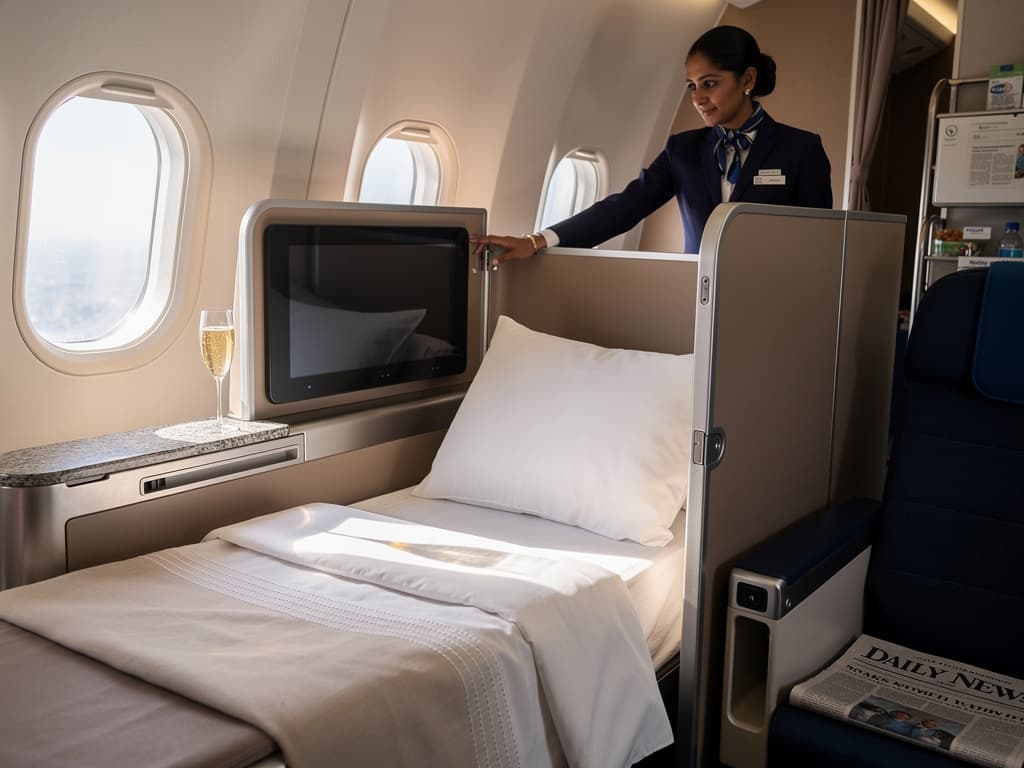
United confirmed the seasonal deployment through its schedule filings, with the Elevated 787-9 rotating onto Sydney–San Francisco from early December 2026. The aircraft’s cabin configuration — detailed in United’s official specifications — includes eight Polaris Studio suites, each with privacy doors, wireless charging, Bluetooth connectivity, and a 27-inch 4K OLED screen. Standard Polaris seats behind the Studio row get sliding doors and 19-inch 4K OLED screens. Premium Plus and economy receive 16-inch and 13-inch screens respectively.
| Cabin | Seat count | Key features | Screen size |
|---|---|---|---|
| Polaris Studio | 8 suites | Privacy doors, companion ottoman, wireless charging, Bluetooth, 25% larger than standard Polaris | 27-inch 4K OLED |
| Standard Polaris | 56 seats | Sliding doors, direct aisle access, lie-flat bed | 19-inch 4K OLED |
| Premium Plus | 35 seats | Recliner-style premium economy, extra legroom | 16-inch 4K OLED |
| Economy | 123 seats | Redesigned seats, Relax Row option | 13-inch 4K OLED |
That configuration makes the Elevated 787-9 the most premium-dense widebody in United’s international fleet.

Flight deals most people never see
Our AI monitors 150+ airlines for pricing anomalies that traditional search engines miss. Air Traveler Club members save $650 per trip per person on average: see how it works.
Each deal saves 40–80% vs. regular fares:

The value-add
This isn’t just a seat-map update. United is placing its highest-density premium cabin on a route where Qantas and Air New Zealand still sell conventional lie-flat business products without suite-style front-row positioning. The Polaris Studio’s 27-inch screen and companion ottoman give United a differentiated pitch for high-yield corporate contracts and premium leisure bookings during the Australian summer. That hardware advantage matters most when competitors rely on older cabins.
Air Traveler Club’s breakdown of the Polaris Studios launch tracks how the initial San Francisco–Singapore deployment handled Studio allocation. The same scarcity dynamics will likely apply on Sydney–San Francisco, where only eight Studios exist per flight.
The Studio’s companion ottoman is a genuine differentiator on this route.
How to position for Sydney–San Francisco award space
For anyone planning to fly this route in business class between December 2026 and March 2027, the window to secure preferred dates opens as soon as United publishes seat maps and award inventory.
- Set a seat alert now. Only eight Polaris Studio suites exist per flight, and elite members typically get first access to upgrade and award space.
- Compare United-operated space with Star Alliance partners. MileagePlus pricing is city-pair based, but partner programs may release different inventory at different rates.
- Watch for schedule confirmation in the weeks before December 2026. If the Elevated 787-9 rotates off the route, your seat assignment could change.
- Book refundable or flexible fares if your dates are firm. Seasonal schedule adjustments can shift equipment, and a flexible ticket protects against involuntary changes.
Watch for United’s winter 2026/27 seat map publication — expected by November 2026 — to confirm which flights actually show the Elevated cabin.
FAQ
Will the Elevated 787-9 operate on other Australia routes?
United has confirmed Houston–Sydney from 24 October 2026 as the first Australian route. Sydney–San Francisco becomes the second. Further Australia assignments may follow as the fleet grows to 33 aircraft by 2028.
How do I know if my Sydney–San Francisco flight is operated by the Elevated 787-9?
Check the seat map during booking. The Elevated cabin shows eight Polaris Studio suites in row 1 and 99 total premium seats. United’s schedule page will display the aircraft type before ticketing.
Can I use Star Alliance miles to book the Polaris Studio?
Yes, partner programs may book United-operated award space, but availability for the eight Studios is limited and often prioritized for United elites. Compare partner pricing against MileagePlus before transferring points.
Read more