Summary
International premium passenger numbers surged 12% in 2024 to roughly 116 million, driven largely by affluent leisure travelers—a structural change that is pushing airlines to reconfigure cabins and rethink business-class pricing. Direct aisle access for every seat has become the baseline expectation, and carriers are splitting traditional business-class perks into stripped-down fare tiers.
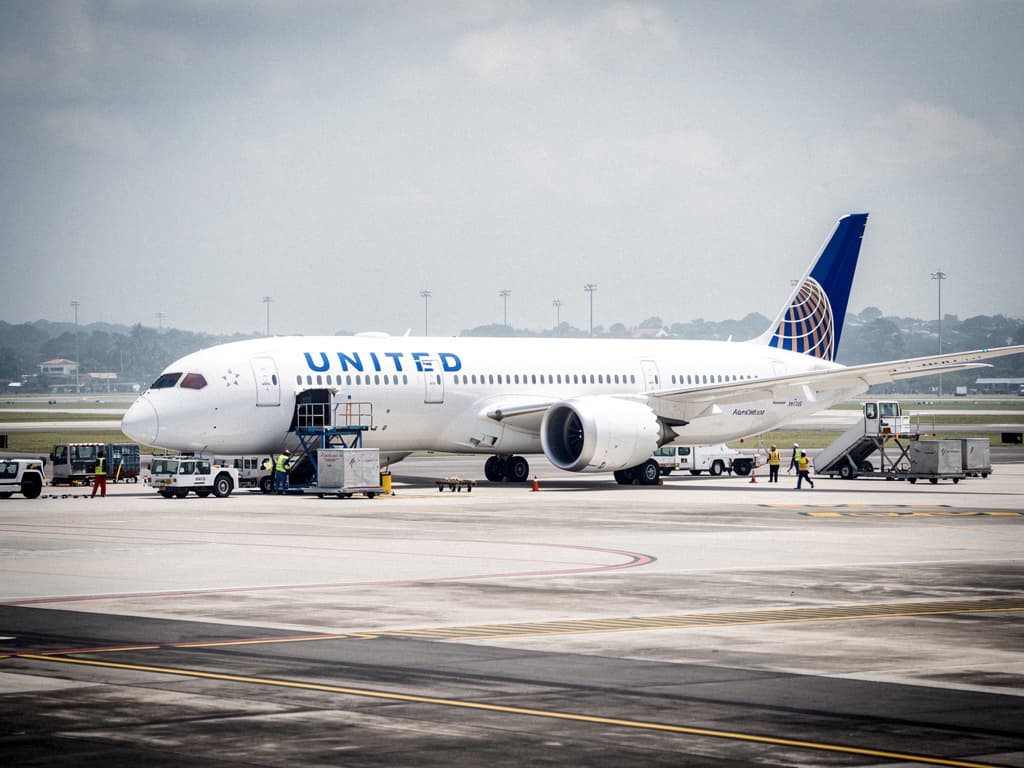
United Airlines’ new Coastliner A321neo fleet, with Polaris suites and dedicated lounge access on domestic routes, crystallizes this shift. The first aircraft enters service in summer 2026, and premium transcontinental cabins are already selling faster than standard domestic business inventory.
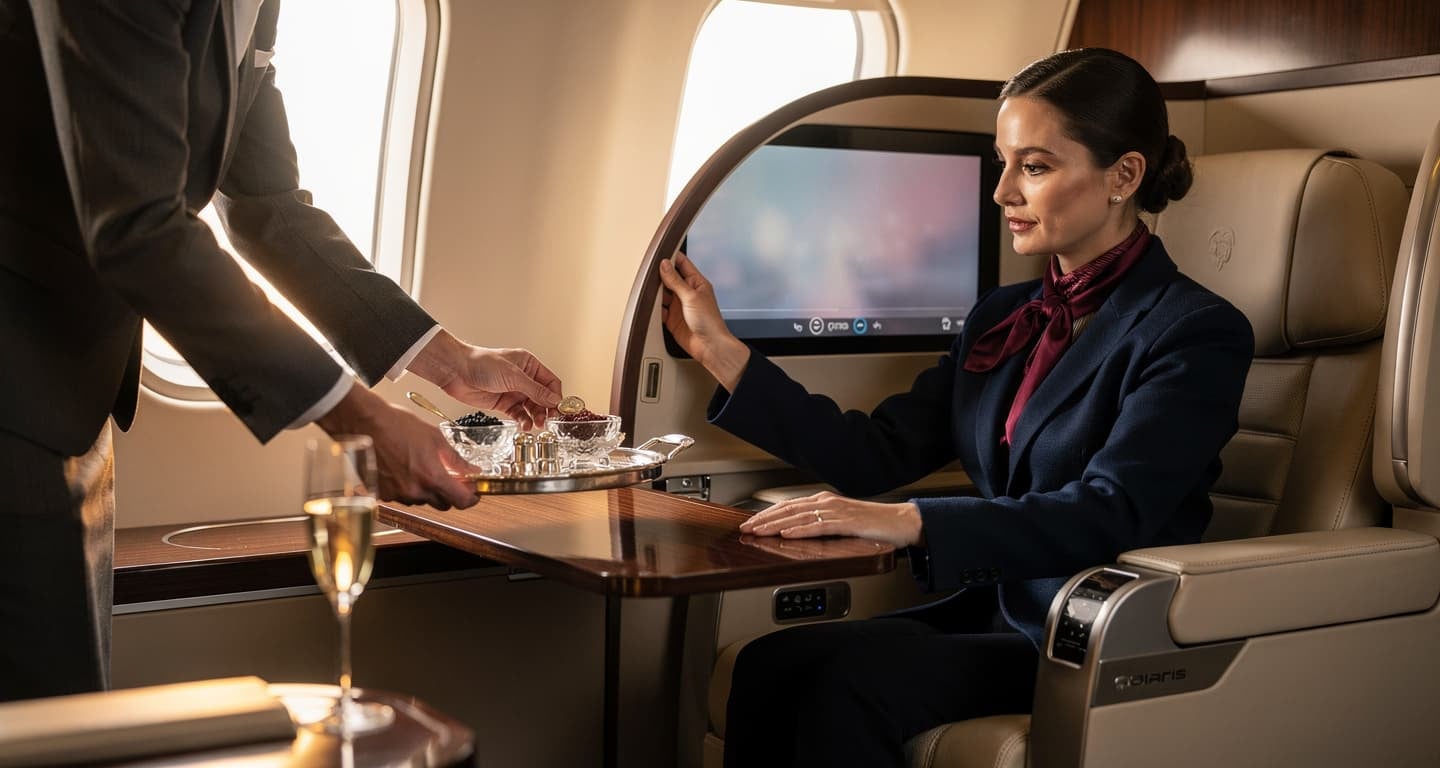
For decades, the front of the plane was built around the corporate traveler. Schedules, flexibility, and connectivity dictated cabin design. But post-pandemic demand has rewritten that playbook. Affluent leisure passengers now represent a dominant share of forward-cabin bookings, and airlines are racing to capture them with products that prioritize privacy, comfort, and a sense of occasion.
The 12% jump in international premium passengers last year—to approximately 116 million—is not a one-off snapback. It reflects durable demand from travelers willing to pay for a better experience, and carriers are responding by doubling down on premium growth because those seats generate significantly higher margins than economy.
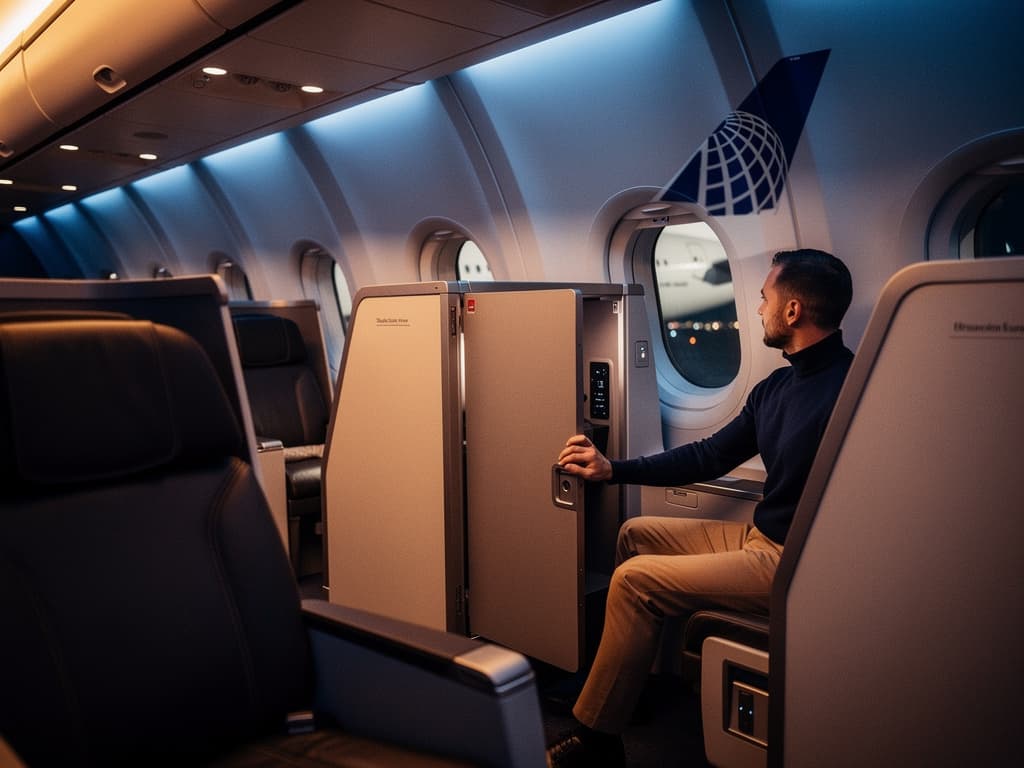
Nowhere is this change more visible than on transcontinental routes, where narrowbody aircraft are being transformed into long-haul-style premium products. The example drawing the industry’s attention is United’s planned Coastliner subfleet—a premium-heavy Airbus A321neo configuration that will bring 20 Polaris business-class seats and 12 Premium Plus seats to coast-to-coast flying. The first revenue flight is targeted for summer 2026, initially linking Newark with Los Angeles and San Francisco, with JFK service expected in 2027.
The details of the Coastliner shift
United expects 40 of its planned 50 Coastliner aircraft to be in service by April 2028, signaling a fleetwide commitment rather than a limited experiment. Each jet will carry 161 passengers, with the premium cabin occupying a much larger share of the floorplan than on the Boeing 757s they replace.
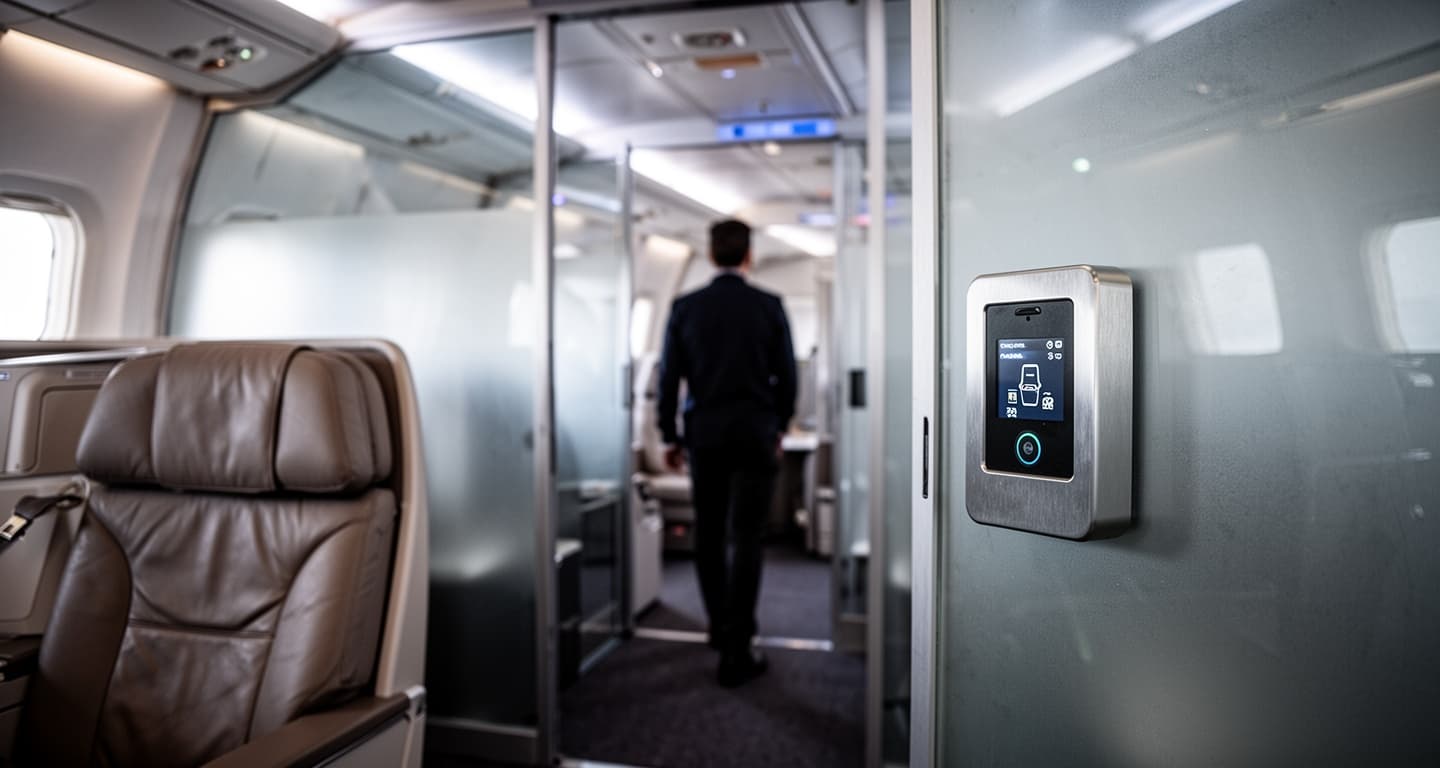
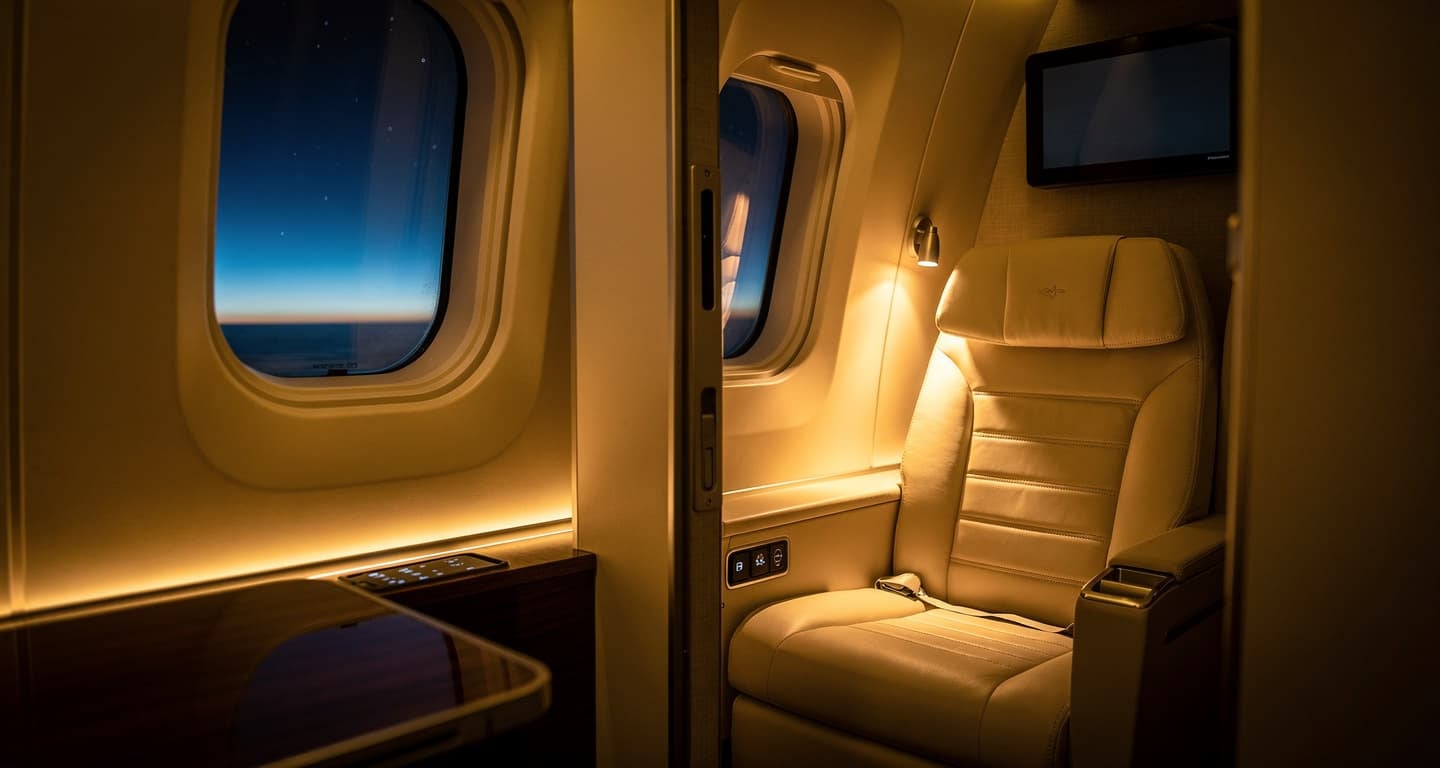
The configuration details reveal the new economics: the Polaris seats on Coastliner will feature direct aisle access and, according to the airline’s announcement, will grant Polaris Lounge access on domestic itineraries—a departure from United’s current practice of reserving lounge entry for international or premium transcontinental tickets. A walk-up snack bar for economy passengers further underscores the leisure-focused reimagining of the cabin.
The airline’s move is explicitly aimed at the market long dominated by Delta One and JetBlue Mint on premium transcontinental runs. By bringing Polaris branding and lounge privileges onto a narrowbody aircraft, United is closing the gap between single-aisle and widebody luxury.
| Airline / Product | Seat Type | Key Cabin Features | Lounge Access (Domestic) |
|---|---|---|---|
| United Coastliner (A321neo) | 20 Polaris suites with direct aisle access | Lie-flat seat with privacy door, 16-inch 4K entertainment screen, Premium Plus section | Polaris Lounge (confirmed) |
| Delta Delta One (A321neo transcon) | 16 suites with direct aisle access | Lie-flat seat with sliding privacy door, 18-inch IFE screen, Delta One–branded service | Delta Sky Club (for premium transcon tickets) |
| JetBlue Mint (A321LR) | 24 suites with direct aisle access | Lie-flat seat with sliding door (on newer Mint Studio variants), 17-inch IFE screen, larger studio option in first row | No dedicated lounge access |

Flight deals most people never see
Our AI monitors 150+ airlines for pricing anomalies that traditional search engines miss. Air Traveler Club members save $650 per trip per person on average: see how it works.
Each deal saves 40–80% vs. regular fares:

What the leisure-led premium buildout really means
The structural shift isn’t just about better seats. Airlines are simultaneously unbundling the business-class fare, stripping out lounge access, seat selection, and flexibility to create lower entry prices. United’s own experiment with stripped-down fares—and the network-wide drive toward more paid premium seats—means the traditional value proposition of a business-class ticket will increasingly depend on checking exactly what you’re buying.
Air Traveler Club’s analysis of United’s A321neo expansion shows how a doubling of premium seats per departure alters the dynamics for upgrades and award space. When more seats are sold for cash, the number left for mileage redemption or elite instruments shrinks, even as the hard product improves.
How to position for the Coastliner rollout and stripped-down pricing
The shift to premium-leisure-focused cabins and unbundled fare structures is accelerating, and the window for locking in full-fare value on new premium transcontinental flights is narrow. Here’s what that means for booking decisions now.
- Monitor United’s Newark–Los Angeles and Newark–San Francisco seat maps. Once Coastliner inventory loads, premium cabin awards and upgrades on these routes will face new demand patterns—early booking will matter more than on current 757-operated flights.
- Verify fare inclusions before purchase. Stripped-down business-class fares may look attractive on price but can omit lounge access and preferred seat selection, two things that Coastliner’s top-tier product explicitly includes. A few minutes checking fare rules can prevent an unpleasant surprise at the terminal.
- Leverage MileagePlus status and cardholder benefits. Elite members and premium co-brand cardholders may qualify for lounge access and seat fee waivers even on unbundled fares, making those fares disproportionately good value if you hold the right status.
- Compare against Delta One and Mint when booking transcon. With Polaris Lounge access on domestic tickets, Coastliner’s total value proposition shifts relative to competitors. Weigh the hard product, ground experience, and schedule on each specific travel date before committing.
Watch for United’s first Coastliner revenue flight—expected summer 2026—because if the premium-heavy config fills profitably from the start, it will validate the leisure-first cabin design and likely accelerate similar reconfigurations across the industry.
FAQ
When will United Coastliner flights become bookable?
United has not yet published the exact booking-open date, but given the first aircraft are due in summer 2026, we expect inventory to appear 3–4 months prior to the inaugural service. Newark–Los Angeles and Newark–San Francisco will be the initial routes.
Will I earn MileagePlus miles and elite-qualifying credit on Coastliner flights?
Yes. Coastliner flights are standard United-operated services, so all fare classes—including stripped-down business fares—will earn MileagePlus miles, Premier qualifying points, and lifetime miles according to the usual published earning rates.
Read more