Summary
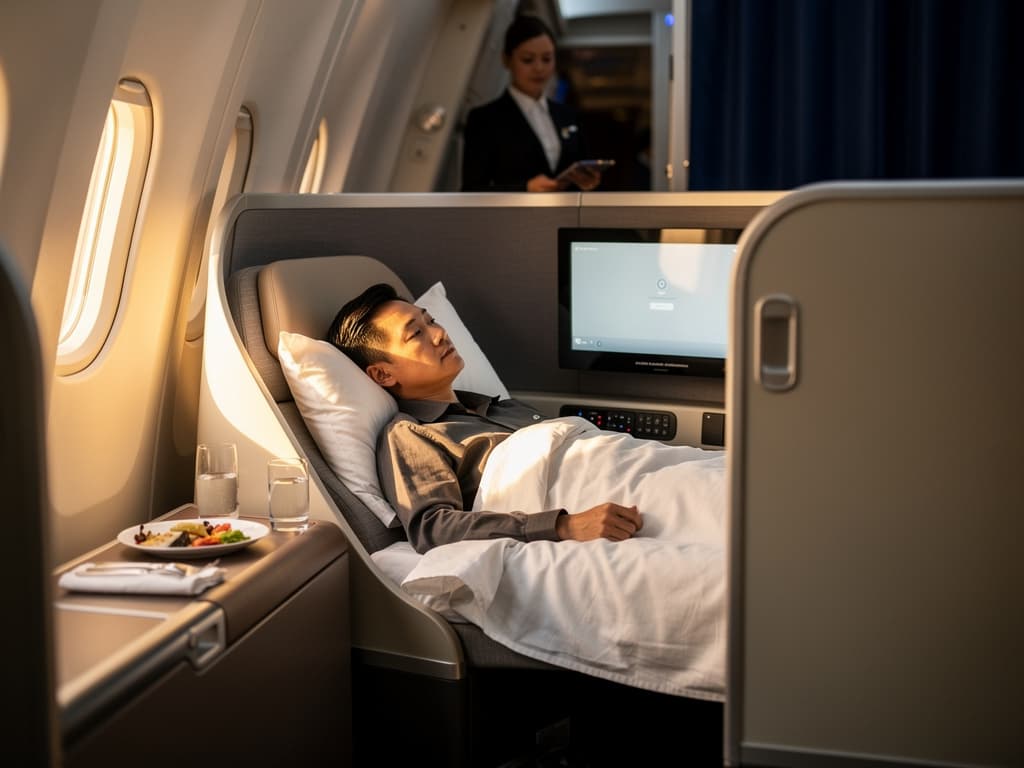
Qatar Airways’ acclaimed Qsuite business class feels materially different depending on whether it’s installed on an Airbus A350 or a Boeing 777-300ER. The A350’s composite fuselage delivers a cabin altitude of roughly 6,000 feet, LED mood lighting, exterior cameras, and HDMI connectivity, while the 777’s wider cabin provides a slightly roomier suite and aisle. For travelers prioritizing post-flight freshness and onboard tech, aircraft choice is as important as the destination.
The seat itself is identical across both fleets, but the platform differences can affect sleep quality, work productivity, and overall arrival condition. Qatar Airways’ own booking system warns that Qsuite may be unavailable after an aircraft swap, making the assigned equipment a critical check at ticketing.
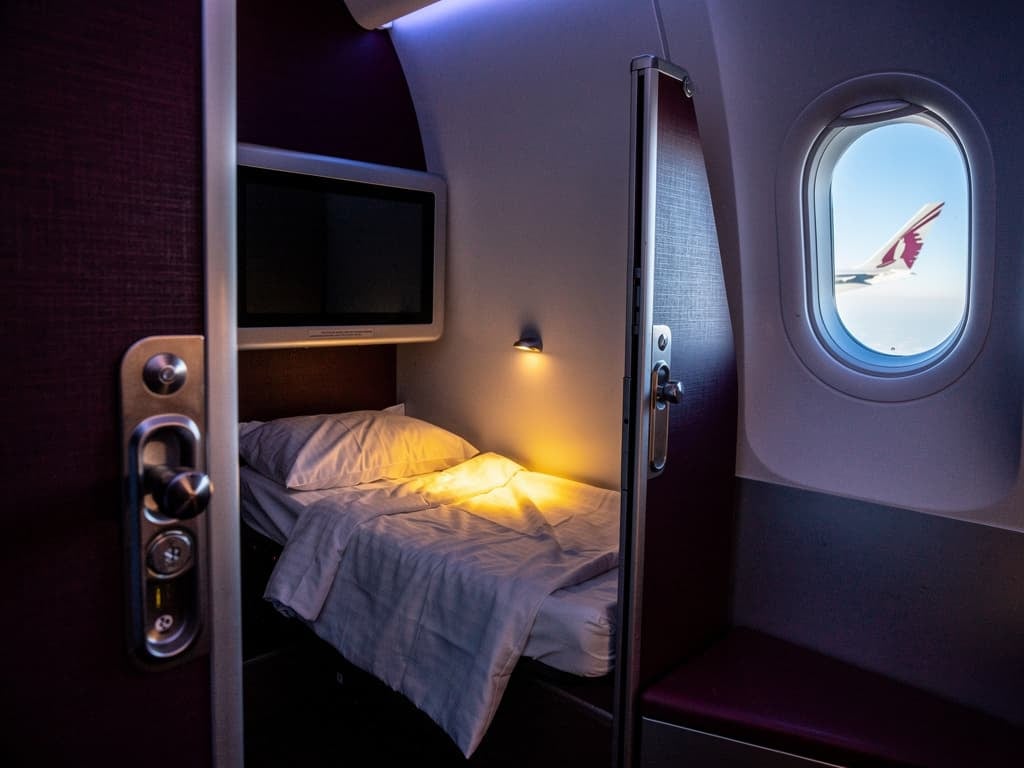
Qatar Airways’ Qsuite has been a benchmark in business-class travel since 2017, but not all Qsuite flights are created equal. The airline operates the enclosed-suite product across its Boeing 777-300ER and Airbus A350 fleets — two aircraft families separated by roughly two decades of design evolution. The result is a gap in cabin environment, noise, lighting, and onboard technology that can meaningfully alter the premium experience, even though the seat itself carries the same brand name.
The A350’s newer carbon-fiber-reinforced composite structure allows pressurization at a lower cabin altitude of around 6,000 feet, versus the 777’s typical 8,000 feet. That 2,000-foot difference, combined with higher humidity, often translates into less fatigue and better sleep on long-haul legs. Meanwhile, the A350’s LED mood lighting system — which transitions through sunrise, sunset, and nighttime tones — actively counteracts jet lag, a feature that the 777’s older lighting cannot match.
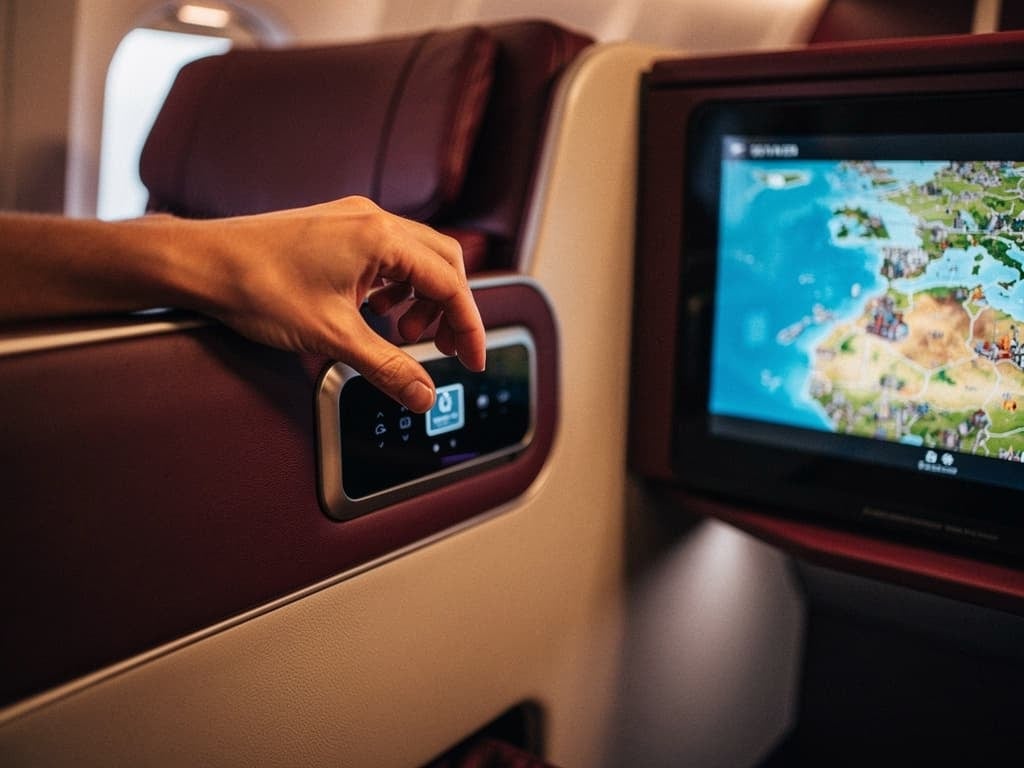
Technologically, the divide is stark. Airbus A350 Qsuite cabins include HDMI ports that let passengers turn the seatback screen into a second monitor, plus exterior cameras accessible through the entertainment system. The Boeing 777 lacks both. And while Starlink satellite connectivity is rolling out across both fleets — Qatar Airways now counts 150 Starlink-equipped widebody aircraft — the A350’s native noise reduction, courtesy of Rolls-Royce Trent XWB engines, makes the cabin noticeably quieter.
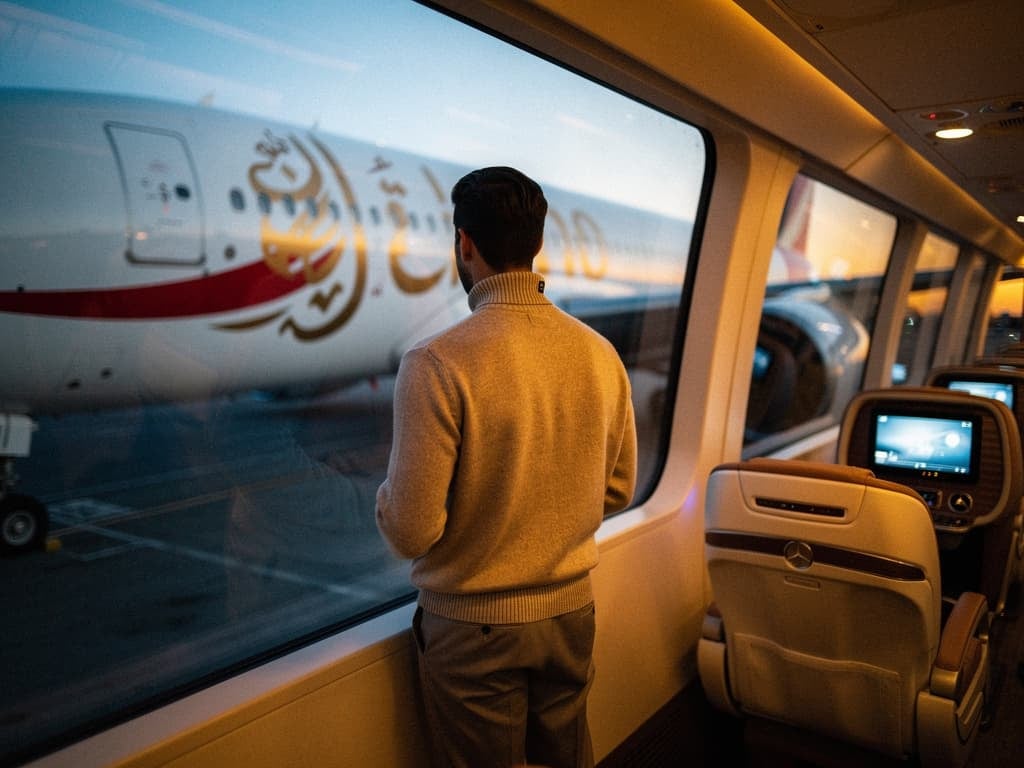
For summer 2026, Qatar’s A350s handle most of the carrier’s dozen US gateways. The 777-300ER, with an average fleet age of 13 years, remains scheduled on routes from Washington, DC, New York-JFK, and Seattle. Across the global network, the two types are more evenly mixed, making aircraft verification a practical step for any premium long-haul booking.
How the two aircraft platforms compare
Qatar Airways explicitly acknowledges that Qsuite is offered on select routes and may be unavailable after an aircraft change, a disclaimer that underscores why the booked aircraft type matters. The airline’s own Qsuite product page advises travelers to verify the seat map at the time of booking. With identical seat dimensions but different cabin environments, the choice between an A350 and a 777 is not just a matter of personal preference — it’s a quality-of-sleep and productivity decision.
| Feature | Airbus A350 | Boeing 777-300ER |
|---|---|---|
| Cabin altitude | ~6,000 feet | ~8,000 feet |
| Cabin width | Standard widebody | Approximately one foot wider |
| Lighting | LED mood lighting with jet-lag programs | Standard fluorescent-style lighting |
| Noise level | Noticeably quieter; Rolls-Royce Trent XWB engines | Quieter than older jets, but louder than A350 |
| Tech features | HDMI port, exterior cameras, Starlink | No HDMI, no cameras, Starlink being installed |
| Average fleet age | 7.4 years | 13 years |

Flight deals most people never see
Our AI monitors 150+ airlines for pricing anomalies that traditional search engines miss. Air Traveler Club members save $650 per trip per person on average: see how it works.
Each deal saves 40–80% vs. regular fares:

Why the airframe matters for premium travelers
The aircraft platform is not just an aviation curiosity; it directly affects the premium product’s consistency. Air Traveler Club’s analysis of eight major business-class upgrades shows that Qsuite remains a reference point for enclosed suites, but the experience can vary by fleet sub-type. When a traveler books a 15-hour flight expecting a quiet, low-altitude cabin with the latest tech, ending up on a 777 instead of an A350 can feel like a downgrade even though the seat itself is the same. Qatar’s own materials reflect this inconsistency: Qsuite is a “select route” product, not a fleet-wide standard.
The competitive landscape sharpens the focus. With Emirates and Singapore Airlines offering highly consistent premium cabins across their newest aircraft, any variance in Qsuite delivery — especially on ultra-long-haul routes — becomes a booking factor. The A350’s ability to leave passengers more rested is a tangible advantage, not just a marginal spec.
How to lock in the A350 Qsuite experience
The aircraft assigned to your flight can change the quality of your Qsuite experience, making it a booking-time variable worth managing. Here’s how to increase your chances of flying the A350 version.
- Check the seat map at booking. Qatar Airways’ website shows the aircraft type and seat layout before payment. If the seat map shows a 1-2-1 configuration with sliding doors but the aircraft type is a 777, you’re likely getting the older cabin. The A350 layout is visibly identical, but the seat map often includes an exterior camera icon.
- Use the fleet page to verify. Qatar’s fleet pages list aircraft types and seat maps by route, giving you a final check before ticketing. Cross-reference with the booking engine to confirm the exact equipment.
- Book routes with consistent A350 service. As of summer 2026, most US gateways except Washington, DC, New York-JFK, and Seattle see predominantly A350 Qsuite flights. Major European and Asian hubs often mix both types, so confirm the specific flight number.
- Factor in aircraft swaps. Qatar warns that operational changes can remove Qsuite altogether. Build in some flexibility: if you’re on a 777 and a same-day A350 flight is available, a same-day change might be worth the effort.
- Monitor Starlink status. Although Starlink is now widespread, its availability on your specific aircraft can vary. Check the connectivity page for the latest aircraft-by-aircraft rollout.
FAQ
Is the Qsuite seat exactly the same on the A350 and 777?
The seat dimensions, layout, and privacy features are identical. However, the 777’s wider cabin gives the suite a slightly more spacious feel, while the A350’s cabin environment — lower altitude, better lighting, and quieter ride — creates a distinct comfort advantage.
How can I tell which aircraft I’ll be on before booking?
Qatar Airways displays the aircraft type during the booking process. You can also cross-check the seat map on the airline’s fleet page. A note on the Qsuite product page warns that aircraft changes may affect availability, so the assigned aircraft at ticketing is your best indicator.
Does Starlink Wi-Fi change the Qsuite experience?
Starlink provides high-speed, gate-to-gate connectivity, which is now available on many A350 and 777 aircraft. It doesn’t alter the seat or cabin pressure, but it does make the onboard workspace more functional — especially on the A350, where the HDMI port can turn the screen into a second monitor.
Why does the A350 feel more restful than the 777?
The A350 is pressurized to a lower cabin altitude (about 6,000 feet vs. 8,000 feet) and maintains higher humidity, which reduces fatigue and dehydration. Its LED mood lighting also supports circadian rhythm adjustment, while the 777’s older lighting does not.
Read more