Summary
Qantas will introduce lie-flat business suites with sliding privacy doors on 16 Airbus A321XLRs from 2028, marking the carrier’s first flat-bed narrowbody product. A simultaneous refresh of the Boeing 787-9 Dreamliner business cabin adds a sliding door to the existing Thompson Aero VantageXL seat, but without increasing the 42-suite count.
The current fleet of seven domestic A321XLRs will retain recliners, and the existing 14 787-9s are not slated for a retrofit — so the new hard product will only appear on later deliveries. Travellers planning Qantas premium flights from 2028 must watch which routes receive suite-equipped aircraft, particularly for long-haul and transcontinental missions.
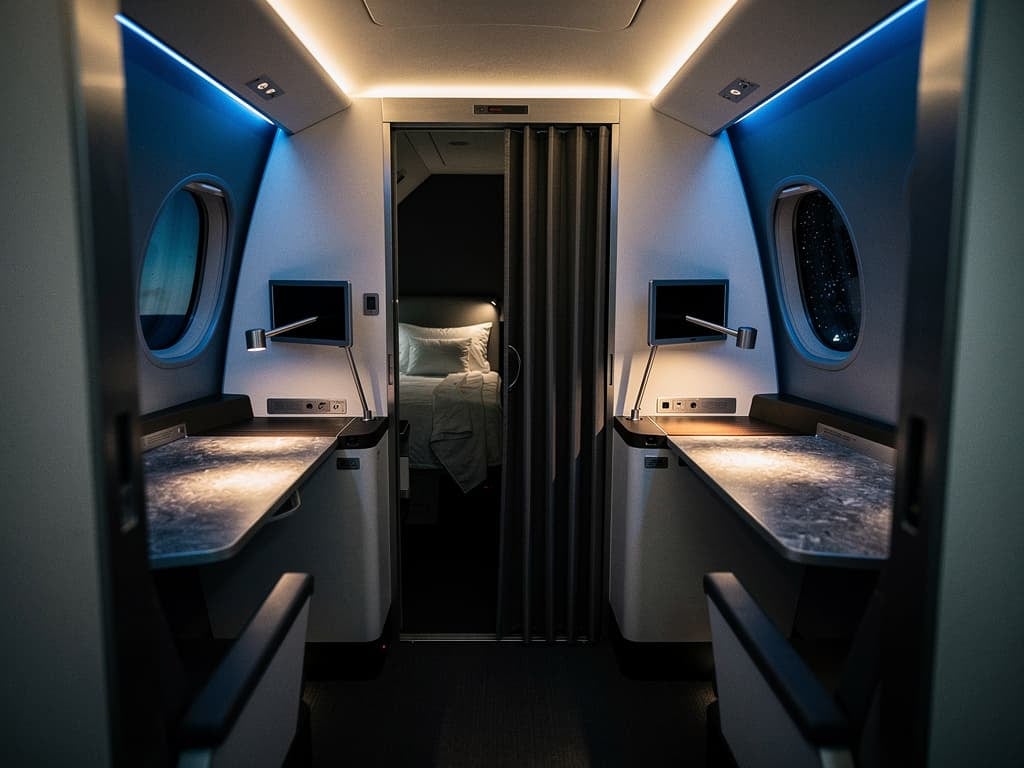
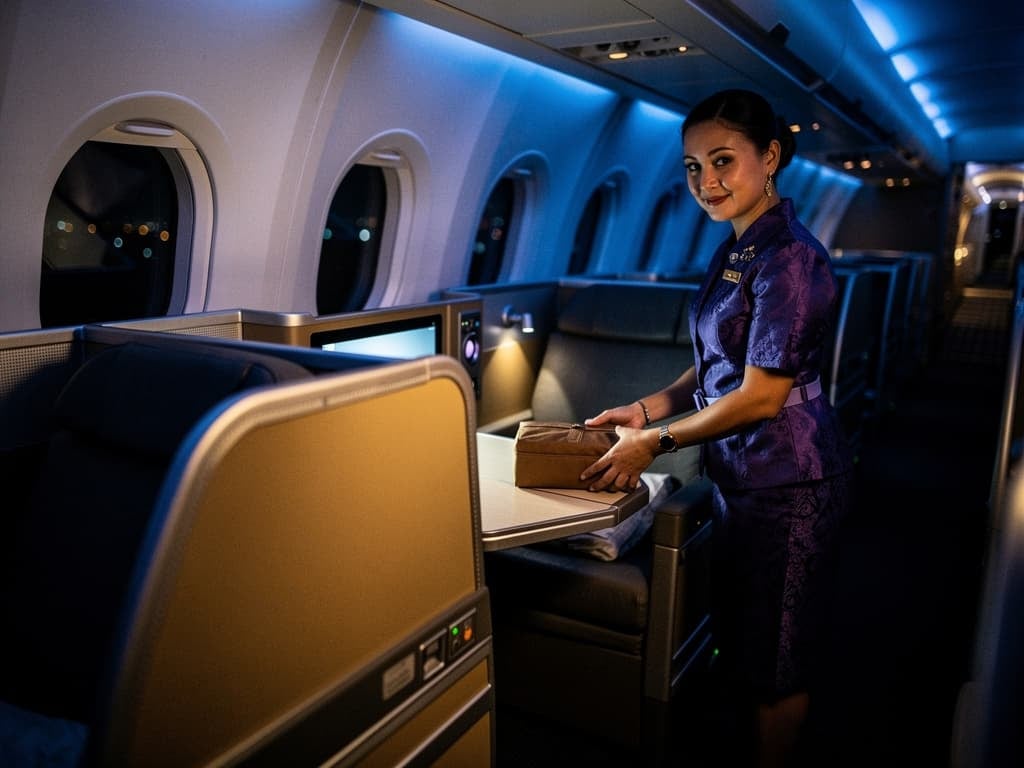
Qantas is reshaping its premium narrowbody future with a suite of business-class products that will split the A321XLR fleet into two distinct tiers. The airline confirmed that 16 additional A321XLRs due from 2028 will be delivered with a 1-1 herringbone layout, each seat featuring a lie-flat bed, a sliding privacy door, a 19-inch entertainment screen, wireless and USB-C charging, and free onboard Wi-Fi. The existing seven A321XLRs — currently deployed on domestic routes with 20 recliners in a 2-2 arrangement — will remain in that configuration, creating a clear product gap between early and late airframes.
The decision signals that Qantas intends to use at least some of its later A321XLRs on longer sectors where a flat bed becomes a competitive necessity. The aircraft’s manufacturer-stated range of 4,700 nautical miles puts numerous Asia-Pacific and transcontinental destinations within reach of a narrowbody, and the suite design positions Qantas to offer a widebody-style experience on single-aisle missions.
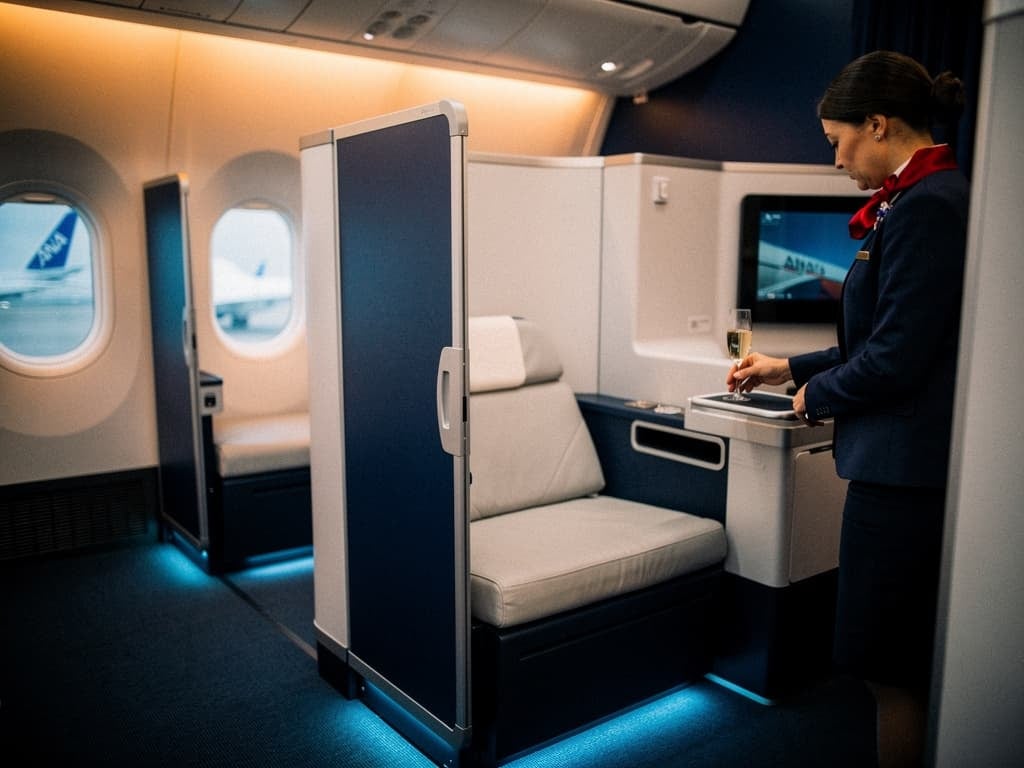
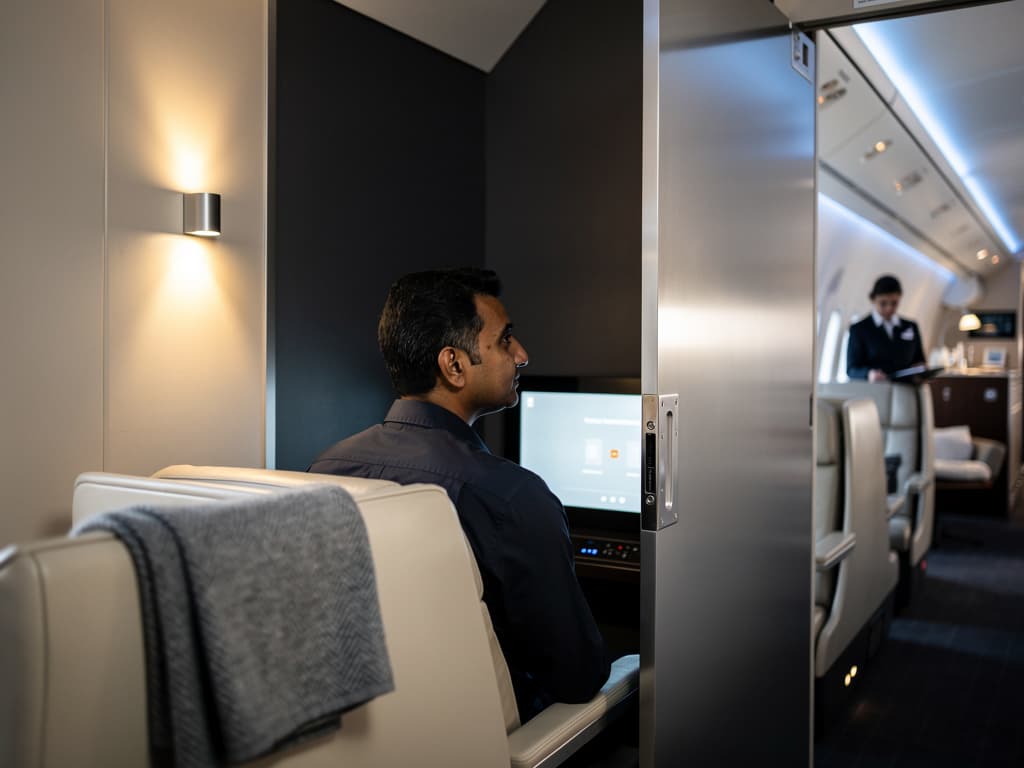
For the Boeing 787-9, the update is an evolution rather than a revolution. The Thompson Aero VantageXL seat — already familiar to Qantas passengers — will gain a sliding privacy door for the first time, along with a colour palette inspired by Western Australia’s Pilbara region. The cabin retains 42 suites in a 1-2-1 layout, with all seats facing fully forward and alternating window-aisle proximity. However, Qantas has no plans to retrofit its existing 787-9 fleet, meaning the new suite will appear only on newly delivered Dreamliners.
The new Airbus A321XLR suites are the more dramatic shift. Twenty lie-flat suites in a herringbone orientation — angled toward the aisle rather than the window — maximise cabin space while still giving every passenger direct aisle access and a sliding door. Qantas’s own fleet pages confirm that the lie-flat seats are part of the 16 additional aircraft arriving from 2028, and the product marks the first time the airline has put a true flat bed on a narrowbody.
The scope of the upgrade is limited to future deliveries. Early A321XLRs, which entered service in a domestic configuration, will remain as recliner-only aircraft. For the 787-9, the updated suite will be confined to new-build jets, and the airline’s commitment to keeping the same 42-seat count suggests it is avoiding a subfleet that would complicate operational swaps. That means business-class passengers on Qantas’s long-haul routes will face a product inconsistency well into the next decade.
What the new suites actually deliver
Qantas’s official business-cabin pages confirm the current A321XLR recliner offers a 37-inch pitch and 25-inch width, while the 787-9 already provides a fully flat bed stretching 80 inches with a 23–24-inch seat width. The next-generation suites add an enclosed feel, but the core dimensions for the 787-9 remain largely unchanged. The A321XLR suite, by contrast, transforms the entire narrowbody proposition from a domestic recliner to a lie-flat sleeper with a full privacy door.
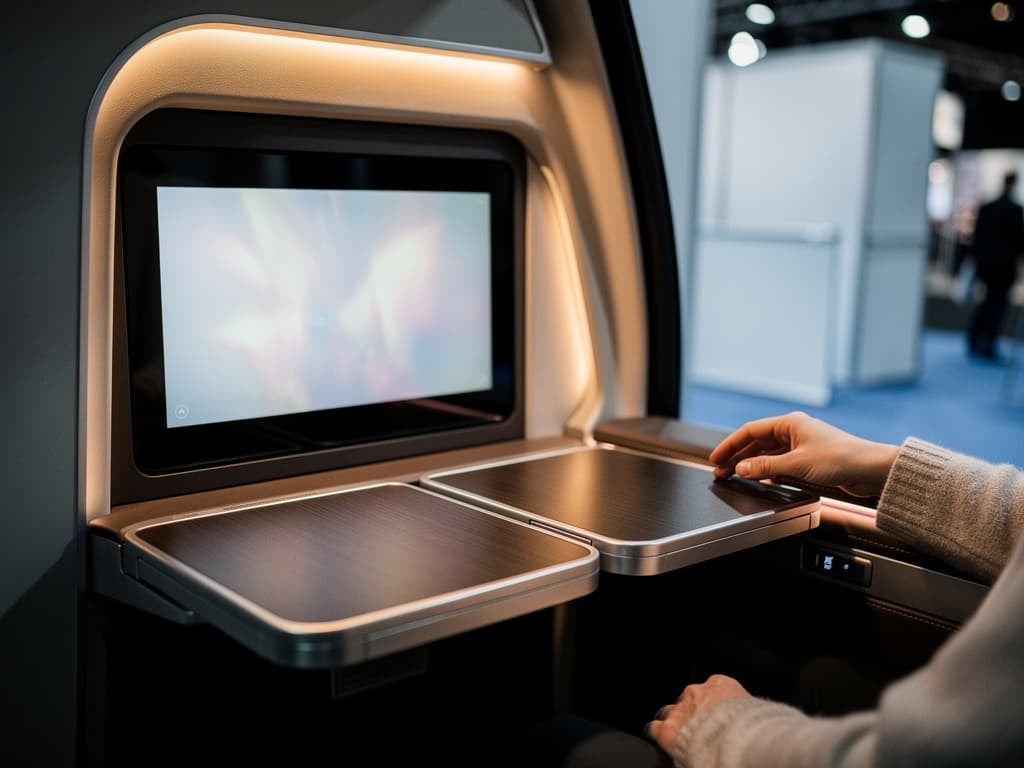
The airline’s fleet page details the new A321XLR lie-flat seats as part of the 16 additional aircraft arriving from 2028. The suite’s herringbone layout prioritises space efficiency, and Qantas has stated that the design makes the “most of the cabin space to give every customer a lie-flat bed and a sliding privacy door.” The inclusion of a 19-inch screen, wireless and USB-C charging, and free Wi-Fi aligns the narrowbody product with contemporary widebody expectations.
| Aircraft | Suite layout | Lie-flat bed | Privacy door | Key features | Introductory timing |
|---|---|---|---|---|---|
| A321XLR (current) | 2-2 recliners | No | No | 20 seats, 37″ pitch, 25″ width | In service |
| A321XLR (new) | 1-1 herringbone | Yes | Yes | 20 suites, 19″ IFE, wireless/USB-C, free Wi-Fi | From 2028 |
| 787-9 (current) | 1-2-1 forward-facing | Yes (80″ bed) | No | 42 suites, 23–24″ seat width, 16″ HD screen | In service |
| 787-9 (new) | 1-2-1 forward-facing | Yes (80″ bed) | Yes | 42 suites, updated finishes, sliding door | From 2028 |

Flight deals most people never see
Our AI monitors 150+ airlines for pricing anomalies that traditional search engines miss. Air Traveler Club members save $650 per trip per person on average: see how it works.
Each deal saves 40–80% vs. regular fares:

Why the narrowbody leap matters
Qantas’s A321XLR suite is not merely a catch-up move; it is a deliberate attempt to bring a true widebody-style business experience to a single-aisle aircraft, which could reshape the competitive dynamics on routes that don’t support a larger jet. Air Traveler Club’s analysis of the 2026 business class upgrade wave illustrates how the industry is racing toward fully enclosed suites, but the adaptation of a narrowbody into a lie-flat product with a door remains a standout. For Qantas loyalists, the tension is clear: the strongest hard product will be tied to specific airframes, and the airline’s decision not to retrofit existing aircraft means the older 787-9 and domestic A321XLR configurations will persist for years.
The A321XLR suite is the floor-level upgrade that makes long-haul narrowbody missions viable, while the 787-9 door simply closes a competitive gap. Both changes, however, hinge on fleet assignment — and Qantas has not yet disclosed which routes will receive the new aircraft. Travellers who book premium cabins on Qantas from 2028 will need to monitor aircraft type as closely as they monitor fare classes.
How to position for the suite-equipped aircraft
For premium travellers eyeing Qantas’s long-haul network from 2028, the new suites introduce a booking complexity that rewards forward planning. The key is not just which route you fly, but which specific aircraft operates it.
- Monitor route announcements closely. Qantas is expected to reveal which long-haul or transcontinental markets will receive the suite-fitted A321XLRs as the delivery window approaches. Early indications will likely surface through seat-map updates or fleet notes on the airline’s website.
- Check the aircraft type at booking. The current A321XLR will remain a recliner product for the foreseeable future, so a lie-flat experience on this aircraft type will only be available on the later deliveries. Use the seat map — a 1-1 herringbone layout is the telltale sign.
- Accept product inconsistency on the 787-9. Because Qantas won’t retrofit its existing Dreamliners, the door-equipped suite will be a lottery on 787-9 routes. If you’re booking far in advance, you may have a better chance of scoring a new-configuration aircraft, but last-minute swaps could still put you in the older cabin.
- Leverage elite status for upgrade flexibility. On routes where both old and new 787-9s operate, elite members in Qantas Frequent Flyer should request upgrades early, as the superior suite is likely to be in higher demand.
Watch for Qantas’s first 2028 delivery schedule and any accompanying route launch — if the airline confirms where the suite-fitted A321XLRs will fly, it will give premium travellers a clear target for bookings.
FAQ
Will Qantas retrofit existing A321XLRs with lie-flat suites?
No. Qantas has not announced any plans to retrofit the current fleet of seven A321XLRs, which will continue operating with domestic recliners. The lie-flat suites are reserved for the 16 additional aircraft due from 2028.
Which routes will the new A321XLR suites operate?
Qantas has not yet disclosed specific routes, but the suite-equipped aircraft are expected to serve longer international or transcontinental sectors where a lie-flat bed is competitive. Route announcements will likely accompany the delivery timeline.
Will the 787-9 sliding door suite be available on all Qantas 787-9 flights?
No. The new suite is only on newly delivered Dreamliners from 2028. Existing 787-9s will retain the current open-style seat, so the door-equipped product will be limited to a subset of the fleet.
Read more