Summary
The FAA is mandating recurring ultrasonic and visual inspections for fatigue cracks on 94 Boeing 787 Dreamliners, targeting the lower wing-body splice plates and associated fittings. The final airworthiness directive, effective October 1, 2026, covers 17 U.S.-registered aircraft and 77 globally, from a fleet of more than 1,100.
Boeing says the shim-gap issue that triggered the rule was corrected in production in 2019 and that affected aircraft can continue normal operations. The mandatory compliance window, however, will require airlines to schedule inspections, potentially shifting premium-cabin aircraft assignments on long-haul routes.
The FAA’s final airworthiness directive targeting wing-body splice plates on the Boeing 787 Dreamliner crystallizes a multi-year regulatory response to manufacturing tolerance gaps that first surfaced in 2019. The rule, which takes effect October 1, 2026, mandates recurring ultrasonic and detailed visual inspections of lower side splice plates, spar fittings, and lower chords for 94 aircraft — 17 registered in the United States and 77 operating elsewhere. The scrutiny comes as the 787 remains the backbone of long-haul premium cabins, with a global fleet exceeding 1,100 aircraft.
Boeing identified the shim-gap condition during a 2019 investigation and says it corrected the outdated measurement process that produced gaps beyond engineering specifications. The manufacturer updated its guidance for operators in August 2025 and supports the FAA’s move to make inspections mandatory. The FAA’s safety case links excessive shim gaps and high assembly forces to potential fatigue cracks at fastener holes, which could grow under repeated load cycles if left undetected.
The directive does not ground any aircraft.
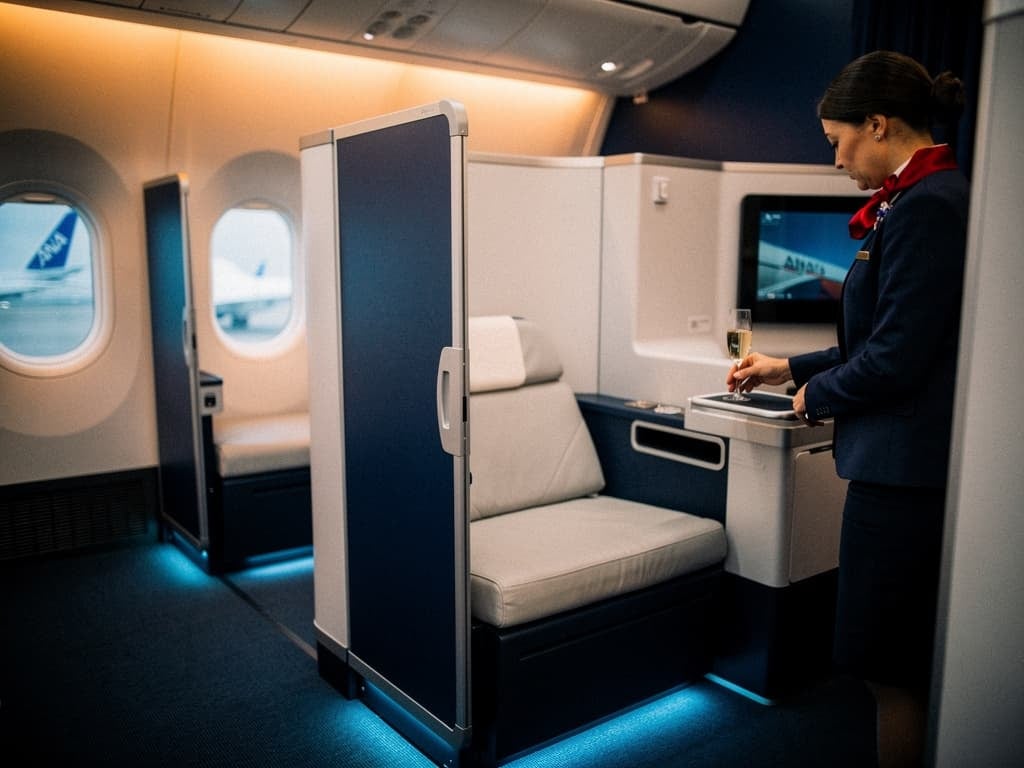
Instead, it compels airlines to integrate inspections into maintenance schedules, potentially affecting aircraft availability on long-haul routes flown by the Boeing 787-8, 787-9, and 787-10. For premium travelers, the key impact may be a reshuffling of equipment assignments as airlines front-load compliance checks ahead of the October 1 effective date.
The details
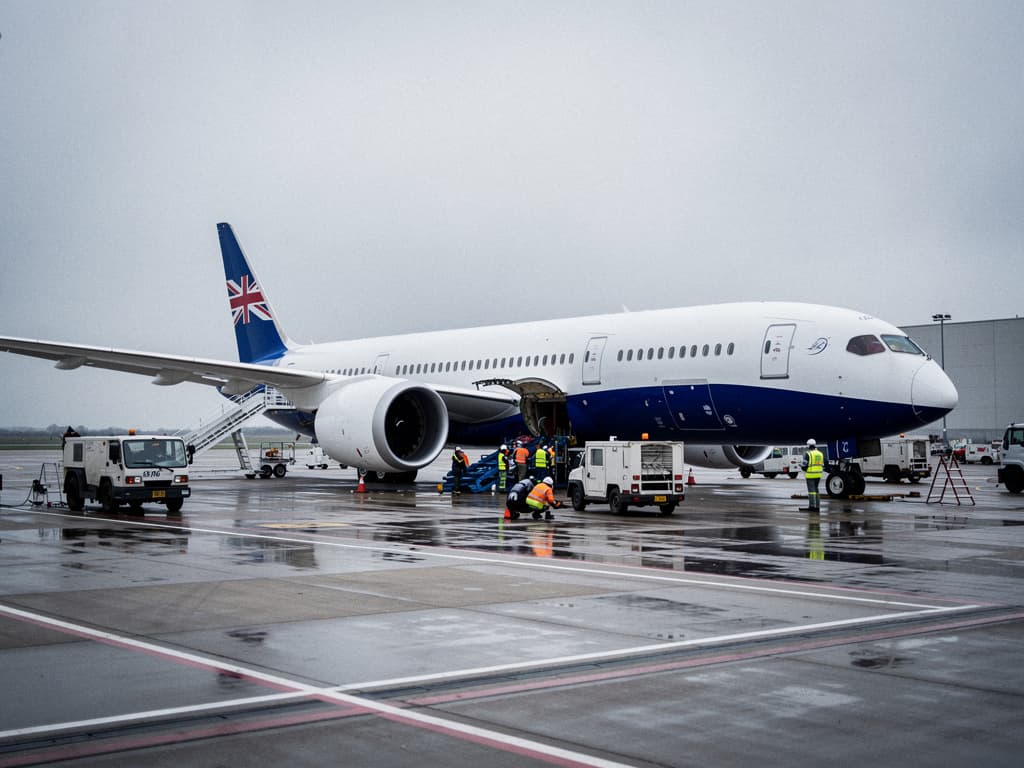
The FAA’s final airworthiness directive specifies that operators must perform recurring inspections of the lower side of body splice plates adjacent to the wing skins, as well as splice plates, spar fittings, and lower chords. The required methods are detailed visual and ultrasonic checks, which the agency says will detect cracks before they can compromise structural integrity. The rule covers 94 aircraft, a fraction of the global 1,100-strong fleet, but the mandatory nature means airlines must schedule the inspections and any corrective actions on a recurring basis, in line with the AD’s compliance times. This final rule converts earlier manufacturer guidance into a legal obligation.
| Date | Event | Impact | Status |
|---|---|---|---|
| 2019 | Boeing discovers shim gaps beyond engineering specs during investigation | Led to production process correction and voluntary guidance | Corrected |
| August 2025 | Boeing updates operator guidance on shim-gap inspections | Airlines began voluntary inspections | Completed |
| March 2026 | FAA publishes proposed airworthiness directive | Public comment period; signaled mandatory rule | Proposed |
| October 1, 2026 | Final directive takes effect; recurring inspections become mandatory | Airlines must incorporate inspections into maintenance programs | Upcoming |

Flight deals most people never see
Our AI monitors 150+ airlines for pricing anomalies that traditional search engines miss. Air Traveler Club members save $650 per trip per person on average: see how it works.
Each deal saves 40–80% vs. regular fares:

What the 787’s structural scrutiny means for premium cabin reliability
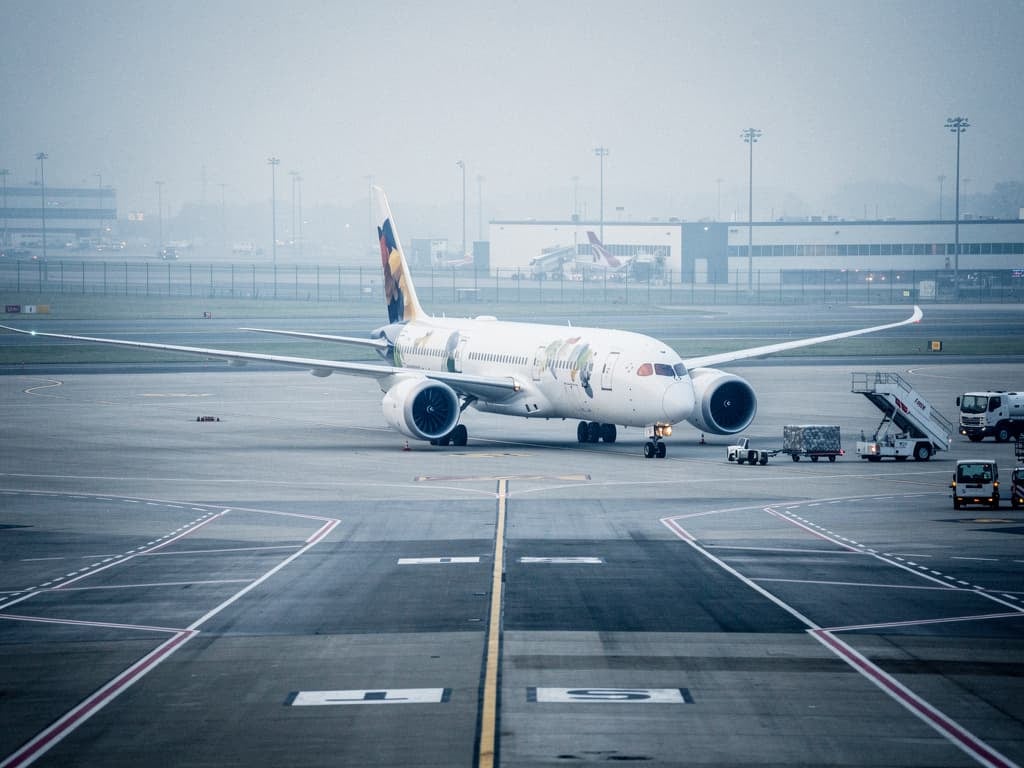
The Boeing 787 is a workhorse of long-haul business and premium leisure travel, and any directive that adds maintenance burden can ripple through aircraft scheduling. While the current rule does not require grounding, the recurring nature of the inspections means airlines will need to plan for ongoing checks, potentially affecting aircraft availability on intercontinental routes. The 787’s competitive advantages — fuel efficiency, range, and cabin comfort — have made it a staple, but the cumulative weight of structural directives is beginning to reshape its reliability narrative.
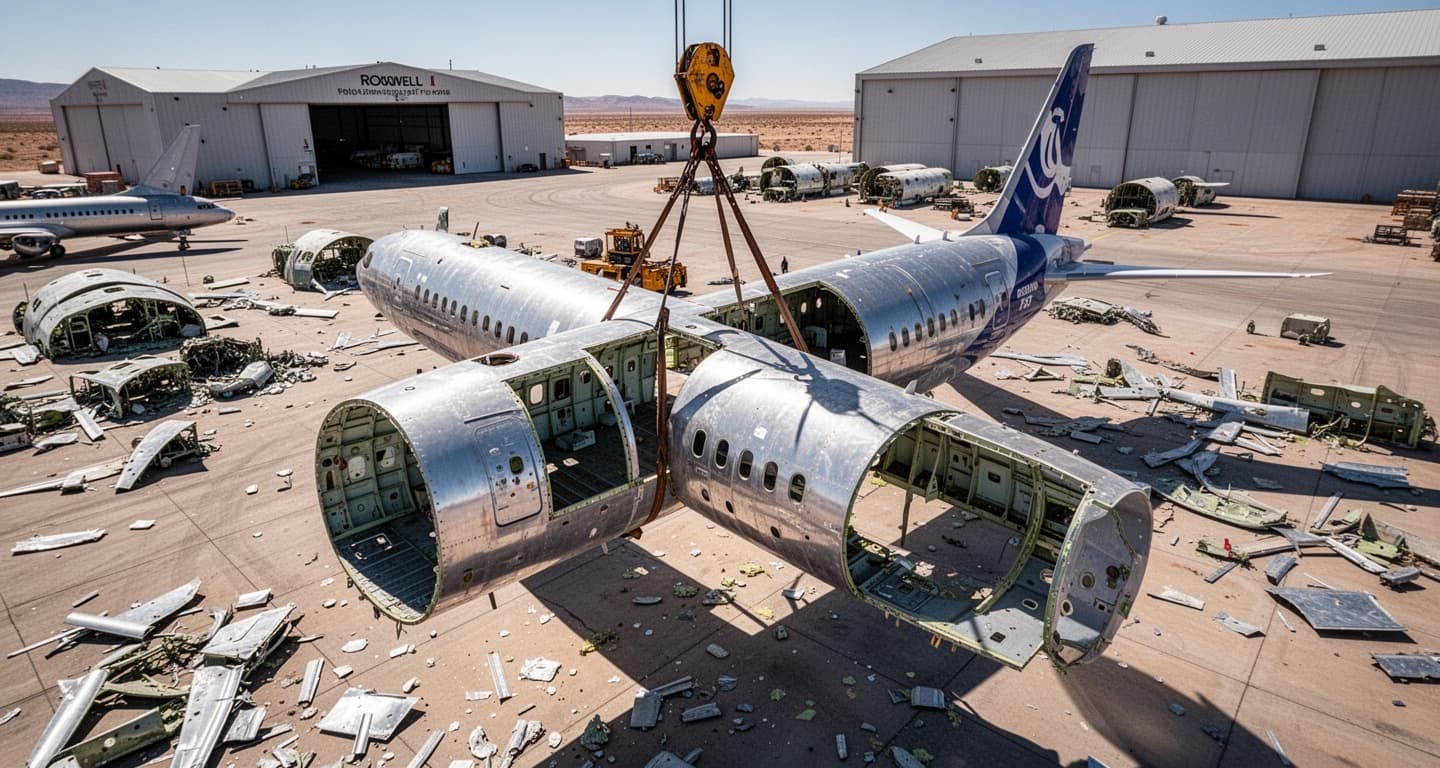
Air Traveler Club’s recent examination of a 787-8 teardown highlighted how early production units carry structural quirks that make them prime parts donors, a dynamic that runs parallel to the FAA’s ongoing oversight of shim-gap and fatigue-risk issues. Rival widebodies like the Airbus A350 and A330neo may gain a perception edge if the 787’s compliance story continues to expand.
What the October 1 deadline means for 787 travelers
For travelers with 787 bookings in early October, checking your airline’s seat map and manage-booking page for any aircraft changes is a prudent step, as some carriers may adjust rotations to accommodate inspection schedules. The directive does not require immediate grounding, but last-minute equipment swaps could affect premium cabin seat assignments, particularly on routes where the 787 is the sole widebody type. Confirm your carrier’s rebooking and refund rules if you hold an award ticket or paid upgrade, and watch for maintenance bulletins as the compliance date approaches.
FAQ
Does this airworthiness directive affect all Boeing 787s?
No. Only the 94 specific aircraft identified by the FAA based on the shim-gap condition are covered. The directive does not apply to the entire global fleet of more than 1,100 787s.
Will the inspections cause flight cancellations?
The FAA does not require grounding. Airlines can schedule inspections during routine maintenance, but if cracks are found, the aircraft may need repairs and could be temporarily out of service. Widespread cancellations are unlikely.
How can I check if my flight is on an affected aircraft?
The FAA does not publish a public list of affected registrations. Airlines are required to comply, but travelers can monitor their booking for any equipment changes and contact the airline directly for information on their specific aircraft.
Read more