Summary
European aviation authorities have ordered emergency wing-spar inspections on 16 specific Airbus A380s after crack findings from earlier checks raised concerns about the wing’s structural load-bearing capacity. Five Emirates jets must be inspected before their next flight; the remaining aircraft have a 25-flight-cycle compliance window.
The directive does not ground the wider A380 fleet, but passengers on affected Emirates and Qantas long-haul services could face last-minute aircraft substitutions. The five pre-flight mandates create immediate operational pressure on Emirates’ largest network.
The European Union Aviation Safety Agency (EASA) issued emergency airworthiness directive 2026-0119-E in June, narrowing its focus to a short list of superjumbos after reviewing data generated by an earlier inspection mandate. The trigger was not a midair event—it was the steady accumulation of wing-spar crack evidence in the agency’s own compliance records.
The cracks were found in the wing mid-spar, the primary load-bearing beam that runs along the length of the wing. When a structure of that size shows cracking, regulators move carefully. EASA’s language was precise: the cracks “could reduce the structural integrity of the wing” on certain aeroplanes, not on every A380. The response mirrored that precision—an airframe-by-airframe order, not a fleet-wide grounding.
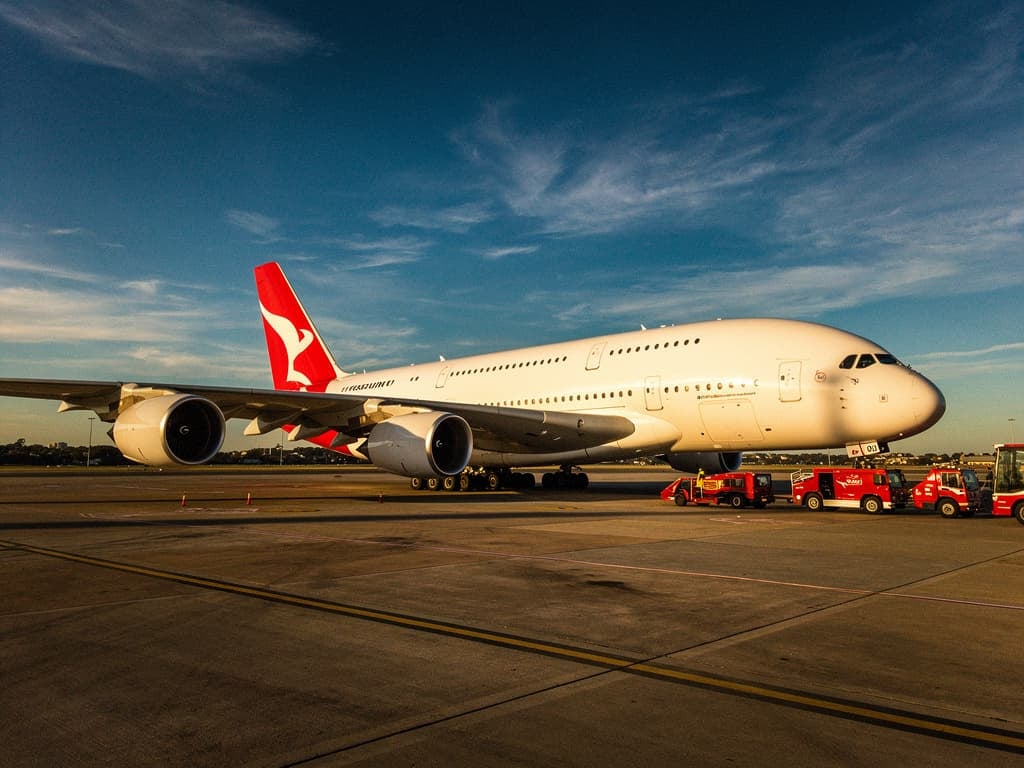
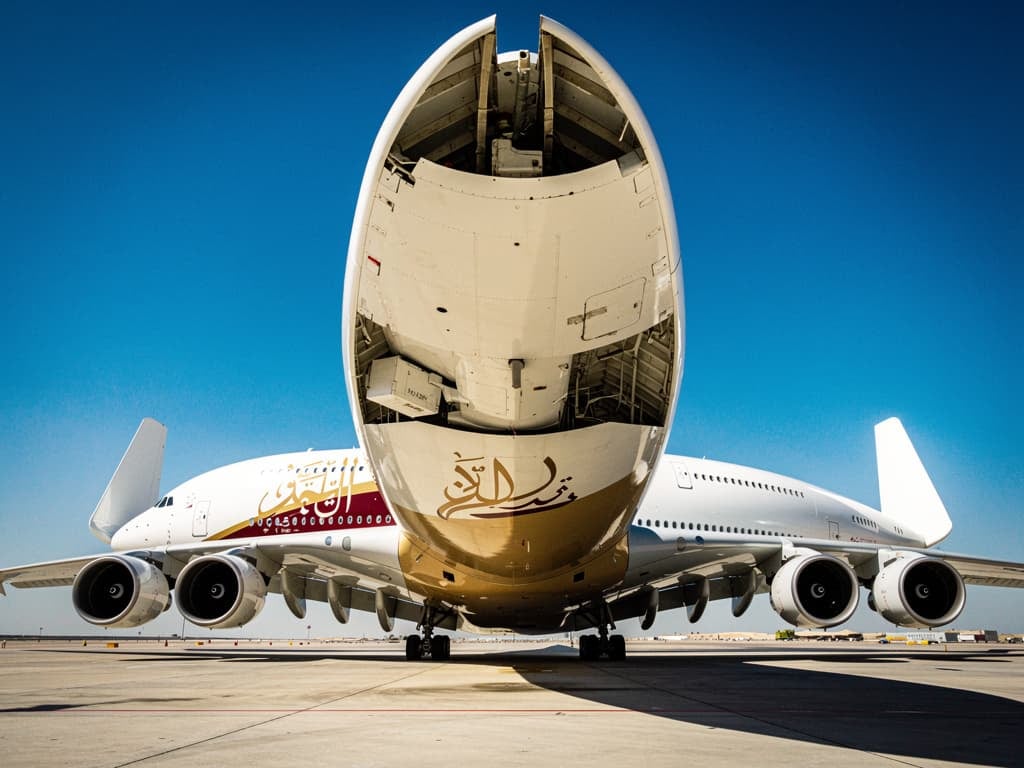
All 16 affected aircraft belong to two carriers. Emirates operates 15 of the jets, reflecting its position as the world’s largest A380 operator with around 116 of the type. Qantas confirmed that its single affected jet was already in scheduled maintenance when the directive landed, simplifying its compliance path.
The regulator’s triage divided the list. Five Emirates airframes—identified by manufacturer serial numbers MSN 190, 202, 203, 209, and 228—must be inspected before they fly again. The other 11 aircraft can complete the check within 25 additional takeoff-and-landing cycles. Ferry flights without passengers were authorized to reposition the five grounded jets for maintenance. Operators have seven days from the inspection to report results to Airbus.
How the directive came together
The June 2026 action was a follow-up, not a first strike. In December 2025, EASA had already ordered mid-spar checks on A380s returning from prolonged storage. Those inspections generated the data that led Airbus to determine additional detailed inspections were needed. The pattern mattered: it meant the regulator was not reacting to a sudden incident but was managing a known monitoring thread.
The directive itself explicitly states that “the cracks found on certain aeroplanes could reduce the structural integrity of the wing.” EASA’s safety publications page lists the effective date as 24 June 2026, while the UK Civil Aviation Authority’s register mirrors the same 22 June version date.
| Date | Event | Impact | Status |
|---|---|---|---|
| December 2025 | EASA directive 2025-0280 orders mid-spar checks on A380s returning from storage | Generates crack data that triggers follow-up scrutiny | Completed |
| 22 June 2026 | EASA issues emergency AD 2026-0119-E | Mandates inspections on 16 specific A380s | Issued |
| 24 June 2026 | AD becomes effective | Compliance clock starts for all 16 aircraft | Active |
| Before next flight | 5 Emirates A380s (MSN 190, 202, 203, 209, 228) inspected | Potential short-notice equipment swaps on affected routes | Immediate priority |
| Within 25 flight cycles | Remaining 11 aircraft inspected | Qantas’ single affected jet already in scheduled maintenance | Compliance ongoing |
| Within 7 days of inspection | Operators report results to Airbus | Triggers potential broader regulatory action if additional cracks are found | Pending |

Flight deals most people never see
Our AI monitors 150+ airlines for pricing anomalies that traditional search engines miss. Air Traveler Club members save $650 per trip per person on average: see how it works.
Each deal saves 40–80% vs. regular fares:

What this means for premium-cabin travel
For travelers who seek out the Airbus A380 precisely for its flagship first and business-class products, the inspection campaign creates a narrow but real disruption risk. The five pre-flight-inspection jets sit inside Emirates’ dense network, and a last-minute tail swap is the most likely outcome. When that happens, the replacement aircraft may carry a different premium seat count, potentially altering award availability and on-board experience even on the same route.
While this inspection program focuses on airframe integrity, Emirates’ broader A380 fleet planning can shift quickly during maintenance cycles. Air Traveler Club’s analysis of the carrier’s 615-seat high-density A380 deployment shows how fleet configuration choices ripple into business-class seat count and award inventory, which matters if an inspected jet is replaced by a less premium-heavy airframe.
How to manage your booking during the inspection window
The directive’s surgical targeting means most A380 flights continue unaffected, but if you hold a ticket on Emirates or Qantas routes operated by the type, a few actions can protect your plans.
- Verify the operating airframe now. Look up the specific aircraft assigned to your flight—not just “A380” but the tail number—through third-party tracking or the airline’s own seat map. If your flight falls under the five pre-flight-inspection jets, the risk of a substitution is higher.
- Know your flexibility. Check the fare rules for rebooking or refund terms. Qantas’ policy states that unused coupons are generally refundable, while partial-use refunds are calculated from fare differences. Emirates’ terms should be confirmed directly, but established practice on operational changes often permits cost-free re-accommodation.
- Monitor ferry movements as a leading indicator. The directive authorizes repositioning flights without passengers; if a ferry flight appears for one of the five MSNs, it signals the aircraft is heading for inspection, and its schedule is about to shift.
- Watch for cabin experience changes. A substitute A380—or a different type—may not offer the same premium seat count or configuration. For Emirates, that can mean a move to a high-density two-class layout with fewer business seats, directly affecting upgrade and award availability.
Watch for Airbus’s receipt of the seven-day inspection reports. If the results show broader crack patterns, EASA could extend the directive’s applicability—changing the calculus for any passenger booked on an A380 later in 2026.
FAQ
Which specific aircraft are affected?
The directive covers 16 Airbus A380s: five Emirates jets with serial numbers MSN 190, 202, 203, 209, and 228; the remaining 11 include 10 Emirates airframes and one Qantas A380 whose serial numbers are listed in the EASA directive. The five must be inspected before their next flight.
Will my Emirates or Qantas A380 flight be cancelled?
Cancellation is not guaranteed. The directive targets airframe-specific inspections, not route cancellations. For the five pre-flight-inspection jets, an equipment swap is the most probable outcome—your flight may operate with a different aircraft, possibly with a different premium cabin configuration. Check your booking for real-time assignment.
Should I rebook proactively?
Only if the specific tail assigned to your flight is among the five pre-flight-inspection MSNs and the departure is imminent. Otherwise, the wider fleet continues normal operations. If you are concerned about a specific premium cabin product, contact the airline to confirm the aircraft type assigned and your rebooking options before making changes.
What happens if the inspection finds more cracks?
EASA will review the operator-submitted reports. A finding of additional cracking on the other 11 aircraft or more extensive damage on the first five could lead to expanded inspection orders or longer grounding. The regulator has indicated no broader safety concern for the wider A380 fleet at this stage.
Read more