Summary
Emirates’ A380 first class projects over $1,600 in luxury amenities per passenger, yet the airline’s actual per-passenger spend on catering and amenities is a fraction of that retail value. Direct catering costs are estimated at just $30 or more, while amenity kits, pajamas, and spa products likely cost the airline under $100 combined.
The gap between perceived value and direct cost explains how Emirates sustains five-figure fares while offering Skywards upgrades from business class for as few as 40,000 miles on key routes. As the airline retrofits its A380 fleet with premium economy, first-class inventory may tighten, making those upgrade opportunities even more valuable.
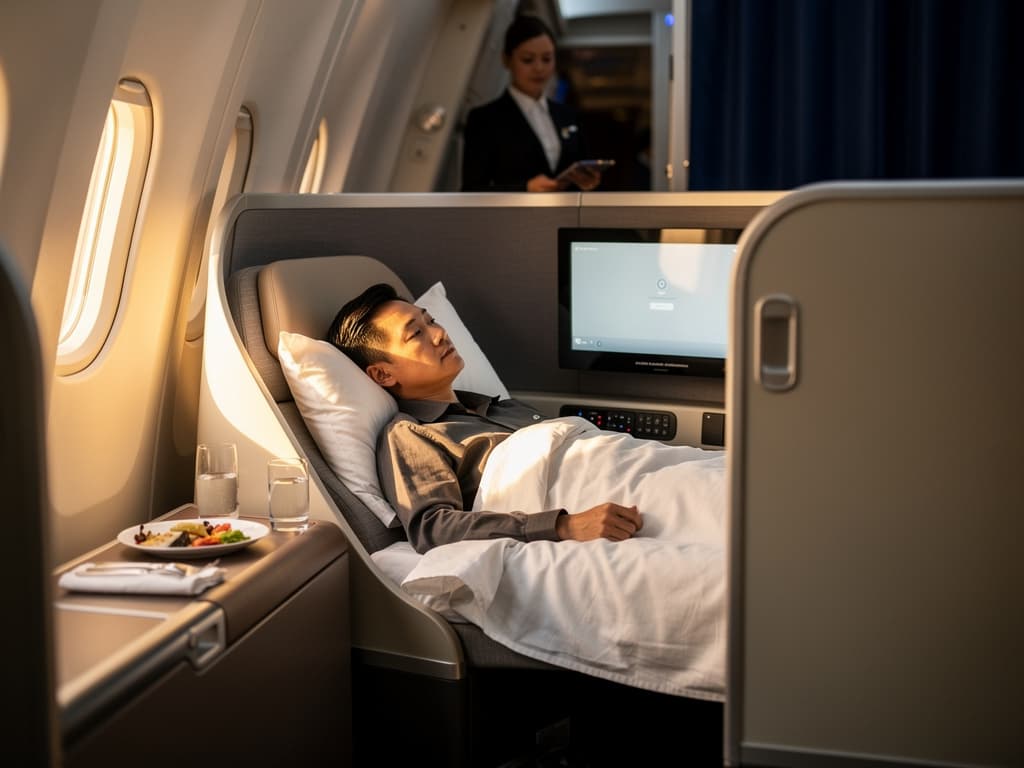
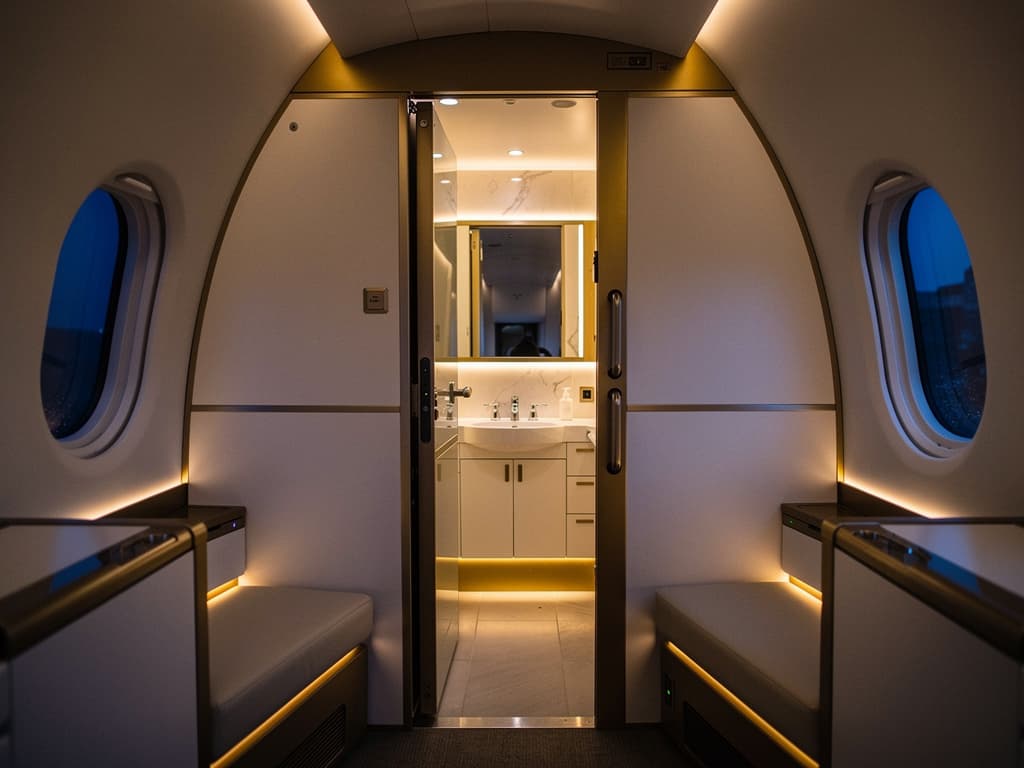
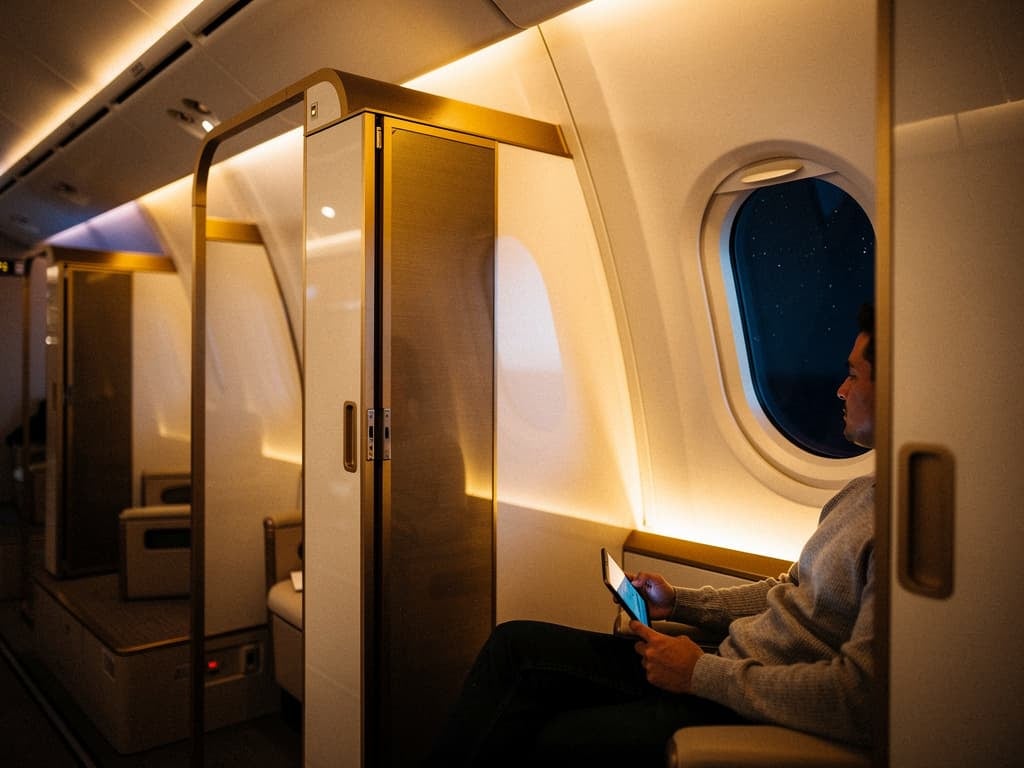
Emirates’ Airbus A380 first class is one of the most extravagant products in the sky, but a closer look at the economics reveals that the airline’s per-passenger spend on luxury touches is remarkably modest. The cabin offers private suites, shower spa access, unlimited caviar, and Dom Pérignon P2, creating a retail-style perceived value that easily exceeds $1,600 before the seat itself is counted.
Behind the spectacle, however, Emirates benefits from bulk purchasing, wholesale contracts, and brand partnerships that dramatically reduce what it actually spends per first-class seat. Industry estimates put direct catering costs at roughly $30 or more per passenger, even on a 16-hour ultra-long-haul flight like Dubai to Los Angeles. The same cost-to-retail ratio applies to Bulgari amenity kits, Voya spa products, and Moleskine notebooks — the airline’s procurement cost is only a fraction of the retail price tag passengers might assign.
The gap between perceived value and direct operating cost is the engine behind the cabin’s profitability. It’s also why Emirates can offer upgrades at a fraction of cash fares, with business-to-first upgrades on routes like London–Dubai or New York–Milan available for under 40,000 Skywards miles. For premium travelers, understanding this cost structure reframes the decision between paying five-figure cash fares and using miles.
The cost illusion behind the luxury
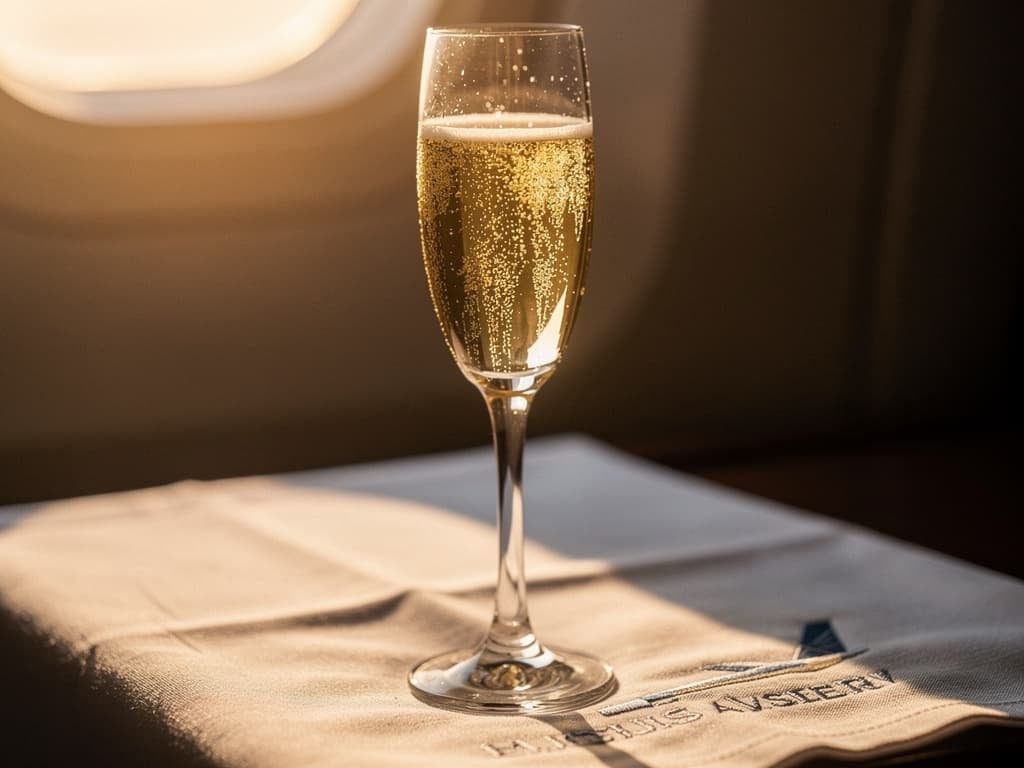
On a 16-hour Emirates A380 flight such as EK215 from Dubai to Los Angeles, the first-class cabin’s catering appears extraordinarily lavish. Passengers enjoy unlimited caviar service, multiple pours of Dom Pérignon P2 at around $100 per glass retail, premium wines, and Hennessy Paradis cognac that retails near $1,500 per bottle. The perceived retail value of the food and beverage experience alone can easily top $1,000 per passenger.
Yet industry estimates place Emirates’ actual first-class catering spend at roughly $30 or more per passenger, including provisioning and logistics. Across all 14 suites, the total catering bill for the cabin may reach only a few hundred dollars. The airline’s entire catering outlay for nearly 500 passengers across all cabins on that flight is estimated at about $15,000.
The same dynamic applies to amenities. A Bulgari kit that retails for $130, hydra-active pajamas at $110, and Voya spa products at $80 are all procured through bulk contracts and brand partnerships. If the cost-to-retail ratio mirrors catering, the airline may spend only tens of dollars on items that passengers perceive as hundreds.
| Experience Element | Estimated Retail Value (per passenger) | Estimated Airline Cost (per passenger) | Notes |
|---|---|---|---|
| In-flight catering (caviar, Dom Pérignon, Hennessy Paradis, multi-course dining) | $1,000+ | ~$30+ | Wholesale purchasing and catering contracts reduce cost dramatically. |
| Amenity kit (Bulgari) | $130 | Under $20 (est.) | Bulk procurement and brand partnerships. |
| Pajamas and spa products (hydra-active, Voya) | $190 combined | Under $30 (est.) | Similar cost-to-retail ratio as catering. |
| Ground services (chauffeur, airport escort) | $130 | Marginal (included in fare) | Fixed cost spread across premium passengers. |

Flight deals most people never see
Our AI monitors 150+ airlines for pricing anomalies that traditional search engines miss. Air Traveler Club members save $650 per trip per person on average: see how it works.
Each deal saves 40–80% vs. regular fares:

The engineered luxury machine
Emirates doesn’t sell transportation alone; it packages relatively controlled operating costs into an experience engineered to feel exceptionally exclusive. The branding, presentation, scarcity, and atmosphere surrounding the cabin often contribute more to the fare than the raw cost of the products themselves. This is how modern airline luxury works: perception is the product.
Air Traveler Club’s analysis of Emirates’ high-density A380 deployment shows that first class is being removed on some routes, a development that makes Skywards upgrades on remaining first-class aircraft even more valuable. As the airline retrofits its fleet with premium economy, first-class inventory may tighten, preserving the cabin’s scarcity and upgrade appeal.
How to access the cabin without paying five figures
Understanding the cost structure behind Emirates first class changes how you should approach booking it.
- Target Skywards upgrades, not cash fares. Business-to-first upgrades can cost under 40,000 miles on key routes, offering access to a $10,000+ cabin for a fraction of the price.
- Monitor retrofit schedules. As Emirates adds premium economy to more A380s, first-class seat counts may shrink on some aircraft, tightening upgrade availability. Book early.
- Use the Miles Calculator and check ‘Manage Booking’ for instant upgrade options. Day-of-departure releases can appear when unsold first-class seats remain.
- Transfer flexible points only when you’ve confirmed upgrade space. Amex, Chase, and Capital One points transfer instantly, but miles are non-refundable once moved.
- Consider positioning flights. If your home airport lacks A380 first class, a short business-class hop to a hub like Dubai or Milan can unlock the upgrade opportunity.
Watch for Emirates’ retrofit completion timelines and any route-specific cabin reconfigurations that could affect first-class inventory.
FAQ
Is Emirates A380 first class worth the cash fare?
For most travelers, the better value lies in using Skywards miles to upgrade from business class, as cash fares of $8,000–$20,000 reflect scarcity and brand curation rather than raw amenity cost. However, if you value the shower spa, unlimited caviar, and private suite experience and can afford it, the product remains one of the most exclusive in commercial aviation.
How many Skywards miles do I need to upgrade to first class?
Upgrade pricing varies by route and fare class, but business-to-first upgrades on London–Dubai or New York–Milan have been available for under 40,000 miles one-way. Use the Emirates Miles Calculator for exact quotes.
Will Emirates remove first class from its A380s?
No, Emirates is retaining refreshed first-class suites in its retrofit program, but some A380s are being reconfigured with premium economy, which may reduce the number of first-class seats on certain aircraft. First class will remain on flagship long-haul routes.
What is the actual cost to Emirates for the amenities?
Industry estimates suggest Emirates spends around $30 per passenger on first-class catering and likely under $100 total for all amenities, thanks to bulk purchasing and brand partnerships, compared to a perceived retail value exceeding $1,600.
Read more