Summary
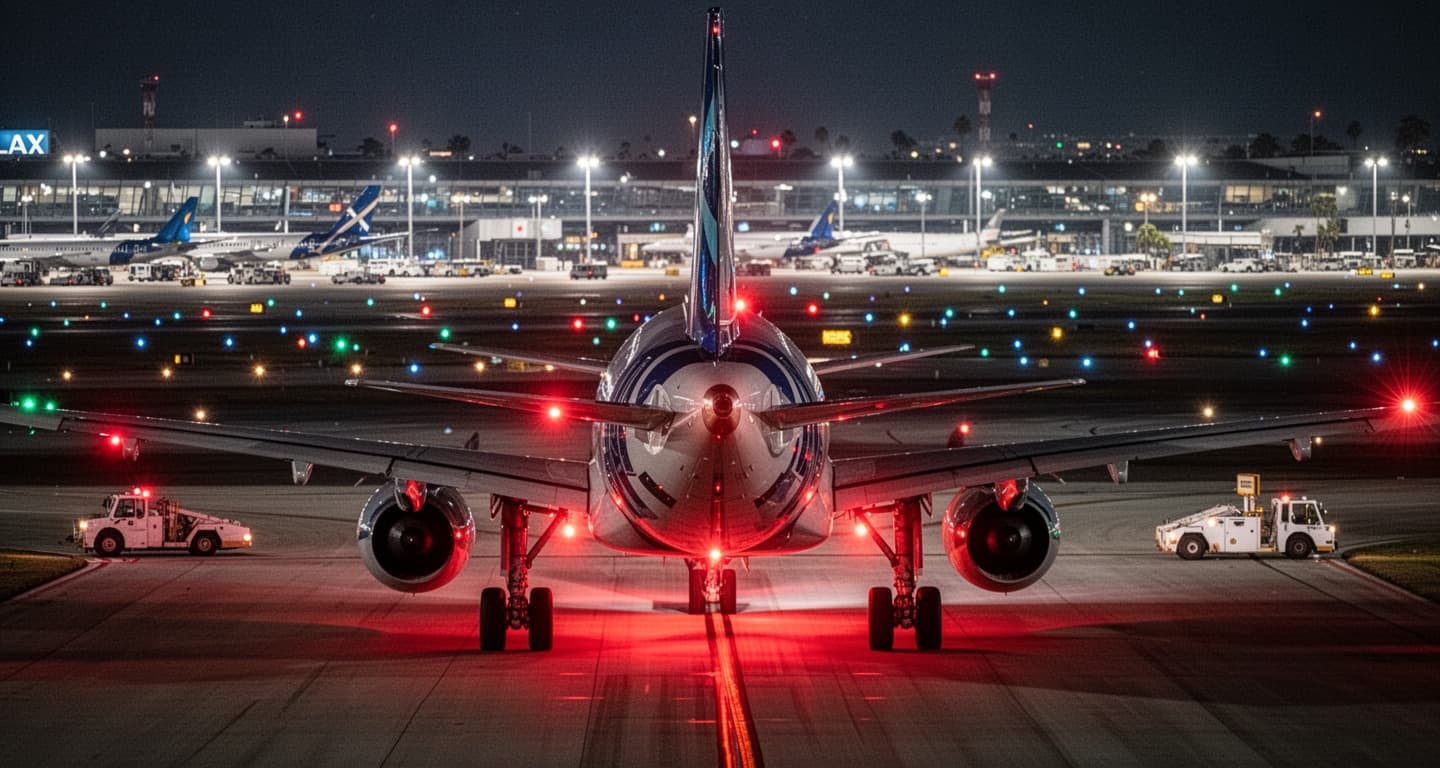
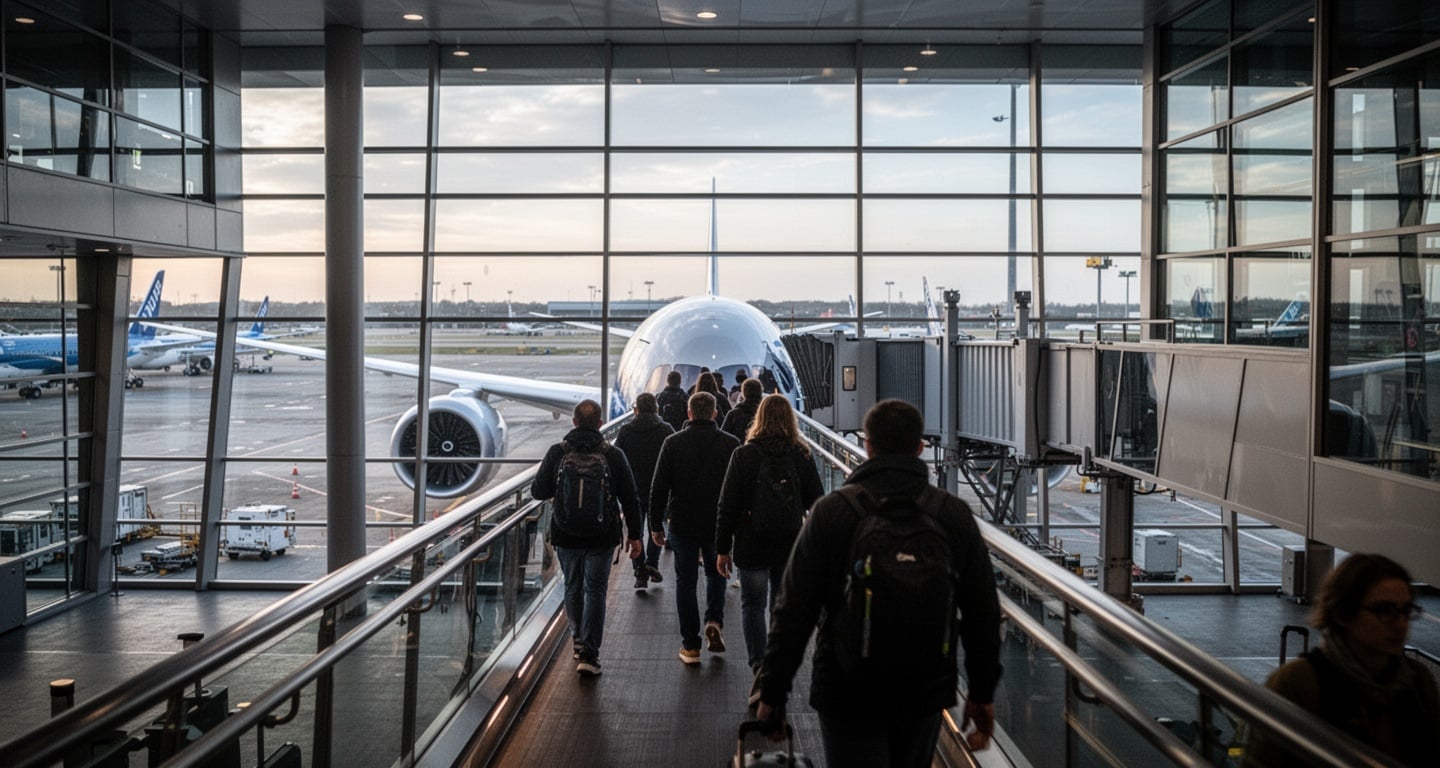
A China Airlines Airbus A350-900 (registration B-18902) remains grounded at Melbourne International Airport after a jetbridge collision on April 14, 2026 tore the forward left-hand boarding door partially off its hinges following flight CI-57’s arrival from Taipei. The aircraft rolled backward while still attached to the jetbridge—likely due to improperly positioned wheel chocks—causing structural damage that cancelled the return flight and stranded premium cabin passengers.
All 204 passengers and crew had deplaned before the incident, with no injuries reported. Repair timelines remain uncertain, though comparable incidents have grounded widebody aircraft for four to eight weeks when fuselage structural damage occurs.
The collision happened minutes after passengers disembarked from the overnight Taipei-Melbourne service, when ground handling crews failed to secure the 268-ton aircraft properly at Gate 12.
The A350 began rolling backward with its forward door still open and the jetbridge attached, causing the aluminum boarding bridge to shear into the door frame and partially rip the door from its mounting points. Social media footage shows the door hanging at an unnatural angle, with visible frame distortion around the hinge assembly.
The incident affects one of China Airlines’ 14 A350-900 aircraft operating the carrier’s premium Taipei-Melbourne route—a key transpacific link for business travelers connecting Southeast Asia to Australia. The airline operates three weekly frequencies on this route, with the grounded aircraft representing roughly 33% of dedicated capacity.
Premium cabin passengers holding confirmed bookings on the cancelled CI-57 return flight face immediate rebooking challenges, as alternative China Airlines services operate only on Tuesdays, Thursdays, and Saturdays.
The collision sequence and damage assessment
Aviation safety investigators believe the aircraft’s parking brake disengaged or wheel chocks were positioned incorrectly, allowing the A350 to roll backward approximately two to three meters while ground crews prepared for the next departure cycle. The jetbridge remained extended and locked to the fuselage during the rollback, creating a leverage point that twisted the door assembly.
Preliminary damage reports indicate the door’s upper hinge mounting bracket sustained structural deformation, while the lower hinge assembly partially separated from the fuselage frame. The jetbridge itself suffered bent support arms and damaged seal mechanisms where it interfaces with the aircraft door.
The Australian Transport Safety Bureau has opened a preliminary investigation into ground handling procedures at Melbourne Airport, focusing on wheel chock placement protocols and jetbridge operator training standards. The airport’s ground services contractor has not issued public comment.
China Airlines engineering teams are conducting structural integrity assessments to determine whether fuselage frame members sustained stress damage beyond the visible door assembly. If frame repairs are required, the aircraft could remain grounded for six to eight weeks—matching the timeline from a 2008 incident involving a Virgin Atlantic A340-300 that suffered similar jetbridge damage at Denver International Airport.
| Date | Airline/Aircraft | Location | Damage type | Ground time |
|---|---|---|---|---|
| January 2022 | British Airways 777-300 | Cape Town (CPT) | Door completely severed | 4 weeks |
| July 2023 | American Airlines 787-9 | Dublin (DUB) | Door sheared by dropping jetbridge | 3 weeks |
| August 2020 | Emirates 777-300ER | Manila (MNL) | Door frame bent by lifting jetbridge | 2 weeks |
| March 2008 | Virgin Atlantic A340-300 | Denver (DEN) | Fuselage structural damage | 8 weeks |
| April 2026 | China Airlines A350-900 | Melbourne (MEL) | Door partially torn from hinges | Under assessment |
The carrier has not disclosed whether it will substitute another A350 from its Taipei hub to maintain schedule integrity, though fleet rotation typically requires 48 to 72 hours for crew repositioning and maintenance coordination.

Flight deals most people never see
Our AI monitors 150+ airlines for pricing anomalies that traditional search engines miss. Air Traveler Club members save $650 per trip per person on average: see how it works.
Each deal saves 40–80% vs. regular fares:

Premium cabin implications and route alternatives
The grounded A350-900 operates China Airlines’ premium configuration with 32 reverse herringbone business class seats in 1-2-1 layout and 32 premium economy seats in 2-4-2 arrangement—superior to the carrier’s older 777-300ER fleet that uses 2-3-2 business class seating on secondary routes.
Affected premium passengers face limited same-carrier alternatives. China Airlines operates only three weekly Melbourne-Taipei frequencies, meaning displaced business class travelers may wait two to four days for equivalent cabin space. The carrier’s irregular operations policy protects original fare class booking, but inventory constraints on CI-56 and CI-58 services create practical rebooking delays.
SkyTeam alliance alternatives include Delta service via Los Angeles (adds 8-10 hours) or KLM via Amsterdam (adds 12-14 hours), though both require positioning flights that may not align with original connection timing. Qantas operates competing A350 service on the Melbourne-Taipei route with comparable 1-2-1 business class, but Oneworld alliance separation prevents seamless rebooking for China Airlines passengers.
The Air Traveler Club’s analysis of Asia-Pacific disruption patterns shows Melbourne-Taipei premium cabin rebooking typically requires 5-7 days during peak disruption periods, though this isolated incident should resolve faster than weather-driven cascading delays.
Strategic guidance for affected travelers
The 24-hour window following cancellation notification determines rebooking success—premium inventory on alternative China Airlines flights disappears within hours as displaced passengers claim limited seats.
- Act immediately on rebooking: Contact China Airlines directly rather than waiting for automated rebooking emails. Phone agents access broader inventory than online systems and can coordinate multi-segment alternatives through SkyTeam partners.
- Leverage elite status: Dynasty Flyer Gold and Platinum members receive priority space allocation on CI-56/CI-58 services. Reference your status tier in every interaction—it unlocks inventory held for irregular operations.
- Consider alliance alternatives early: If same-day China Airlines business class is unavailable, request Delta or KLM routing before premium cabins fill. The 8-10 hour detour via Los Angeles beats waiting four days for direct service.
- Document everything: Request written confirmation of fare class protection, waiver extensions, and any compensation offers. Email confirmations create paper trails if disputes arise over downgrade compensation or change fee waivers.
- Monitor award redeposit: If you booked with Dynasty Miles or partner miles, confirm fee-free redeposit in writing before cancelling. Standard redeposit fees ($50-$150) should be waived under irregular operations, but verbal promises don’t guarantee processing.
Watch for China Airlines fleet rotation announcements over the next 48 hours—if the carrier substitutes another A350 from Taipei, schedule restoration could happen by April 17-18, creating additional rebooking windows.
FAQ
Will China Airlines compensate passengers for the cancelled flight?
Under Australian consumer law and China Airlines irregular operations policies, passengers receive rebooking or refunds but not automatic cash compensation for mechanical delays. EU261 compensation doesn’t apply to flights originating outside Europe. Request meal vouchers and hotel accommodation if rebooking extends overnight—these are typically provided for disruptions exceeding six hours.
How do I protect my connecting flights if I’m rebooked days later?
If your original itinerary included connections beyond Taipei, China Airlines must rebook the entire journey or provide through-ticketing on partner airlines. Request written confirmation that your connecting flights are protected under the same waiver. If connections are on separate tickets, you may need to rebook independently—document the original CI-57 cancellation for potential reimbursement claims.
Can I switch to Qantas or another non-SkyTeam carrier?
China Airlines irregular operations policies don’t extend to non-alliance carriers like Qantas. You can request a full refund and book Qantas independently, but you’ll pay current market rates rather than receiving protected rebooking. This makes sense only if China Airlines and SkyTeam alternatives create unacceptable delays exceeding three days.
What happens to my Dynasty Flyer elite qualifying miles?
Elite qualifying miles credit based on actual flown segments. If you’re rebooked on a later China Airlines flight, miles post normally. If rebooked on Delta or KLM, miles credit to Dynasty Flyer at the partner earning rate (typically 100-150% of distance for business class). Cancelled segments without rebooking don’t earn miles—request mileage reinstatement if you choose a refund instead.
Read more