Summary
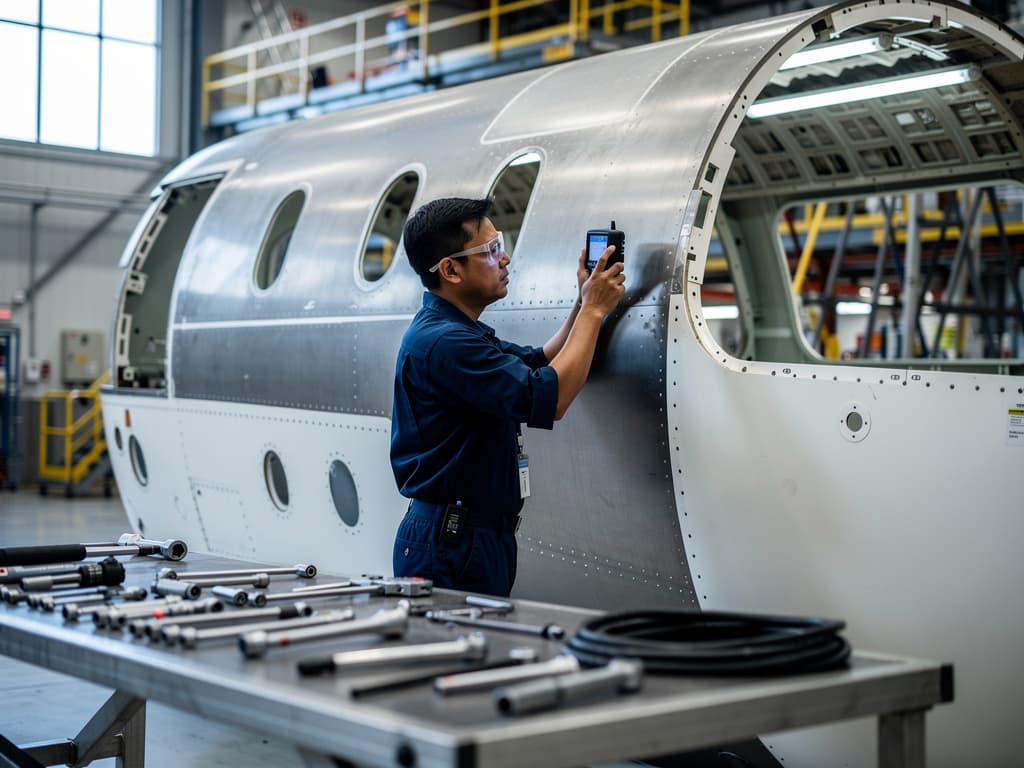
For premium flyers, a broken seat or dead entertainment screen can instantly erase the value of a first-class fare. American Airlines is finally confronting that reality, launching an internal program called OneCabin on September 14, 2026 that stations more than 60 additional maintenance technicians at six major hubs to tackle seat, tray-table, and in-flight entertainment defects across its fleet.
The move follows years of criticism from flight attendants and frequent flyers, and a recent internal admission that aircraft cabins sometimes appear with “duct tape where we should not have duct tape.” The September launch gives travelers a concrete date to start monitoring improved cabin reliability on flights routed through Dallas/Fort Worth, Charlotte, Phoenix, Miami, Los Angeles, and Philadelphia.
Earlier this year, American Airlines’ chief customer officer Heather Garboden acknowledged an uncomfortable truth: aircraft interiors were showing “duct tape where we should not have duct tape,” a candid admission that broken seats, malfunctioning tray tables, and dead in-flight entertainment screens had become routine. The carrier is now betting that 60 additional maintenance technicians can reverse the decline.
The initiative, internally dubbed OneCabin, officially launches on September 14 and represents a targeted assault on the visible, passenger-facing defects that erode trust in the premium cabin experience. For travelers who hold elite status or book domestic first-class and international business-class tickets, a glass of Champagne means little when the seat won’t reclime or the IFE screen remains black for a six-hour transcontinential flight.
The program concentrates dedicated cabin-maintenance teams at six of American’s busiest hubs: Dallas/Fort Worth International, Charlotte Douglas International, Phoenix Sky Harbor International, Miami International, Los Angeles International, and Philadelphia International. While the new hires won’t fix every aircraft overnight, they give the airline a repeatable process to tackle deferred cabin-defect backlogs that have accumulated under a maintenance system where non-safety items could remain unresolved for extended periods.
Inside the OneCabin maintenance push
A program outline documented in an internal memo places the additional technicians directly at the six hub stations, where they will focus exclusively on cabin issues rather than being pulled into broader maintenance tasks. The goal is to speed up the repair of what insiders call “customer-experience defects”—broken seat recline mechanisms, jammed tray tables, and non-functioning in-flight entertainment systems—that are often deferred because they don’t affect flight safety.
| Date | Event | Impact | Status |
|---|---|---|---|
| September 2024 | American announces nearly 500 new maintenance jobs, adds heavy-check work at Charlotte and Pittsburgh. | Signaled a broad investment in maintenance reliability. | Completed |
| Early 2026 | Chief Customer Officer Heather Garboden publicly admits broken seats and duct tape on aircraft interiors. | Highlighted the gap between premium fare promise and cabin reality. | Acknowledged |
| September 14, 2026 | OneCabin launches with 60+ technicians at six hubs, targeting seats, trays, and IFE. | Dedicated cabin-defect repair capacity for the first time. | Upcoming |
| Q4 2026 (anticipated) | Expected metrics on repair backlog reduction and completion rates. | Will measure whether the program changes inflight reality. | TBD |
The union has long argued that broken cabin features hurt crew morale and service quality.

Flight deals most people never see
Our AI monitors 150+ airlines for pricing anomalies that traditional search engines miss. Air Traveler Club members save $650 per trip per person on average: see how it works.
Each deal saves 40–80% vs. regular fares:

Why visible cabin defects undercut the premium experience
Under FAA regulations, a seat that won’t reclime can be deferred for days, while a missing ashtray must be replaced immediately because of a decades-old safety rule—even though smoking has been banned on U.S. flights since 1990. This regulatory quirk has allowed minor but iritating cabin defects to fester, particularly on aircraft with tight turn times.
Air Traveler Club’s analysis of American’s new flight attendant scoring system shows that cabin morale and passenger-perceived quality are deeply intertwined. When flight attendants board a jet with broken seats and duct-taped panels, it’s harder to deliver the premium service that American’s marketing promises—a dynamic OneCabin aims to break.
By placing technicians at hubs, American is challenging a maintenance culture that quietly permitted deferrals. The success of the program will hinge on whether ground time and spare parts allow the extra staff to cleear backlogs, not just handle new defects.
Booking strategies for a more reliable American cabin
For travelers who value a functional seat and entertainment system, routing through American’s six hub cities now offers an edge—the dedicated maintenance teams mean defects are more likely to be addressed before departure.
- Check your aircraft type and seat map before buying premium cabins. On aa.com, review the seatmap for recently reconfigured aircraft; fresher interiors correlate with fewer worn components.
- Prioritize departures from DFW, CLT, PHX, MIA, LAX, or PHL. The dedicated OneCabin teams are based at these airports, increasing the odds that a pre-departure walk-through catches and fixes issues.
- Monitor post-launch cabin quality reports. In the weeks after September 14, premium flyer forums and any response from the Association of Professional Flight Attendants will indicate whether the program is meeting its repair promises.
- Build in a longer connection at these hubs when booking premium transcons or international flights. A 90-minute layover instead of a 45-minute one may reduce the risk of boarding a jet with unaddressed deferred defects, as ground time allows last-minute fixes.
Watch for American to publish repair backlog metrics by year-end; if it does, the program is likely working. If not, treat cabin condition as inconsistent and favor routes with recently refreshed interiors.
Read more