Summary
American Airlines has launched the first of 20 retrofitted Boeing 777-300ERs, packing 70 business-class suites with sliding privacy doors, 44 premium economy seats, and a total of 114 premium seats — the highest concentration on any aircraft in its fleet. The aircraft, registration N718AN, completed its inaugural revenue flight from New York to Buenos Aires on September 2, 2026, and will progressively roll out to London, Tokyo, Sydney, and São Paulo.
The retrofit eliminates Flagship First from the 777-300ER entirely, with the last day for first-class bookings on this fleet set for November 19, 2026. All 20 aircraft are due for conversion by 2027, meaning a rapid expansion of suite inventory on key international routes.
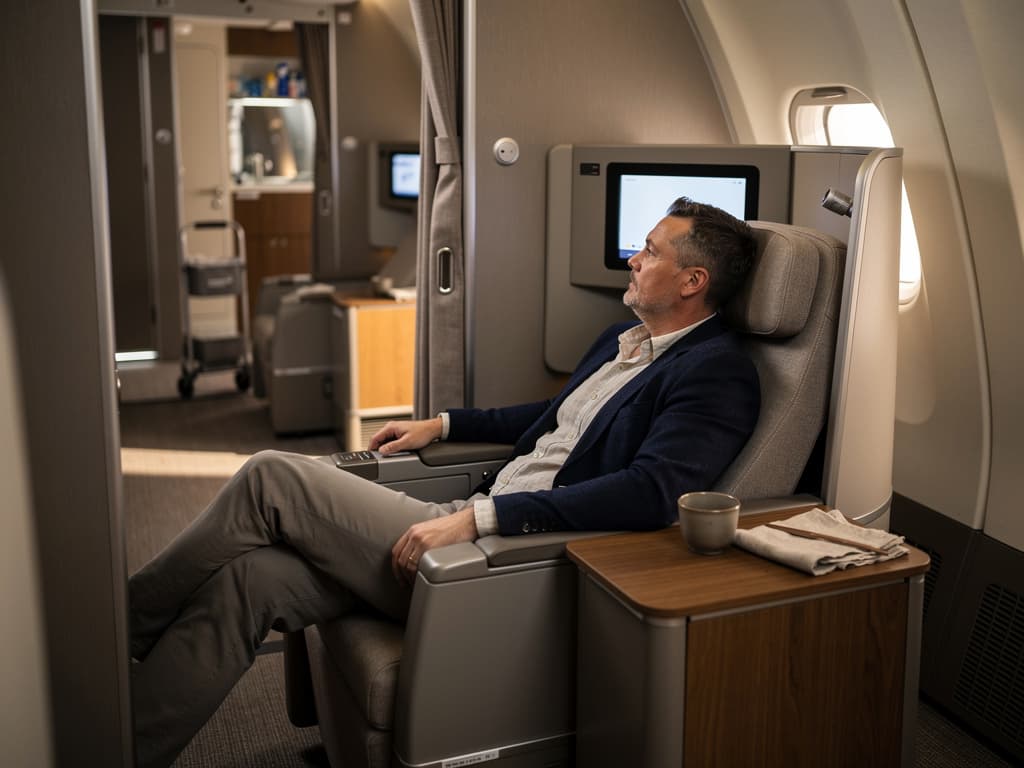
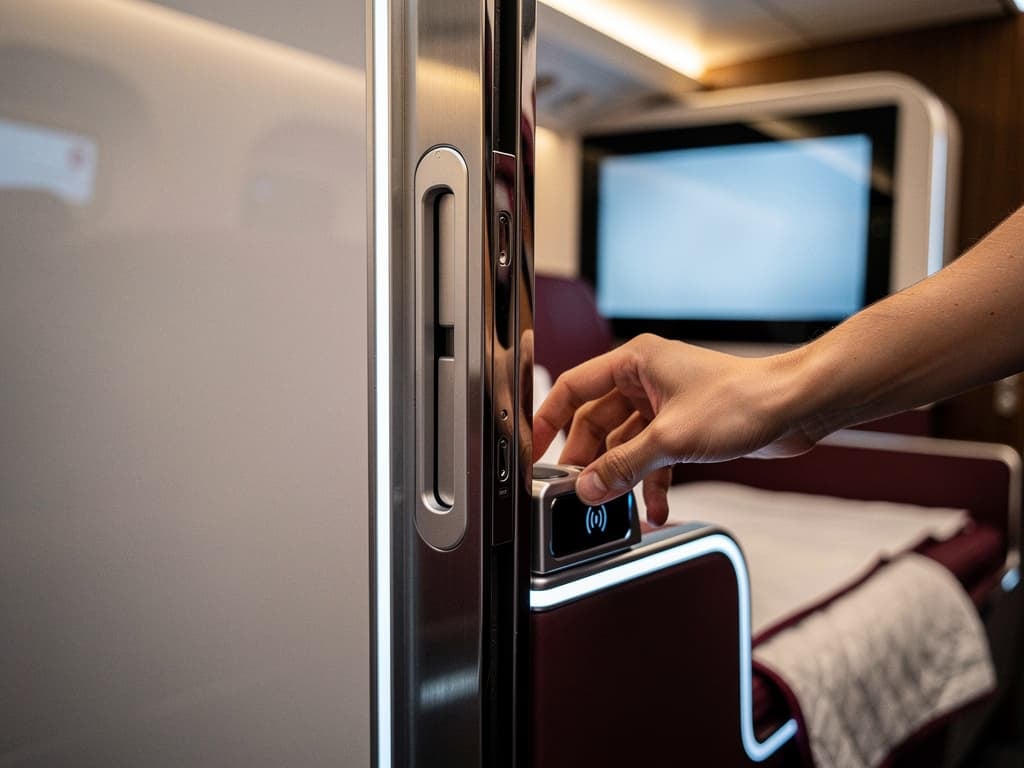
For premium-cabin travelers, American Airlines just redrew the map of its long-haul product. The first reconfigured 777-300ER — now operating with 70 Flagship Suite business-class seats, each enclosed by a sliding door — entered service on the New York–Buenos Aires route, delivering a cabin that feels more private, more spacious, and unmistakably more premium than the aircraft it replaces.
The new layout abandons the old first-class cabin entirely, replacing it with a denser, suite-heavy business class that anchors a 114-seat premium block. That figure includes 44 premium economy seats with wireless charging and adjustable footrests, plus 30 Main Cabin Extra seats. Even the 186 standard economy seats gain 4K monitors, Bluetooth connectivity, and in-seat power.
The rollout coincides with the carrier’s 100th anniversary, and Chief Commercial Officer Nat Pieper has called the aircraft “the embodiment of American’s ambitions.” The first flight, operated by N718AN, touched down in Buenos Aires on September 2, kicking off a retrofit programme that will see all 20 of American’s 777-300ERs converted by 2027.
For now, the aircraft will rotate through Buenos Aires, with London, Tokyo, Sydney, and São Paulo all confirmed as future destinations. The schedule for those routes remains fluid, but the airline has committed to scaling the new cabin across its flagship international network over the next 18 months.
The details
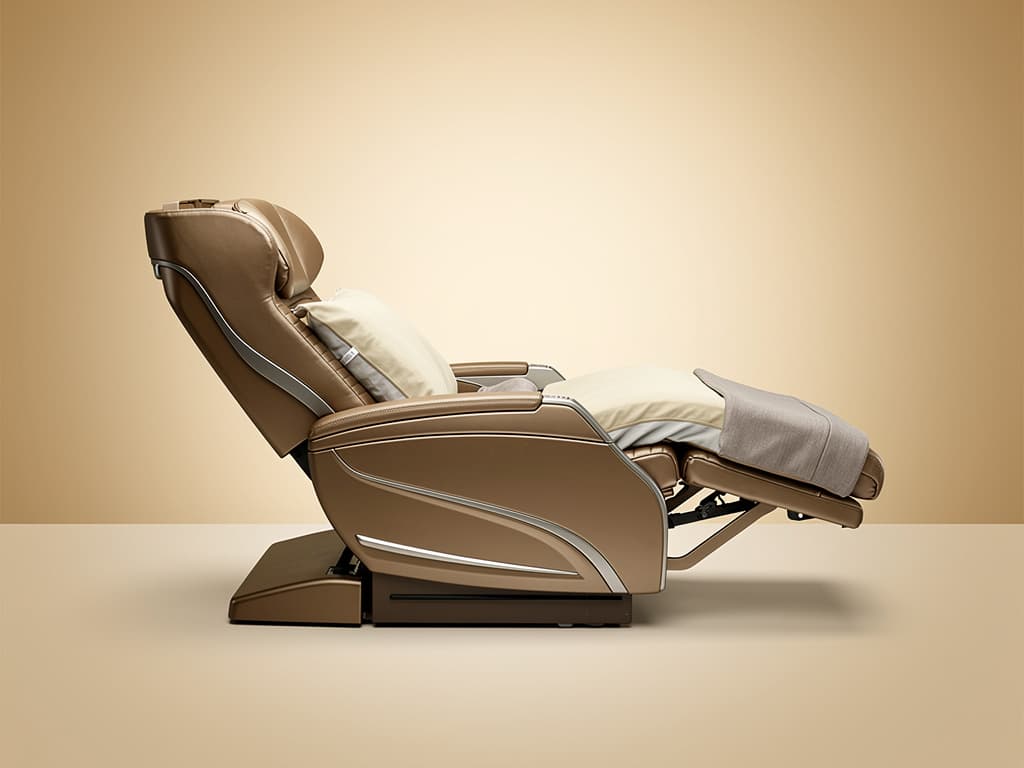
American Airlines confirmed the configuration in an official statement, noting that the aircraft seats 330 passengers total. The 70 Flagship Suites feature lie-flat beds, personal storage compartments, cool-touch pillows, and an upgraded amenity programme that includes espresso service — a small but telling signal of the airline’s intent to compete on cabin soft product, not just hard product.
The 44 premium economy seats, the largest such cabin on any U.S. carrier, add wireless charging pads, adjustable calf and footrests, and privacy headrest wings. Main Cabin Extra seats offer additional legroom, while all main-cabin seats now include 4K monitors with Bluetooth pairing and power at every seat. American’s announcement also confirmed that Flagship First will no longer be available for purchase on 777-300ER travel beginning November 19, 2026.
| Cabin | Seats | Key Features |
|---|---|---|
| Flagship Suite Business | 70 | Lie-flat, sliding privacy door, personal storage, espresso service, cool-touch pillows |
| Premium Economy | 44 | Wireless charging, adjustable calf/footrest, privacy headrest wings |
| Main Cabin Extra | 30 | Additional legroom, 4K monitor, Bluetooth, power |
| Main Cabin | 186 | 4K monitor, Bluetooth, power at every seat |

Flight deals most people never see
Our AI monitors 150+ airlines for pricing anomalies that traditional search engines miss. Air Traveler Club members save $650 per trip per person on average: see how it works.
Each deal saves 40–80% vs. regular fares:

The value-add
The retrofit is less a product tweak than a strategic pivot. By removing first class and adding 70 suites, American is betting that volume and a strong business-class hard product will capture more high-yield demand than a handful of ultra-premium seats. The 114 premium seats represent a density shift that mirrors what United has done with Polaris on its 787-10s, but with an even larger premium economy section.
Air Traveler Club’s analysis of American’s premium cabin dynamics highlights how the carrier is positioning Flagship Suites as its flagship long-haul experience, a move that makes the 777-300ER the centrepiece of that strategy. The real test will be whether the increased suite count translates into meaningfully better award availability — something AAdvantage members should watch closely as more frames enter service.
How the retrofit reshapes upgrade and award strategy
For travelers holding Flagship First tickets on 777-300ER flights after November 19, or those eyeing business-class awards, the retrofit reshapes both upgrade paths and redemption strategy.
- Monitor Flagship First bookings. If you have a first-class reservation on a 777-300ER after November 19, 2026, American will rebook you. Watch for direct notifications and be prepared to accept a downgrade to business class or re-route.
- Leverage increased suite inventory. The jump to 70 suites per aircraft means more award and upgrade space, particularly on routes like New York–Buenos Aires and later London and Tokyo. Search for saver awards early, as availability may improve on off-peak dates.
- Prioritize premium economy as a sweet spot. With 44 seats, the largest premium economy cabin on a U.S. carrier, this product offers a significant comfort upgrade and may be easier to book with miles or cash upgrades.
- Track retrofit deployment. American plans to convert all 20 aircraft by 2027. Routes like Sydney and São Paulo will see the new cabin gradually. Use tools like ExpertFlyer to identify reconfigured aircraft by seat map.
- Compare partner redemptions. While AAdvantage awards are straightforward, check British Airways and Cathay Pacific for potential lower mileage rates on the same flights, especially if you have transferable points.
Watch for American’s announcement of the next retrofitted aircraft’s route assignment — expected within weeks — to plan your booking window.
Read more