Summary
American Airlines is executing a fleet-wide premium overhaul to close a persistent $3 billion profitability gap against Delta Air Lines and United Airlines. The strategy, detailed by CEO Robert Isom, retrofits 20 Boeing 777-300ERs and introduces new Boeing 787-9P aircraft, boosting long-haul premium seating by over 45% by 2026 while eliminating first class to maximize higher-margin business suites.
The carrier projects an 80% earnings surge in 2026, but the plan hinges on execution — retrofitted 777s won’t enter service on ORD-LHR and PHL-LHR until late 2026, and a widebody order decision that shapes Asia-Pacific capacity remains unresolved.
American Airlines is betting its financial future on a single, high-stakes proposition: that premium travelers will pay more for a product that finally matches what Delta and United have offered for years. The carrier’s newly articulated strategy, unveiled by CEO Robert Isom ahead of second-quarter earnings, marks the most aggressive premium pivot in the airline’s history — and a tacit admission that network size alone cannot close a roughly $3 billion profit deficit.
The numbers are stark. American operates approximately 6,500 daily flights, more than any North American competitor, yet consistently trails in the metric that matters most: revenue per passenger. Isom’s response is a fleet transformation that eliminates first class on long-haul aircraft and replaces it with 18 additional business suites and 20 premium economy seats per retrofitted 777-300ER. The first Flagship Suite-equipped 787-9P entered service on JFK-LHR in June 2026, commanding a 12% fare premium over standard business class.
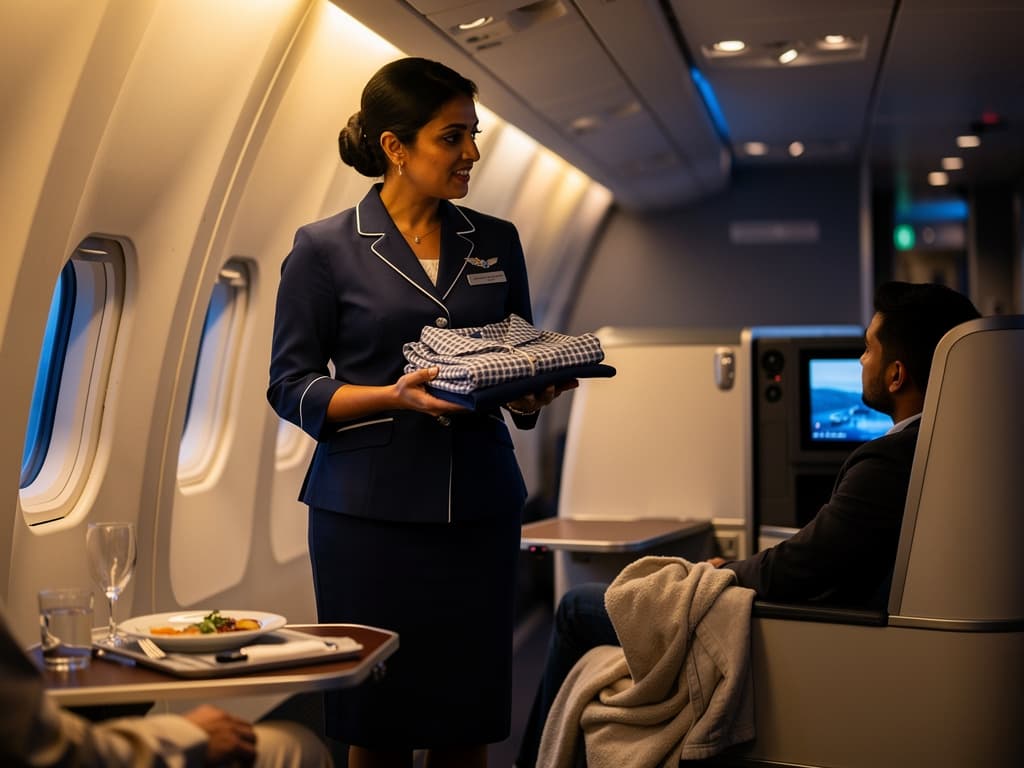
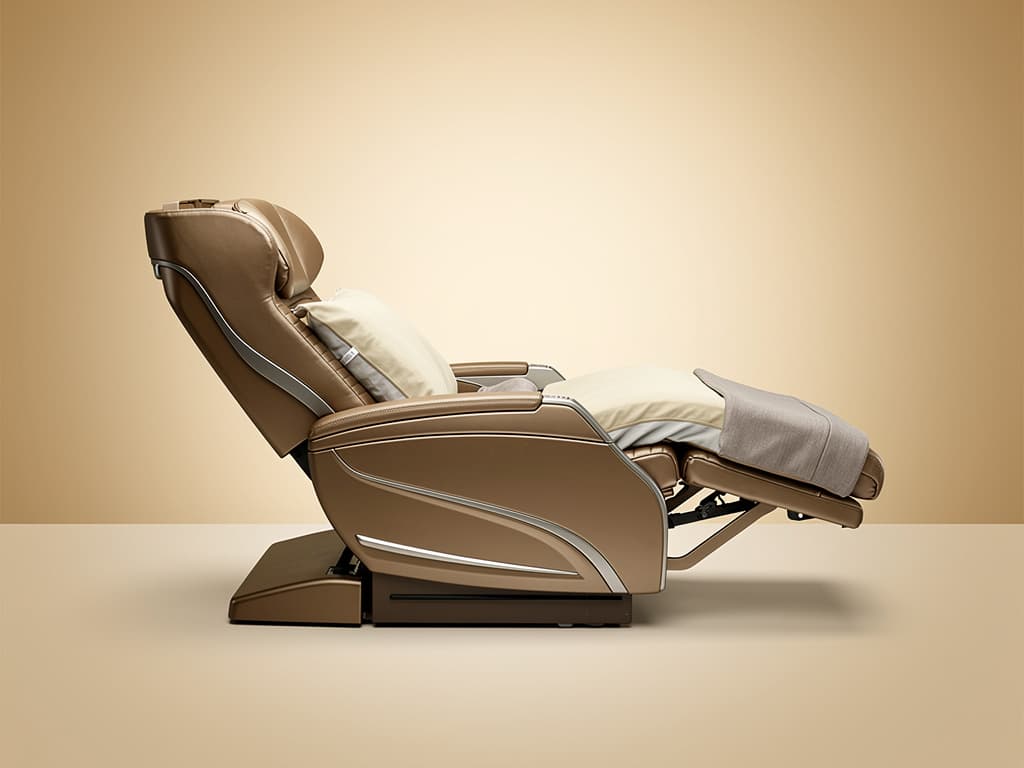
The scope extends across American’s entire widebody operation. Twenty Boeing 777-300ERs will undergo “Project Olympus” reconfiguration, while new 787-9P deliveries add 51 Flagship Suites per aircraft. The combined effect: premium seating across the long-haul fleet grows more than 45% by 2026. For business travelers on transpacific and transatlantic routes, that means dramatically improved award availability and a cabin experience that finally includes privacy doors, chaise lounge seating, and enhanced bedding — features that Delta One and United Polaris passengers have taken for granted.
The retrofit timeline and what’s changing
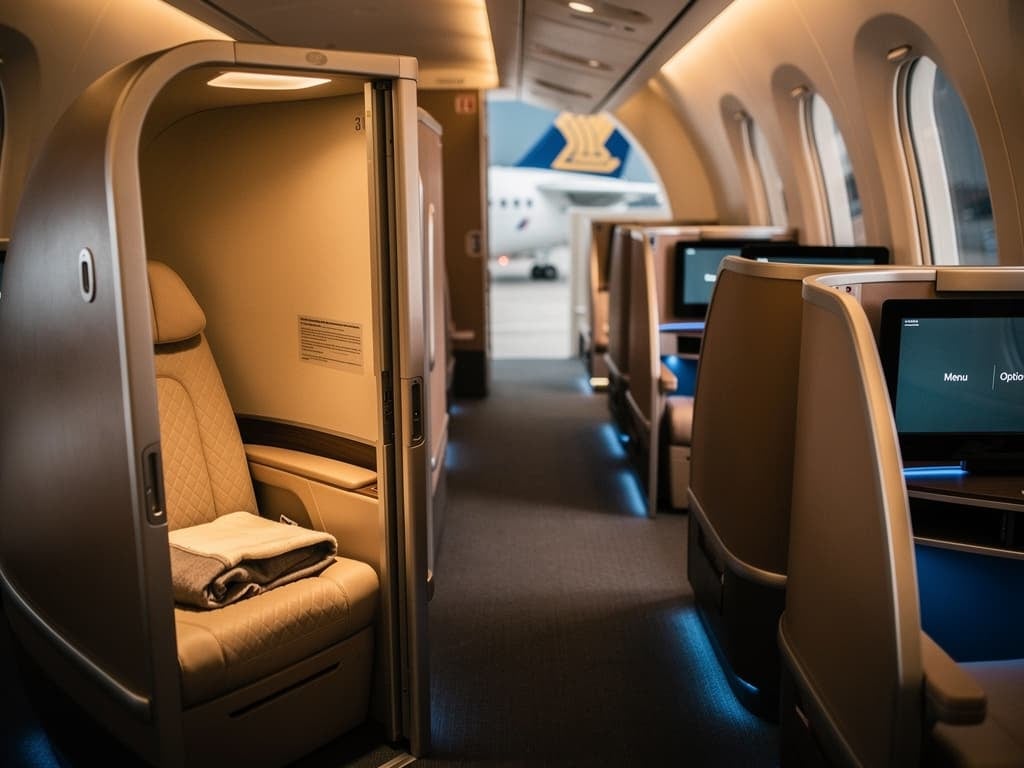
American’s premium overhaul unfolds across two parallel tracks: new aircraft deliveries and existing fleet retrofits. The 787-9P, already flying JFK-LHR, represents the immediate future — 51 Flagship Suites with 78-inch bed length, 21-inch width, and full privacy doors. Each suite includes a 24-inch IFE screen, USB-A/C and 110V power, and guaranteed window access. On international routes, passengers receive pajamas, upgraded amenity kits, and premium duvets.
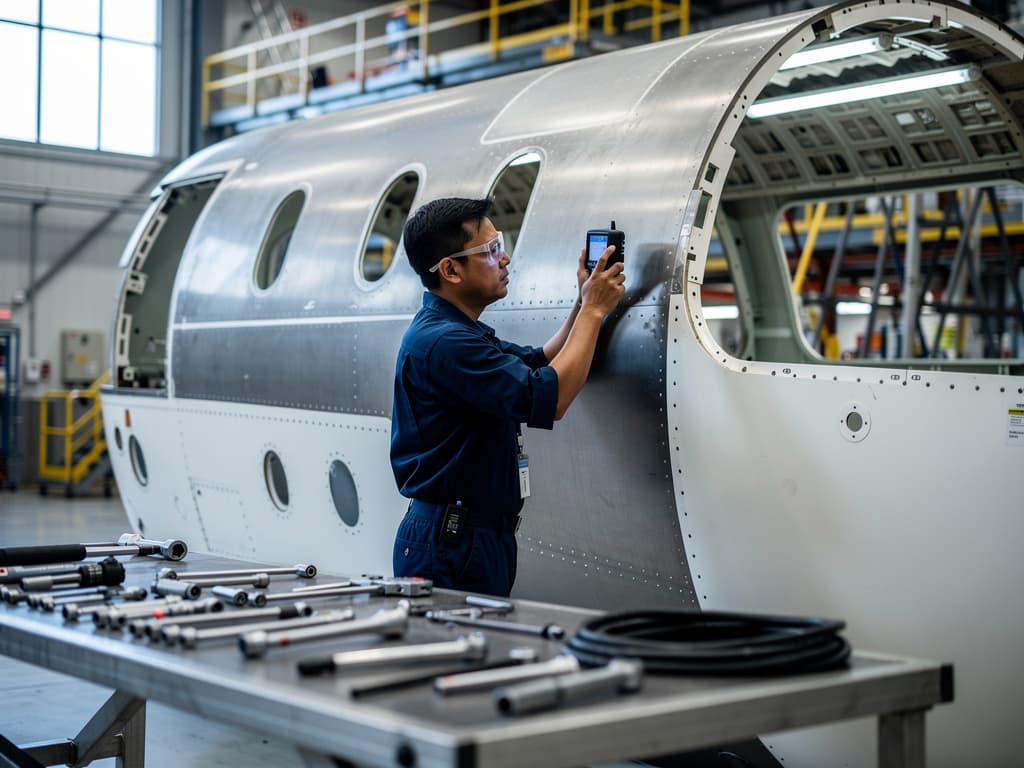
The retrofit program, Project Olympus, targets 20 Boeing 777-300ERs. The reconfiguration strips out eight first-class seats and adds 18 business suites plus 20 premium economy seats, pushing total premium capacity from 84 to 114 seats per aircraft without reducing coach density. These aircraft will deploy first on ORD-LHR and PHL-LHR by late 2026, according to carrier planning documents.
Operational changes support the hardware upgrades. American has introduced AI-driven predictive maintenance to reduce disruptions and adjusted hub schedules to improve on-time performance. Airport investments include the largest Admirals Club in the network at Dallas/Fort Worth, expanded premium check-in facilities, and grab-and-go lounge concepts. The airline is also simplifying premium upgrade purchases — a long-standing friction point for AAdvantage elite members.
| Aircraft type | Premium seats (current) | Premium seats (post-retrofit) | Key feature | First route | Entry timeline |
|---|---|---|---|---|---|
| Boeing 787-9P | N/A (new delivery) | 51 Flagship Suites | Privacy doors, chaise lounge | JFK-LHR | June 2026 (in service) |
| Boeing 777-300ER | 84 (8 first + 76 business) | 114 (96 business + 20 premium economy) | First class eliminated, suites added | ORD-LHR, PHL-LHR | Late 2026 |
| Boeing 787-9 (existing) | 30 business | Retrofit schedule TBD | Flagship Suite integration | To be announced | 2027 (projected) |

Flight deals most people never see
Our AI monitors 150+ airlines for pricing anomalies that traditional search engines miss. Air Traveler Club members save $650 per trip per person on average: see how it works.
Each deal saves 40–80% vs. regular fares:

Why the $3 billion gap matters for premium travelers
American’s profitability deficit isn’t merely a Wall Street concern — it’s the reason the carrier’s premium product has lagged competitors for a decade. Delta eliminated first class on long-haul 767s in 2019 to expand Delta One suites, boosting premium revenue per passenger by 18% within two years. American’s Project Olympus mirrors that playbook but accelerates it across both 777 and 787 fleets simultaneously, targeting an 80% earnings surge by 2026.
The competitive landscape has shifted decisively toward carriers that invested early in premium hard product. United’s Polaris rollout, completed years ago, gave it a structural advantage in capturing business travelers. American’s catch-up strategy is expensive — and the 12% fare premium on Flagship Suites suggests management believes travelers will pay for parity, not innovation. Air Traveler Club’s analysis of executive travel patterns reveals how leadership visibility — or its absence — shapes elite loyalty perception during fleet transitions.
What the retrofit schedule means for award bookings
The premium seat expansion creates immediate opportunities for AAdvantage members who understand the retrofit timeline. Flagship Suites on the 787-9P are already bookable on JFK-LHR using standard business-class awards, with the 12% fare premium applying to cash tickets but not mileage redemptions — a significant value proposition for points collectors.
- Target ORD-LHR and PHL-LHR for late 2026 award space. These routes receive retrofitted 777-300ERs first, with 114 premium seats per aircraft — a 36% increase over current configurations that should improve saver award availability.
- Platinum and Platinum Pro members retain priority upgrade waitlist access on retrofitted aircraft. No changes to elite qualification thresholds or benefit structures have been announced as of July 2026.
- Monitor FlightRadar24 for 777-300ER reconfiguration status. Aircraft tail numbers entering Project Olympus will show reduced flying schedules during modification, signaling imminent Flagship Suite deployment.
- Flagship Suite awards price at standard business saver levels despite the 12% cash fare premium. Book through American’s website with AAdvantage account login to access inventory before it appears on partner searches.
Watch for the widebody order decision by Q4 2026. A Boeing 777X selection signals expanded Asia-Pacific capacity with potential Tokyo/Narita routes by 2028. An Airbus A350 choice suggests European capacity growth with 30% more premium seats per flight — either outcome reshapes award availability patterns on long-haul routes.
FAQ
When will retrofitted 777-300ERs with Flagship Suites enter service?
American Airlines plans to deploy the first Project Olympus-retrofitted Boeing 777-300ERs on ORD-LHR and PHL-LHR routes by late 2026. The reconfiguration adds 18 business suites and 20 premium economy seats while eliminating first class, increasing total premium capacity from 84 to 114 seats per aircraft.
Does the 12% Flagship Suite fare premium apply to award bookings?
No. The 12% fare premium applies only to cash tickets. AAdvantage award redemptions for Flagship Suites price at standard business-class saver levels, making mileage bookings a particularly strong value proposition on JFK-LHR and future retrofitted routes.
What happens to first class on American’s long-haul fleet?
First class is being eliminated on Boeing 777-300ERs as part of Project Olympus. The eight first-class seats are replaced by 18 additional business suites and 20 premium economy seats. This mirrors Delta’s 2019 strategy of removing first class to expand Delta One capacity, which boosted premium revenue per passenger by 18% within two years.
Read more