Summary
Air Services Limited has expanded its fleet to 50 aircraft with four new premium-configured planes valued at US$3.5 million each, featuring executive seating for nine passengers, minibars, and full lavatory facilities. The Guyana-based operator now maintains 28 active aircraft in service for private and high-end charter operations across the Caribbean and South America region.
The expansion arrives amid regulatory tensions with Guyana’s Civil Aviation Authority, yet ASL is simultaneously planning a facility upgrade at Timehri to support private carriers. The new aircraft arrived from Panama and the United States in March 2026.
Air Services Limited is betting on Guyana’s aviation boom with a fleet expansion that positions the 60-year-old operator as the region’s largest private charter provider.
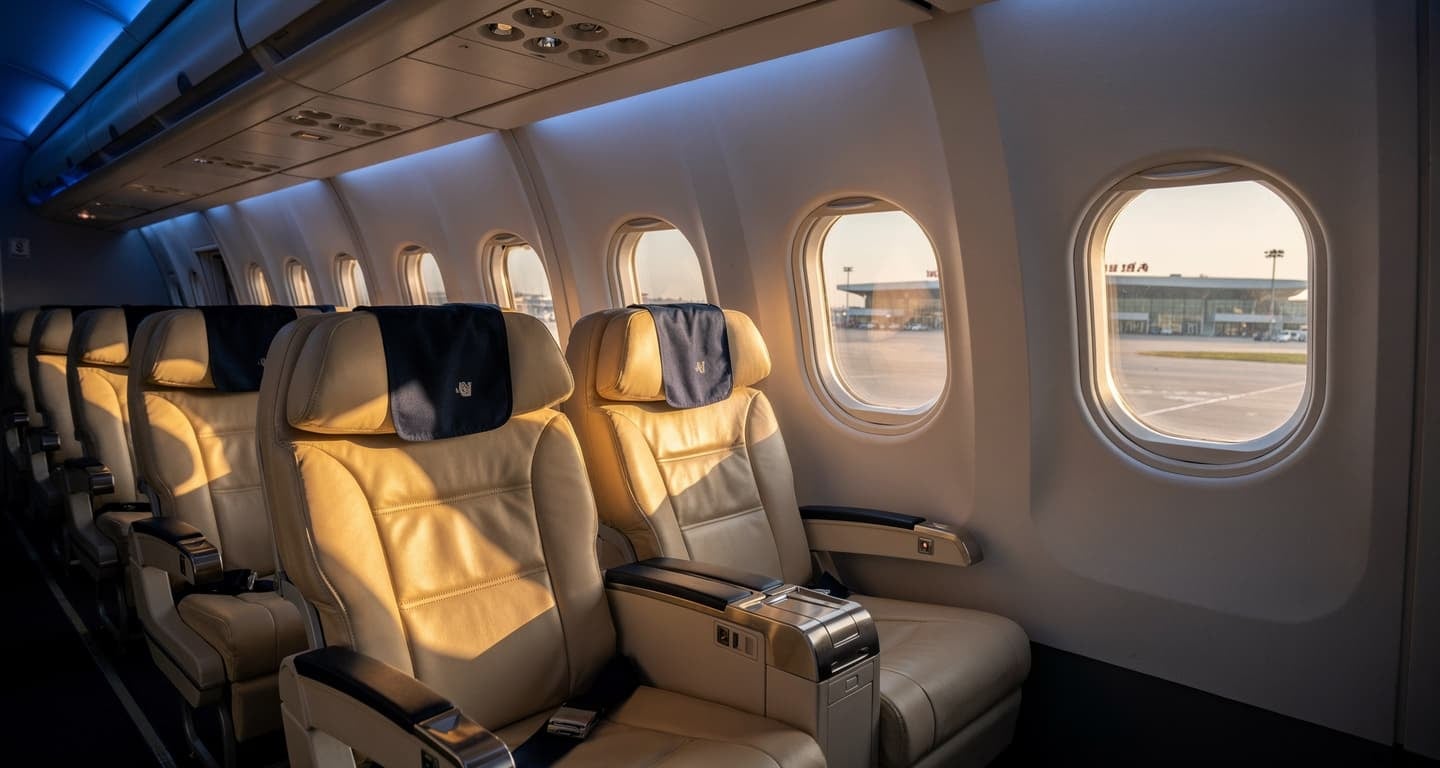
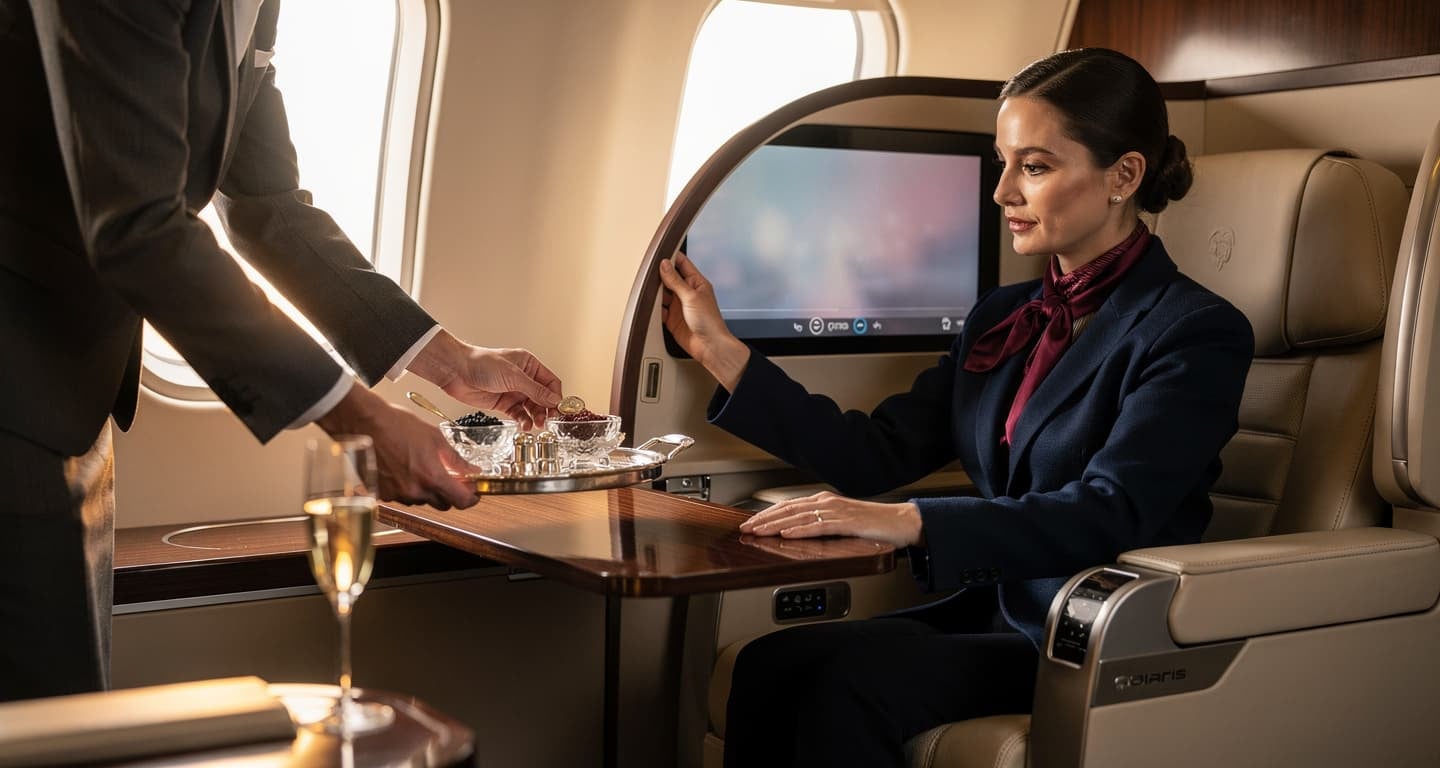
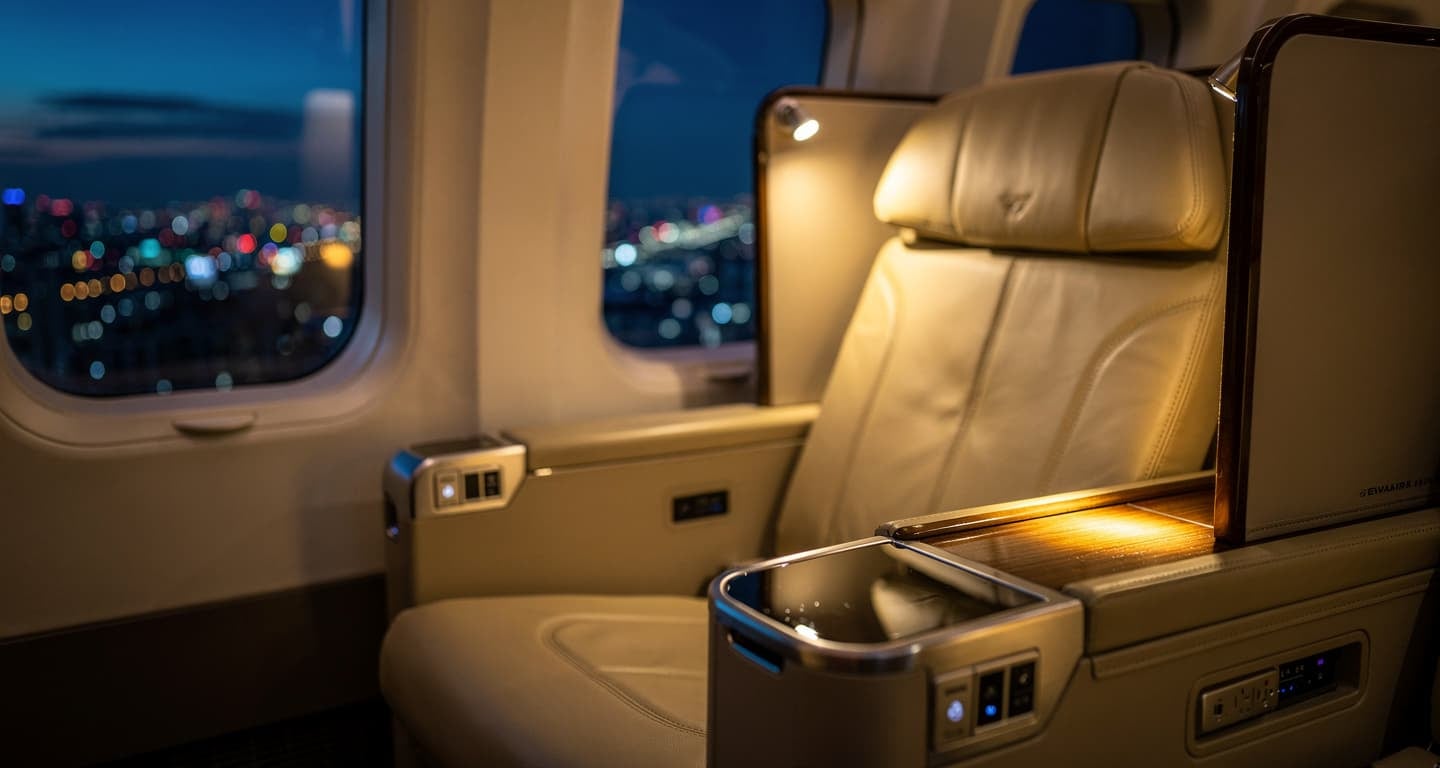
The four new aircraft represent a strategic pivot toward premium private aviation, each outfitted with executive configurations that accommodate nine passengers in stylish seating with minibar service — expandable to 13 seats in standard configuration. At $3.5 million per aircraft, they sit below true light jet pricing but above basic turboprop charters, targeting high-net-worth travelers seeking regional mobility without commercial airline constraints.
ASL Chairman Mazahar Ally announced the expansion alongside plans for enhanced ground services at the Timehri facility, including dedicated parking, meal service, and transportation support for private carriers facing operational challenges in the region.
Fleet composition and regional positioning
The expansion brings ASL’s total inventory to approximately 50 aircraft including both fixed-wing planes and helicopters, with 28 units currently in active passenger and cargo service. The new premium aircraft arrived from Panama and the United States, according to ASL’s announcement, marking the operator’s largest single acquisition in recent years.
This follows a pattern of financed growth — ASL previously secured a $5 million loan from IDB Invest to acquire two Cessna Grand Caravan EX aircraft for passenger and cargo operations. The new premium aircraft appear distinct from those utility-focused Caravans, suggesting ASL is segmenting its fleet between workhorse regional service and high-end private charters.
| Aircraft type | Acquisition cost | Configuration | Primary use case |
|---|---|---|---|
| Cessna Grand Caravan EX | $2.5M per unit (est.) | 13-14 pax standard | Passenger/cargo regional |
| New premium aircraft (2026) | $3.5M per unit | 9 pax executive (13 max) | Private/high-end charters |
| Fleet total (all types) | — | 28 active / 50 total | Mixed operations |
The premium configurations include full lavatory facilities and minibar service, features typically absent from regional turboprop charters. This positions ASL’s new aircraft as entry-level private jets suitable for short-haul Caribbean and South America routes, comparable to boutique operators like JSX’s premium Cessna configurations but lacking the lie-flat beds or full-service amenities of midsize jets like the Citation Latitude.

Flight deals most people never see
Our AI monitors 150+ airlines for pricing anomalies that traditional search engines miss. Air Traveler Club members save $650 per trip per person on average: see how it works.
Each deal saves 40–80% vs. regular fares:

Why Guyana’s private aviation capacity matters now
ASL’s expansion arrives as Guyana’s aviation infrastructure undergoes significant investment, with passenger traffic at Cheddi Jagan International Airport reaching 1.7 million seats annually. The country is positioning itself as a Caribbean hub, driven by economic growth and increased business travel tied to offshore energy development.
The new premium aircraft fill a gap in regional private aviation. Competitors like Trans Guyana Airways operate smaller propeller aircraft with less premium outfitting, while international operators accessing Timehri typically serve longer-haul routes. ASL’s local presence and 28 active aircraft provide schedule flexibility for Guyana’s interior destinations and short-haul Caribbean connections that commercial carriers underserve.
The Timehri facility expansion — planned to include dedicated parking, meal service, and ground support for private carriers — signals ASL’s intent to capture transient private jet traffic. If operational by late 2026, it positions Guyana as a viable alternative to congested hubs like Barbados or Trinidad for high-net-worth travelers seeking Caribbean access without commercial airline delays.
Booking considerations for Caribbean private charters
ASL’s expansion enhances regional private aviation capacity, but advance planning remains essential given the operator’s multi-role fleet serving both passenger and cargo operations.
- Contact ASL directly for charter availability — no evidence of online booking platforms or jet card programs; expect traditional charter quoting process with 48-72 hour lead times for non-urgent trips.
- Consider routing through Timehri for Caribbean connections once facility upgrades complete; ASL’s local infrastructure advantage means faster turnarounds than international operators staging through the airport.
- Compare against commercial premium cabins for longer routes — at estimated $2,500-$4,000 hourly rates, ASL’s new aircraft make economic sense for 2-4 passenger groups on sub-3-hour flights where business class fares exceed $1,500 per person.
- Monitor empty-leg opportunities as ASL’s expanded fleet increases repositioning flights; operators typically discount these 30-50% below standard charter rates for flexible travelers.
Watch: ASL’s Timehri facility expansion timeline will reveal whether the operator can convert fleet growth into genuine hub capacity or if regulatory tensions constrain operations despite new aircraft.

FAQ
How does ASL’s pricing compare to commercial business class on Caribbean routes?
ASL operates on-demand charter without published rates, but industry standards suggest $2,500-$4,000 hourly for their new premium aircraft. For a 2-hour Georgetown to Barbados flight, expect $5,000-$8,000 total charter cost. This makes economic sense for 3-4 passengers when business class fares exceed $1,500 per person, offering schedule control and privacy commercial cabins can’t match.
Can I book ASL’s new premium aircraft through fractional programs or jet cards?
No evidence suggests ASL offers fractional ownership or jet card programs. The operator functions as traditional on-demand charter, requiring direct contact for quotes and availability. This differs from operators like NetJets or Flexjet that sell pre-purchased flight hours with guaranteed availability.
What routes make the most sense for ASL’s new premium aircraft?
The nine-passenger executive configuration suits short-haul Caribbean and northern South America routes under 3 hours — Georgetown to Barbados, Trinidad, Suriname, or Guyana’s interior destinations. Longer routes favor larger jets with lie-flat beds. ASL’s local Guyana presence provides schedule advantage for business travelers needing flexible departure times on these regional hops.
Read more