Summary
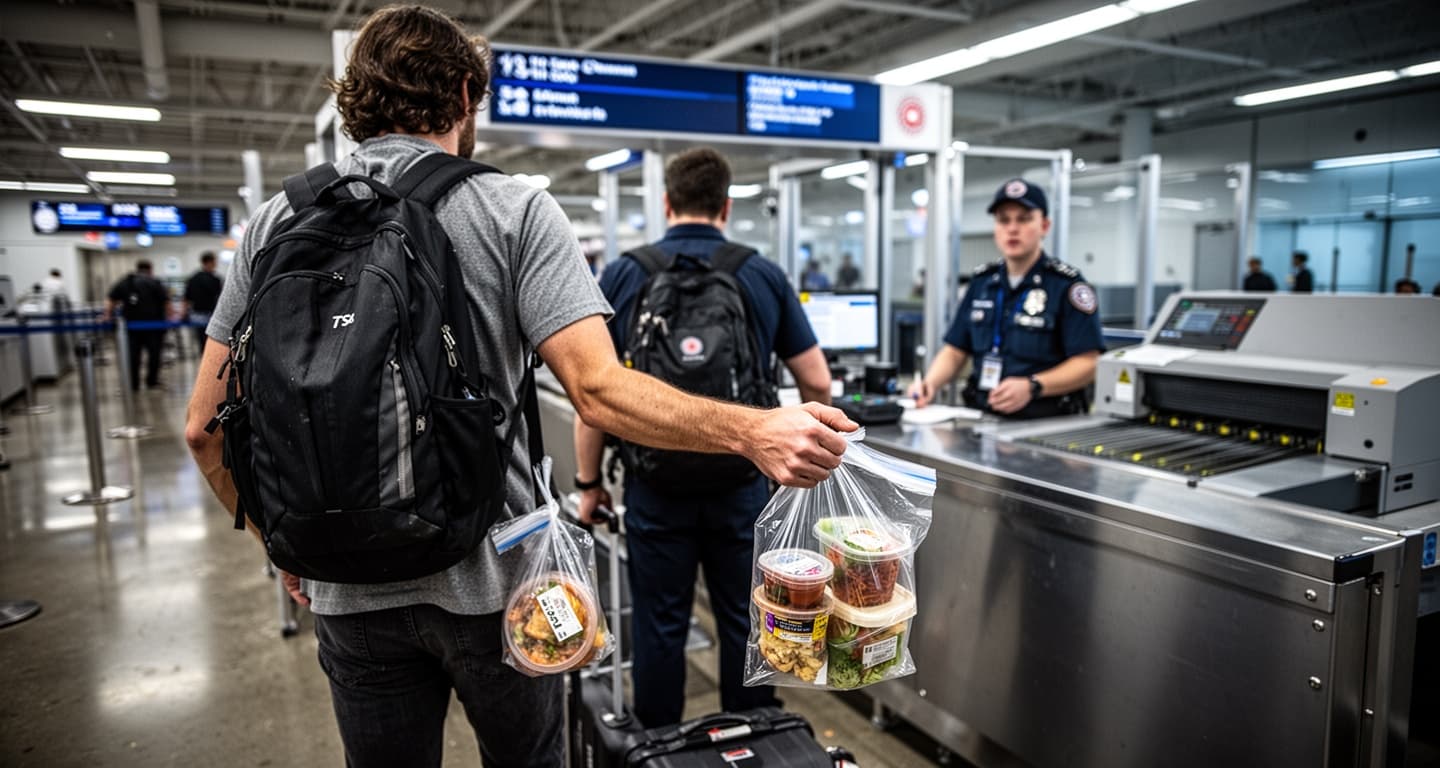
TSA security wait times at Atlanta, Houston, and Chicago O’Hare have reached 4 to 6 hours as of March 27, 2026, driven by 40–50% officer absence rates during a 42-day partial government shutdown. Over 50,000 TSA officers are working without pay while spring break volumes run 5% above last year, creating the longest security lines in US aviation history and forcing Philadelphia to close three checkpoints entirely.
TSA PreCheck cuts waits to under 10 minutes at most hubs, while Denver and Dallas-Fort Worth report maximum 20-minute delays. Congress adjourns for a two-week recess after today’s session, potentially extending the crisis into mid-April.
The partial government shutdown that began February 14, 2026 has collapsed TSA staffing at the nation’s busiest airports, with Fort Lauderdale’s Terminal 3 and 4 seeing 90-minute waits from 5 a.m. and Atlanta’s Hartsfield-Jackson reporting queues spilling into concourses.
Private aviation bookings have surged as commercial travelers face missed connections and rebooking chaos. NetJets and VistaJet are fielding same-day charter requests at $5,000 to $15,000 per flight hour, while line-sitting services through platforms like TaskRabbit are commanding $50 to $150 per hour to hold places in security queues.
The crisis affects travelers with imminent departures through Atlanta, Houston Intercontinental, and O’Hare most severely. Those holding TSA PreCheck or Clear memberships retain functional access—PreCheck lanes are processing in under 10 minutes even at affected airports—but standard security has become operationally unreliable for time-sensitive itineraries.
How the shutdown collapsed airport security operations
More than 50,000 TSA officers have worked without pay for 42 consecutive days, triggering call-out rates between 40% and 50% at major hubs. Philadelphia International closed three security checkpoints due to short staffing, while Houston’s Bush Intercontinental logged 240-minute average waits during peak morning hours on March 25.
Spring break travel volumes—running 5% above 2025 levels—have compounded the staffing shortage. The combination has produced wait times that exceed the previous record set during the 2018–2019 partial shutdown, when absence rates peaked at 20% and Atlanta saw two-hour queues.
Not all airports face equal disruption. Denver International and Dallas-Fort Worth report maximum 20-minute security waits, suggesting regional staffing resilience or lower absence rates. TSA PreCheck lanes function normally across the system, processing travelers in under 10 minutes at 95% of checkpoints, according to real-time TSA data.
| Airport | Standard security | TSA PreCheck | Status |
|---|---|---|---|
| Atlanta (ATL) | 360 minutes | 8 minutes | Critical |
| Houston (IAH) | 240 minutes | 9 minutes | Critical |
| Chicago (ORD) | 210 minutes | 7 minutes | Severe |
| Fort Lauderdale (FLL) | 90 minutes | 6 minutes | Moderate |
| Denver (DEN) | 20 minutes | 5 minutes | Normal |
| Dallas-Fort Worth (DFW) | 18 minutes | 4 minutes | Normal |

Flight deals most people never see
Our AI monitors 150+ airlines for pricing anomalies that traditional search engines miss. Air Traveler Club members save $650 per trip per person on average: see how it works.
Each deal saves 40–80% vs. regular fares:

Why private jets now compete with line-sitting services
The chaos has created a two-tier bypass market. Private jet charters through NetJets or VistaJet offer door-to-door transit in 30 to 60 minutes versus four-hour TSA processing, with empty-leg flights bookable same-day for $3,000 to $15,000 depending on route and aircraft type. NetJets fractional shares require $10,000+ initiation plus hourly rates, positioning true private aviation in the ultra-luxury tier.
Line-sitting services occupy the mid-tier convenience layer. TaskRabbit connects travelers with vetted sitters who hold security queue positions for $40 to $150 per hour, with 24/7 booking and no membership requirements. The service requires sharing flight details and pickup location—creating profiling exposure that private aviation avoids entirely.
During the 2018–2019 shutdown, NetJets reported a 15% booking surge as TSA absence rates hit 20%. Lines normalized within 48 hours of pay resumption, suggesting no long-term shift in luxury travel patterns. The current 40–50% absence rate represents double the previous crisis severity, potentially sustaining elevated private aviation demand through April if congressional funding stalls.
What determines how long this lasts
Congress adjourns today for a two-week recess, creating a funding gap that could extend TSA staffing shortages into mid-April. The 2019 precedent suggests lines normalize within 48 hours of pay resumption, but the current absence rate—double the 2019 peak—indicates deeper operational strain that may require 72 to 96 hours for full recovery.
- Monitor congressional funding votes through March 27: House and Senate passage triggers immediate TSA pay restoration, with 50% wait-time reduction expected within 72 hours based on 2019 recovery patterns.
- Track real-time conditions via TSA mobile app or tsawaittimes.com: Live checkpoint data updates every 15 minutes, allowing same-day routing decisions for travelers with flexible itineraries.
- Leverage TSA PreCheck or Clear memberships immediately: Both programs process in under 10 minutes system-wide, eliminating shutdown exposure for $85–$200 annual investment.
- Book private aviation through established operators: NetJets, VistaJet, or Wheels Up maintain 24-hour charter availability; avoid unvetted brokers during crisis demand spikes.
Watch: If Congress delays funding past the April 10 recess end, expect private jet bookings to sustain 20%+ above baseline through late April, with line-sitting services expanding into secondary airports as commercial travelers exhaust alternatives.
FAQ
Does TSA PreCheck guarantee fast security processing during the shutdown?
Yes. TSA PreCheck lanes are processing travelers in under 10 minutes at 95% of US airports as of March 27, 2026, including Atlanta, Houston, and O’Hare. PreCheck officers are working under the same unpaid conditions but absence rates remain below 10% in dedicated lanes, maintaining operational reliability.
Can I book a private jet charter with less than 24 hours notice?
Yes. NetJets, VistaJet, and Wheels Up accept same-day bookings based on aircraft availability. Empty-leg flights—repositioning flights sold at discount—can be booked 2 to 6 hours before departure for $3,000 to $8,000 on short-haul routes. Expect limited inventory during peak travel windows like spring break.
Are airlines waiving change fees for shutdown-related rebooking?
Major carriers including Delta, United, and American Airlines are waiving change fees for travelers who miss flights due to TSA delays, provided you contact the airline within 24 hours of the missed departure. Rebook through airline apps or customer service lines; fee waivers apply to same-cabin rebooking within 7 days.
How do line-sitting services verify the person holding my place in line?
TaskRabbit and similar platforms require sitters to upload photo verification at checkpoint entry and provide GPS tracking throughout the wait. You receive real-time updates and meet the sitter at a designated handoff point before security screening. The sitter cannot pass through security on your behalf—they hold the queue position only.
Read more