Summary
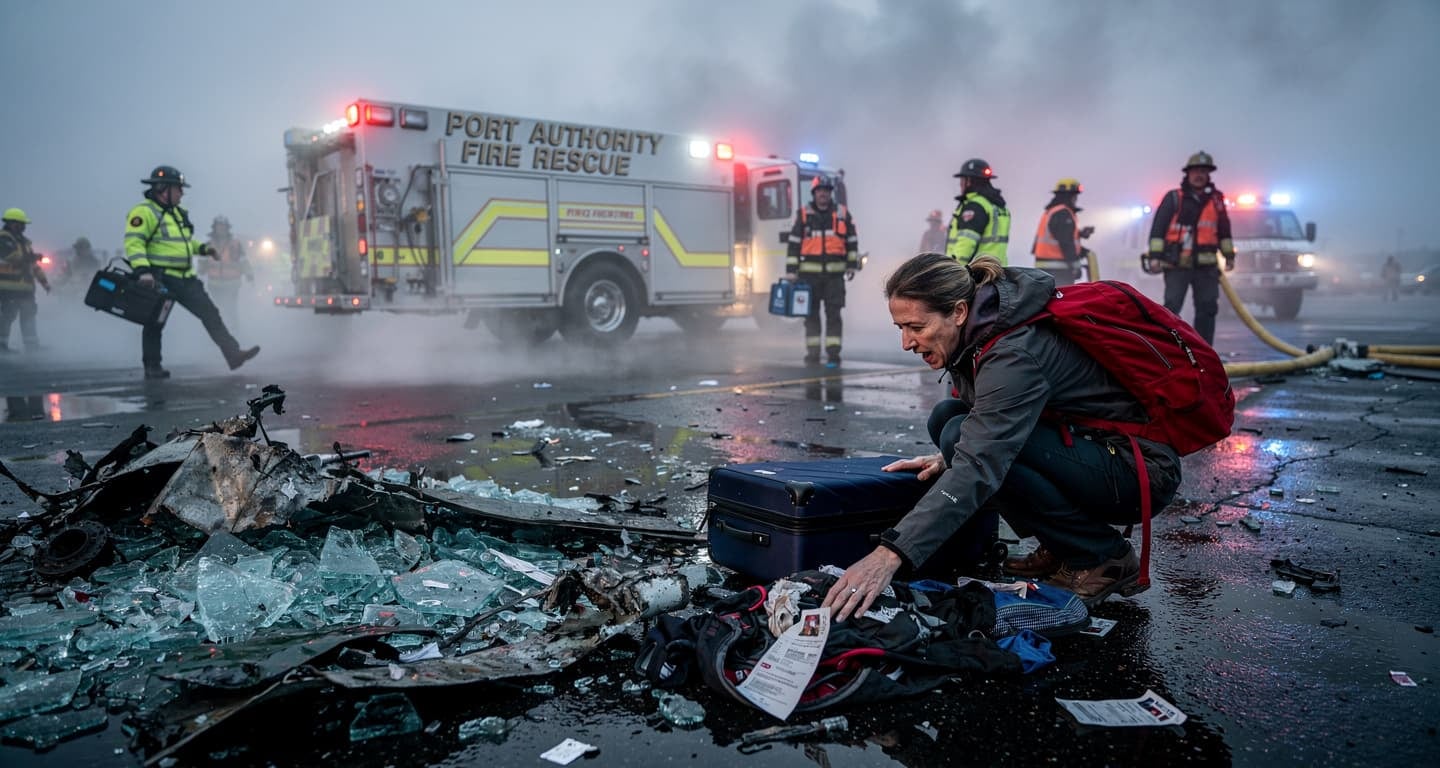
Two runway near-misses at Sydney Airport in a single week have drawn urgent safety scrutiny from the Australian Transport Safety Bureau, even as chronic air traffic controller shortages forced flow-management measures that delayed more than 150 flights on Saturday alone. A Jetstar Airways Airbus A320 braked hard to avoid a towed Qatar Airways Boeing 777 on Sunday morning, injuring one crew member, just days after a July 27 incursion involved two Qantas Airways aircraft and an air traffic control clearance error.
The ATSB has opened investigations into both events, while Airservices Australia acknowledges staffing and rostering gaps are triggering further disruption. Premium travellers transiting Sydney should prepare for rebooking pressure and possible last‑minute itinerary changes as the airport’s busiest international gateway grapples with cascading operational stress.
A Jetstar A320 crewed for the Gold Coast was lining up around 7 a.m. on August 9, 2026 when a tug began towing a Qatar Airways 777 across the same intersection. The Jetstar flight crew slammed the brakes, and one cabin crew member was injured by the abrupt stop. The pilot told passengers those directing the Qatar aircraft “didn’t follow instructions” and that the A320 had been “focused on crossing the runway” only to avoid a collision by chance at the last moment.
It was the second runway incursion at Sydney Airport in under two weeks. On July 27, air traffic control cleared one Qantas aircraft to cross a runway while another was landing; no one was hurt, but the ATSB launched an investigation. Together, the two events lay bare the pressure on a hub where air traffic controller shortages are constraining capacity and raising operational risks. Over the preceding weekend, more than 150 flights were delayed on Saturday, including 95 Qantas services.
For premium travellers whose itineraries hinge on Sydney as a domestic‑to‑international bridge, the twin probes and persistent delays inject unsettling uncertainty. The ATSB is now gathering flight‑data recorder downloads, air traffic control tapes and witness statements from both incidents.
Airservices Australia confirmed it had implemented flow‑management measures — increasing departure spacing — from 6 a.m. to 8 a.m. on Sunday to cope with rostering deficits. The air navigation service provider said it is “enhancing our training pipeline to add further controllers to improve roster depth” and working to fix rostering rules that sap workforce flexibility, but warned that further disruption to airline schedules may occur.
The two near-misses explained
The July 27 event involved a Qantas aircraft that had been cleared to cross an active runway while a second Qantas jet was on final approach. No impact occurred, but the ATSB considers such “loss of separation” a high‑severity occurrence. Its investigation will examine why the clearance was given and whether controller workload played a role. The Sunday morning scenario was different: a ground‑handling crew towing a Qatar 777 into the path of an Airbus A320 that had been given a hold‑short instruction. The resulting hard‑braking event caused an injury aboard the Jetstar aircraft, raising questions about ground‑movement coordination protocols.
Airservices Australia attributed the Saturday delay cluster — 150‑plus flights delayed — directly to staffing shortfalls, a long‑simmering issue that periodically forces flow restrictions at Australia’s busiest airport. The same under‑resourcing meant only a skeleton air traffic control team was handling ground movements early Sunday, a situation that investigators will scrutinise as part of the ATSB’s safety probe.
| Date | Aircraft/Airline | Incident type | Outcome | Regulatory response |
|---|---|---|---|---|
| July 27 | Qantas (two aircraft) | ATC clearance error — one cleared to cross while another landing | No injuries, no damage | ATSB investigation opened |
| August 9 | Jetstar A320 / Qatar 777 (towed) | Tug‑driven incursion into active runway; A320 braked | 1 cabin crew injured | ATSB investigation opened; Airservices staffing under review |
| August 8‑9 | Multiple airlines | Air traffic flow management imposed due to controller shortage | 150+ flights delayed Saturday; continued disruption | Airservices enhancing training pipeline; temporary flow‑management measures |

Flight deals most people never see
Our AI monitors 150+ airlines for pricing anomalies that traditional search engines miss. Air Traveler Club members save $650 per trip per person on average: see how it works.
Each deal saves 40–80% vs. regular fares:

How policing ground movements shields Sydney’s premium gateway
Ground incursions at a hub that funnels so much premium long‑haul traffic damage more than schedules. When a near‑miss involves a wide‑body being towed across an active runway, the faith that airlines and travellers place in the airport’s operational safety fabric is tested. For high‑value itineraries routed through Sydney, the perception of risk — even if the statistical probability of a collision remains low — can nudge planners toward one‑stop alternatives that bypass the congestion.
Similar ground‑movement failures emerged at Los Angeles International Airport in April 2026, when a Frontier Airlines A321neo had to brake to avoid two service trucks on a taxiway. Air Traveler Club’s analysis of that incident and its systemic implications underlined how blind‑spot risks in non‑visible areas can escalate without procedural safeguards. Sydney’s circumstances are different — the towed aircraft was under the direction of ground handlers — but the central lesson is the same: when traffic volumes stress an already stretched controller workforce, the margin for error shrinks fast.
What the ATSB probe means for premium bookings this week
The back‑to‑back runway near‑misses and ongoing airspace constraints make proactive itinerary management essential for anyone holding premium bookings through Sydney in the coming days.
- Check your flight status directly with the airline before heading to the airport. Even if your own service appears on‑time, flow‑management measures can trigger last‑minute schedule changes that cascade across the day.
- Leverage trip‑delay protections on premium cards if a covered delay forces an overnight stay or meal expenses. File promptly with documentation, as the current disruption may cause agents to request specific delay‑cause verification.
- Consider rebooking onto earlier or later flights if your itinerary has a tight connection. Jetstar and Qantas both operated through the disrupted period; flexibility now may preserve a premium‑cabin seat later if the ATSB’s findings lead to stricter ground‑movement restrictions.
- Monitor ATSB interim updates. Should the ATSB issue urgent safety recommendations, operational adjustments — including temporary runway closures or towing procedure changes — could materialise with little notice.
Watch for enhanced ground‑movement rules in the near term; if the ATSB links the Sunday event to a failure of towing‑crew procedures, expect Sydney Airport to rapidly tighten its ground‑handling protocols and potentially increase minimum spacing between tows and active crossings.
FAQ
What is the ATSB investigating in the two Sydney incidents?
The ATSB is gathering data from the aircraft flight‑recorders, air traffic control recordings and witness interviews. For the July 27 incursion it will focus on why a crossing clearance was issued while a landing aircraft was on approach. For the August 9 near‑miss it will examine whether the tow‑crew followed ground‑control instructions and why the Jetstar crew had to brace so abruptly. Preliminary findings often emerge within days, with full reports taking 12 months or more.
How long will the flow‑management delays at Sydney last?
Airservices Australia has not set a firm end date. The flow measures — increased spacing between departures — are tied to controller rostering gaps. The agency says it is fast‑tracking training and addressing roster inflexibility, but even after the immediate restrictions are lifted, the underlying shortage could reactivate constraints during peak periods.
Will my credit card trip delay protection cover costs from these disruptions?
If you paid for your fare with a premium card that includes trip delay coverage, and the delay exceeds the card’s threshold (typically six hours or an overnight stay), you may be reimbursed for meals and lodging up to $500 per trip. Be sure to obtain written confirmation of the cause of delay from the airline and file within the card issuer’s deadline.
Read more