Summary
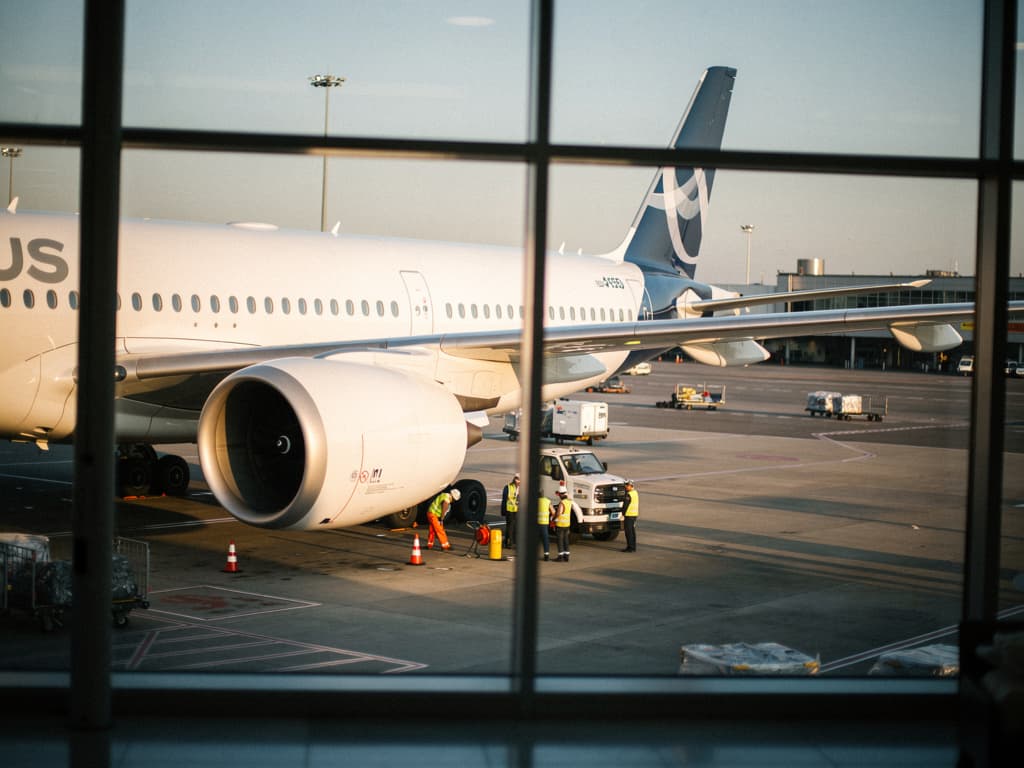
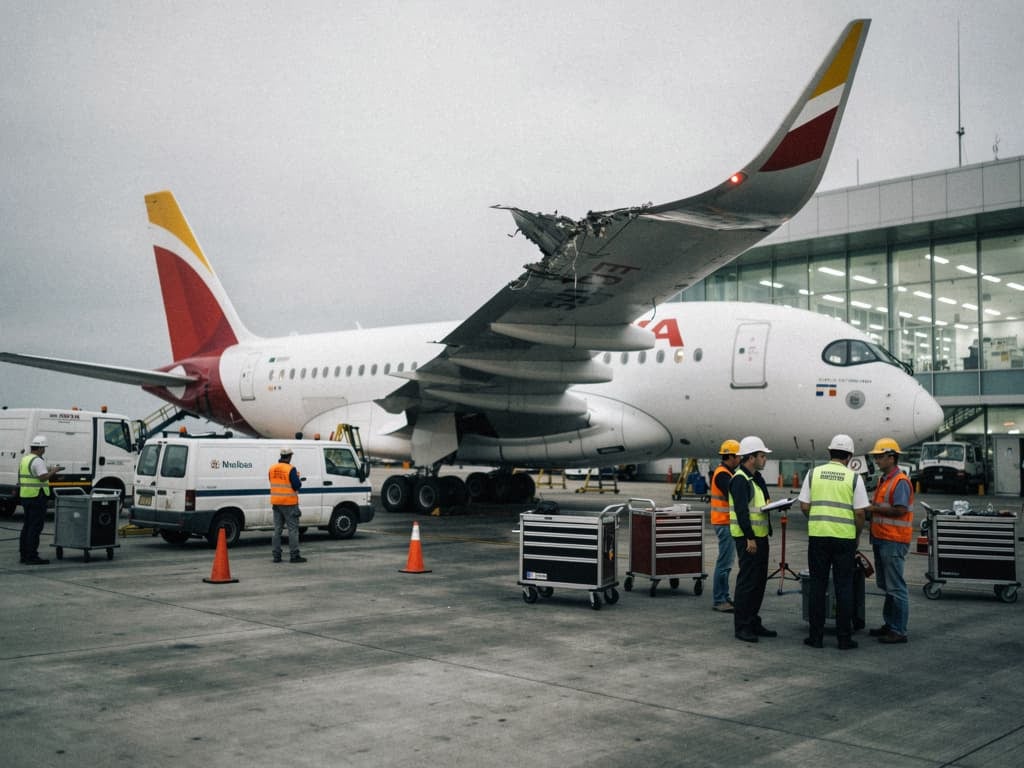
A ground worker at Montréal-Trudeau International Airport sustained life-threatening injuries after being struck by a French Bee Airbus A350-900 during pushback on August 24, 2026 at approximately 7:30 p.m. local time. The accident occurred as flight BF5761 prepared to depart for Paris-Orly, prompting immediate federal and workplace safety investigations.
The incident triggered a multi-hour ground stop that rippled across international and transborder gates, delaying and canceling flights well into the following morning. The Transportation Safety Board of Canada and Quebec’s CNESST workplace authority have both opened investigations.
A ramp agent fighting for his life after a widebody pushback gone wrong. That’s the reality at Montréal-Trudeau, where a French Bee Airbus A350-900 struck a ground worker on the evening of August 24, 2026, triggering a federal safety inquiry and paralyzing one of Canada’s most connected international gateways for hours.
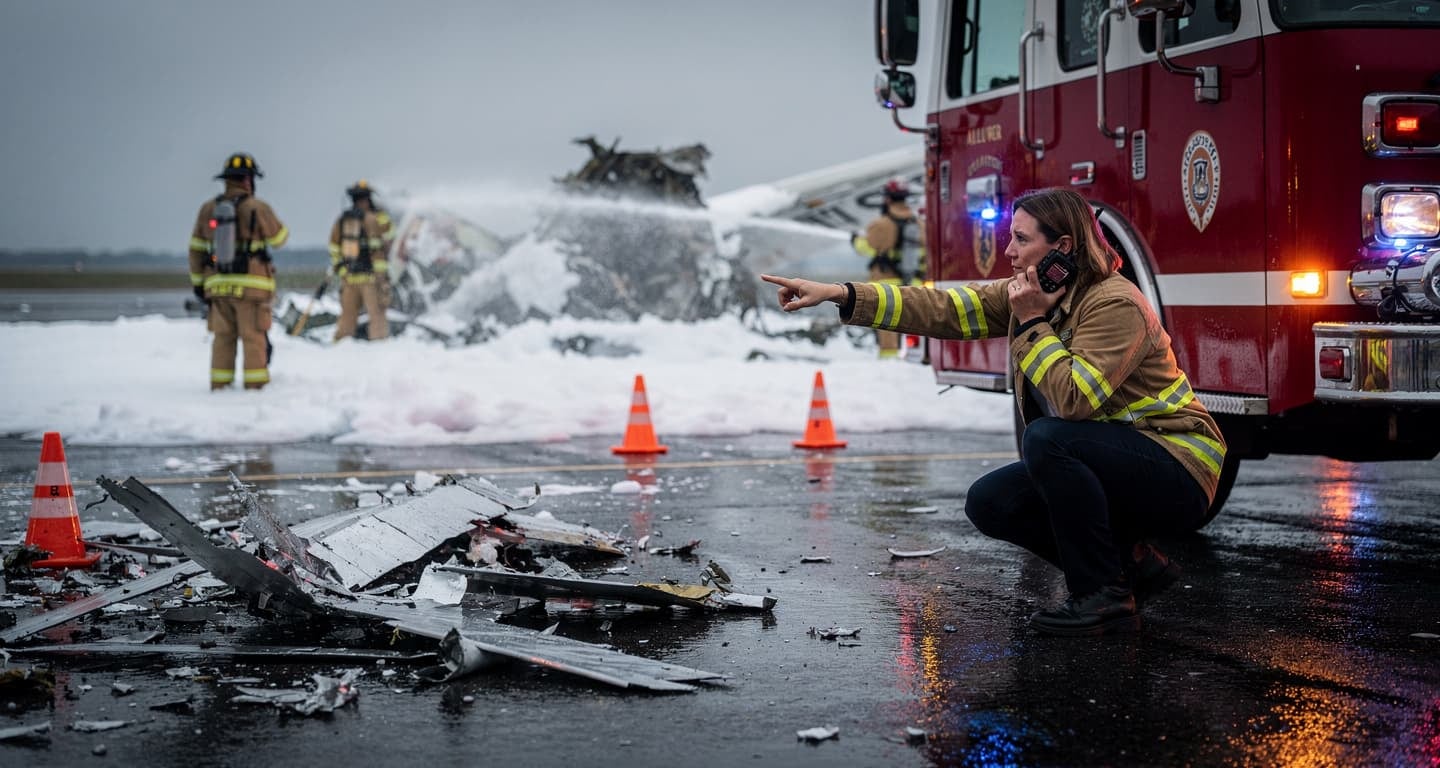
The worker, serving as a marshaller or wing walker, reportedly tripped and fell before being struck by the aircraft’s landing gear. Emergency responders arrived at the gate, administered critical care, and transported the individual to a local hospital in critical condition. No passengers or crew aboard the aircraft were reported injured.
Flight BF5761 to Paris-Orly never departed on schedule. The accident forced an extended ground stop at Montréal-Trudeau, restricting all apron movement to and from terminal gates. International and transborder operations absorbed the heaviest blow, with cascading delays and cancellations continuing into Tuesday morning.
Pushback requires precise coordination between the tug driver, wing walkers, marshaller, and flight deck — a choreographed sequence where one misstep near moving landing gear becomes catastrophic. That vulnerability, and whether ramp communication protocols failed, now sits at the center of two concurrent investigations.
How the pushback accident unfolded
The sequence began with what should have been a routine widebody departure. Flight BF5761, operating to Paris-Orly, was engaged in pushback from its gate when the worker tripped and fell into the path of the moving Airbus A350-900. The aircraft’s landing gear struck the individual before the pushback crew could halt the maneuver.
French Bee confirmed a serious accident had occurred during ground operations prior to departure. The airline said it was cooperating fully with Canadian authorities and that its immediate priority was supporting those affected. No deployment notice had been published by the Transportation Safety Board of Canada as of August 25, though the agency had been notified within hours of the incident.
Quebec’s workplace safety authority, CNESST, is expected to review the case under provincial accident procedures. That dual-track investigation — federal aviation safety alongside provincial workplace regulation — reflects the layered nature of ramp operations, where airline, airport, ground handler, and regulator all share responsibility for safe aircraft turns.
Normal flight operations gradually resumed after the emergency response concluded, but residual delays from the ground stop compounded through the overnight bank and into Tuesday morning, stranding international and transborder passengers with no immediate rebooking options.
| Date | Event | Impact | Status |
|---|---|---|---|
| August 24, 2026, ~7:30 p.m. | Ground worker struck by French Bee A350-900 during pushback | Life-threatening injuries; worker transported to hospital | Investigation initiated |
| August 24, 2026, evening | Extended ground stop enforced at Montréal-Trudeau | Cascading delays and cancellations at international and transborder gates | Lifted after emergency response |
| August 25, 2026 | Transportation Safety Board notified; no deployment notice published | Federal safety investigation pending formal launch | Awaiting occurrence notice |
| August 25, 2026 | Quebec CNESST expected to review workplace accident | Provincial safety probe into ramp coordination | Procedures initiated |

Flight deals most people never see
Our AI monitors 150+ airlines for pricing anomalies that traditional search engines miss. Air Traveler Club members save $650 per trip per person on average: see how it works.
Each deal saves 40–80% vs. regular fares:

Montreal-Paris competitive landscape after the disruption
For Montreal–Europe travelers, the practical comparison runs between French Bee’s low-fare long-haul model and full-service alternatives such as Air Canada and Air France, which typically offer broader reaccommodation options and alliance support during disruption. A single ramp event can affect an airport’s ability to protect connections across multiple carriers, not just the airline directly involved.
The incident matters because a ground stop at Montréal-Trudeau — a high-traffic Canadian gateway with dense transborder and transatlantic movements — quickly affects connections across North America and Europe. Premium itineraries through YUL depend on operational reliability that one pushback accident can unravel in minutes.
Air Traveler Club’s analysis of the LaGuardia Air Canada Express collision mapped a similar pattern: a single ground incident triggering hours of cascading disruption at a major North American gateway, with passengers holding premium itineraries bearing the rebooking burden.
What federal investigators will scrutinize
Transportation Safety Board preliminary findings are expected within 30 days. If investigators identify a systemic gap in ramp communication protocols rather than an isolated misstep, expect the TSB to issue interim safety recommendations covering widebody pushback procedures at Canadian airports. Watch for a deployment notice on the TSB Canada newsroom index — if it appears by early September, the case has moved into formal safety review.
Also monitor French Bee’s operational bulletin for BF5761 and subsequent Montreal rotations. If service changes appear beyond the initial ground stop, the incident is affecting route reliability in ways that will require carrier-level intervention.
FAQ
Is the injured worker expected to survive?
The worker was transported to a local hospital in critical condition with life-threatening injuries as of the most recent update on August 25, 2026. No further medical prognosis has been released by hospital officials or investigators.
Will this affect French Bee flight BF5761 operations?
The aircraft involved remained on the ground following the incident, and BF5761 did not depart as scheduled on the evening of August 24. French Bee has not yet published an operational bulletin confirming whether the same aircraft was cleared for service or whether a substitution occurred for subsequent rotations to Paris-Orly.
How long will the TSB investigation take?
Transportation Safety Board of Canada investigations typically require 12 to 24 months for a full report. However, interim safety recommendations or preliminary findings may be issued within 30 days if investigators identify urgent safety deficiencies during the initial examination phase.
Read more