Summary
On September 14, 2026, Singapore Airlines flight SQ24—an Airbus A350-900 on one of the world’s longest nonstop routes—returned to Changi Airport after a medical emergency forced a turnaround over the Philippine Sea, delaying arrival in New York by roughly 10 hours. Unverified passenger accounts suggest the captain may have been the ill crew member, though the airline has not confirmed.
SQ24 landed back at Singapore at 9:11 p.m. and eventually departed again at 11:58 p.m., with affected customers receiving ground assistance. The incident underscores the operational fragility of ultra-long-haul flying and puts a spotlight on passenger rights during medical diversions.
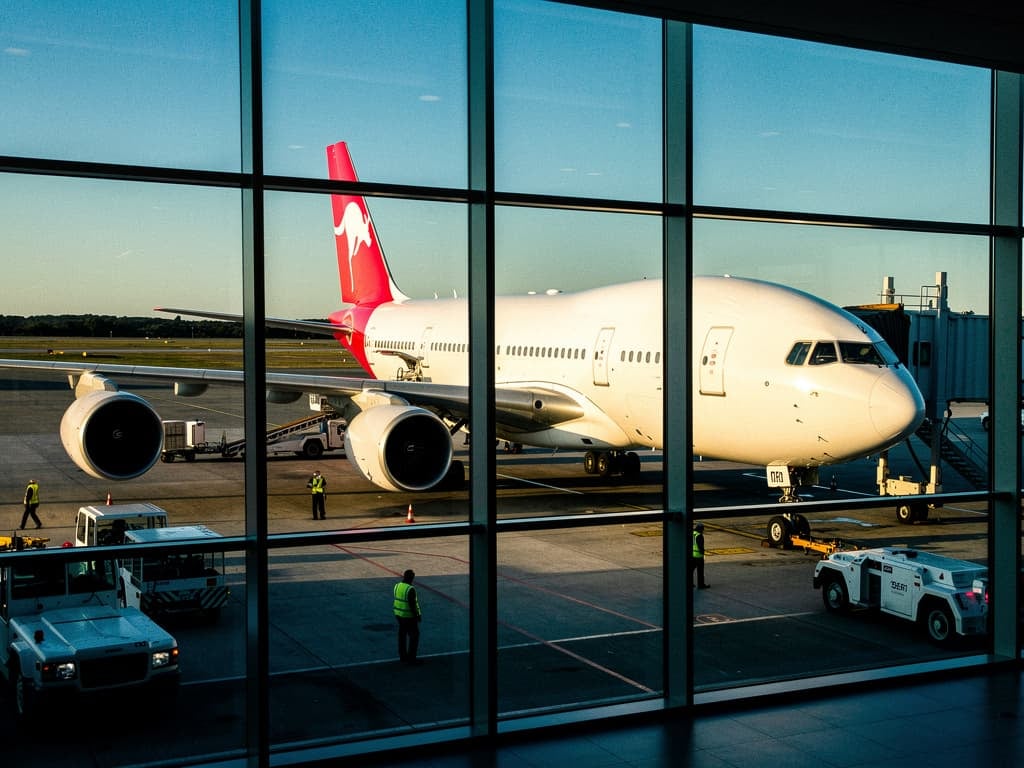
For passengers aboard Singapore Airlines flight SQ24, a routine departure from Singapore Changi on Monday afternoon turned into an hours-long ordeal that upended one of commercial aviation’s most iconic journeys. The Airbus A350-900, bound for John F. Kennedy International Airport, had been aloft for roughly four hours—flying over the Philippine Sea near Taiwan—when the crew elected to turn back. Unconfirmed reports, circulating among passengers and on social media, claimed the captain was the individual experiencing a medical emergency, though Singapore Airlines, citing confidentiality, did not identify the person or confirm the role.
The return to origin on a route covering roughly 15,349 kilometres meant a total delay approaching 10 hours for the 144 passengers and 17 crew aboard. SQ24 touched down at 9:11 p.m. local time, was refuelled, and eventually pushed back again at 11:58 p.m. after the airline provided meals and assistance. The rescheduled flight landed at JFK the next morning.
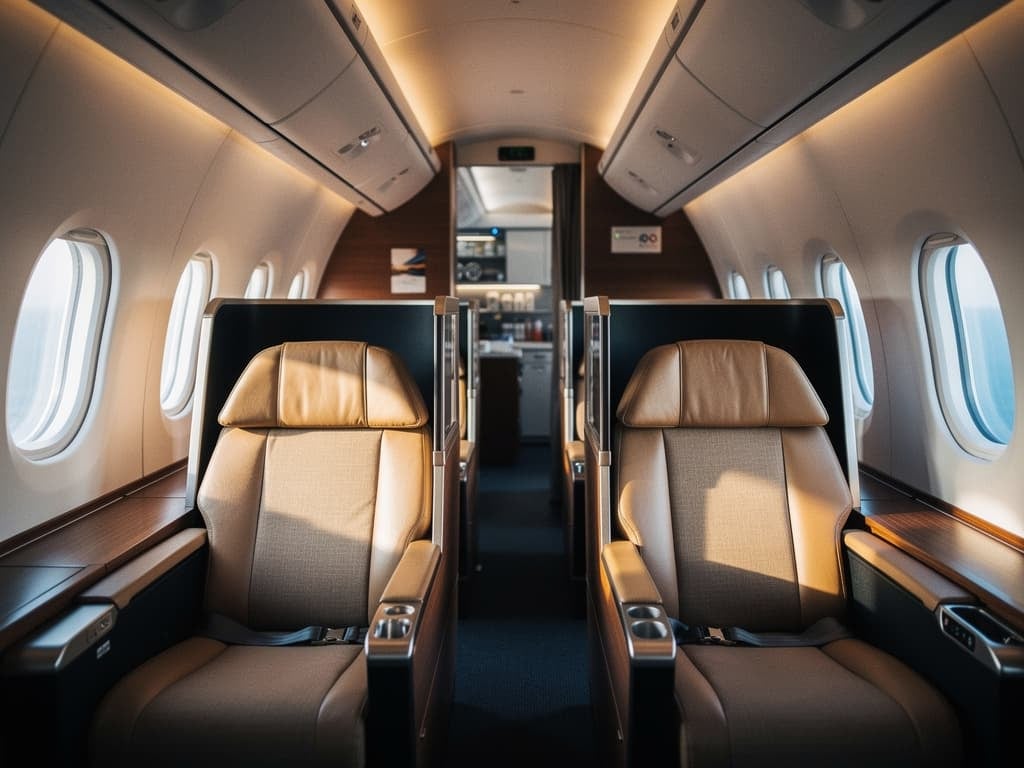
For the premium cabins that dominate this flagship Singapore Airlines ultra-long-haul product, the episode punctures the aura of seamless continuity the route promises. With very few diversion options across the Pacific, medical events on these sectors test not only crew protocols but the entire passenger recovery playbook.
The timeline and the airline’s response
Flight-tracking data and airline statements confirm a tightly choreographed—if highly disruptive—turnaround. SQ24 pushed back from Changi at 12:24 p.m. on September 14. By approximately 4:24 p.m., the crew had initiated a return. The A350 landed at 9:11 p.m., was attended by medical personnel, and spent roughly two hours on the ground before departing again. Singapore Airlines acknowledged a medical emergency but, bound by privacy regulations, provided no details on the affected person’s condition.
The airline’s Customer Service Plan promises meals, accommodation where needed, and rebooking assistance after diversions, and the company stated it delivered ground support including refreshments. Yet for the passengers, the experience was likely chaotic: a sudden U-turn, hours of uncertainty, and a middle-of-the-night re-departure.
| Time | Event | Detail |
|---|---|---|
| 12:24 p.m. | Departure from Changi | A350-900 with 144 passengers and 17 crew lifts off |
| ~4:24 p.m. | Turnback initiated | Medical emergency reported; aircraft over Philippine Sea near Taiwan |
| 9:11 p.m. | Landing at Changi | Medical team meets aircraft; passengers receive assistance; refuelling begins |
| 11:58 p.m. | Resumed journey | Departs for JFK, scheduled to arrive 9:38 a.m. Sep 15 |

Flight deals most people never see
Our AI monitors 150+ airlines for pricing anomalies that traditional search engines miss. Air Traveler Club members save $650 per trip per person on average: see how it works.
Each deal saves 40–80% vs. regular fares:

Why returning to origin made operational sense
While diverting to Taipei or Tokyo might have seemed quicker, returning to Singapore offered distinct advantages. Changi is Singapore Airlines’ main hub, with its own engineering base, crew standby pools, and full passenger handling capability. For a medical event of uncertain severity, the ability to access the airline’s own medical support team and relieve the crew under controlled conditions likely outweighed the incremental time saved by a foreign alternate. Crew duty limits also factored in: after already logging more than four hours, the operating crew needed a full reset before any onward journey.
As Air Traveler Club’s recent analysis of a British Airways A380 medical emergency over the UK illustrated, such incidents strain crew resources and airport logistics even on shorter legs; on an ultra-long sector the calculus is far more consequential. For premium passengers, the takeaway is that while safety protocols worked, the very nature of these routes makes diversions uniquely punishing.
How ultra-long-haul medical diversions reshape expectations
The SQ24 event exposes a core tension of ultra-long operations: when a critical medical incident occurs hours from any suitable alternate, a return to origin can be the safest—but most disruptive—option. If the Civil Aviation Authority of Singapore examines the incident, it could push carriers to formalize crew medical fitness protocols and diversion criteria for flights that routinely cross vast oceanic expanses.
For now, the main message is that even the most carefully planned premium itinerary can be upended by a single unforeseen event, and traveler protections—from airline customer commitments to credit card delay cover—serve as the backstop. Watch for any CAAS advisory in the coming weeks; if one emerges, it may set new standards for medical diversion handling on the world’s longest flights.
FAQ
Why did the flight return to Singapore instead of diverting to a closer airport like Taiwan?
Singapore is Singapore Airlines’ hub, with its own maintenance, full medical support, and passenger handling capacity. A diversion to Taipei would still have caused significant delay and might not have offered the same level of care or crew relief. In ultra-long-haul operations, the predictability and resources of a home base often make return the most prudent choice.
What compensation am I entitled to if a similar medical diversion happens on my flight?
Under Singapore Airlines’ Customer Service Plan, you are entitled to meals, communication support, and hotel accommodation if travel is delayed to the next day, plus rebooking assistance. Compensation beyond these basics is not guaranteed. Award ticket holders should check KrisFlyer redeposit fees before canceling, and holders of premium credit cards such as American Express Platinum may have trip delay insurance covering expenses after a 6‑hour delay on eligible round-trip purchases.
Read more