Summary
A passenger died aboard a Malaysia Airlines flight from Kuala Lumpur to Sydney on 16 September despite an unusually strong onboard medical response — a doctor, three nurses, and a crew member performed CPR but could not reverse the fatal event. The 58-year-old Indian national was pronounced dead before the aircraft landed, and New South Wales Police have determined the death is not suspicious.
The flight did not divert, and the precise medical cause remains unconfirmed. Malaysia Airlines apologised for disruptions to the inbound service and the return flight MH140, underscoring how a single medical emergency can ripple across a scheduled long-haul network.
An eight-hour journey across the Southeast Asia–Australia corridor turned into a fatal medical crisis on 16 September, when a passenger on Malaysia Airlines flight MH141 deteriorated rapidly and could not be saved. Four medically qualified responders — a doctor and three nurses — joined a cabin crew member in administering CPR, yet the 58-year-old Indian national was declared dead by the onboard physician before the aircraft reached Sydney Airport.
The incident, which unfolded on a routine scheduled service from Kuala Lumpur International Airport, has refocused attention on the hard limits of inflight medical care. Even with an unusually strong passenger-responder presence, the cabin environment simply cannot replicate a hospital emergency department.
Flight MH141 departed Kuala Lumpur on Wednesday morning and arrived at Sydney at approximately 7:43 p.m. local time. The aircraft did not divert, and the passenger, travelling with a family member, was pronounced deceased while still in the air. New South Wales Police attended the international terminal after receiving a report of an unwell man on an inbound flight from Malaysia, later confirming the death was not suspicious and that no further police action is expected.
Malaysia Airlines issued a statement expressing condolences to the family and apologising to passengers affected by disruptions involving MH141 and the return service MH140. The airline has not disclosed the specific medical cause, and public reporting has not confirmed it through official police or airline channels.
What happened on flight MH141
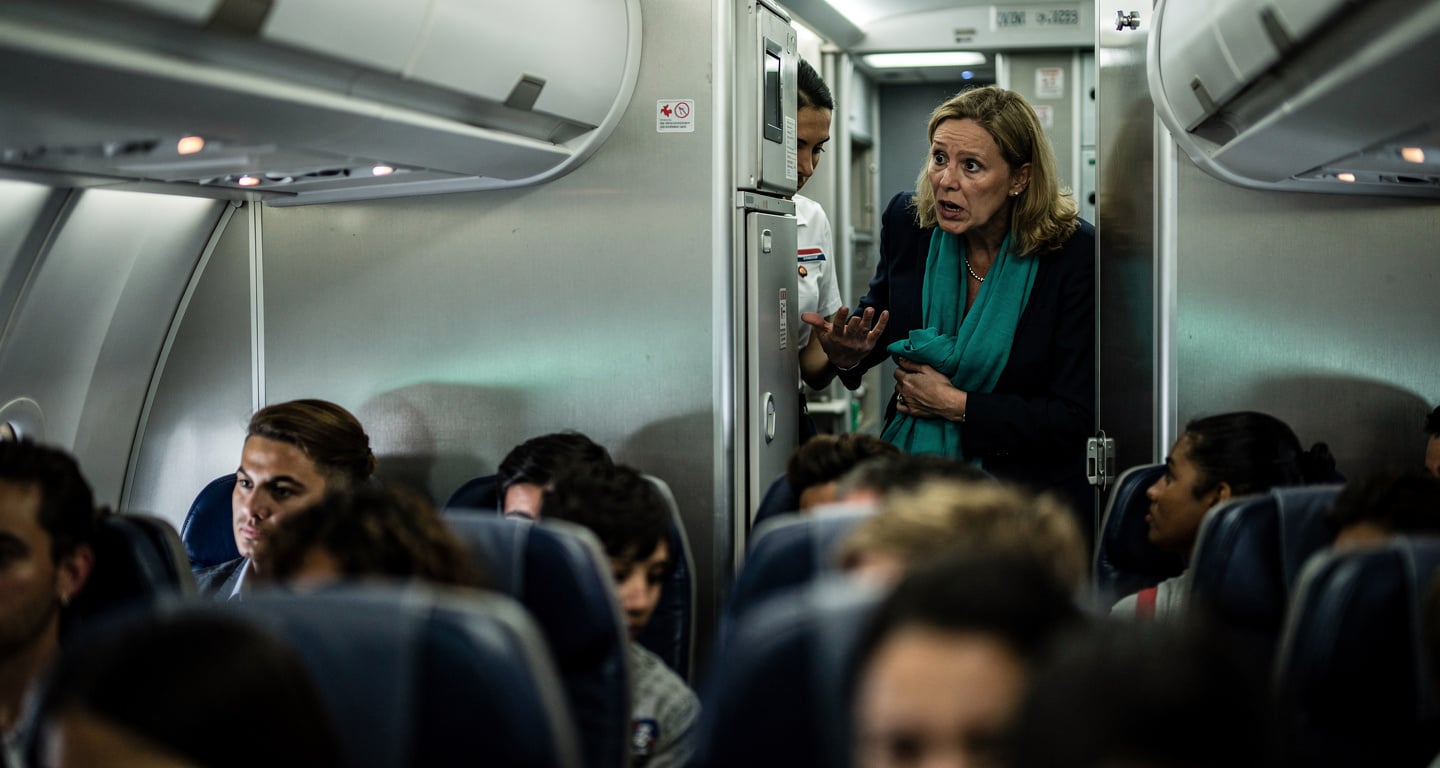
The medical emergency developed during the approximately eight-hour sector. After the man became critically unwell, the crew and medically qualified passengers initiated CPR. The presence of three nurses and a doctor allowed the response to begin swiftly, but the passenger could not be revived. Malaysia Airlines confirmed the death and expressed condolences, while also acknowledging the operational knock-on effects for both the inbound and outbound services.
Police were alerted before the aircraft landed and met the flight at the gate. The passenger’s identity has not been publicly disclosed, and no official cause of death has been released. The airline has not indicated any immediate changes to its medical protocols or diversion policies.
| Date/Time | Event | Impact | Status |
|---|---|---|---|
| 16 Sept, morning | MH141 departs Kuala Lumpur | Routine long-haul service begins | Completed |
| Mid-flight | Passenger becomes critically unwell | Medical emergency declared; doctor, three nurses and crew respond | Ongoing response |
| Mid-flight | CPR initiated onboard | Full resuscitation effort under way | Unsuccessful |
| Before arrival | Passenger pronounced dead by onboard doctor | Death confirmed in the cabin | Final |
| ~5:50 p.m. SYD time | NSW Police alerted to unwell man on inbound flight | Officers attend international terminal | Pre-arrival response |
| ~7:43 p.m. SYD time | MH141 lands at Sydney Airport | Aircraft met by emergency services; disruption to return service MH140 | Arrival completed |
| Post-arrival | Police confirm death not suspicious | No further police action; airline apologises for disruption | Closed |

Flight deals most people never see
Our AI monitors 150+ airlines for pricing anomalies that traditional search engines miss. Air Traveler Club members save $650 per trip per person on average: see how it works.
Each deal saves 40–80% vs. regular fares:

Why the onboard response still fell short
The gap between a robust cabin medical response and the reality of a fatal outcome is the story here. Long-haul aircraft carry emergency medical kits and crew are trained in first aid and CPR, often with ground-based physician support. Yet even with four medically qualified individuals actively intervening, the environment — altitude, limited equipment, no advanced life-support infrastructure — imposes a ceiling that no amount of goodwill can breach.
For premium travellers on the Australia–Southeast Asia corridor, this is not a Malaysia Airlines-specific problem. It’s an industry-wide operational reality. Air Traveler Club’s analysis of a British Airways A380 medical emergency earlier this year highlighted the same constraints: priority landing and a full medical team at the gate still couldn’t guarantee a different outcome. The MH141 case simply reinforces that inflight care, no matter how well-staffed by chance, remains a stopgap, not a substitute for hospital-level intervention.
What this means for the Australia–Southeast Asia corridor
The incident does not demand immediate action from travellers, but it sharpens the context for anyone boarding an eight-hour flight to Sydney. NSW Coroner’s Court findings, if they emerge, could establish whether the decision not to divert will be examined. A formal review would signal that diversion thresholds on long-haul routes are being re-evaluated, potentially influencing how airlines handle future medical emergencies. For now, the event stands as a sobering reminder that even an unusually strong onboard response can reach its limit before the aircraft touches down.
FAQ
Why didn’t the flight divert?
Malaysia Airlines has not explained the decision, but standard practice weighs the medical urgency against the time to the nearest suitable airport and the condition of the passenger. In this case, the aircraft continued to Sydney, and the passenger was pronounced dead before arrival. Whether ground-based medical advisors influenced that call is not publicly known.
What medical equipment is available on long-haul flights like this?
Aircraft operating long-haul routes carry emergency medical kits that typically include defibrillators, basic medications, and airway management tools. Crew receive CPR and first-aid training, and airlines often have access to remote physician support via satellite communication. However, the cabin lacks advanced diagnostic and life-support capabilities found in a hospital.
Will there be an investigation into the death?
New South Wales Police have stated the death is not suspicious and no further police action is expected. A coronial inquiry is not automatic but could be initiated if the NSW Coroner’s Court determines a review is warranted. No such filing has been confirmed as of 19 September 2026.
Read more