Summary
STARLUX Airlines has begun flying its new Airbus A350-1000 on the Taipei–Prague route, introducing a 40-seat business-class cabin — a 54% increase over the A350-900 — and a NASA-inspired Zero G recline mode that shifts the premium comfort conversation from hardware to physical recovery. Competitive round-trip fares near $2,600 on some US-Taiwan itineraries undercut legacy rivals.
The cabin uses the Collins Aerospace Elements platform with sliding privacy doors and a four-cabin layout that includes a dedicated first class. Prague now sees three weekly A350-1000 flights, with a Monday frequency added from October 2026.
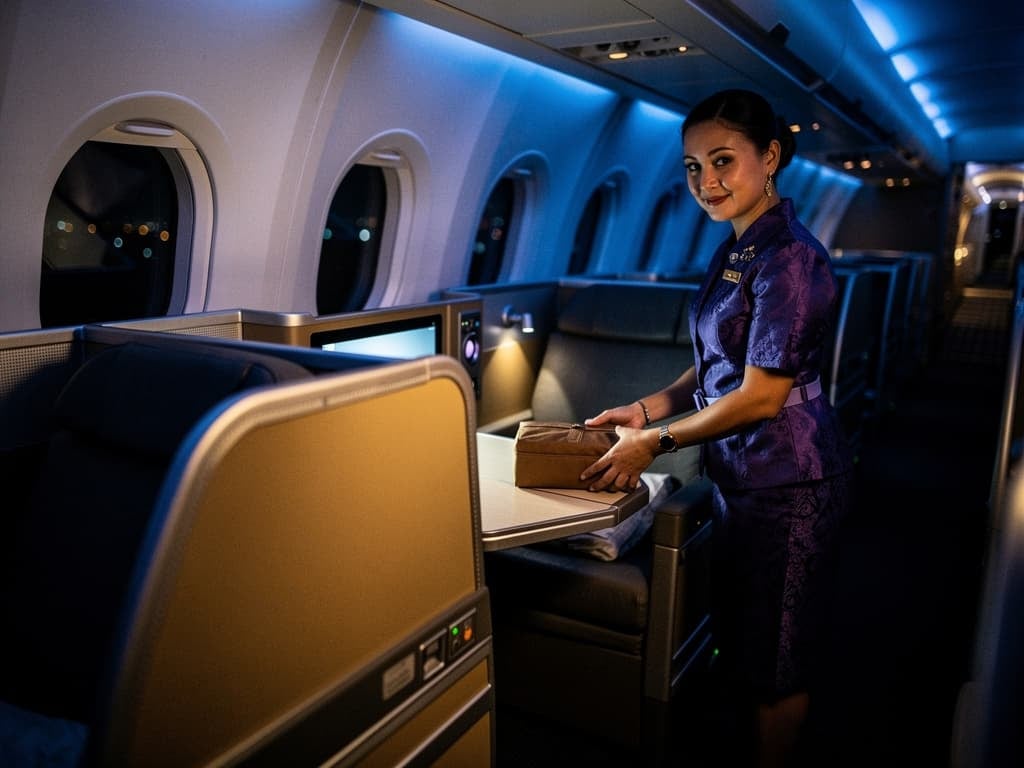
For a carrier that launched in 2020, STARLUX is moving fast. The Taiwanese boutique airline’s new A350-1000 flagship has entered commercial service, and the business-class cabin inside it is not just an upgrade — it is a statement of intent.
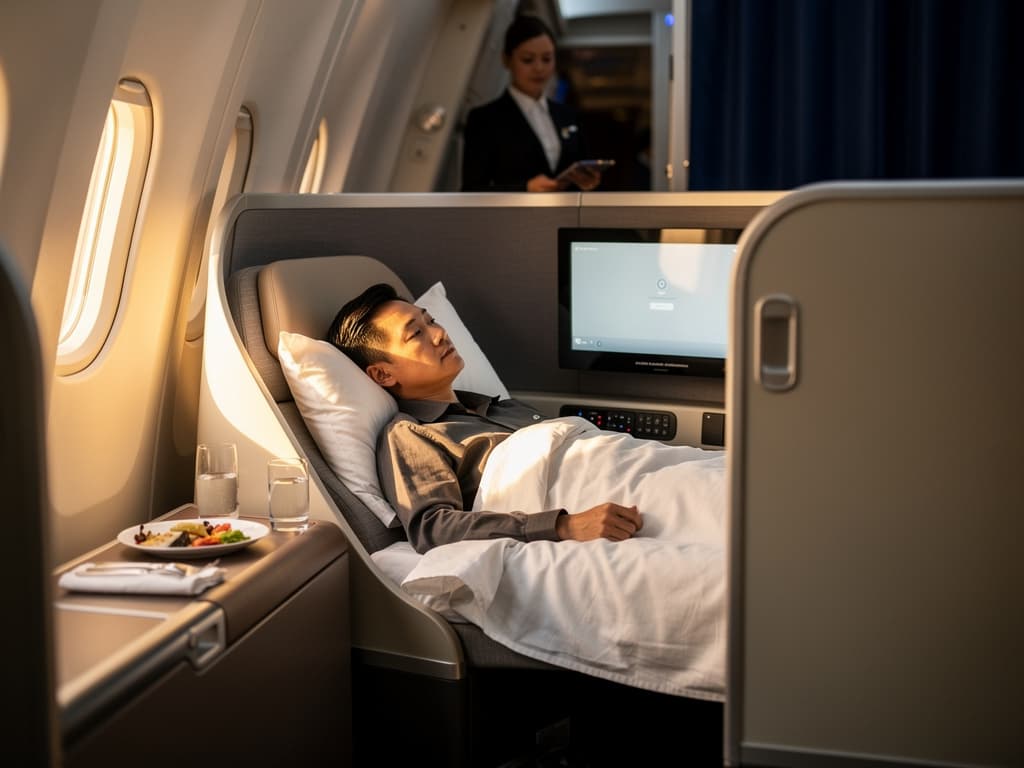
The aircraft carries 40 business-class seats, a jump of more than 50 percent from the 26 seats on the A350-900. That alone matters for availability, but the real headline is the Zero G recline mode, a NASA-inspired body position designed to reduce spinal pressure and improve circulation on long-haul flights. It is a functional comfort story that moves beyond the door-and-flat-bed checklist.
The first deployment is on the Taipei–Prague route, which began operating with the A350-1000 on September 1, 2026. The aircraft is configured with 350 seats across four classes — first, business, premium economy, and economy — and Prague is seeing three weekly rotations initially, with a Monday service added in October. The A350-1000 also features a four-seat first-class cabin, signaling STARLUX’s ambition to punch above its weight on long-haul routes.
The details
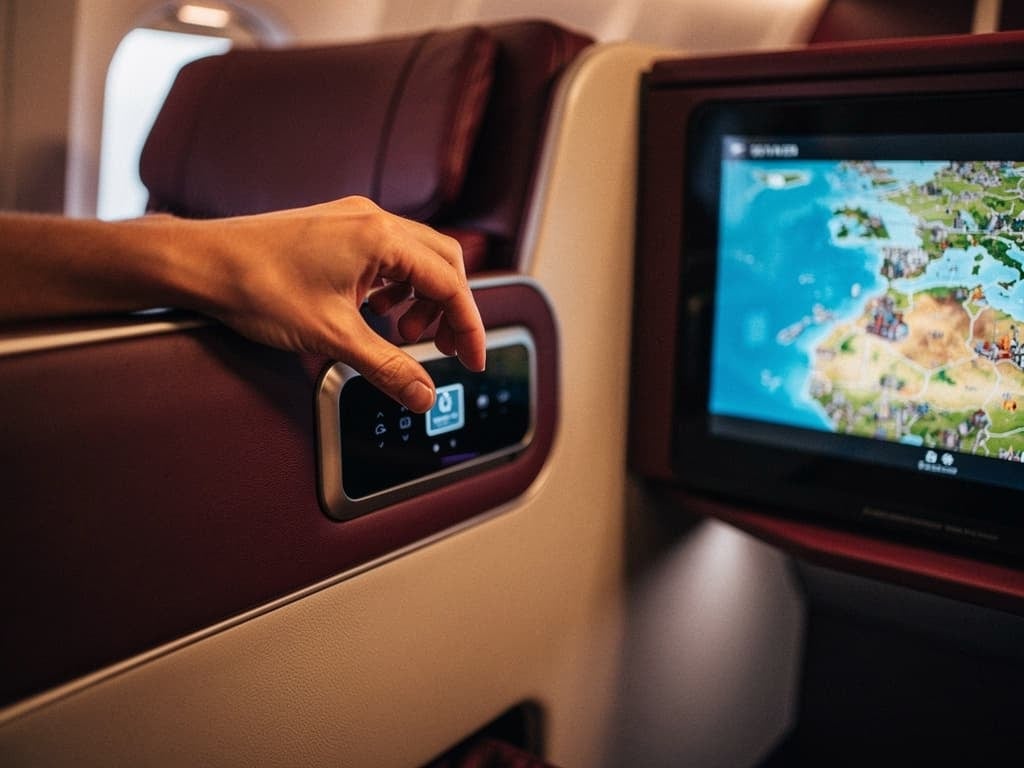
The A350-1000 entered regular service on the Prague route on September 1, replacing the A350-900 previously used on the city pair. The larger aircraft adds significant premium capacity, and the new seat is built on the Collins Aerospace Elements platform in a 1-2-1 reverse herringbone layout, giving every passenger direct aisle access.
The Zero G recline mode is the differentiator. It raises the head and supports the body in a soft ‘W’ shape, a position engineered to mimic the neutral body posture astronauts use to relieve pressure. On 12–13‑hour transpacific and European sectors, the promise of better circulation and less spinal compression is a tangible upgrade over a standard lie-flat bed.
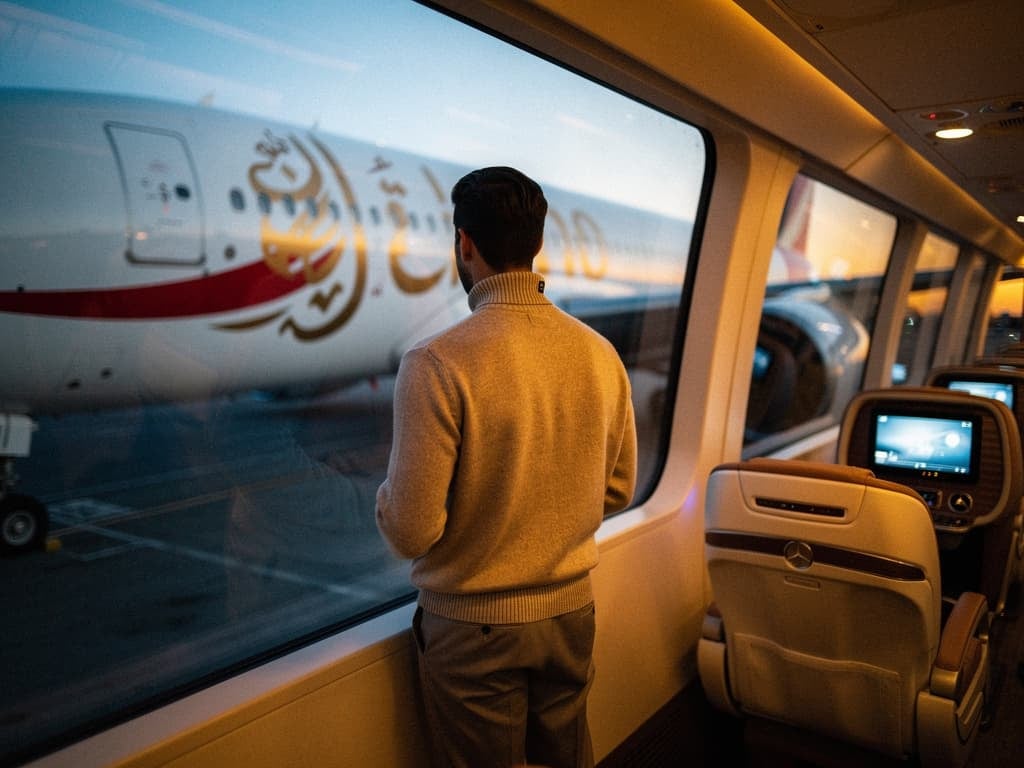
One A350-1000 carries a striking golden livery created with Japanese artist Hajime Sorayama, nicknamed AIRSORAYAMA. The aircraft is not permanently tied to Prague; it is expected to rotate across a small set of routes, giving a surprise element for passengers who catch it.
| Airline | Seat product | Key specs | Approximate pricing |
|---|---|---|---|
| STARLUX Airlines (A350-1000) | Collins Aerospace Elements, reverse herringbone, sliding privacy door, Zero G recline | 40 seats, direct aisle access, large entertainment screen | ~$2,600 round-trip (US-Taiwan) |
| STARLUX Airlines (A350-900) | Same base platform, no Zero G | 26 seats, direct aisle access | Similar to A350-1000 |
| EVA Air (787-10 Royal Laurel) | Reverse herringbone, privacy panels | 34 seats, 76-inch bed, 44-inch pitch | ~$3,000+ round-trip (US-Taiwan) |

Flight deals most people never see
Our AI monitors 150+ airlines for pricing anomalies that traditional search engines miss. Air Traveler Club members save $650 per trip per person on average: see how it works.
Each deal saves 40–80% vs. regular fares:

The value-add
The A350-1000’s bigger business cabin and competitive pricing position STARLUX as a genuine disrupter on premium long-haul routes. While network size remains smaller than competitors like EVA Air or Japan Airlines, the airline is betting that a design-led, high-touch cabin experience can win over travelers who would otherwise default to legacy carriers. Air Traveler Club’s analysis of 2026’s best business-class upgrades highlights how products like this are raising the floor for what passengers expect from a lie-flat seat.
For the Prague route, the shift to the A350-1000 means more premium inventory and a product that matches or exceeds most Asian rivals in hard product. Combined with surprisingly affordable round-trip fares, the value proposition is strong — especially for travelers who care about physical comfort on 12‑hour flights rather than lounge exclusivity.
How to lock in the A350-1000 business class before it tightens
With only 40 seats per flight and growing buzz, premium cash and award inventory on the Taipei–Prague route is likely to become scarce quickly. Here’s how to secure a seat:
- Book early for summer and holidays. Inventory is tightest from June to August and around Christmas, when leisure demand peaks. Aim for at least four months ahead.
- Use Star Alliance partners for award bookings. Alaska Mileage Plan and Singapore Airlines KrisFlyer often release STARLUX premium space at 330 days out. Check both programs before committing to a cash fare.
- Target the AIRSORAYAMA livery. The golden aircraft is expected to rotate across a few routes — not just Prague — so if you’re on a flight operated by that specific frame, you’ll get a unique experience. Monitor flight schedules or aircraft tracking data to identify which days it operates.
- Consider the A350-900 as a backup. The same seat design minus the Zero G mode is available on other long-haul routes, and the A350-900 often has more award availability on transpacific sectors.
Watch for STARLUX to announce additional A350-1000 routes — especially trans-Pacific destinations like Los Angeles or San Francisco — which could further improve premium availability across the network.
FAQ
Which routes will the A350-1000 fly next?
STARLUX has not publicly confirmed its full deployment plan, but industry sources expect the aircraft to appear on high-demand transpacific routes such as Taipei–Los Angeles and Taipei–San Francisco as more airframes are delivered. The 18-aircraft order gives the airline room to spread the flagship across its long-haul network.
How does the Zero G mode actually work?
The Zero G mode repositions the seat to raise the head and support the legs in a soft ‘W’ shape, mimicking the neutral body posture that astronauts use to minimize spinal pressure. On long-haul flights, the position is designed to improve circulation and reduce fatigue, offering a functional comfort benefit beyond a standard lie-flat bed.
Is the Sorayama golden livery permanent?
The AIRSORAYAMA livery is a special collaboration with Japanese artist Hajime Sorayama and is not expected to be permanent. It will rotate across a small set of routes, and the livery could be removed after a promotional period, though no end date has been announced.
Read more