Summary
A Ryanair passenger was partially ejected through a shattered cabin window after an uncontained engine failure ripped through the fuselage of a Boeing 737-800 over Greece on July 10, 2026. The U.S. National Transportation Safety Board has now taken the lead in the investigation, accepting a formal delegation from Greek authorities under international aviation protocols.
The probe centers on a suspected fan blade failure in the right CFM56-7B engine — the same failure mechanism that caused a fatal window rupture on a Southwest Airlines 737 in 2018. With the NTSB’s preliminary findings expected within 90 days, any airworthiness directive could trigger immediate fleet-wide inspections across all 737 operators.
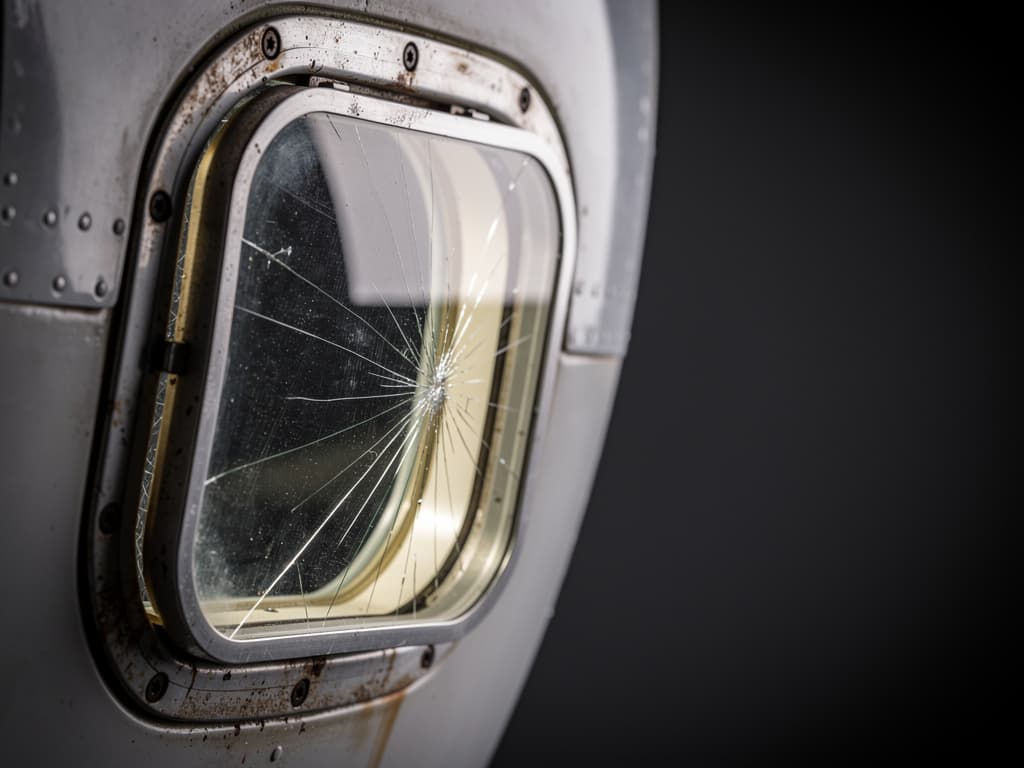
The mid-air emergency aboard Ryanair flight FR1879 has become one of the most shocking aviation safety events in recent memory. A 61-year-old Serbian passenger, seated beside the window, was pulled head, neck, and shoulders outside the aircraft when the pane shattered at cruising altitude. Fellow passengers and his seatbelt held him inside the cabin, preventing a fatal outcome.
That the NTSB — the world’s most influential air accident investigator — is now leading the probe signals the severity of the failure. Under ICAO Annex 13, Greece’s Hellenic Air and Rail Safety Investigation Authority elected to delegate the investigation, a move that brings the full weight of U.S. federal expertise and the FAA’s technical resources to bear on what went wrong aboard the 18-year-old jet, registered 9H-QEU and operated by Malta Air on behalf of Ryanair.
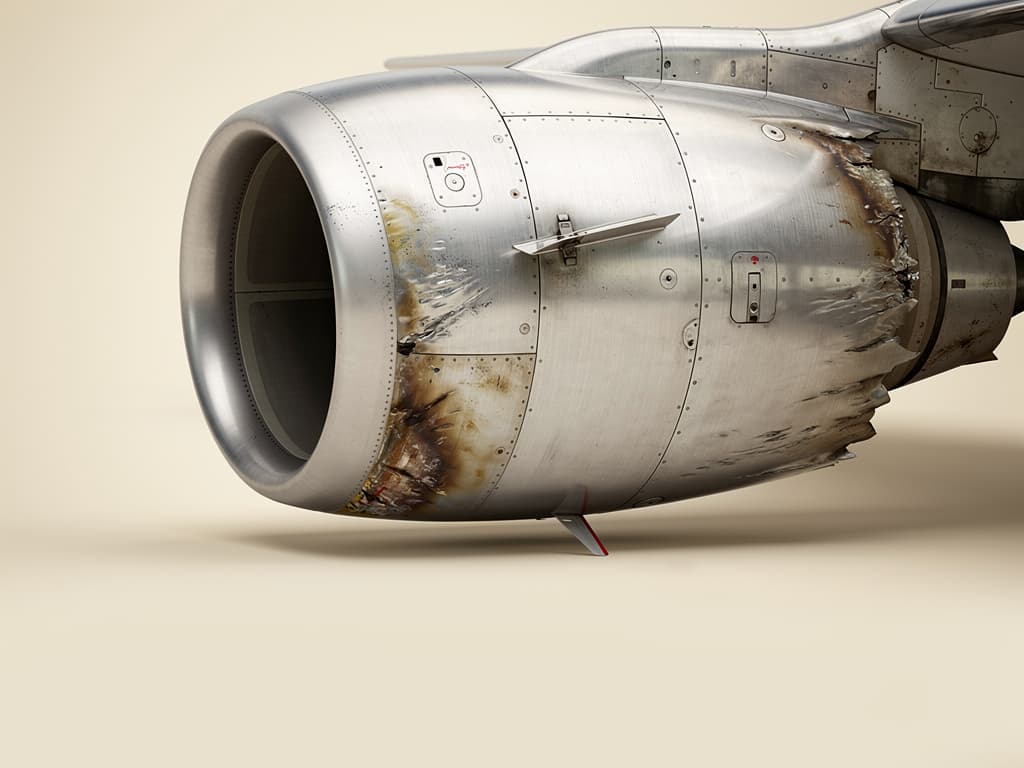
The aircraft was climbing out of Thessaloniki International Airport (SKG) bound for Memmingen (FMM) in Germany when the right engine suffered an uncontained failure. Debris from a suspected fan blade separation breached the engine casing and struck the fuselage, shattering the adjacent window and causing rapid decompression.
No other passenger has ever been partially ejected through a ruptured 737 window due to engine debris, making this incident both exceptionally rare and a critical data point for regulators. The last comparable event — a 2018 Southwest Airlines 737-700 uncontained engine failure that killed one passenger — prompted the FAA to issue mandatory fan blade inspections and retirement limits across the CFM56 fleet.
The NTSB accepted the delegation on July 16, 2026, and has already dispatched investigators. The FAA is providing support, while EASA has appointed a technical advisor. Boeing and engine manufacturer CFM International are also participating as technical advisers.
The details
Early data indicates the failure sequence began with a fan blade inside the right CFM56-7B engine. As the blade separated, it tore through the engine’s containment ring — a rare uncontained failure — and sent high-energy fragments into the fuselage. One piece struck the passenger window directly, shattering it and exposing the cabin to the outside atmosphere. The passenger, restrained by his lap belt, was pulled outward until fellow travelers managed to haul him back inside. He was hospitalized with friction burns and neck and shoulder injuries.
Regulatory filings confirm the NTSB is now the lead investigative agency, with Greece participating as the Accredited Representative. This arrangement, permitted under ICAO Annex 13, allows the state of occurrence to hand off an investigation when another state has greater technical expertise or a stronger interest in the aircraft type. The NTSB’s acceptance reflects the global significance of the 737 fleet and the CFM56 engine series, which powers thousands of aircraft worldwide.
Ryanair has not suspended operations, but the investigation’s trajectory will be closely watched. Any finding of a systemic defect could trigger an FAA airworthiness directive within 30 to 60 days, mirroring the swift regulatory response that followed the 2018 Southwest tragedy.
| Date | Event | Impact | Status |
|---|---|---|---|
| July 10, 2026 | Uncontained engine failure on Ryanair flight FR1879; window shattered, passenger partially ejected | Emergency landing; passenger hospitalized with non-life-threatening injuries | Incident occurred |
| July 10, 2026 | NTSB notified of air turnback and potential uncontained failure | Initial notification triggers U.S. interest | Completed |
| July 16, 2026 | Greece delegates investigation to NTSB under ICAO Annex 13; NTSB accepts | NTSB assumes lead; FAA, EASA, Boeing, CFM join as technical advisers | Active |
| ~October 2026 | NTSB preliminary report expected | Will confirm or rule out fan blade failure as cause; may trigger immediate safety recommendations | Pending |
| ~August–September 2026 | Potential FAA/EASA airworthiness directive on CFM56-7B fan blades | Could mandate fleet-wide inspections or blade retirements, affecting all 737 operators | Watch |

Flight deals most people never see
Our AI monitors 150+ airlines for pricing anomalies that traditional search engines miss. Air Traveler Club members save $650 per trip per person on average: see how it works.
Each deal saves 40–80% vs. regular fares:

The value-add
The Ryanair incident lands at a moment when Boeing 737 safety vulnerabilities are under fresh scrutiny. Air Traveler Club’s analysis of a recent Southwest 737 cockpit screen detachment exposed how even non-engine components can fail catastrophically during high-vibration phases. Now, with a second CFM56 uncontained failure in eight years, the question is whether existing inspection protocols are sufficient — or whether a broader design vulnerability exists across the 737 family.
For travelers, the immediate risk is operational disruption. Ryanair’s all-737 fleet means any airworthiness directive could ground aircraft or force last-minute schedule changes on intra-European routes. Competing carriers like Lufthansa and easyJet, which operate Airbus A320-family jets with different engine types, would face no such restrictions, potentially shifting demand — and fares — on key corridors.
What the NTSB investigation means for 737 operations
Watch for an FAA or EASA airworthiness directive on CFM56-7B fan blades — expected within 30 to 60 days. If issued, it would mandate immediate ultrasonic inspections or accelerated blade retirements across all 737-800 fleets, potentially forcing Ryanair and other operators to temporarily ground aircraft or adjust schedules. The NTSB’s preliminary report, anticipated within 90 days, will confirm whether the fan blade failure was the root cause. A confirmation would trigger global safety recommendations and could accelerate the retirement of older CFM56 engines still in service.
FAQ
What caused the Ryanair window to shatter?
Investigators believe a fan blade inside the right CFM56-7B engine separated during climb, causing an uncontained failure. Debris breached the engine casing and struck the fuselage, shattering the adjacent passenger window. Formal confirmation awaits the NTSB’s preliminary report.
Why is the NTSB leading the investigation?
Under ICAO Annex 13, Greece — the state where the incident occurred — elected to delegate the investigation to the NTSB. The U.S. agency has deep expertise with Boeing 737 and CFM56 engine investigations, and the FAA is providing technical support. Greece remains involved as the Accredited Representative.
Could this lead to fleet-wide inspections or groundings?
Yes. The 2018 Southwest uncontained engine failure prompted an FAA airworthiness directive within weeks, mandating fan blade inspections across the CFM56 fleet. A similar directive is likely if the NTSB confirms a fan blade failure, potentially forcing temporary groundings or schedule changes for all 737-800 operators.
Read more