Summary
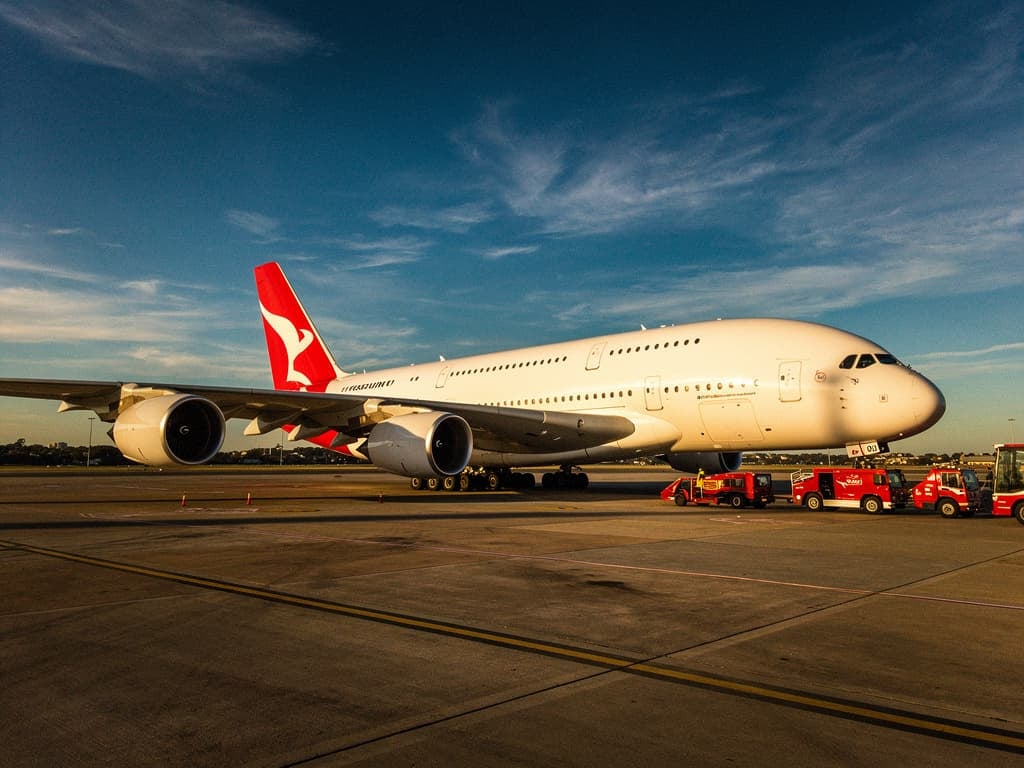
British Airways — the carrier that introduced the world’s first fully flat business-class bed in March 2000 on London Heathrow–New York JFK — is now executing its most ambitious cabin overhaul in company history. The retrofit targets all 12 of its active Airbus A380 superjumbos, expanding the doored Club Suite to 110 business-class berths per aircraft while pushing premium economy from 55 to 84 seats. Once complete, 49% of each reconfigured A380 will be dedicated to premium cabins — a structural bet on high-yield passengers over economy volume.
The rollout runs from mid-2026 through 2028, meaning aircraft type — not cabin class name — determines whether you get the door-equipped suite. Fleet-wide complimentary Starlink connectivity arrives alongside the retrofit.
The lie-flat bed is so embedded in long-haul expectations that it’s easy to forget it was once a radical gamble. British Airways placed that bet in March 2000, deploying the world’s first fully flat business-class product on its flagship Boeing 747 routes between Heathrow and JFK — and the industry has never recovered from the disruption. Every major carrier spent the following decade scrambling to match what BA had done with a single architectural decision.
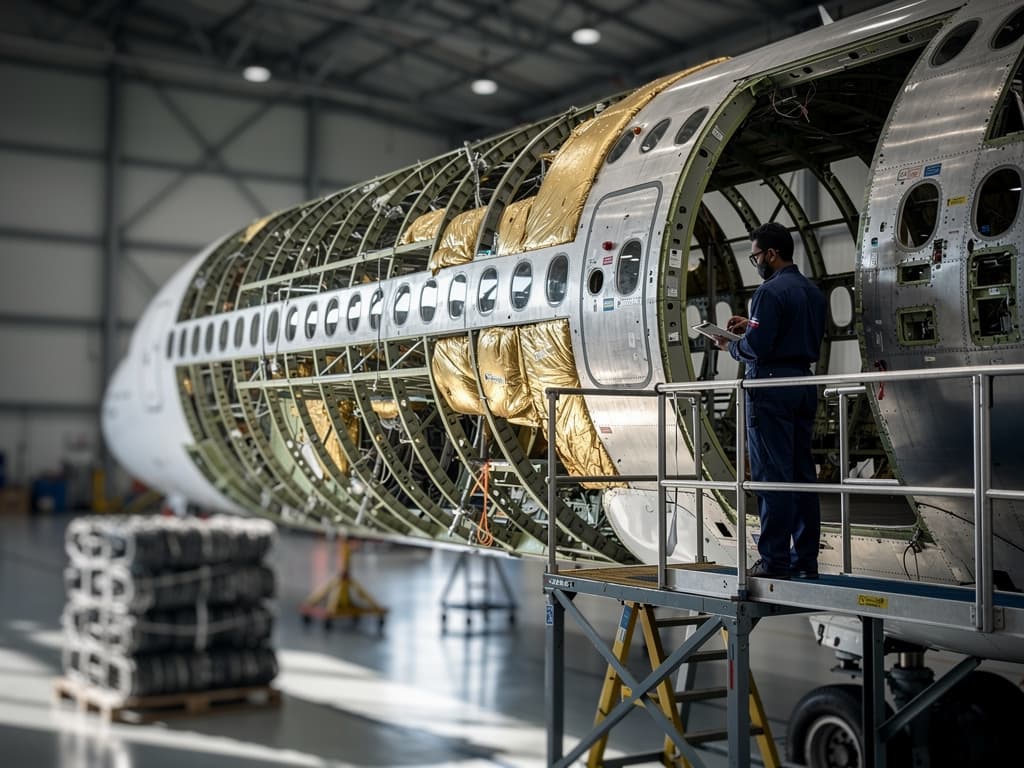
Now, more than two decades later, the airline is attempting a second defining moment. The scope is significant: a nose-to-tail cabin transformation across its entire 12-aircraft A380 fleet, a redesigned first class built around acoustic engineering and British craftsmanship, and a fleet-wide Starlink satellite internet deployment that eliminates the connectivity dead zones that have frustrated long-haul business travelers for years.
The stakes are equally clear. With Qatar Airways Qsuite and Lufthansa‘s Allegris setting a high bar for suite-style privacy, BA can no longer rely on historical prestige alone. The A380 retrofit and Club Suite expansion represent the airline’s most direct answer yet to competitors who have spent years outpacing its hardware.
For anyone booking long-haul business class on British Airways routes through 2028, the aircraft type on your itinerary matters more than it ever has.
The details: from yin-yang geometry to doored suites
The origin of BA’s premium-cabin identity traces to a design problem that seemed unsolvable in the late 1990s. The airline commissioned London-based design firm Tangerine in 1998 with a deceptively simple brief: fit fully flat beds into a widebody cabin without destroying seat count. The solution — a patented alternating forward-and-rear-facing layout — became known as the yin-yang configuration. It was ingenious, commercially viable, and, by modern standards, deeply flawed in terms of privacy.
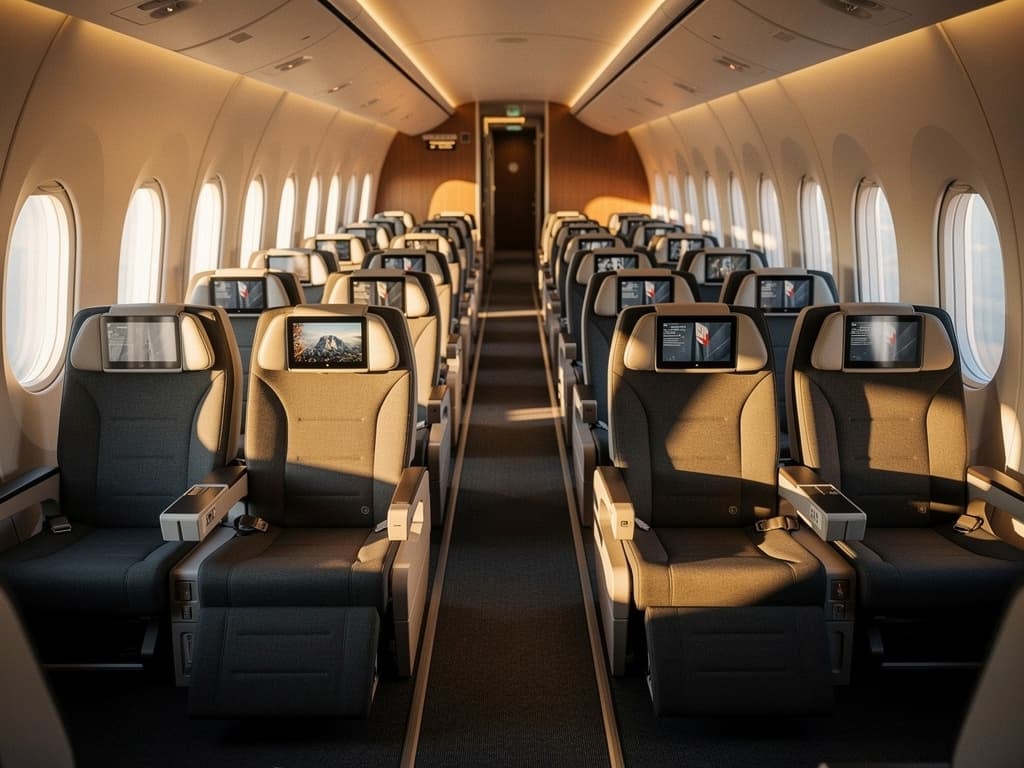
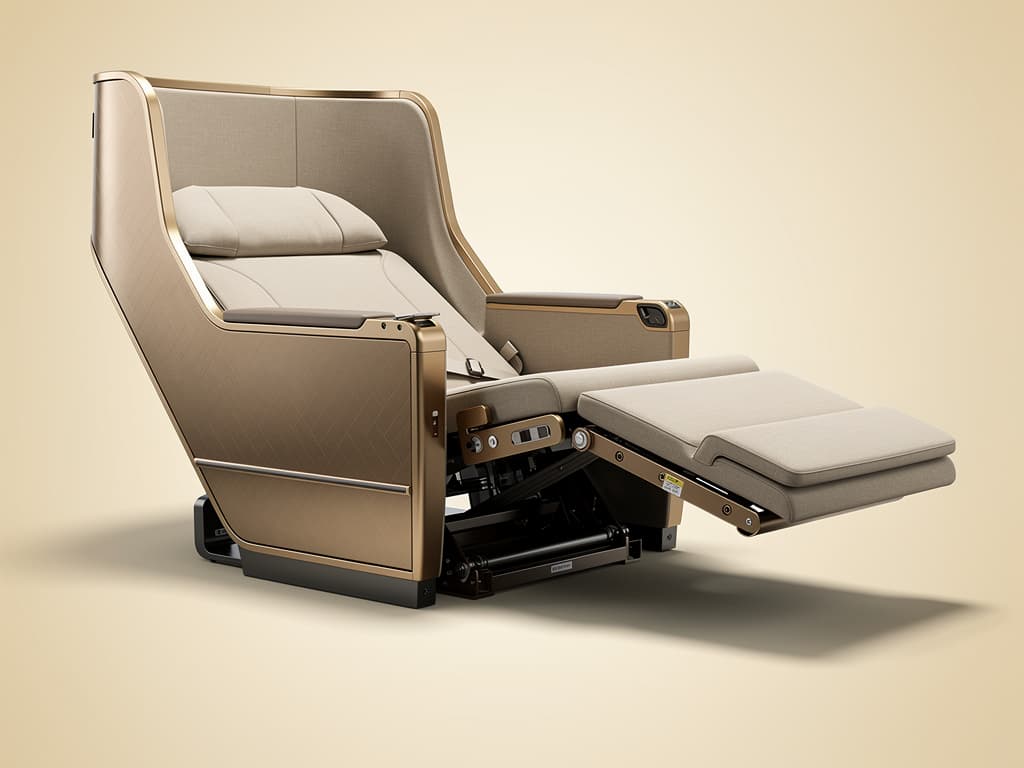
The Club Suite, built on a customized Collins Aerospace Super Diamond platform, abandons that interlocking geometry entirely. The cabin moves to a 1-2-1 configuration that guarantees direct aisle access for every passenger — no climbing over a neighbor at 35,000 feet. A sliding privacy door, 79-inch fully flat bed, and 40% more storage than the legacy Club World seat define the hardware upgrade. The 18.5-inch personal touchscreen, universal power, and USB ports complete a workspace that the old yin-yang layout could never accommodate cleanly.
The A380 retrofit amplifies this at scale. Beginning mid-2026 and running through 2028, all 12 active superjumbos will receive the doored Club Suite across 110 business-class berths — a 13% increase in premium capacity. Premium economy expands simultaneously from 55 to 84 seats. The combined effect: 49% of the reconfigured A380 floorplan allocated to premium cabins, one of the highest ratios in commercial aviation on a double-decker aircraft.
| Cabin metric | Pre-retrofit configuration | Post-retrofit target |
|---|---|---|
| Business class berths | ~97 (legacy Club World) | 110 (doored Club Suite) |
| Premium economy seats | 55 | 84 |
| Premium cabin share of aircraft | ~38% | 49% |
| Business class privacy | Open shell, no door | Sliding privacy door, direct aisle access |
| Retrofit timeline | — | Mid-2026 through 2028 |
| Connectivity | Legacy satellite (geostationary) | Complimentary Starlink (LEO) |

Flight deals most people never see
Our AI monitors 150+ airlines for pricing anomalies that traditional search engines miss. Air Traveler Club members save $650 per trip per person on average: see how it works.
Each deal saves 40–80% vs. regular fares:

Where BA’s premium story gets complicated
Honesty about competitive positioning matters here. When Club Suite first launched on the Airbus A350-1000, it represented a genuine leap over the yin-yang legacy product. Against the current field — Qatar Airways Qsuite, Lufthansa Allegris, and the newer suite products from Singapore Airlines and ANA — it’s a strong, competitive cabin rather than a category-defining one. The door, direct aisle access, and 79-inch bed are now table stakes at the top of the market, not differentiators.
BA’s actual competitive advantage in 2026 is network breadth combined with product consistency — if the retrofit executes on schedule. Spreading Club Suite-standard privacy across 12 A380s and maintaining it on A350 routes means travelers can expect the same hardware on a wider range of itineraries than most competitors can match at scale. Air Traveler Club’s analysis of the most private first class suites in 2026 illustrates how far the apex of commercial privacy has moved — context that frames where Club Suite sits in the broader hierarchy.
The first class redesign adds a separate dimension. Each suite runs 36.5 inches (92.7 cm) wide with a standalone 79-inch flat bed, a 32-inch 4K display, and a 60-inch curved acoustic privacy shell — the last detail addressing one of the most consistent complaints from long-haul corporate flyers. Materials sourced from across Great Britain and Ireland give the product a regional identity that Middle Eastern competitors, for all their engineering polish, cannot replicate.
The Starlink deployment ties the hardware story together. Low-Earth-orbit satellites eliminate the latency that makes geostationary-based inflight Wi-Fi frustrating for video calls and real-time collaboration. Complimentary access fleet-wide — not a paid add-on — positions BA ahead of most legacy carriers on connectivity pricing, even if the technology itself is now available to any airline willing to sign the contract.
How to book the right BA cabin before the retrofit changes the calculus
The A380 retrofit running through 2028 creates a transitional window where the same route can deliver meaningfully different hardware depending on which aircraft operates the flight. Booking strategy matters now more than it will once the fleet standardizes.
- Verify equipment, not just route: British Airways’ booking flow shows aircraft type, but not always the cabin subtype. Cross-reference with the Club Suite factsheet and seat maps on third-party tools like SeatGuru or ExpertFlyer to confirm whether the specific flight operates with the doored suite or legacy Club World hardware.
- A350 routes are the safest bet now: Club Suite launched on the A350-1000 and is consistently deployed there. If your itinerary has an A350 option, it’s the most reliable path to the door-equipped seat before A380 retrofits complete.
- Award space may improve post-retrofit: Adding 13 business-class berths per A380 increases the total premium inventory on those aircraft. More seats doesn’t guarantee more award availability, but it does improve the odds — particularly on routes where BA has historically been tight with Avios redemptions.
- Watch retrofit completion dates: If BA’s 2028 target holds, the full A380 fleet should be standardized before the next major northern hemisphere summer peak. Bookings made now for late 2028 travel on A380 routes carry less equipment uncertainty than bookings for 2026-2027.
- First class on the A380 is a separate product decision: The redesigned first class — with its 36.5-inch-wide suite and acoustic privacy shell — will be available only on retrofitted A380s. Confirm the specific aircraft has completed its refurbishment before booking at first class pricing.
Watch the pace of A380 withdrawals for retrofit: if aircraft start cycling through faster than the announced mid-2026 start suggests, BA is prioritizing execution over schedule conservatism — a signal that the premium-yield strategy is being treated as urgent rather than aspirational.
Read more