Summary
Air Canada‘s first Airbus A321XLR entered revenue service on 9 June 2026, operating as AC413 between Montréal and Toronto before its first transatlantic mission — Montréal to Toulouse, France — launches on 15 June 2026. Registered C-GXLR, the 182-seat narrowbody carries 14 lie-flat Signature Class suites in a 1-1 layout, 168 economy seats, Panasonic Astrova 4K OLED IFE at every position, and free Wi-Fi for Aeroplan members — all on a single-aisle aircraft capable of crossing the Atlantic nonstop.
This is the first of 30 A321XLRs Air Canada has ordered, split evenly between direct purchases and leases. The Toulouse route is the first proof point of the airline’s stated strategy to open new transatlantic markets with the type.
Air Canada has put its most anticipated new aircraft to work. The carrier’s first Airbus A321XLR — registration C-GXLR — began carrying paying passengers on 9 June 2026, initially on the Montréal–Toronto domestic run before transitioning to Montréal–Calgary. The real mission arrives 15 June, when the narrowbody crosses the Atlantic to Toulouse, France, inaugurating a route that no widebody could serve economically.
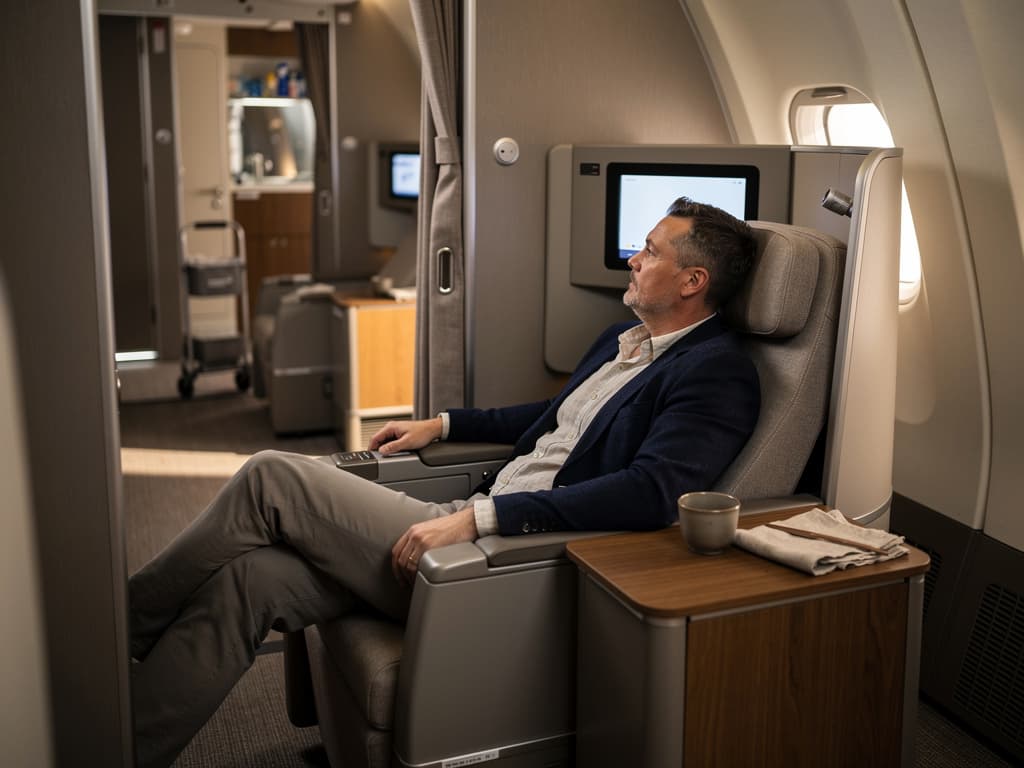
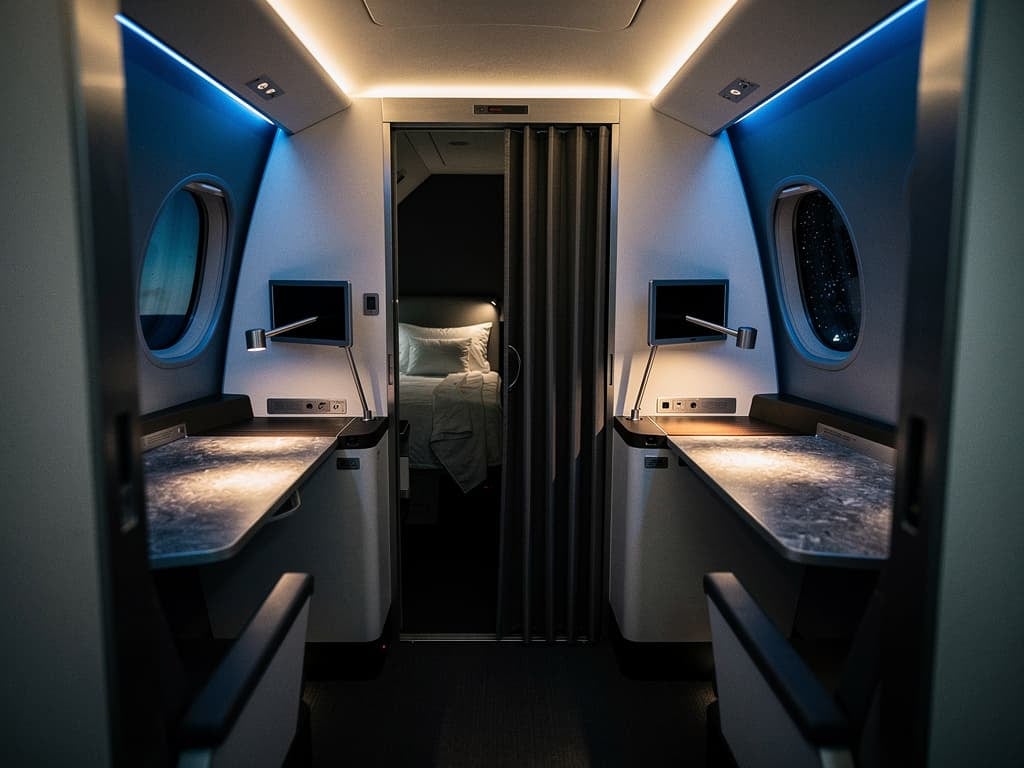
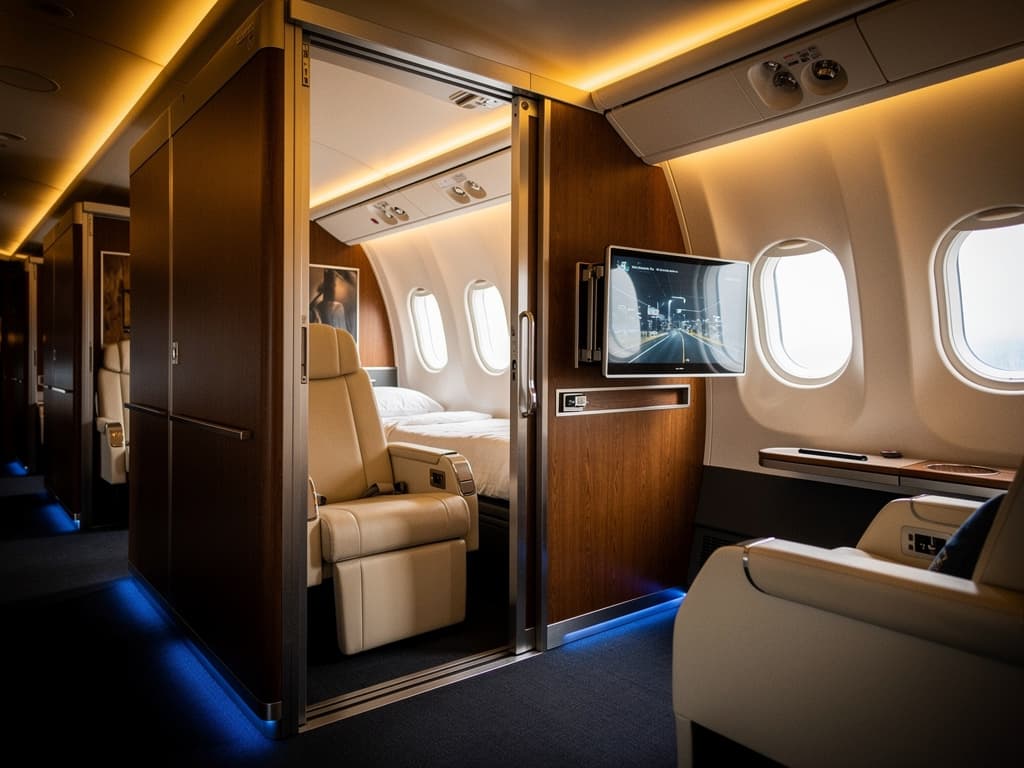
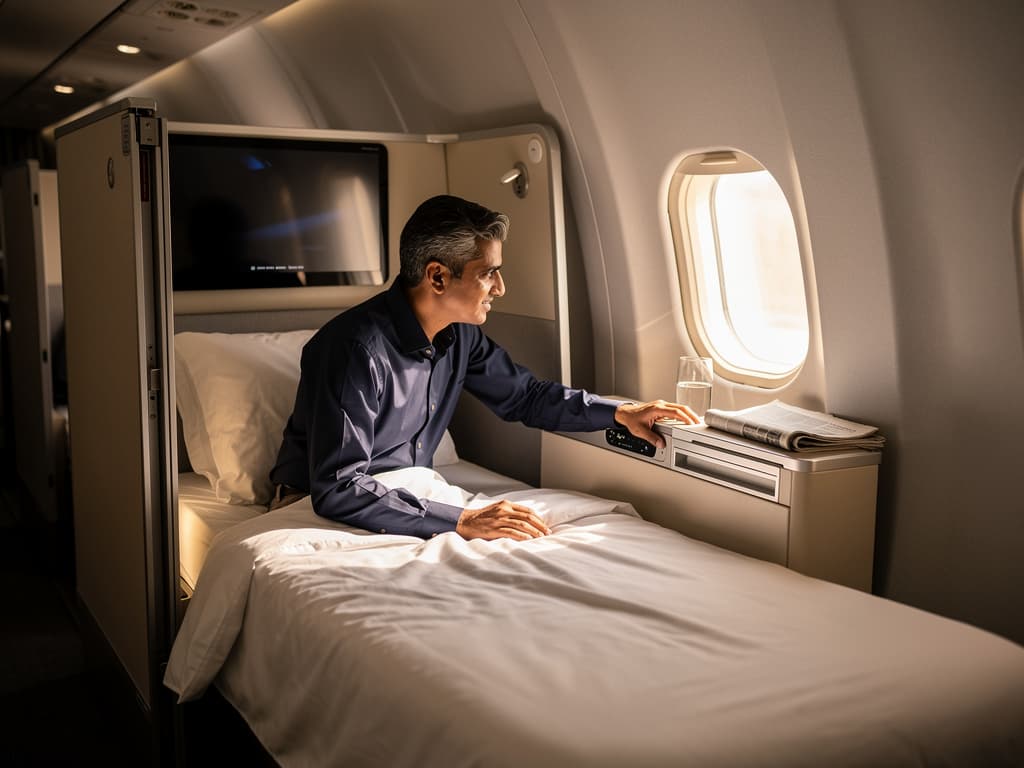
The aircraft’s interior, branded under Air Canada’s new Glowing Heart aesthetic, is built around a 1-1 Signature Class cabin of 14 lie-flat suites using Collins Aerospace’s Aurora platform — doorless, inward-facing, and deliberately engineered to manage acoustics in a single-aisle tube. Behind that sits a 168-seat economy cabin in a 3-3 configuration on Collins’ Meridian+ product, with every seat equipped with Panasonic’s Astrova IFE system featuring 4K OLED screens and Bluetooth connectivity.
The scope of the program is significant. Air Canada has committed to 30 A321XLRs total — 15 purchased directly from Airbus, 15 leased — and the airline’s EVP and chief commercial officer Mark Galardo has described the entry into service as “a transformative moment.” The type sits alongside incoming Boeing 787-10 and Airbus A350-1000 deliveries in a fleet modernization that positions the carrier for international growth on routes previously too thin for widebody economics.
What the A321XLR actually delivers in the cabin
The Signature Class configuration is the detail that matters most for anyone considering a premium booking. The 1-1 layout means every suite has direct aisle access — a meaningful upgrade over the 2-2-2 or 2-3-2 arrangements found on some of Air Canada’s older widebody missions. The Aurora-platform suites are doorless, but Collins Aerospace engineered a privacy divider positioned specifically to contain conversation between adjacent passengers rather than projecting sound down the length of the cabin.
Front-row suites carry the designation Signature Class Plus, offering additional space. Laptop stowage is built into each suite, and the side table is sized to double as a perch for a traveling companion — a practical detail that Collins confirmed based on observed passenger behavior across other Aurora installations.
The IFE specification is consistent nose to tail. Signature Class screens measure 19 inches; economy screens run 13 inches. Both use Panasonic’s Astrova 4K OLED technology with Bluetooth audio pairing and 110V power at every seat. An exterior two-lens camera system feeds high-resolution forward and downward imagery to the IFE — giving passengers a near-pilot perspective during approach and departure. SES‘s 2Ku connectivity platform handles inflight internet, with free Wi-Fi confirmed for Aeroplan members.
Air Canada’s announcement confirms the aircraft configuration and route details. Airbus’s delivery documentation, available via the Airbus newsroom, confirms the April 2026 handover date and the broader fleet context.
| Cabin | Seat product | Configuration | Key specs | IFE screen |
|---|---|---|---|---|
| Signature Class | Collins Aurora (lie-flat suite) | 1-1, 14 seats | Lie-flat, privacy divider, laptop stowage, 110V power | 19″ 4K OLED (Panasonic Astrova) |
| Signature Class Plus | Collins Aurora (front row) | 1-1, rows 1–2 | Additional legroom, same lie-flat spec | 19″ 4K OLED (Panasonic Astrova) |
| Economy | Collins Meridian+ | 3-3, 168 seats | 31″ pitch, 110V power, Bluetooth IFE | 13″ 4K OLED (Panasonic Astrova) |

Flight deals most people never see
Our AI monitors 150+ airlines for pricing anomalies that traditional search engines miss. Air Traveler Club members save $650 per trip per person on average: see how it works.
Each deal saves 40–80% vs. regular fares:

Where the A321XLR fits in the competitive premium narrowbody field
The premium narrowbody transatlantic segment is no longer a niche. JetBlue‘s Mint product and La Compagnie‘s all-business A321LR have demonstrated that lie-flat seats on a single-aisle aircraft can sustain a viable transatlantic business — but neither operates with Air Canada’s network depth, Star Alliance connectivity, or hub infrastructure at Montréal-Trudeau.
Air Canada’s edge on the Toulouse route specifically is the combination of a nonstop premium cabin, Aeroplan integration, and onward connectivity across North America. The competitive disadvantage — shared with every premium narrowbody — is seat count. Fourteen Signature Class suites means tighter award inventory and less schedule flexibility than a widebody with 40 or 60 business seats. Air Traveler Club’s analysis of Air Canada’s A321XLR European route strategy covers which secondary markets the airline is targeting and how the type’s 30% lower fuel burn per seat unlocks routes that widebodies cannot serve profitably.
The Toulouse launch is the first data point. If Air Canada announces additional thin European routes — Edinburgh, Dubrovnik, Porto — it confirms the XLR as a growth tool rather than a replacement aircraft. The airline has said as much explicitly, but route announcements will be the proof.
How to target the right flight before the fleet expands
Booking the A321XLR Signature Class now — while the fleet is small and the routes are limited — requires deliberate aircraft verification. Only two aircraft had been delivered by early June 2026, so assignment is flight-specific and subject to change as Air Canada ramps deliveries.
- Verify aircraft type at booking: Check the seat map in Air Canada’s booking flow before purchasing. The 1-1 Signature Class layout is visually distinct from older 2-2-2 or 2-3-2 widebody configurations — if the map shows alternating single seats, you have the XLR.
- Montréal–Toulouse from 15 June: This is the confirmed first transatlantic route. If Toulouse is your destination or a viable connection point into southern France and Spain, this is the only nonstop premium cabin option currently confirmed.
- Aeroplan membership unlocks free Wi-Fi: The 2Ku connectivity is confirmed free for Aeroplan members. If you are not enrolled, joining before booking costs nothing and activates the benefit on day one.
- Watch for additional European route announcements: Air Canada has stated the A321XLR is a growth tool for new markets. Route additions — particularly to secondary European cities — will expand the window for Aeroplan award redemptions on the type.
- Award inventory will be tight early: Fourteen Signature Class seats per flight means fewer award seats than a widebody. Check Aeroplan availability early and set alerts; inventory on new routes often opens in waves as the airline calibrates demand.
FAQ
What routes will Air Canada operate the A321XLR on?
The aircraft debuted domestically on Montréal–Toronto and Montréal–Calgary before the first transatlantic service to Toulouse, France launches on 15 June 2026. Air Canada has indicated the type will be used to open new international markets, so additional European route announcements are expected as the fleet grows toward the full 30-aircraft order.
Does Air Canada’s A321XLR Signature Class have suite doors?
No. The Signature Class suites use Collins Aerospace’s Aurora platform in a doorless configuration. Privacy is managed through an adjustable divider between adjacent suites, engineered to contain conversation between neighboring passengers rather than projecting sound down the cabin. Front-row Signature Class Plus seats offer additional space within the same doorless design.
Is Wi-Fi free on Air Canada’s A321XLR?
Free Wi-Fi is confirmed for Aeroplan loyalty members. The aircraft uses SES’s 2Ku connectivity platform. Non-Aeroplan members should check Air Canada’s current connectivity pricing policy at booking, as the complimentary access is tied specifically to Aeroplan membership status.
How many A321XLRs does Air Canada plan to operate?
Air Canada has ordered 30 A321XLRs in total — 15 purchased directly from Airbus and 15 leased from lessors. The first aircraft was delivered in April 2026. The type is part of a broader fleet modernization that also includes 14 Boeing 787-10s and eight Airbus A350-1000s.
Read more