Summary
Nearly a fifth of UK adults are rethinking EU summer holidays as the bloc’s new Entry/Exit System causes peak border wait times to stretch to five hours. A Savanta survey of 2,381 respondents found 43% are changing travel plans or feeling anxious; 15% are now considering a UK staycation, and 48 people have already cancelled a trip outright.
While some EU states have temporarily relaxed checks, industry bodies warn the situation has reached a critical point and are demanding immediate intervention from Brussels. With the UK government pouring £30.5 million into port and rail infrastructure yet no emergency meeting secured, families flying, sailing or training to the continent this August face a real risk of long queues and missed connections.
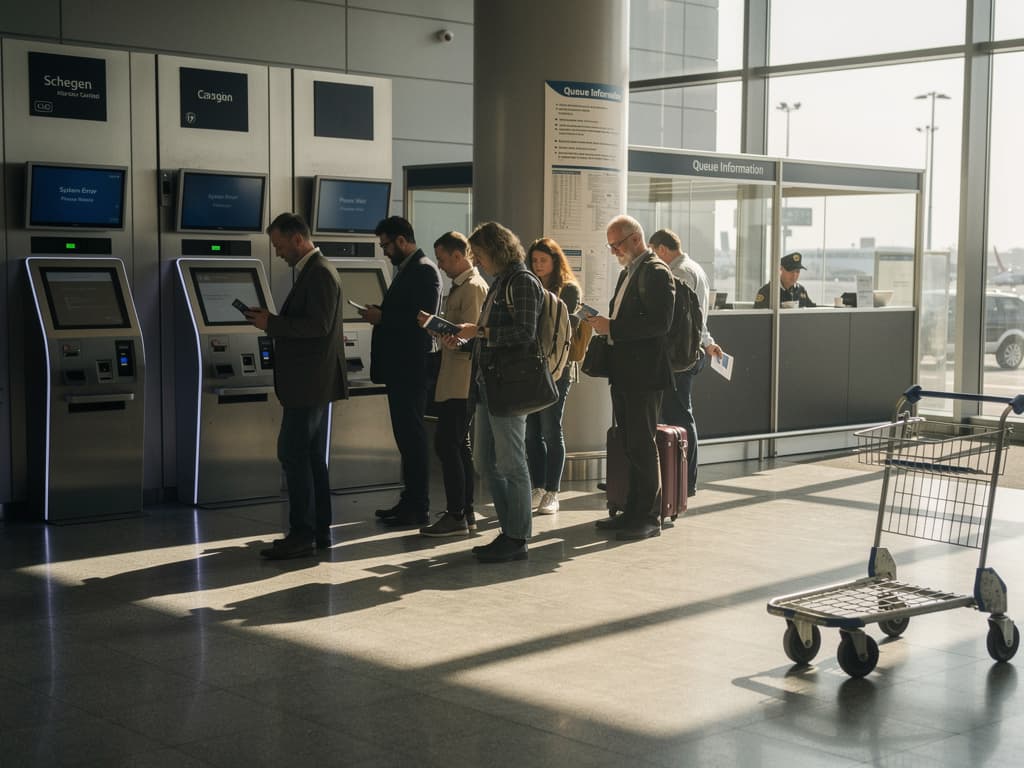
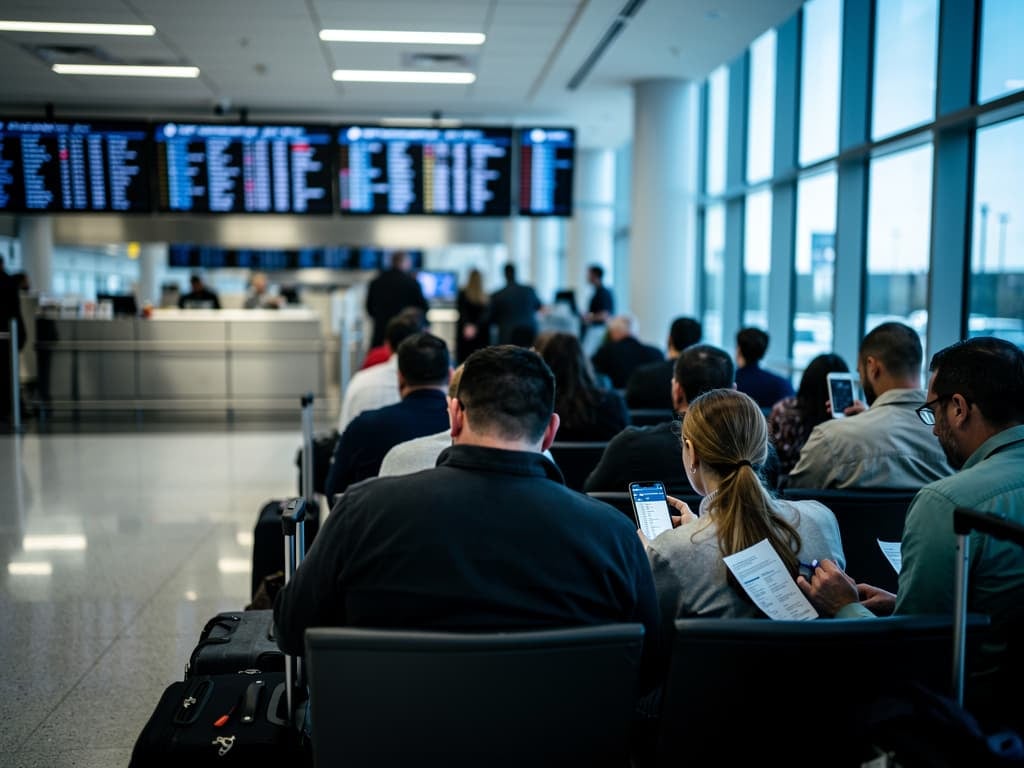
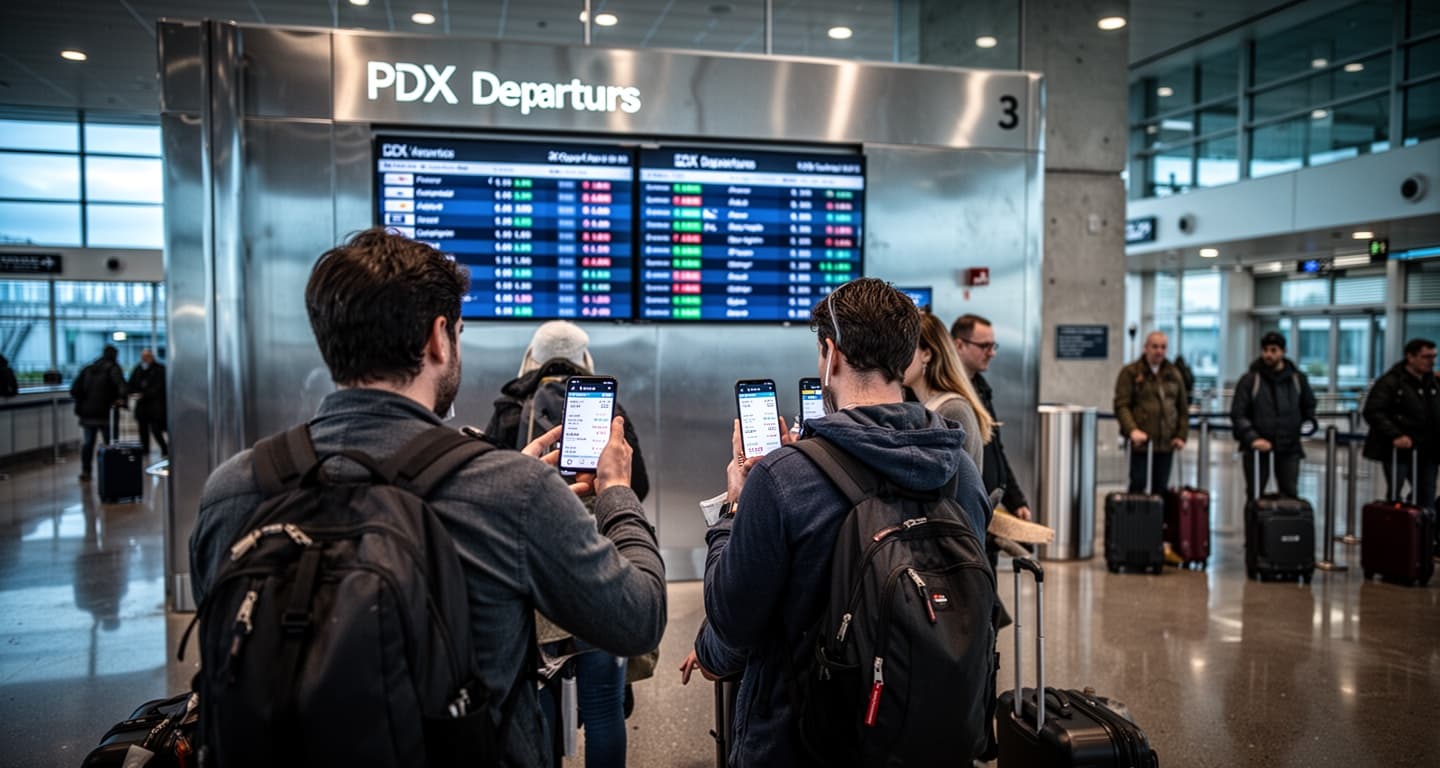
The summer of 2026 was supposed to reaffirm Europe’s post‑pandemic travel boom. Instead, the European Union’s Entry/Exit System (EES) has turned Schengen border posts into choke points, leaving some UK families abandoning holidays altogether as biometric checks push peak wait times to five hours.
A Savanta survey of 2,381 UK adults conducted in July captured the anxiety: 43% said they are either changing travel plans, considering doing so, or feeling heightened stress about EU trips. Of these, 17% would avoid peak periods, 15% are weighing a staycation, and 48 respondents had already cancelled a trip outright because of the new border rules.
At Rome’s Fiumicino Airport processing times have nearly tripled. Across the network — from Heathrow to Schiphol, Paris CDG to Frankfurt — passenger pile‑ups cascade into missed flights, severed rail connections and overloaded terminals. The chaos spares no cabin: business‑class ticket holders and families alike queue together at the biometric gate.
How the EES border logjam escalated
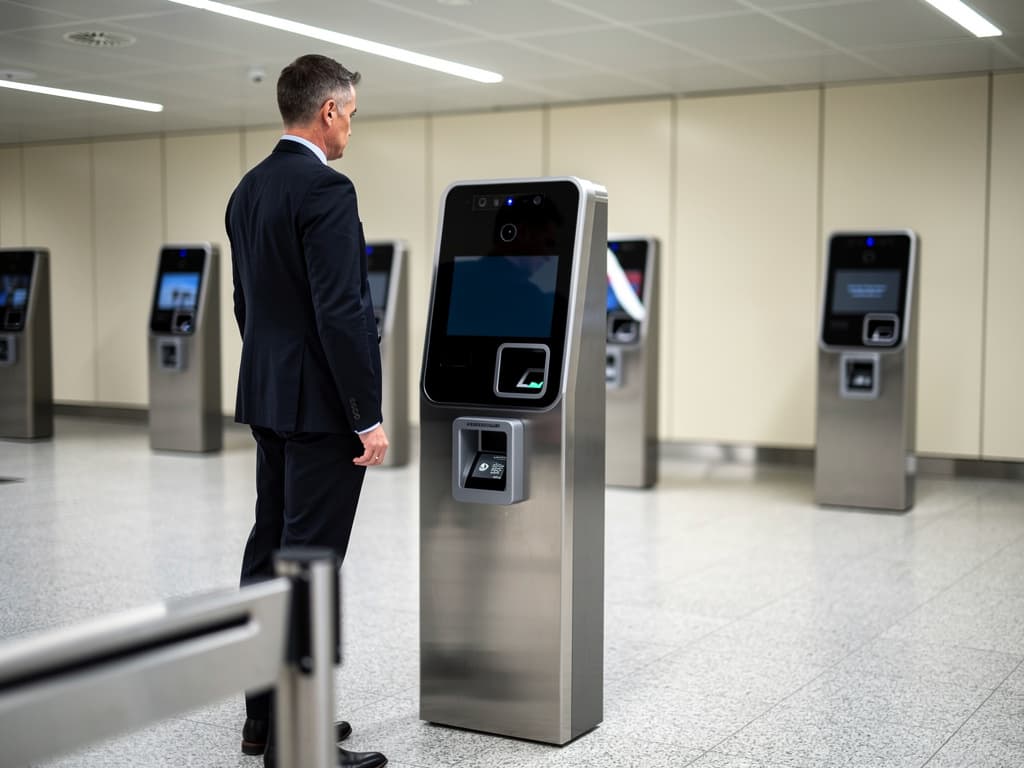
Rolled out after repeated delays, EES requires all non‑EU nationals entering the Schengen Area to register fingerprints and facial scans on first entry. The European Commission’s travel portal confirms that this biometric step now applies to every UK passport holder — and it has lengthened processing several‑fold at the busiest crossing points.
An industry coalition — Airports Council International Europe, Airlines for Europe and the International Air Transport Association — wrote to Commission President Ursula von der Leyen in July, warning that waits had hit five hours at peak traffic and that the situation “has reached a critical point”. ACI Europe president Stefan Schulte had already called the EES the issue that keeps airport CEOs awake at night.
Low‑cost carrier easyJet and flag carrier Air France have both issued travel advisories for affected hubs. Meanwhile, the UK government has allocated £10.5 million for infrastructure upgrades at the Port of Dover, Eurotunnel and Eurostar, plus a further £20 million to boost passport‑checking and vehicle‑holding capacity at Dover.
| Date | Event | Impact | Status |
|---|---|---|---|
| Late 2025 | EES launches after repeated postponements | Biometric registration begins for all non‑EU arrivals | Operational |
| April 2026 | Full enforcement starts | Processing times surge; queues reach 5 hours at multiple entry points | Ongoing |
| June 2026 | ACI Europe president warns of chaos, urges new aviation strategy | Airport leaders signal systemic strain | Escalated |
| July 2026 | Savanta poll finds 43% of UK adults changing plans or anxious | Consumer sentiment shifts sharply; 15% consider staycation | Quantified |
| July 2026 | Industry coalition sends crisis letter to von der Leyen | Formal demand for immediate Commission intervention | Action requested |
| August 2026 | UK government commits £30.5 million for Dover, Eurotunnel, Eurostar | Infrastructure upgrades underway but no short‑term queue relief | Funded |

Flight deals most people never see
Our AI monitors 150+ airlines for pricing anomalies that traditional search engines miss. Air Traveler Club members save $650 per trip per person on average: see how it works.
Each deal saves 40–80% vs. regular fares:

Why premium cabins offer no border shortcut
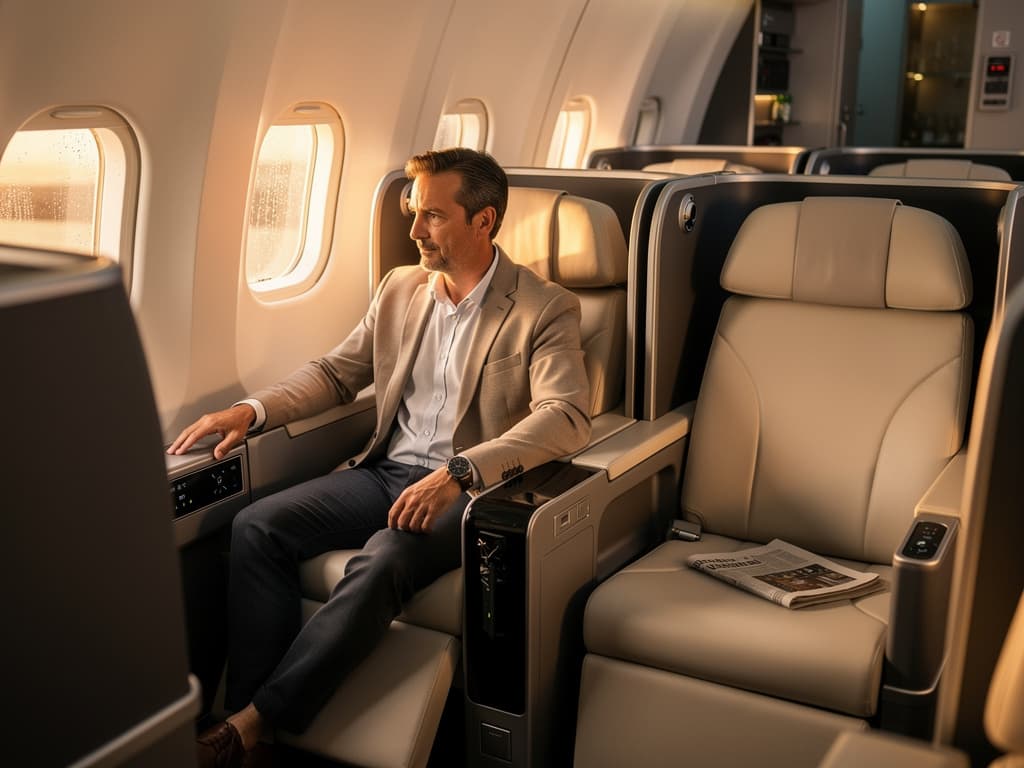
The EES sits outside the normal premium‑cabin hierarchy: business‑class boarding privileges and elite status do not grant a fast lane at Schengen biometric gates. Official EU guidance makes no provision for fare‑class segregation, meaning even a fully flexible first‑class ticket yields the same queue as an economy seat.
Air Traveler Club’s analysis of the recent US TSA shutdown crisis — which saw 4–6 hour security waits at major hubs — illustrates how the absence of a trusted‑traveller fast‑track can overwhelm even the most powerful airline status. Europe’s new regime mirrors that vulnerability, eroding the seamlessness that premium travellers pay for.
How to shield your EU trip from border chaos
While you cannot avoid EES entirely, you can build a travel itinerary that substantially reduces the risk of missed connections and wasted holiday days.
- Check your current booking for flexibility: Several major carriers, including British Airways and Lufthansa, have issued waivers allowing free changes for flights through affected hubs. Confirm on the airline’s manage‑booking portal.
- Pad your connections aggressively: For air‑to‑air transits at Schengen airports, aim for a minimum of three hours between flights — more if you need to re‑register biometric data.
- Consider alternative entry routes: Eurostar can be faster than flights for London–Paris/Brussels hops, and smaller airports like Lyon or Bologna have historically handled EES with shorter queues.
- Leverage premium ticket change benefits: Business‑class fares typically allow same‑day changes without penalty. If your outbound flight looks tight, switch to an earlier departure to build in processing time.
- Monitor contingency extensions: Some EU states have temporarily relaxed checks; if Brussels extends these measures beyond September, peak‑pressure could ease — but do not plan your trip around it.
Watch for the European Commission’s next public update on EES, expected before the August bank holiday; an extension of contingency measures would signal that pressure is forcing Brussels’ hand.
FAQ
Will my business‑class ticket get me faster through EES?
No. The Entry/Exit System biometric check does not distinguish by fare class. Your airline status or cabin type may speed you through check‑in and security on the departure side, but at the Schengen border gate all UK passport holders face the same process.
Are any airports reliably faster for EES processing?
Some smaller regional airports — such as Lyon, Bologna or Bilbao — have historically reported shorter queues than mega‑hubs like Paris CDG or Amsterdam Schiphol. Eurostar and ferry crossings also offer fixed‑schedule processing that can reduce uncertainty compared with air arrivals.
What happens if I miss my connecting flight because of border delays?
Airlines are ultimately responsible for rebooking you onto the next available flight if your entire journey is on a single ticket. However, if you booked separate tickets, the onward carrier is not obliged to accommodate you. In all cases, contact your operating airline immediately at the airport and document the delay with a written confirmation from border staff if possible.
Is the UK government negotiating a special fast‑track for British passport holders?
Not yet. Liberal Democrat Europe spokesperson Al Pinkerton requested an emergency UK‑EC meeting, but no response had been received by early August. Without a bilateral agreement, UK travellers remain subject to the same third‑country biometric rules as all other non‑EU nationals.
Read more