Summary
Air China resumed direct Beijing-Pyongyang service on March 30, 2026, after a six-year suspension since January 2020. The once-weekly Monday flight operates on a Boeing 737-700 with eight business class seats and 120 economy seats, offering the only Western-aligned carrier access to North Korea’s capital alongside state carrier Air Koryo.
Economy fares start at 2,630 yuan (approximately $381) Beijing to Pyongyang. The 488-mile route represents the longest interruption in capital-to-capital service in modern aviation history, with resumption signaling sustained China-North Korea economic normalization beyond temporary diplomatic gestures.
Air China flight CA121 departed Beijing Capital International Airport at 8:05 a.m. on March 30, marking the first direct service to Pyongyang since pandemic restrictions forced suspension in January 2020. The resumption breaks Air Koryo‘s monopoly for foreign carriers on this route, offering diplomatic and business travelers a choice between state-backed airlines with different operational standards.
The route operates once weekly on Mondays using a Boeing 737-700 configured with 128 total seats: eight business class and 120 economy class. Flight time is blocked at 1 hour 55 minutes each direction, with the return flight CA122 departing Pyongyang at noon and arriving Beijing at 12:55 p.m.
Premium cabin availability is severely constrained.
With only eight business seats available weekly, advance booking and Star Alliance elite status leverage become critical for securing premium access. Economy class fares start at 2,630 yuan Beijing to Pyongyang and 2,120 yuan for the return leg, based on initial Air China app listings. Business class pricing has not been publicly disclosed, though regional business products on this aircraft type typically command 2-3x economy fares.
route details and diplomatic context
The six-year gap represents the longest interruption in Beijing-Pyongyang air service in modern aviation history. Air China last operated this route continuously until January 2020, when COVID-19 pandemic travel restrictions forced suspension across North Korea’s aviation network. Air Koryo maintained minimal service throughout the closure, preserving North Korea’s air connectivity during the diplomatic isolation period.
Chinese officials framed the flights as facilitating “friendly exchanges between people of the two countries,” coinciding with broader warming of China-North Korea economic ties. The same week as flight resumption, both nations announced restoration of train links between the countries — a parallel signal of normalized relations beyond aviation.
| Airline | Aircraft/Cabin | Schedule | Approximate fare |
|---|---|---|---|
| Air China | 737-700 / Regional business (8 seats) | Monday only, 8:05 a.m. departure | Economy from $381, business undisclosed |
| Air Koryo | Similar regional configuration | Weekly service, comparable schedule | Comparable to Air China economy pricing |
| Alternative routes | No premium options via Shanghai, Vladivostok, or other hubs | All routes funnel through Beijing | No alternatives available |

Flight deals most people never see
Our AI monitors 150+ airlines for pricing anomalies that traditional search engines miss. Air Traveler Club members save $650 per trip per person on average: see how it works.
Each deal saves 40–80% vs. regular fares:

why this matters for premium travelers
The Monday-only schedule and eight business seats weekly suggest cautious, controlled capacity — consistent with diplomatic travel prioritization over mass tourism. For business travelers and diplomats, this creates a genuine access advantage over Air Koryo‘s previous monopoly, particularly for those holding Star Alliance elite status through United, Lufthansa, or ANA partnerships.
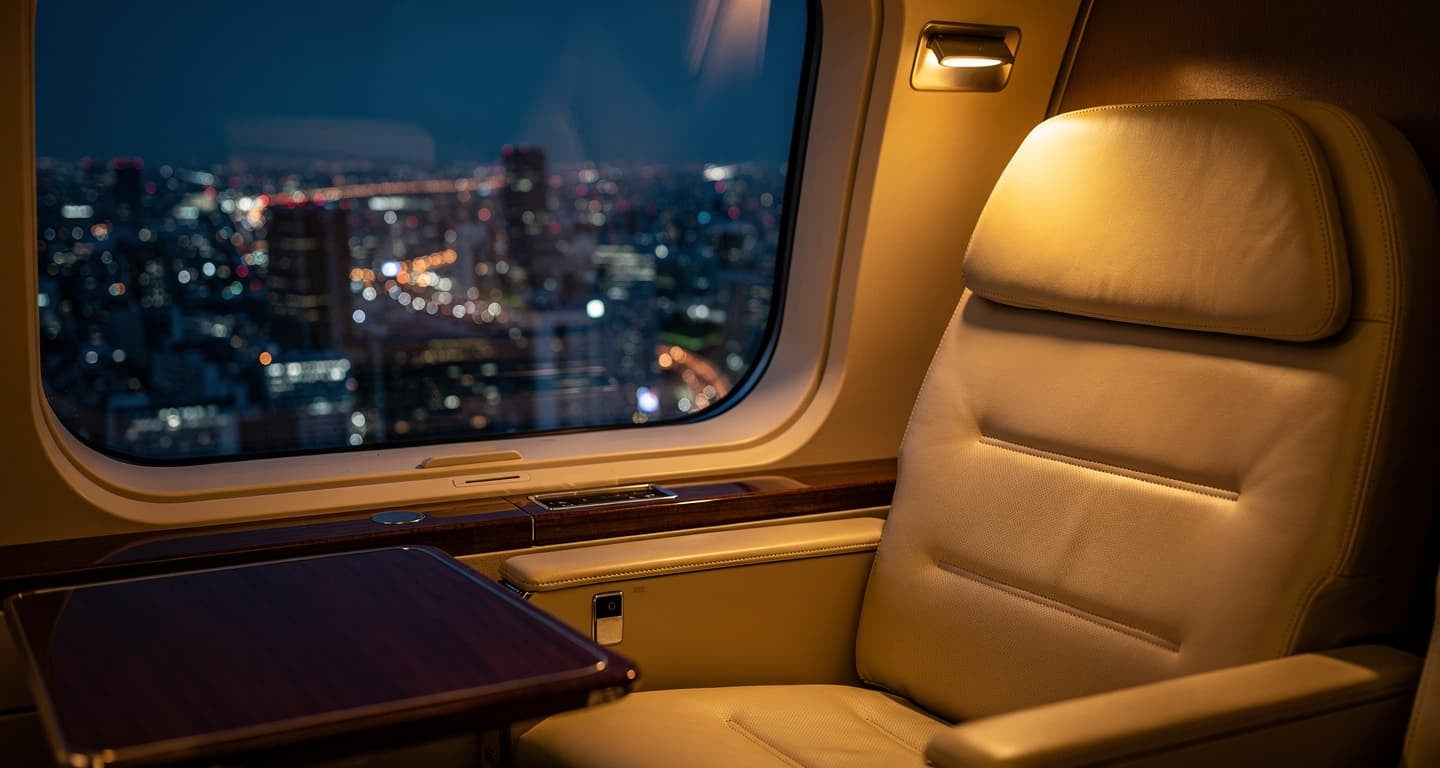
The 737-700 configuration lacks premium cabin amenities typical of long-haul business products. This is a regional business class product comparable to Air Koryo‘s offering on the same route, not a premium long-haul cabin. For travelers prioritizing comfort over access, this represents a functional but basic premium experience — standard recliners with meal service, not lie-flat suites.
booking strategy for limited inventory
The eight business seats weekly create a genuine scarcity dynamic for premium travelers seeking Pyongyang access.
- Book immediately upon availability: Same-week or next-week booking patterns suggest Air China releases inventory in tight windows. Monitor the app weekly for Monday departures.
- Leverage Star Alliance status: United MileagePlus Premier, Lufthansa Senator, or ANA Diamond members may access priority booking channels, though North Korea travel restrictions could limit standard upgrade benefits.
- Consider economy as baseline: At $381 one-way, economy pricing is accessible for most business travelers. Business class premium likely justifies cost only for diplomatic protocol requirements.
- Alternative: Air Koryo for comparison: North Korea’s state carrier operates comparable service with similar business class product. Pricing and availability patterns remain opaque but worth checking for diplomatic travelers.
Watch: If Air China announces twice-weekly or daily flights within 90 days, it signals sustained diplomatic warming and growing business travel demand — and potentially easier premium cabin access.
FAQ
Can I use miles to book Air China’s Beijing-Pyongyang flight?
Air China is a Star Alliance member, meaning United MileagePlus, Lufthansa Miles & More, and ANA Mileage Club members can theoretically book award flights on this route. However, North Korea travel restrictions and extremely limited inventory (eight business seats weekly) make award availability unlikely. Cash bookings via air-china.com remain the most reliable access method.
What are the visa requirements for traveling to Pyongyang?
North Korea requires all foreign visitors to obtain a visa through approved tour operators or diplomatic channels. Independent tourism is not permitted. Business travelers and diplomats must arrange visas through their respective embassies or government-approved agencies before booking flights. Air China does not facilitate visa processing.
How does Air China’s business class compare to Air Koryo’s on this route?
Both airlines operate regional business class products on similar aircraft types — standard recliners with meal service, not lie-flat seats. Air China offers Star Alliance elite status benefits and Western operational standards, while Air Koryo represents North Korea’s state carrier with different service protocols. Neither provides premium long-haul comfort; both are functional regional products for short diplomatic flights.
Read more