Summary
Prince Harry and Meghan Markle face accusations of repeatedly requesting private jets and vacation homes from ultra-high-net-worth individuals in their social circle, according to March 26, 2026 commentary on Sky News. Media personality Kinsey Schofield stated neighbors and acquaintances now avoid the couple, describing their relationships as “one-sided” and characterizing them as “takers” following reports of borrowed assets including a Falcon jet and multiple luxury properties.
The claims remain unverified beyond media commentary, but signal immediate reputational risk for HNWIs who lend personal assets to high-profile figures. A recent denial of a private jet request for a humanitarian awards event suggests sponsor reluctance is already materializing.
The controversy erupts as elite lending networks face unprecedented scrutiny over informal asset sharing with celebrities.
Schofield’s Sky News appearance follows a Variety report detailing the Sussexes’ deteriorating Netflix relationship. “No one wants to be seen with them,” she told host Rita Panahi. “It’s a growing awareness that they’re takers. They’ve been accused of asking to borrow people’s vacation homes, asking to borrow their jets.”
The accusations center on a pattern of requests to ultra-wealthy contacts for use of private aviation and residential properties — assets typically valued at $50 million to $150 million for Montecito-tier estates and $1 million annually for fractional jet access through formal programs like NetJets.
For HNWIs who have extended such favors, the public nature of these claims creates immediate exposure. Lending personal assets to high-profile figures now carries reputational risk beyond the traditional privacy concerns of wealth disclosure.
What the accusations reveal about elite lending dynamics
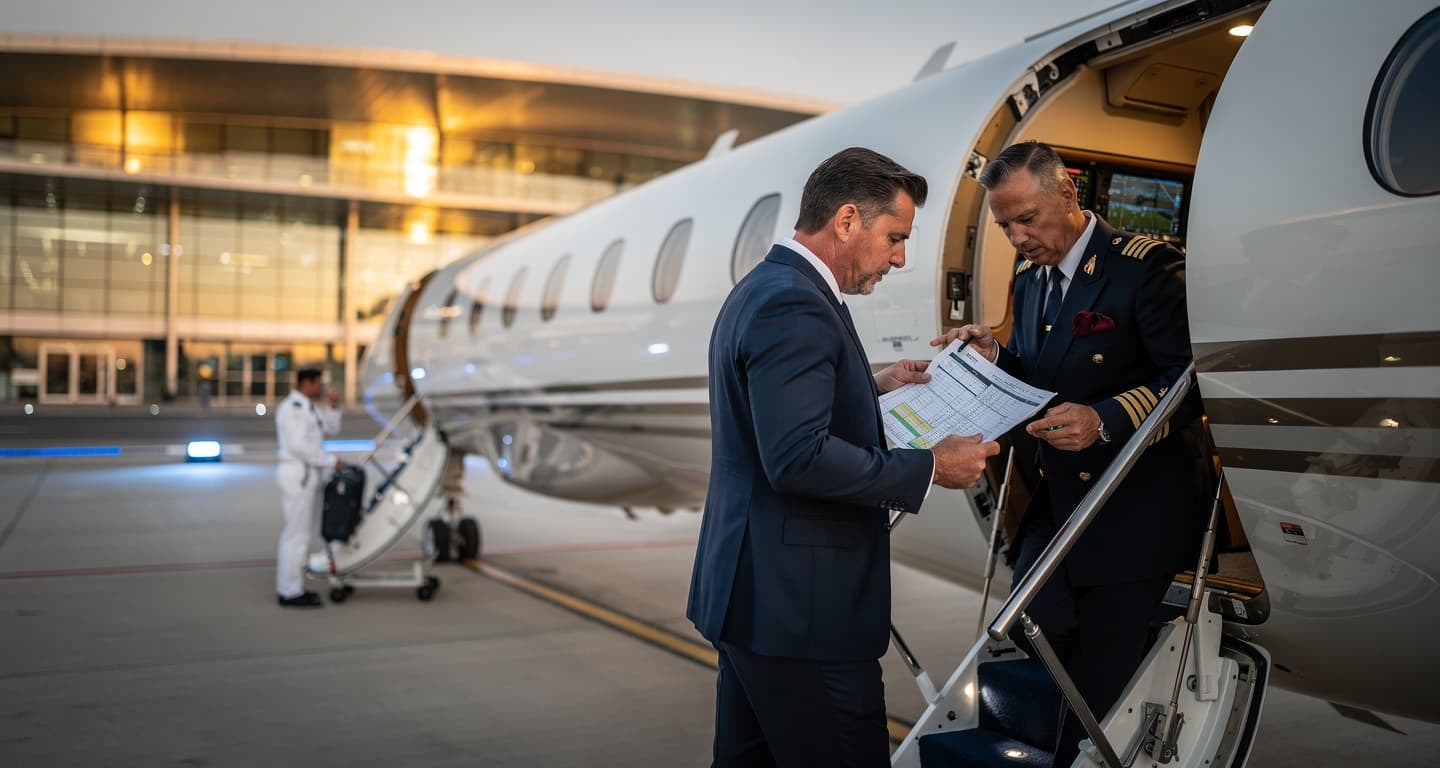
Reports cite billionaire Victoria Jackson as having loaned the couple her Falcon private jet, New York brownstone, Beverly Hills mansion, and Montecito estate, according to media coverage of the lending arrangements. A source described the Sussexes as “always looking for somebody to fund their lifestyle because they simply cannot do it themselves.”
The most telling development: a recent denial of a private VIP jet request for a humanitarian awards event, reportedly due to sponsor refusal. This marks a shift from quiet accommodation to public rejection within elite circles.
| Access model | Annual cost | Privacy protection | Reputational risk |
|---|---|---|---|
| Personal asset lending | $0 (favor-based) | Minimal — flight logs public | High — media exposure |
| NetJets fractional | $1M+ (25 hours) | Strong — NDA protection | None — corporate structure |
| VistaJet membership | $150K+ deposit | Strong — guaranteed availability | None — paid service |

Flight deals most people never see
Our AI monitors 150+ airlines for pricing anomalies that traditional search engines miss. Air Traveler Club members save $650 per trip per person on average: see how it works.
Each deal saves 40–80% vs. regular fares:

Why informal lending is losing appeal in HNWI circles
The Sussex controversy reinforces a broader shift away from favor-based asset sharing among ultra-wealthy networks. When lending becomes public — and perceived as one-sided — it exposes the lender to criticism for enabling perceived entitlement.
Formal programs eliminate this dynamic entirely. NetJets fractional ownership provides transcontinental access on super-midsize jets with guaranteed availability and corporate privacy structures. VistaJet offers ultra-long-range fleet access without ownership exposure. Both models cost significantly more than informal lending but remove reputational risk.
The three-to-six-month outlook suggests continued chill on informal lending to non-reciprocal high-profile figures. HNWIs who maintain lending relationships should expect increased scrutiny as media coverage of celebrity asset use intensifies.
Immediate steps for asset protection
This controversy creates decision points for HNWIs who participate in informal lending networks or may be approached for similar favors.
- Audit existing arrangements: Review all informal asset loans made in past 24 months. Document flight logs, property access records, and media mentions linking your assets to borrowers.
- Establish formal boundaries: Transition from favor-based lending to paid alternatives. Recommend NetJets fractional ownership or VistaJet membership to contacts seeking aviation access.
- Review legal protections: Consult with Kirkland & Ellis or similar luxury practice on NDA enforcement and liability limitations for personal asset lending.
- Consider corporate structures: If continuing to lend, establish LLC ownership for jets and properties to separate personal identity from public records.
Watch: The Sussexes’ next international travel will reveal whether they’ve secured formal jet arrangements or continue seeking informal lending — a signal of whether elite networks have fully closed ranks.
FAQ
What are the legal risks of lending private jets to celebrities?
Flight logs become public records under FAA regulations, exposing owner identity and travel patterns. If the borrower generates negative media attention, the lender faces reputational association. Insurance policies may have restrictions on non-owner use that could void coverage in incident scenarios.
How do formal jet programs protect privacy better than personal lending?
NetJets and VistaJet use corporate structures that shield individual ownership from public flight records. NDAs prevent disclosure of client identity. The paid service model eliminates perception of favor-based relationships that attract media scrutiny.
What should I do if I’ve already lent assets that are now publicly known?
Immediately consult legal counsel on NDA enforcement and liability exposure. Review insurance policies for coverage gaps. Establish clear end date for lending arrangement. Consider transitioning asset to LLC ownership to separate future use from personal identity.
Read more