Summary
Changi Airport has completed its first satellite gate, a 200-square-meter standalone facility that brings aerobridge boarding to flights parked on remote stands, eliminating weather-exposed stair boarding for the ~2% of flights assigned those positions. The zero-energy building, powered entirely by rooftop solar panels, will begin handling selected flights by August 2026, offering a fully sheltered, air-conditioned pathway with a 60-meter accessibility ramp.
The initial rollout will serve as a trial for possible expansion before Terminal 5 opens in the mid-2030s, with over 500 staff trained since May. For the first time at a major Asian hub, passengers on remote stands will experience contact-gate-level comfort combined with energy self-sufficiency.
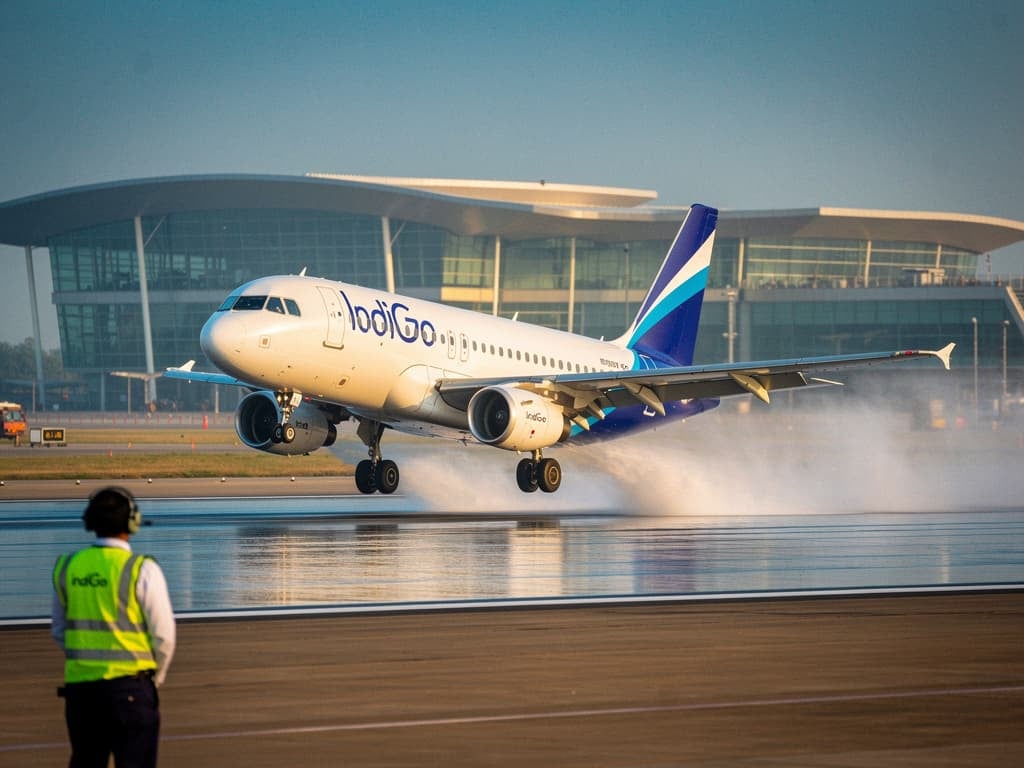
Singapore’s Changi Airport has completed construction of a self-contained remote boarding facility that solves one of air travel’s most persistent inconveniences — boarding via stairs exposed to tropical heat and humidity. The satellite gate, officially announced on July 10, 2026, replaces the traditional bus-and-stairs procedure with two aerobridges and a fully sheltered, air-conditioned path for passengers whose flights park at remote stands.
The 200-square-meter building is more than a boarding bridge. It is a zero-energy facility powered entirely by rooftop solar panels with an off-grid battery system, designed with automated smart climate controls. A gently sloping 60-meter ramp connects the aerobridges to ground level, making the facility universally accessible for wheelchair users, seniors, families with strollers, and travelers with wheeled luggage.
For the roughly two percent of Changi’s passenger flights currently assigned to remote positions — about 10‑12 daily during peak periods — the experience will soon match the comfort of a contact gate, regardless of cabin class or elite status. More than 500 airport staff have been training on satellite gate operations since May, and the facility will begin handling selected flights by August 2026 as part of a trial that will shape further investment.
What the satellite gate changes for remote stand flights
Changi Airport Group confirmed that the new gate supports both narrowbody and widebody aircraft. Departing passengers will be bused from the terminal to the gate when boarding begins; arriving passengers disembark into the air-conditioned facility before transferring to buses for the terminal. Every step is sheltered, ending the routine of climbing stairs in Singapore’s tropical downpours or oppressive heat.
| Airport | Facility | Aerobridge access | Zero-energy | Accessibility feature |
|---|---|---|---|---|
| Changi (SIN) | Satellite gate | Two aerobridges | Yes | 60‑m ramp |
| Hong Kong (HKG) | Midfield concourse | Multiple aerobridges | No | Standard lifts and ramps |
| Dubai (DXB) | Remote boarding lounges | None (stairs) | No | Limited ground-level access |

Flight deals most people never see
Our AI monitors 150+ airlines for pricing anomalies that traditional search engines miss. Air Traveler Club members save $650 per trip per person on average: see how it works.
Each deal saves 40–80% vs. regular fares:

Why Changi’s zero-energy approach matters beyond Singapore
At Hong Kong International Airport, a midfield concourse expansion added aerobridges to reduce bus transfers in 2022, but the facility relies on grid power and lacks a dedicated accessibility ramp. Dubai International’s remote boarding lounges offer basic shelter yet still require stair boarding. Changi’s satellite gate, by contrast, brings aerobridge access, solar-powered energy independence, and a 60-meter ramp into a single 200-square-meter footprint. It fills an operational gap while setting a sustainability benchmark that other global hubs will find hard to ignore.
What the trial means for Changi’s expansion timeline
The initial flights in August 2026 will serve as a proof of concept. A positive assessment likely in early 2027 would accelerate deployment of similar gates across Changi’s airfield, directly benefiting passengers on remote stand flights during peak hours when contact gates are fully utilized. For now, travelers cannot opt-in or book a flight specifically to experience the satellite gate; allocation rests entirely with airport operations.
FAQ
How can I know if my flight will use the satellite gate?
Changi Airport Group has not published a flight list. Travelers can monitor the Changi App on departure day for real‑time gate assignments. The gate will serve selected flights starting August 2026, with broader rollout contingent on trial results.
Does this change lounge access or premium services?
No. The satellite gate is a standard boarding facility, not a lounge. Premium lounge access remains terminal‑based and is unaffected. Every passenger on a flight using the gate gets the same sheltered boarding experience.
Will more satellite gates be built?
Changi will review trial performance after Q4 2026. If targets for passenger satisfaction and operational efficiency are met, additional gates are expected to support capacity growth ahead of Terminal 5’s mid‑2030s opening.
Read more