Summary
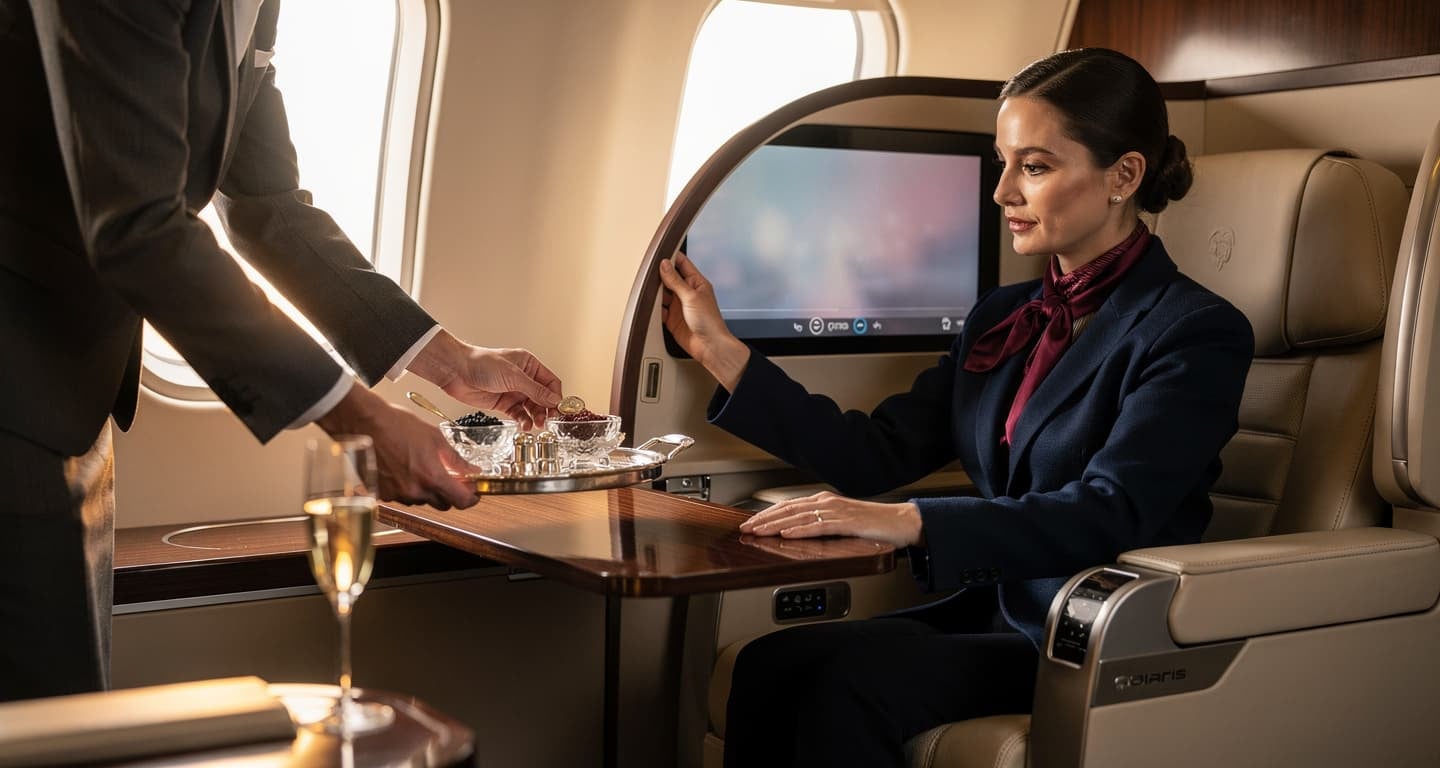
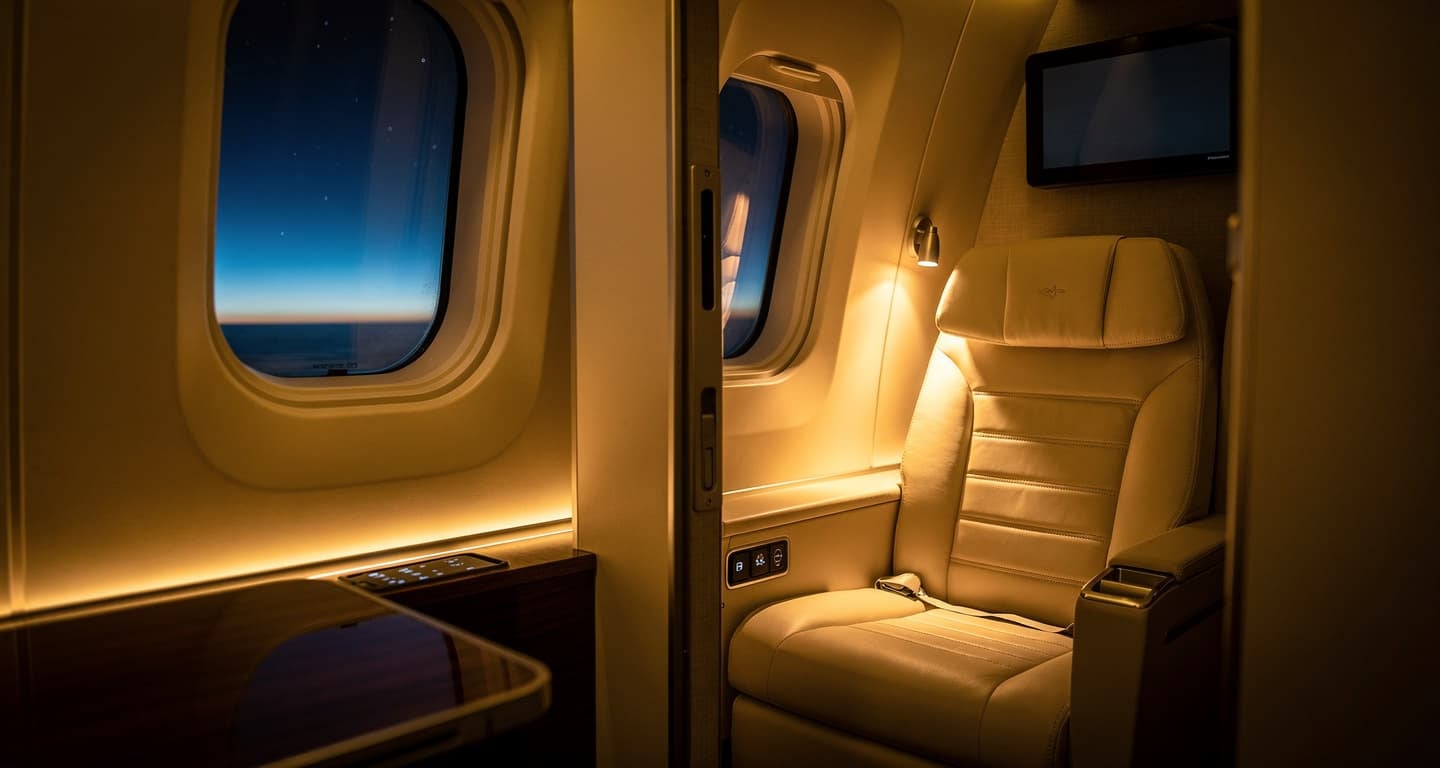
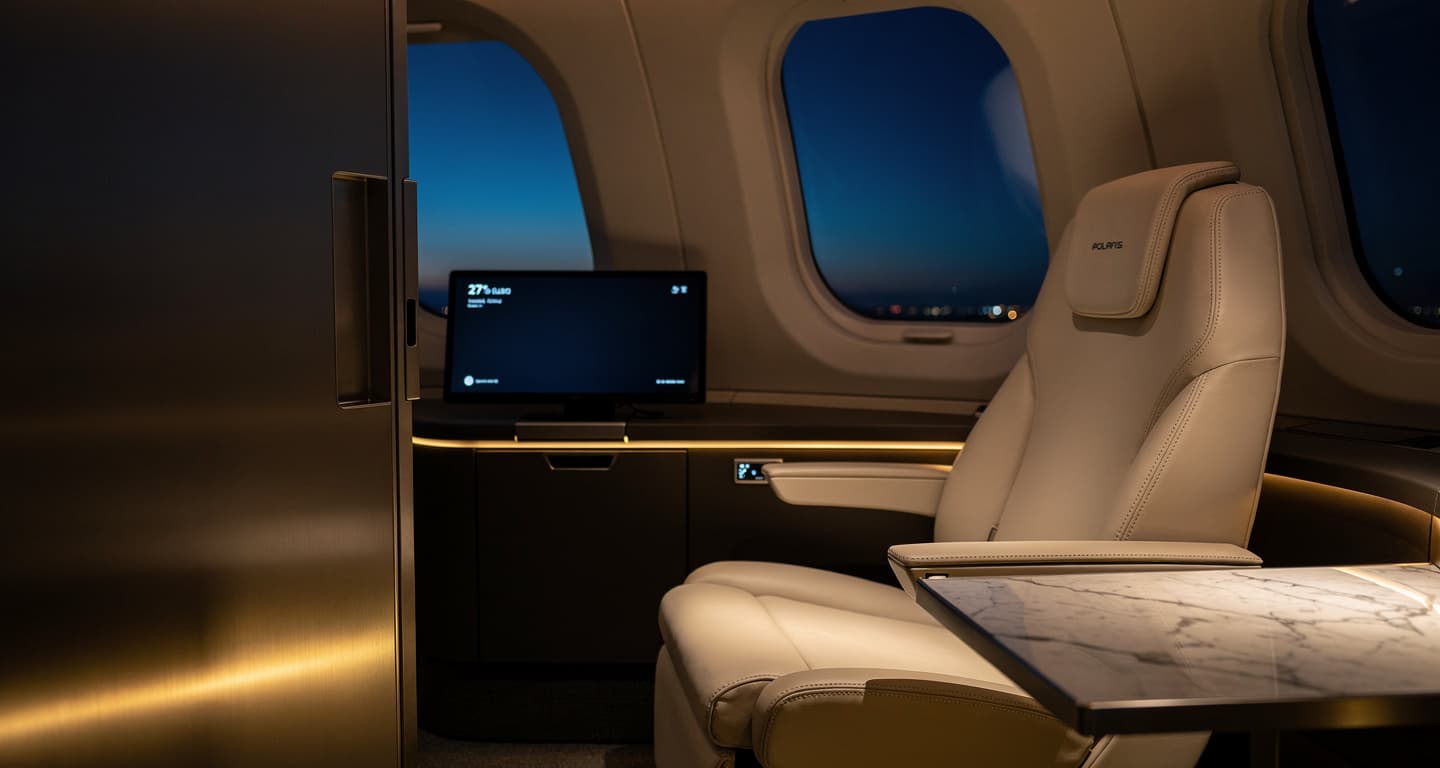
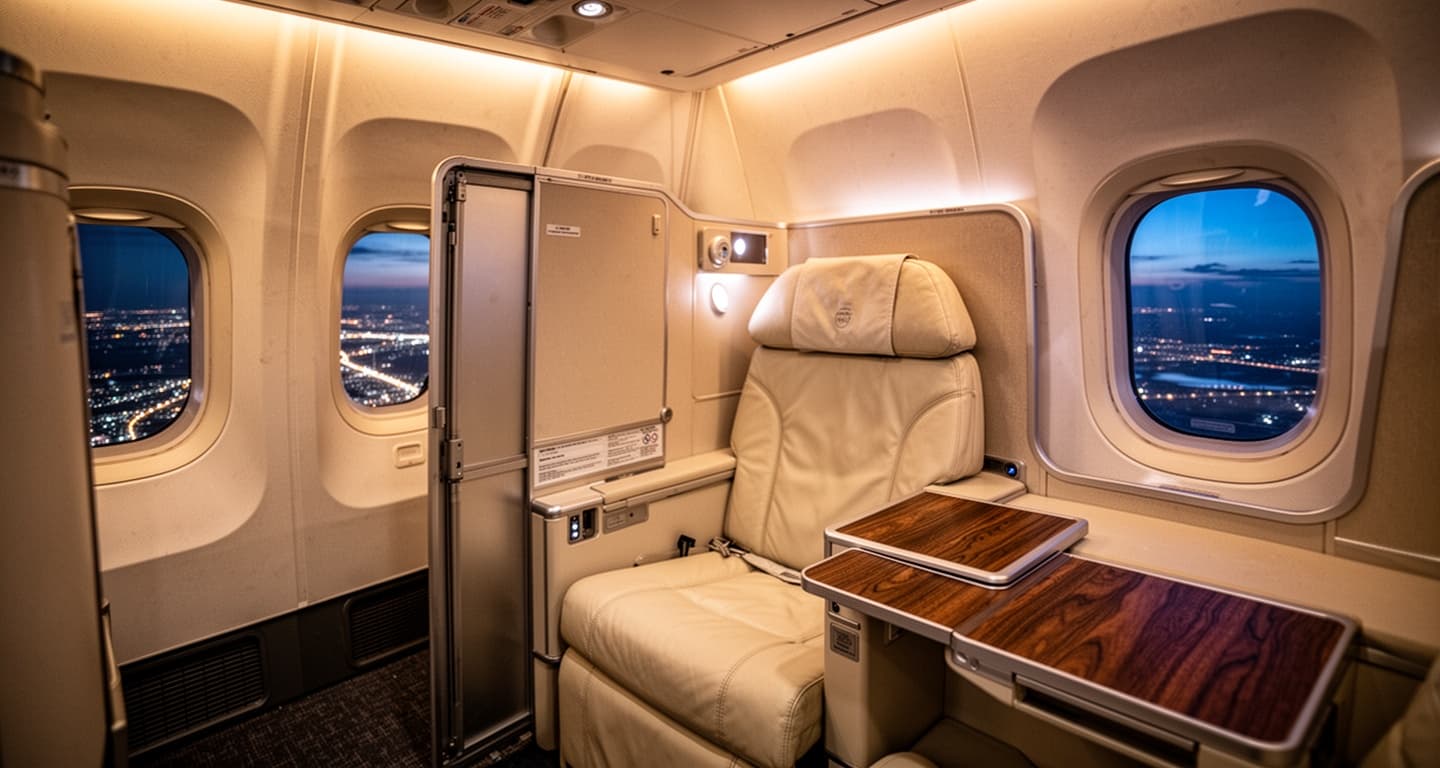
United Airlines will take delivery of 68 Airbus A321neo Coastliner and A321XLR aircraft by April 2028, each featuring lie-flat Polaris business-class seats that double premium capacity compared to the Boeing 757s they replace. The carrier has increased premium seats per North American departure by 40% since 2021 and projects nearly twice as many lie-flat seats as its closest competitor following this expansion, positioning it to capture high-margin demand as oil prices potentially reach $175 per barrel through 2027.
The fleet expansion prioritizes transcontinental and international routes where corporate travelers and MileagePlus elite members generate the highest yields. United’s MileagePlus program overhaul takes effect April 2, 2026, favoring high-spending cardholders for priority access to the expanded premium inventory.
United’s premium cabin strategy accelerates as fuel costs threaten to erase industry profits. CEO Scott Kirby warned that sustained $100+ oil prices through 2027 — driven by the Iran conflict — could increase the airline’s annual fuel bill by $11 billion, more than double its best-ever profit. Rather than retreat, United is cutting five percentage points of overall capacity while expanding the highest-margin seating.
The A321neo Coastliner and A321XLR deliveries represent the largest two-year aircraft intake by any carrier, with more than 250 jets arriving by April 2028. These narrowbody aircraft will operate transcontinental routes previously served by aging 757s, bringing widebody-style lie-flat seats to coast-to-coast flights where premium fares routinely exceed $2,000.
Chief Commercial Officer Andrew Nocella confirmed demand remains resilient. “We’ve been able to pass through many of the price increases necessary to cover” rising fuel costs, he said, signaling that corporate travel budgets and affluent leisure travelers continue absorbing fare hikes that would ground price-sensitive segments.
How the fleet expansion reshapes premium access
The A321XLR — Airbus’s longest-range single-aisle jet — enables United to serve secondary international markets with full business-class cabins previously requiring widebody economics. Routes like Newark to Reykjavik or San Francisco to Shannon become viable with premium-heavy configurations that double lie-flat seats compared to 757 layouts.
United recorded 27 million premium seats flown in 2025, and the new aircraft push that figure significantly higher. The carrier is simultaneously retrofitting widebody Polaris cabins with fully enclosed suites through the end of the decade, creating a two-tier premium product: open lie-flat seats on narrowbodies, enclosed suites on flagship international routes.
| Metric | 2021 baseline | 2028 projection | Change |
|---|---|---|---|
| Premium seats per North American departure | Baseline index | +40% | 40% increase |
| New aircraft deliveries (2026–2028) | N/A | 250+ jets | Industry record |
| A321neo/XLR premium seats vs. 757 | 757 baseline | 2x capacity | 100% increase |
| Lie-flat seats vs. closest competitor | Competitive parity | Nearly 2x | ~100% advantage |

Flight deals most people never see
Our AI monitors 150+ airlines for pricing anomalies that traditional search engines miss. Air Traveler Club members save $650 per trip per person on average: see how it works.
Each deal saves 40–80% vs. regular fares:

Why this positions United ahead of Delta and American
United’s 40% premium seat growth since 2021 outpaces Delta’s measured capacity additions and American’s narrowbody refresh delays. The carrier projects nearly twice as many lie-flat seats as its closest competitor following the A321 deliveries, a volume advantage that matters when corporate travel departments negotiate annual contracts.
The strategy sits in the upper business-class tier — comparable to Delta One but below Qatar Qsuite exclusivity. United lacks the enclosed suites or shower spas standard on true ultra-luxury products like Emirates first class, instead pursuing volume-driven premiumization. Service ratios and materials quality match peers rather than exceed them, but the sheer scale of lie-flat inventory creates competitive leverage on transcontinental routes where alternatives are limited.
This mirrors United’s 2019 Polaris rollout on 787-10s, which doubled premium revenue by 2021 despite COVID disruptions — proving HNWI demand remains resilient even when fuel spikes threaten leisure segments.
Strategic response for premium travelers
United’s bet on premium volume is shrewd short-term margin protection against sustained high oil prices, but sustainability depends on recession-proof HNWI demand holding through potential $175-per-barrel scenarios.
- Book transcontinental Polaris now: Global Services and Premier 1K members should lock in mileage redemptions on existing 757 routes before A321XLR capacity floods the market in late 2026, when award availability may tighten during initial deployment.
- Leverage mixed-cabin bookings: When automated search tools show no business-class availability on connecting itineraries, search the long-haul segment independently (e.g., LAX-London) and call United to manually add domestic connections in economy — securing the lie-flat seat where it matters. This construction works particularly well on new A321XLR routes.
- Monitor A321XLR first deliveries: Initial routes launching in late 2026 will reveal whether load factors sustain above 85% at premium pricing — validating United’s capacity gamble or forcing yield adjustments that create booking opportunities.
- Prioritize MileagePlus credit card spend: The April 2026 program changes reward high annual spending with priority upgrade clearing and bonus earning, making co-branded cards more valuable for frequent flyers than generic premium cards.
Watch: If United’s premium load factors hold above 85% through Q3 2026 despite oil remaining above $100, it validates the strategy and likely triggers similar capacity shifts at Delta and American — compressing economy availability industry-wide.

Read more