Summary
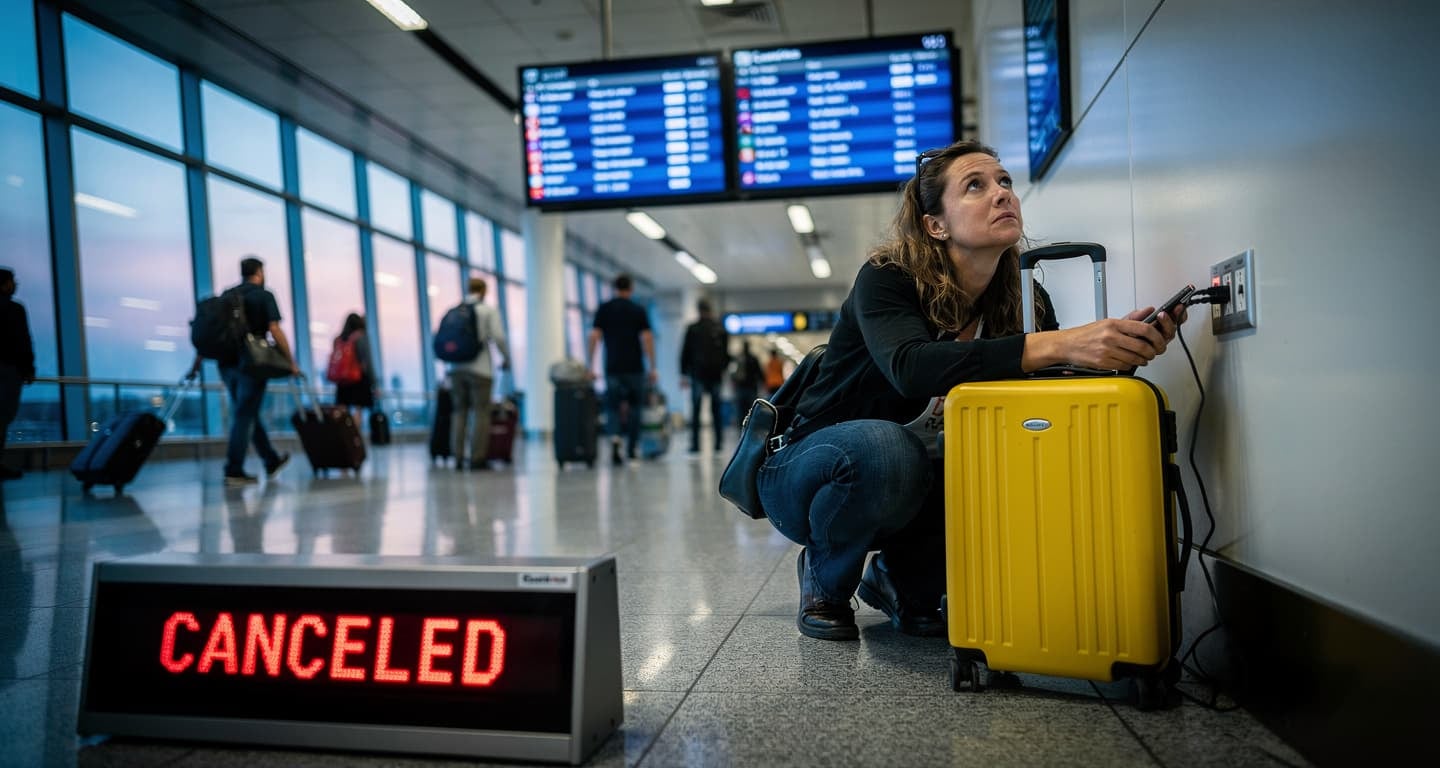
UAE-based Non-Resident Keralites face return airfares reaching Dh9,000 (₹2.3 lakh) for April 9, 2026 Kerala assembly elections—a tenfold surge from typical ₹15,000–₹20,000 fares driven by capacity cuts from West Asia geopolitical disruptions and election demand overwhelming remaining seats. Charter “vote flights” that transported tens of thousands in 2024 elections are cancelled this year, forcing voters to choose between premium-priced economy tickets, detours via Bengaluru with road connections, or forgoing their franchise entirely.
Over 2.3 lakh Kerala voters registered abroad must decide within 48 hours as remaining inventory evaporates. The surge transforms economy cabins into “exclusive luxury” rivaling business class pricing on routes where premium products remain largely unavailable during the crisis.
When polling stations open across Kerala’s 140 assembly constituencies on April 9, thousands of voters will have paid more for their economy seats than many travelers spend on lie-flat business class.
The confluence of election timing and regional conflict has created unprecedented fare inflation on UAE-Kerala routes, with Air India, IndiGo, and Emirates economy tickets hitting Dh9,000 return—ten times normal pricing.
What separates this election cycle from previous years isn’t just the numbers. Charter operations that moved 50,000+ voters in 2024 have been grounded by airspace restrictions and carrier capacity reductions stemming from ongoing West Asia tensions. The result: remaining commercial inventory absorbed election demand at exponential pricing.
The crisis affects premium travelers beyond the immediate voter population. UAE-India routes serving business and leisure segments face the same capacity constraints, with one-way economy fares reaching Dh2,000–2,500 where ₹7,500–10,000 represented peak pricing in previous years. Indian carriers have scaled back operations, eliminating the competitive pressure that historically kept fares in check during demand spikes.
The capacity crunch driving unprecedented fares
Normal UAE-Kerala baseline fares of ₹15,000–₹20,000 return have collapsed under dual pressure. Regional airspace restrictions forced carriers to reroute flights, increasing operating costs 20–30% while reducing frequency. Simultaneously, election demand concentrated in a 10-day window overwhelmed the diminished seat inventory.
The charter flight cancellations represent the most significant operational change. Groups like the Indian National Congress Association of Sharjah arranged dedicated aircraft in 2024, moving voters at subsidized rates. Those operations require advance planning and stable airspace—neither available in the current environment. Without charter capacity absorbing 30–40% of voter traffic, commercial flights face demand they weren’t designed to handle.
Some Non-Resident Keralites are routing through Bengaluru, where one-way tickets from UAE run Dh2,000 before adding 8–12 hour road connections to Kerala constituencies. The detour saves ₹60,000–80,000 per person but requires an additional travel day each direction—a calculation that favors those with flexible leave policies.
| Airline | Aircraft/Cabin | Normal fare | Election surge fare |
|---|---|---|---|
| Air India | B787 Economy | ₹15,000–20,000 | ₹2,00,000–2,30,000 |
| IndiGo | A320 Economy | ₹12,000–18,000 | ₹1,80,000+ |
| Emirates | A380 Economy | ₹18,000–25,000 | ₹2,10,000+ |
| Air India | B787 Business | ₹1,20,000–1,80,000 | Limited availability |
| Detour via BLR | Economy + Road | ₹20,000–30,000 | ₹80,000–1,00,000 |

Flight deals most people never see
Our AI monitors 150+ airlines for pricing anomalies that traditional search engines miss. Air Traveler Club members save $650 per trip per person on average: see how it works.
Each deal saves 40–80% vs. regular fares:

What premium travelers need to understand
The UAE-Kerala situation reveals structural vulnerabilities in South Asian aviation capacity that extend beyond election cycles. When geopolitical events reduce carrier operations by 25–35%, remaining inventory cannot absorb demand spikes without exponential pricing.
For frequent UAE-India travelers, the pattern suggests booking windows must extend to 60+ days for any high-demand period through 2026. The Air Traveler Club’s strategies to reduce flight expenses emphasize advance positioning and route flexibility—principles that would have saved voters ₹1.5 lakh per ticket had they booked in February.
The absence of premium cabin alternatives during the surge matters for business travelers who typically avoid economy on 4+ hour sectors. Air India’s lie-flat business product normally provides the upgrade path, but current inventory shows business class selling out 45–60 days before departure on Kerala routes—earlier than the typical 21-day window.
Strategic guidance for UAE-India travelers
The April 9 election deadline forces immediate decisions, but the capacity dynamics will persist through summer 2026 holiday periods and subsequent high-demand windows.
- Book remaining inventory within 48 hours if voting is non-negotiable—fares will only increase as April 9 approaches and seats sell out completely.
- Consider Bengaluru positioning for savings of ₹60,000–80,000 per person, accepting the 8–12 hour road connection and additional travel day each direction.
- Monitor post-election capacity restoration in late April for return positioning—if carriers add frequencies after April 9, fares could drop 50–70% to ₹20,000–30,000 levels for return legs.
- Extend booking windows to 90+ days for any UAE-India travel through 2026, particularly December holiday periods where similar capacity constraints will repeat.
- Evaluate premium cabin positioning for business travel—Air India business at ₹1.5 lakh becomes cost-competitive when economy surges above ₹1 lakh, with superior comfort and schedule reliability.
Watch for Indian carrier capacity announcements in May—if Air India and IndiGo restore pre-conflict frequencies, summer fares will stabilize. Persistent West Asia tensions mean repeated spikes remain likely through year-end.
FAQ
Will UAE-Kerala fares return to normal after the election?
Post-April 9, expect fares to drop 50–70% within 2–3 weeks as election demand dissipates and carriers potentially restore some capacity. However, baseline fares may remain 20–30% above historical norms if West Asia airspace restrictions continue limiting operations through summer 2026.
Can I use airline miles to book these routes during the surge?
Award availability on UAE-Kerala routes is severely constrained during the election window, with most programs showing zero saver-level space. Cash bookings are the only realistic option for April 9 travel, though positioning through alternative hubs like Mumbai or Bengaluru may offer better award inventory.
Are premium cabins affected by the same fare increases?
Business class inventory on Air India and Emirates sold out 45–60 days before April 9, earlier than typical 21-day windows. Remaining premium seats command ₹2.5–3 lakh, but the limited availability means most travelers face economy-only options regardless of willingness to pay for upgrades.
How do charter flight cancellations affect future elections?
The 2026 cancellations establish a precedent where geopolitical instability can eliminate charter operations that historically moved 30–40% of voter traffic. Future elections may require earlier planning and government coordination to secure dedicated capacity, or voters will face similar commercial fare spikes during concentrated demand periods.
Read more