In 2026, the longest Boeing 787 Dreamliner route is Qantas‘s Perth (PER) to London Heathrow (LHR) at 8,988 miles, operating daily with 81,420 seats and 731 million available seat miles (ASMs) annually. This ultra-long-haul service, flown by the 787-9, leads a list of seven routes pushing the aircraft’s range limits, including Melbourne-Dallas/Fort Worth and Perth-Paris.
While these routes offer consistent year-round service, premium cabin availability on lower-frequency flights like Dallas/Fort Worth-Sydney (19 annual flights) requires booking 330+ days out. The operational data for these routes provides critical intelligence for premium travelers planning direct long-haul journeys.
For premium travelers seeking the most direct and efficient ultra-long-haul connections in 2026, new operational data highlights the Boeing 787 Dreamliner as the workhorse of global connectivity. The longest of these routes, Qantas‘s Perth to London Heathrow, spans an impressive 8,988 miles, offering a daily, nonstop link between Australia and Europe. This intelligence is crucial for those prioritizing time and comfort on journeys that once required multiple stops.
The 787-9 variant of the Dreamliner is central to these extended operations, enabling airlines like Qantas, United Airlines, and Air New Zealand to maintain consistent schedules across vast distances. These flights are not merely about distance; they represent strategic investments in point-to-point travel, bypassing traditional hubs and significantly reducing overall travel time for business and first-class passengers.
Understanding the frequency and capacity of these routes, as detailed in the latest Cirium data, allows premium flyers to strategically plan their itineraries. Whether it’s the 81,420 annual seats on the Perth-London route or the more limited 4,484 seats on Dallas/Fort Worth-Sydney, knowing these metrics is key to securing preferred premium cabin space.
The longest 787 routes in detail
The Boeing 787 Dreamliner, particularly the 787-9 variant, continues to redefine ultra-long-haul travel, enabling direct connections that were previously unfeasible. The longest route in 2026 is Qantas‘s Perth (PER) to London Heathrow (LHR), covering 8,988 miles. This daily service, with 365 annual flights in each direction, provides 81,420 outbound seats and 731,802,960 available seat miles (ASMs), making it a cornerstone for Australia-Europe premium travel. The flight duration averages around 17 hours, a significant reduction from historical multi-stop “Kangaroo Route” journeys.
Following closely is Qantas‘s Melbourne (MEL) to Dallas/Fort Worth (DFW) at 8,973 miles, with 193 annual flights and 45,548 seats per direction. This route experiences notable flight time differences due to Pacific jet stream patterns, with westbound flights taking over an hour longer. The third longest is Qantas‘s Perth (PER) to Paris Charles de Gaulle (CDG), an 8,847-mile journey with 156 outbound flights and approximately 37,000 seats annually. These routes underscore the 787-9‘s capability to operate efficiently on demanding sectors, often with limited direct competition.
Further down the list, Air New Zealand‘s New York JFK to Auckland (AKL) route spans 8,813 miles, offering 362 annual flights and 83,970 seats. This service, launched in September 2022, is a critical link between North America and New Zealand. United Airlines operates the fifth-longest route from Sydney (SYD) to Houston (IAH), covering 8,587 miles with 154 annual flights. These connections highlight the strategic importance of the 787 in expanding global reach for major carriers, often serving as feeder routes into extensive domestic networks. For a comprehensive overview of these routes and their operational specifics, refer to the detailed analysis here.
| Route | Airline | Distance (miles) | Annual Flights (each direction) | Annual Seats (each direction) |
|---|---|---|---|---|
| Perth – London Heathrow | Qantas | 8,988 | 365 | 81,420 |
| Melbourne – Dallas/Fort Worth | Qantas | 8,973 | 193 | 45,548 |
| Perth – Paris | Qantas | 8,847 | 156 | 36,816 |
| New York JFK – Auckland | Air New Zealand | 8,813 | 362 | 83,970 |
| Sydney – Houston | United Airlines | 8,587 | 154 | 39,578 |
| Dallas/Fort Worth – Sydney | Qantas | 8,569 | 19 | 4,484 |
| San Francisco – Singapore | United Airlines | 8,440 | 730 | 187,610 |

Flight deals most people never see
Our AI monitors 150+ airlines for pricing anomalies that traditional search engines miss. Air Traveler Club members save $650 per trip per person on average: see how it works.
Each deal saves 40–80% vs. regular fares:

Strategic positioning in the ultra-long-haul market
The prevalence of the Boeing 787-9 on these ultra-long-haul routes signals a strategic shift in how airlines approach global connectivity. These aircraft allow carriers to bypass traditional hub-and-spoke models, offering direct, nonstop service that is highly valued by premium travelers. For instance, the Perth-London route, a modern iteration of the historic “Kangaroo Route,” dramatically cuts travel time from 24+ hours to approximately 17 hours, a compelling proposition for business travelers and those seeking maximum efficiency.
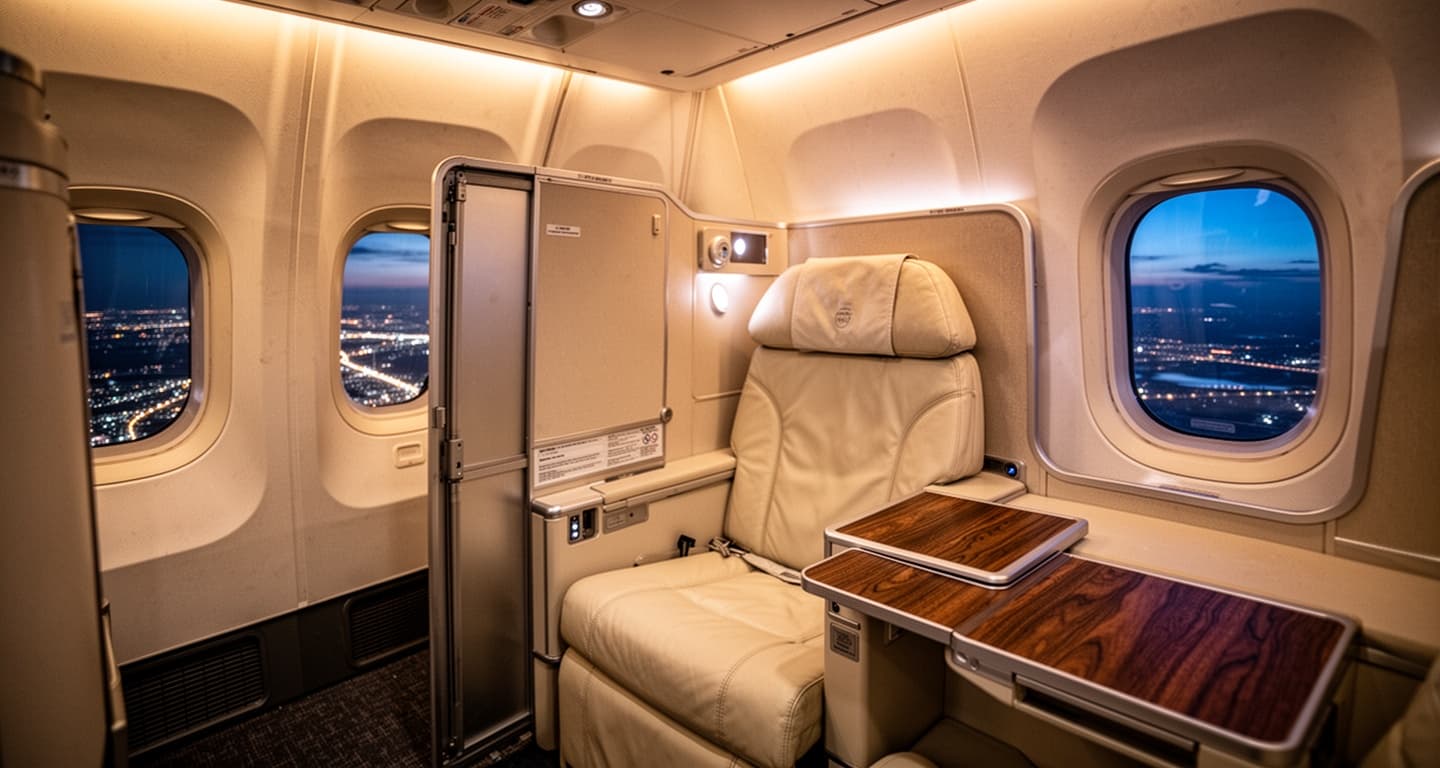
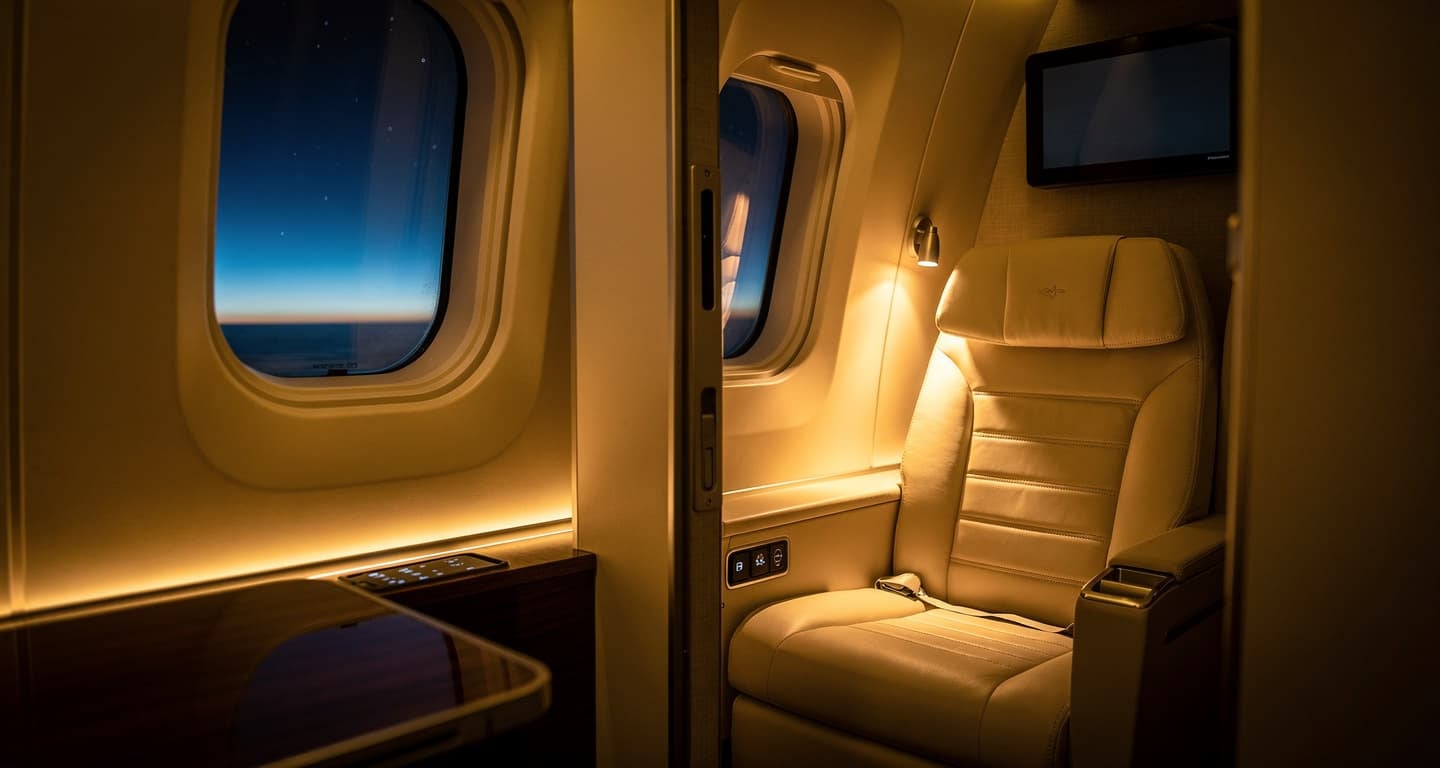
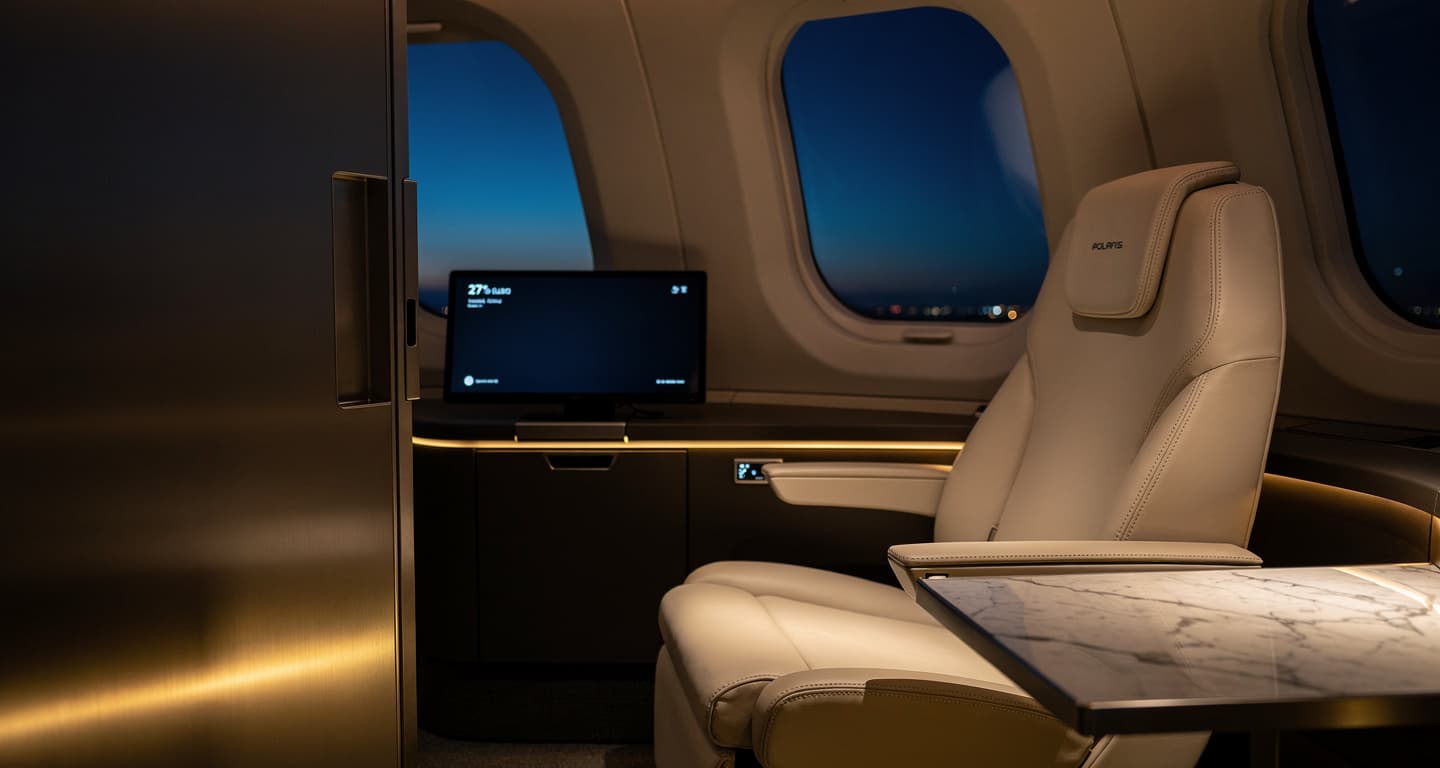
The premium cabins on these 787-9s, such as Qantas Business Class or United Polaris, are designed to maximize comfort on these extended journeys. While they may not offer the expansive first-class suites found on larger aircraft like the Airbus A380, their direct aisle access and lie-flat seats provide a superior experience compared to connecting itineraries. This positioning allows airlines to compete effectively by offering convenience and a high-quality, if not opulent, premium product. The strategic deployment of these aircraft also allows for more agile route adjustments and better fuel efficiency compared to older, larger quad-jets.
Optimizing your ultra-long-haul travel strategy
This intelligence on the longest 787 Dreamliner routes is critical for premium travelers making booking and award decisions for 2026 and beyond.
- Prioritize Nonstop: For routes like Perth-London or New York-Auckland, the time savings of a direct 787 flight often outweigh the marginal comfort gains of connecting via a larger aircraft with a first-class product.
- Book Early for Low-Frequency Routes: Services such as Dallas/Fort Worth-Sydney operate with limited frequency; secure premium cabin space by booking 11-12 months in advance.
- Leverage Elite Status: Qantas Platinum or United 1K status can provide priority waitlisting and better access to premium cabin inventory on these high-demand routes.
- Consider Aircraft Type: While most 787s feature standard 9-abreast economy, some airlines like Japan Airlines offer a more spacious 8-abreast configuration, as detailed by Air Traveler Club’s analysis, which can impact comfort on these extended journeys.
Watch: The deployment of new Boeing 787-10 aircraft by carriers like Qantas and United in late 2026 could introduce even longer routes or increased premium cabin capacity on existing ones, potentially boosting seat counts by 20-30 per flight.
FAQ
Which airlines operate the longest 787 routes?
Qantas operates the top three longest 787 routes in 2026 (Perth-London, Melbourne-Dallas/Fort Worth, Perth-Paris). United Airlines and Air New Zealand also feature prominently with routes like San Francisco-Singapore, Sydney-Houston, and New York JFK-Auckland.
What is the typical premium cabin configuration on these ultra-long-haul 787s?
Most 787-9 aircraft on these routes feature a 1-2-1 reverse herringbone business class configuration, providing direct aisle access and lie-flat seats. This design prioritizes privacy and comfort for extended flight durations.
How does the 787’s range compare to other long-haul aircraft?
The Boeing 787 Dreamliner, particularly the 787-9, is designed for exceptional range and fuel efficiency, allowing it to operate ultra-long-haul routes that previously required larger, less efficient quad-engine aircraft or intermediate stops. Its capabilities enable point-to-point connections across vast distances.
Read more