Summary
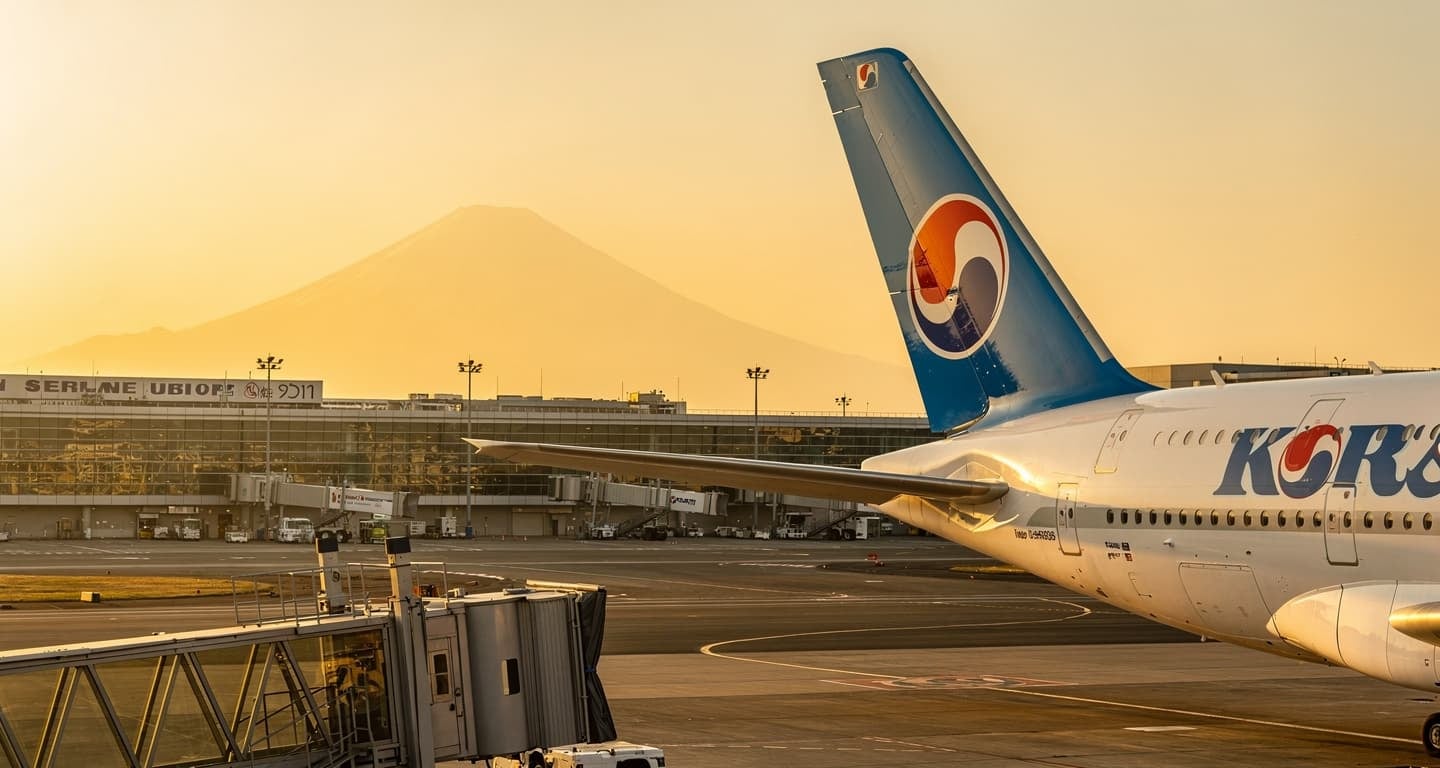
Korean Air has extended Airbus A380 operations on the Seoul Incheon-Tokyo Narita route beyond the original April 2026 termination date, maintaining superjumbo service on the world’s shortest regularly scheduled A380 corridor at 780 miles with 2-hour-20-minute flight time. The extension responds to sustained demand for the carrier’s 106 premium seats—12 First Class and 94 Prestige Class—on this high-frequency business route where Asiana Airlines also deploys A380s.
Both carriers operate the superjumbo on this corridor despite the short distance, a deployment pattern typically reserved for long-haul sectors. The extension signals capacity constraints on premium inventory through at least mid-2026, with Korean Air-Asiana merger integration potentially reshaping fleet allocation by year-end.
Korean Air’s decision to maintain A380 service on the ICN-NRT route past its planned April cutoff marks a rare commitment to superjumbo operations on ultra-short sectors. The 780-mile corridor between Seoul and Tokyo sees dual A380 deployment—Korean Air and Asiana Airlines both fly the type—making it the only route globally where two carriers operate the 500-plus-seat aircraft on flights under three hours.
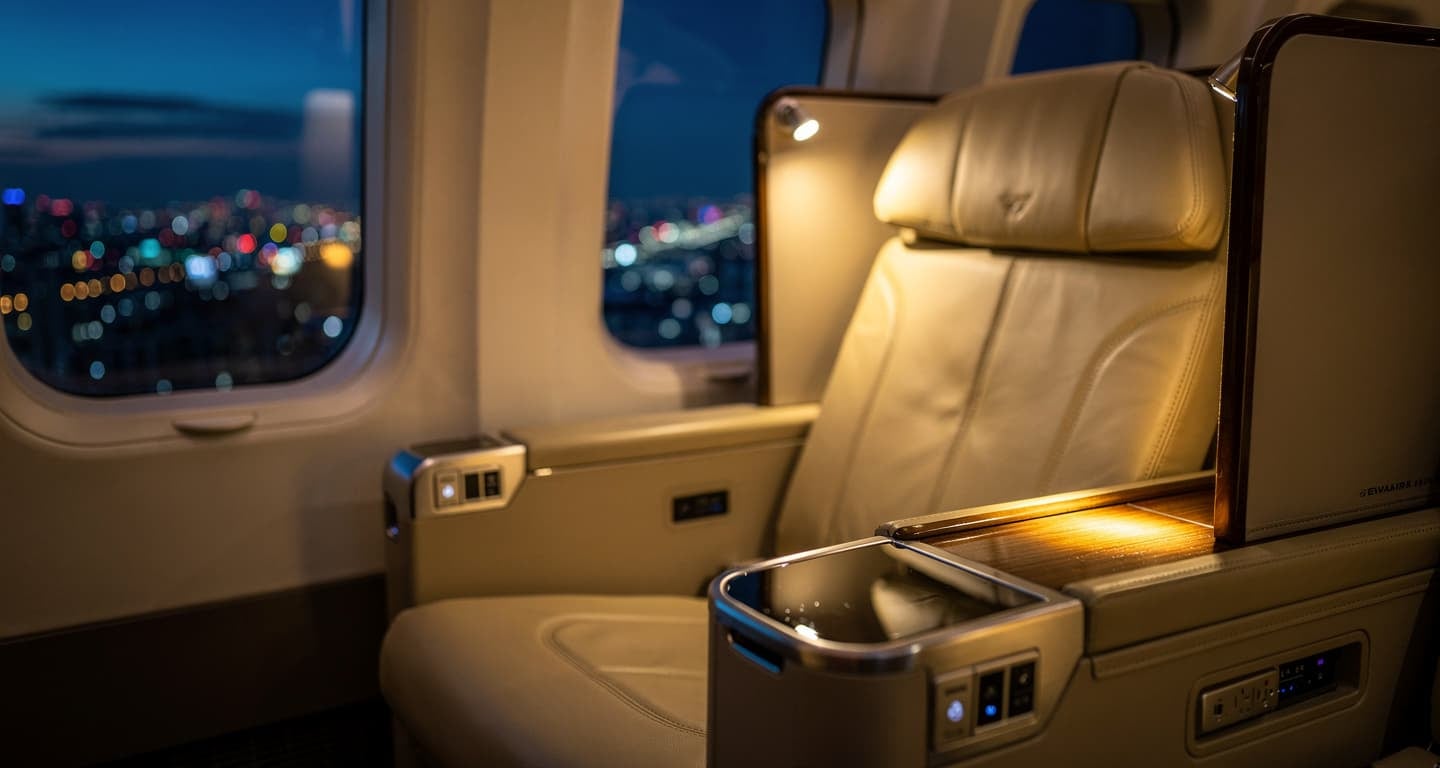
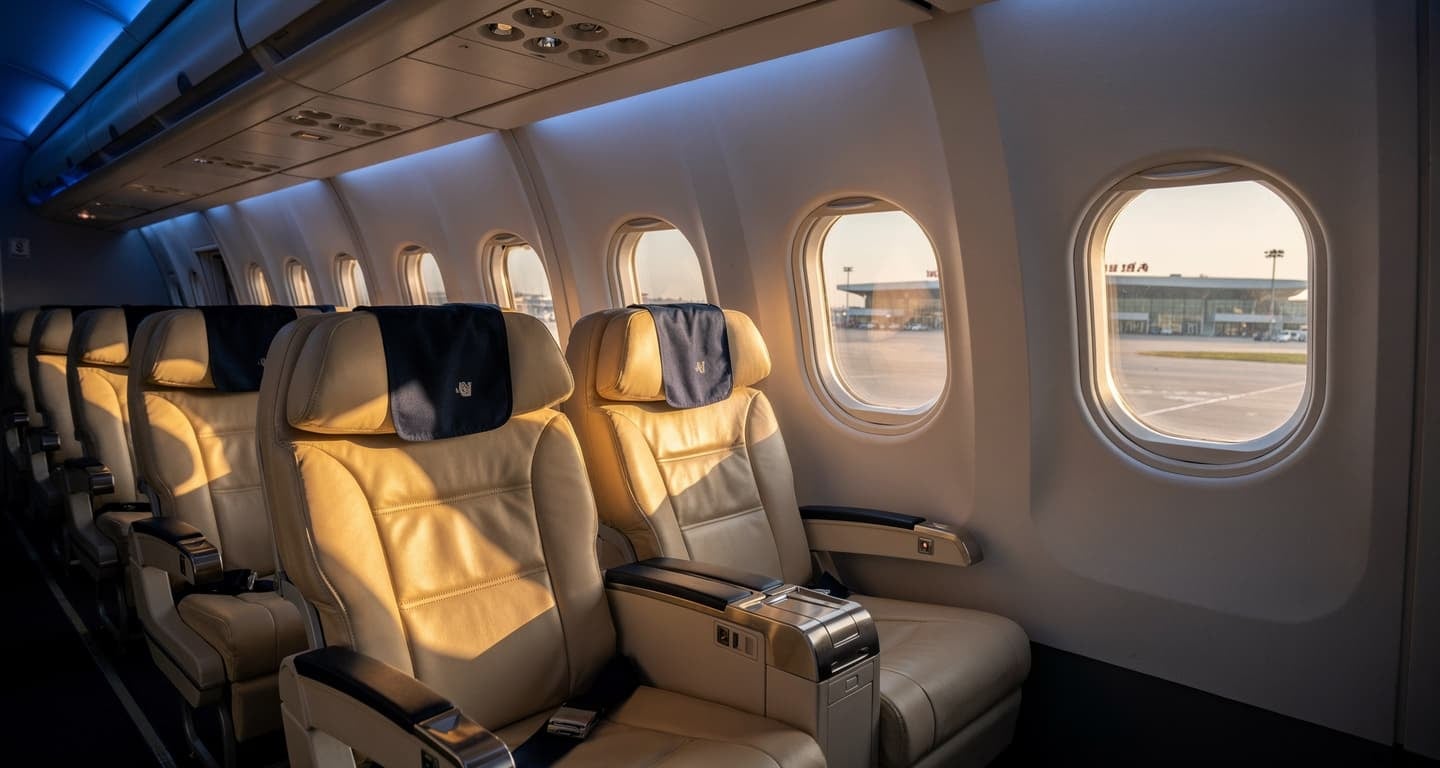
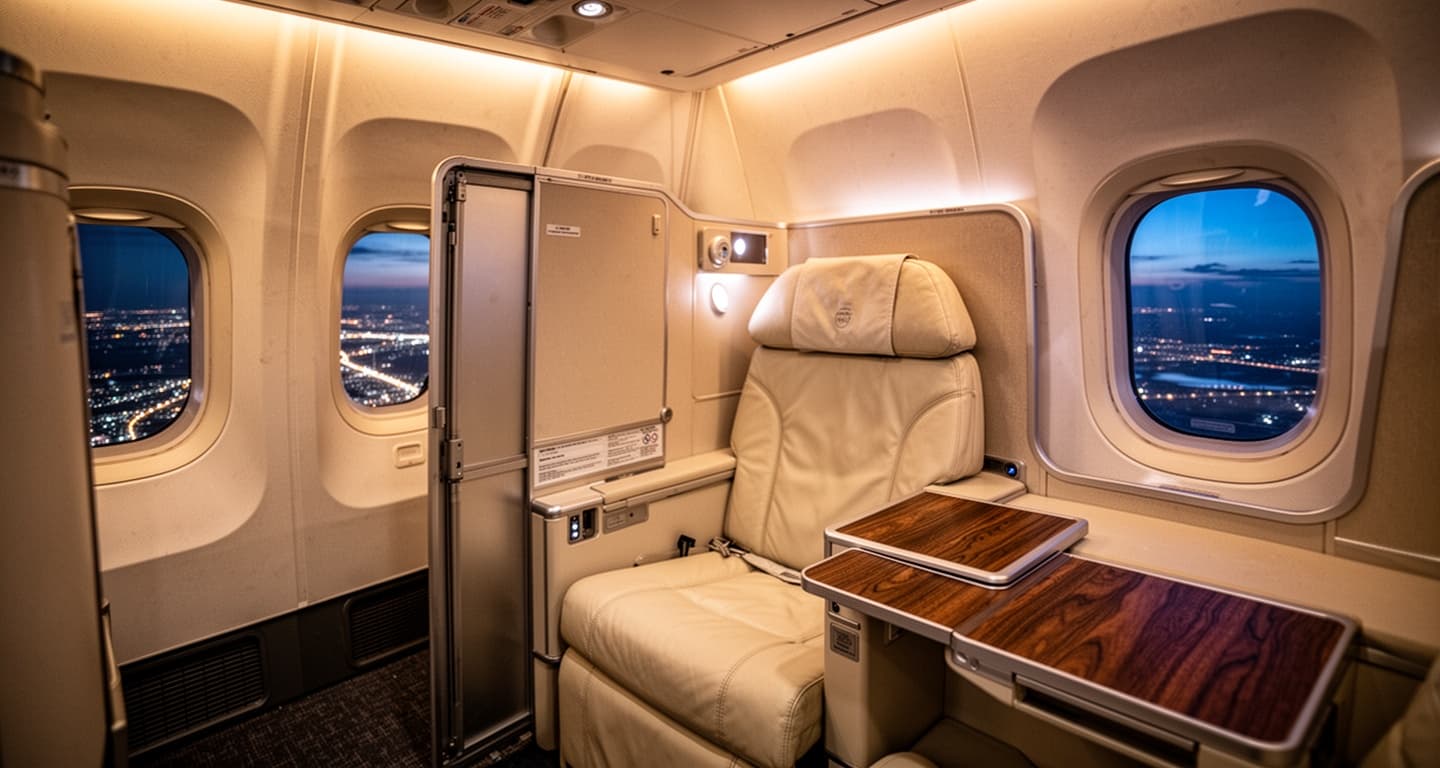
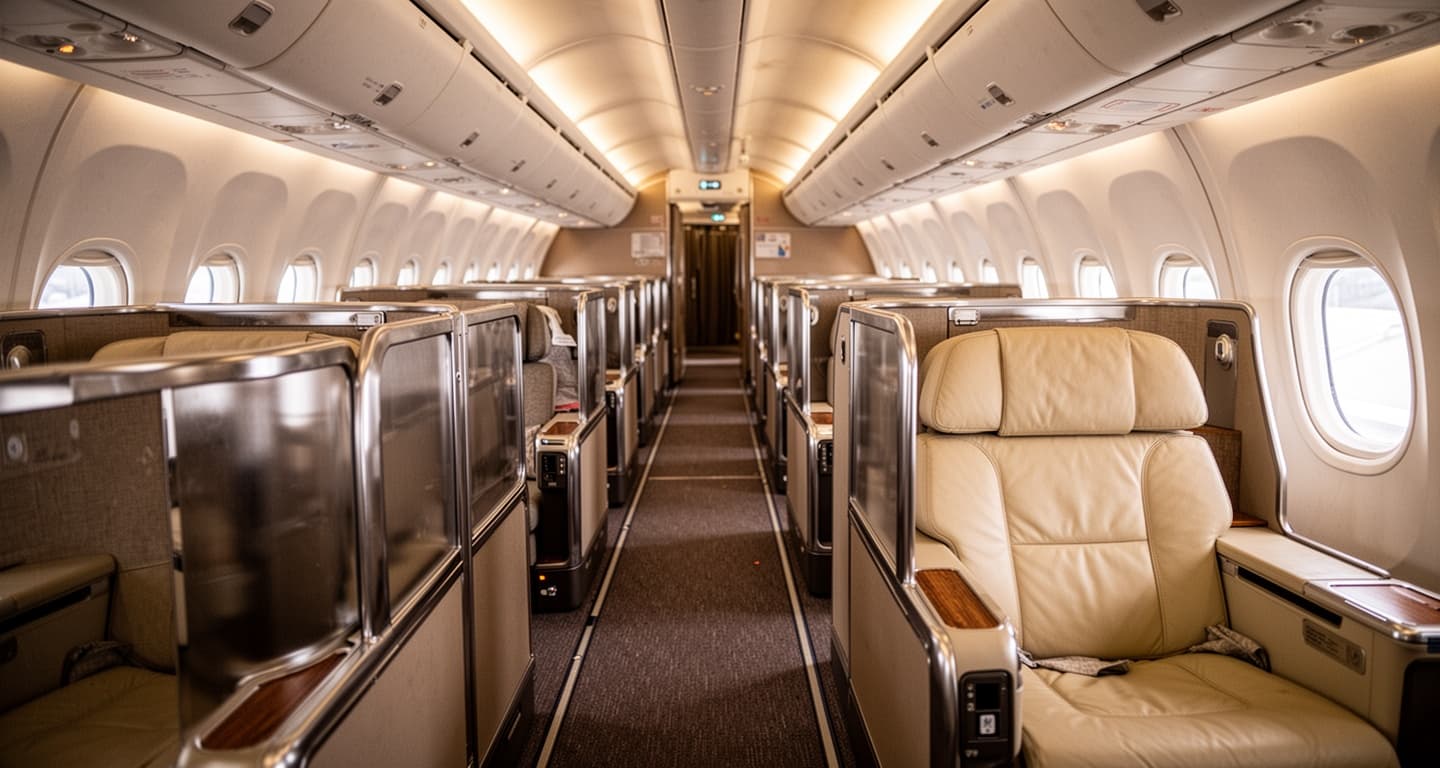
The extension matters for premium cabin travelers who value lie-flat beds and enhanced service on what would otherwise be narrowbody routes. Korean Air’s A380 configuration dedicates 106 seats to premium cabins, a density that exceeds most regional competitors and creates booking urgency as First Class inventory remains capped at 12 seats per flight.
This deployment strategy reflects Seoul-Tokyo’s position as one of Asia’s highest-volume business corridors, where corporate travel and positioning flights for long-haul connections justify operating aircraft designed for 14-hour sectors on 2-hour hops.
Why superjumbos persist on a 2-hour route
The ICN-NRT sector functions as both standalone business route and strategic positioning leg for Korean Air’s long-haul network. Operating the A380 here allows the carrier to move aircraft between Seoul and Tokyo for connections to North America and Europe while capturing premium demand that would otherwise require multiple narrowbody frequencies. Asiana Airlines follows the same logic, creating a competitive environment where both carriers deploy their largest aircraft to secure market share.
Historical precedent supports this approach. In 2024, Asiana briefly operated an even shorter A380 service between Seoul Incheon and Osaka Kansai on six specific dates in May and September, with May flights selling out immediately due to superjumbo novelty. That experiment preceded the sustained ICN-NRT deployment, establishing a pattern where short-haul A380 use addresses demand spikes before planned fleet phase-outs.
The extension through mid-2026 indicates Korean Air sees continued value in this capacity, though the pending merger with Asiana Airlines introduces uncertainty. Fleet rationalization typically follows airline consolidation, and the A380’s high operating costs make it vulnerable to retirement acceleration. For now, demand justifies the deployment, but travelers should monitor schedule changes as integration progresses.
| Carrier | First Class seats | Business Class seats | Total premium capacity |
|---|---|---|---|
| Korean Air | 12 | 94 (Prestige Class) | 106 |
| Asiana Airlines | 12 (Business Suites) | 66 (Business Class) | 78 |
| Competitive context | Korean Air offers 36% more premium seats per flight, creating higher inventory availability but similar exclusivity in top tier | ||

Flight deals most people never see
Our AI monitors 150+ airlines for pricing anomalies that traditional search engines miss. Air Traveler Club members save $650 per trip per person on average: see how it works.
Each deal saves 40–80% vs. regular fares:

How this positions against regional premium products
The ICN-NRT A380 deployment sits within a competitive premium landscape where Japanese carriers Japan Airlines and All Nippon Airways also offer lie-flat business class on the route using 777 and 787 aircraft. JAL’s First Class on select 777 flights provides 8 seats with doors and quieter cabins at fare parity with Korean Air, while ANA’s 787 Suite Class offers 14 seats with dine-on-demand service and slightly higher pricing for what the carrier positions as domestic luxury.
Korean Air’s advantage lies in capacity—106 premium seats versus JAL’s 8 First and ANA’s 14 Suite—which translates to better award availability and last-minute booking options for corporate travelers. The A380’s scale also enables more generous upgrade inventory for elite status holders, a factor that matters on high-frequency business routes where upgrade competition is intense.
Asiana’s A380 on the same route offers denser premium seating with 78 total seats versus Korean Air’s 106, but both carriers deliver comparable hard products. The differentiation comes down to service consistency and loyalty program integration, where Korean Air’s SkyTeam membership provides broader connectivity for North American travelers routing through Seoul.
Securing premium inventory before capacity shifts
The A380 extension creates a narrow booking window for travelers who value lie-flat beds on short Asian sectors—a product combination that will likely disappear as Korean Air rationalizes its fleet post-merger.
- Book 330 days out: Korean Air opens premium inventory nearly a year in advance. First Class fills fastest due to 12-seat limit; Prestige Class offers better availability but still requires early booking on peak business travel days (Monday mornings, Friday evenings).
- Monitor award space: SkyTeam partners can access Korean Air A380 inventory using Delta SkyMiles or Air France-KLM Flying Blue. Award availability on ICN-NRT is stronger than long-haul routes, with 2-4 business class seats typically released per flight.
- Consider positioning from regional hubs: If traveling from Southeast Asia or China, routing through Seoul to access the A380 product adds minimal time versus direct narrowbody flights to Tokyo. The premium cabin experience justifies the connection for travelers prioritizing comfort.
- Track merger developments: Korean Air-Asiana integration announcements will signal fleet changes. If A380 retirement acceleration is announced, premium fares on remaining superjumbo flights will likely increase as supply contracts.
Watch: Korean Air’s Q3 2026 schedule filing will reveal whether A380 service extends beyond mid-2026 or begins phasing out as merger synergies take effect.
Read more