Summary
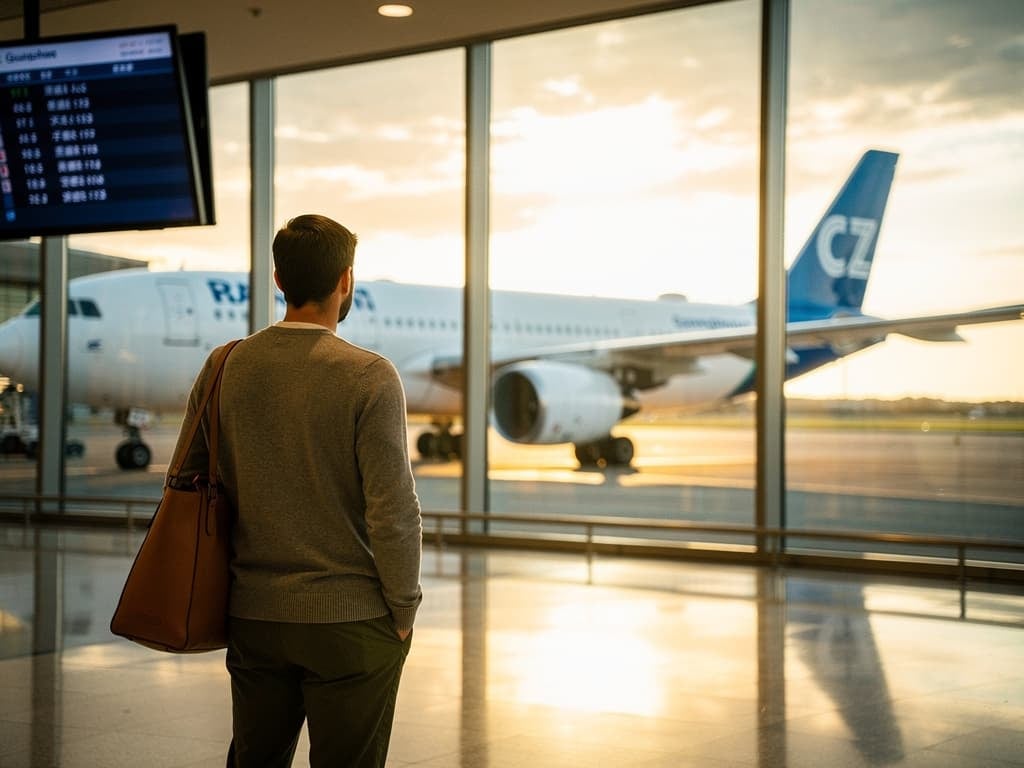
China Southern Airlines will resume daily nonstop flights between Guangzhou and New Delhi on September 21, 2026, ending a six-year suspension of the route. The service, operated with Boeing 737-8 aircraft, re-establishes a critical direct link between two major hub airports and makes China Southern the third major Chinese carrier to restore India connectivity.
The restart is not an isolated event — it follows earlier resumptions by Air China and China Eastern Airlines and coincides with a state visit by Chinese President Xi Jinping. Tickets are already open for booking on the airline’s website.
A single flight number appearing on a booking engine after six years can signal more than a schedule change. When China Southern flight CZ359 departs Guangzhou at 15:35 on September 21 and touches down in Delhi at 19:00, it will mark the end of one of the longest route suspensions in the India-China aviation corridor — and the practical return of a daily nonstop option that business travelers and premium cabin flyers have been routing around since 2020.
The resumption gives China Southern a daily rotation on the Delhi-Guangzhou sector using Boeing 737-8 equipment, a narrower premium cabin than the airline’s widebody long-haul products. The return flight, CZ360, pushes back from Delhi between 20:00 and 20:20 and arrives in Guangzhou at 04:15 the following morning — a red-eye schedule that preserves a full working day in both cities.
China Southern becomes the third major Chinese carrier back in the Indian market. Air China restarted Beijing-Delhi service in April 2026, while China Eastern Airlines already links Shanghai with Delhi and Kunming with Kolkata. Indian carriers are also progressively restoring Chinese routes, though at a slower pace. The cumulative effect is a bilateral air corridor that is rebuilding route by route — and for premium travelers, the return of a Guangzhou nonstop fills a specific southern China gap that previously required connections through Beijing or Shanghai.
The details
China Southern’s official Delhi route page confirms the daily service and published schedule. Flight CZ359 departs Guangzhou Baiyun International Airport at 15:35 and arrives at Indira Gandhi International Airport at 19:00 local time. The return, CZ360, departs Delhi at 20:20 and reaches Guangzhou at 04:15 the following morning.
The airline has designated Boeing 737-8 aircraft for the route, according to its own timetable data. The Guangzhou city government separately confirmed that tickets are already on sale ahead of the September restart. China Southern’s Delhi route page provides the booking entry point.
Following the resumption, the airline expects to operate more than 100 weekly flights across eight round-trip routes in South Asia. The restart coincides with Chinese President Xi Jinping’s visit to India for the BRICS Summit, though neither government nor the airline has formally linked the two events.
| Flight | From | To | Departure | Arrival | Aircraft |
|---|---|---|---|---|---|
| CZ359 | Guangzhou (CAN) | Delhi (DEL) | 15:35 | 19:00 | Boeing 737-8 |
| CZ360 | Delhi (DEL) | Guangzhou (CAN) | 20:20 | 04:15 (+1) | Boeing 737-8 |

Flight deals most people never see
Our AI monitors 150+ airlines for pricing anomalies that traditional search engines miss. Air Traveler Club members save $650 per trip per person on average: see how it works.
Each deal saves 40–80% vs. regular fares:

What the restart signals for India-China premium flying
The Delhi-Guangzhou resumption is not a one-off. It fits a pattern of incremental restoration that has seen three major Chinese carriers return to Indian skies within months — a sequence that matters because it suggests the bilateral aviation market is normalizing after years of friction and pandemic disruption.
For premium travelers, the practical significance is network access through Guangzhou. China Southern’s hub at Baiyun International Airport opens one-stop connections to East and Southeast Asia, Australia, and Europe — the same logic that makes its Adelaide-Guangzhou route valuable for South Australian business travelers, as Air Traveler Club’s analysis of China Southern’s hub strategy details. The Delhi route extends that hub model to the subcontinent.
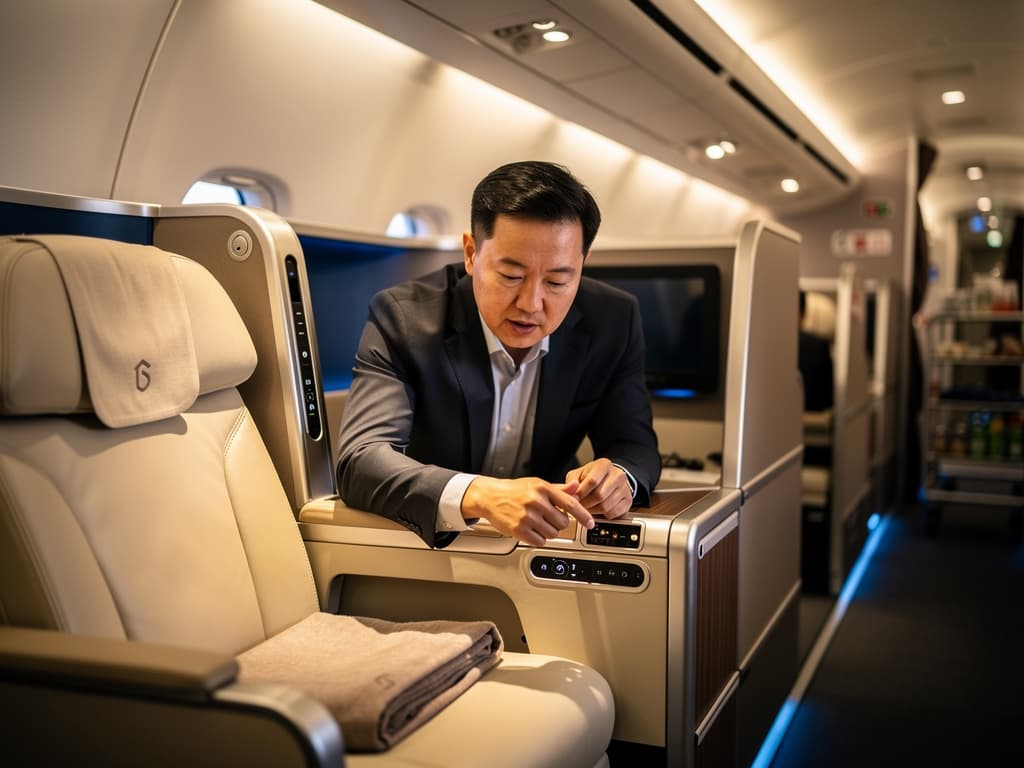
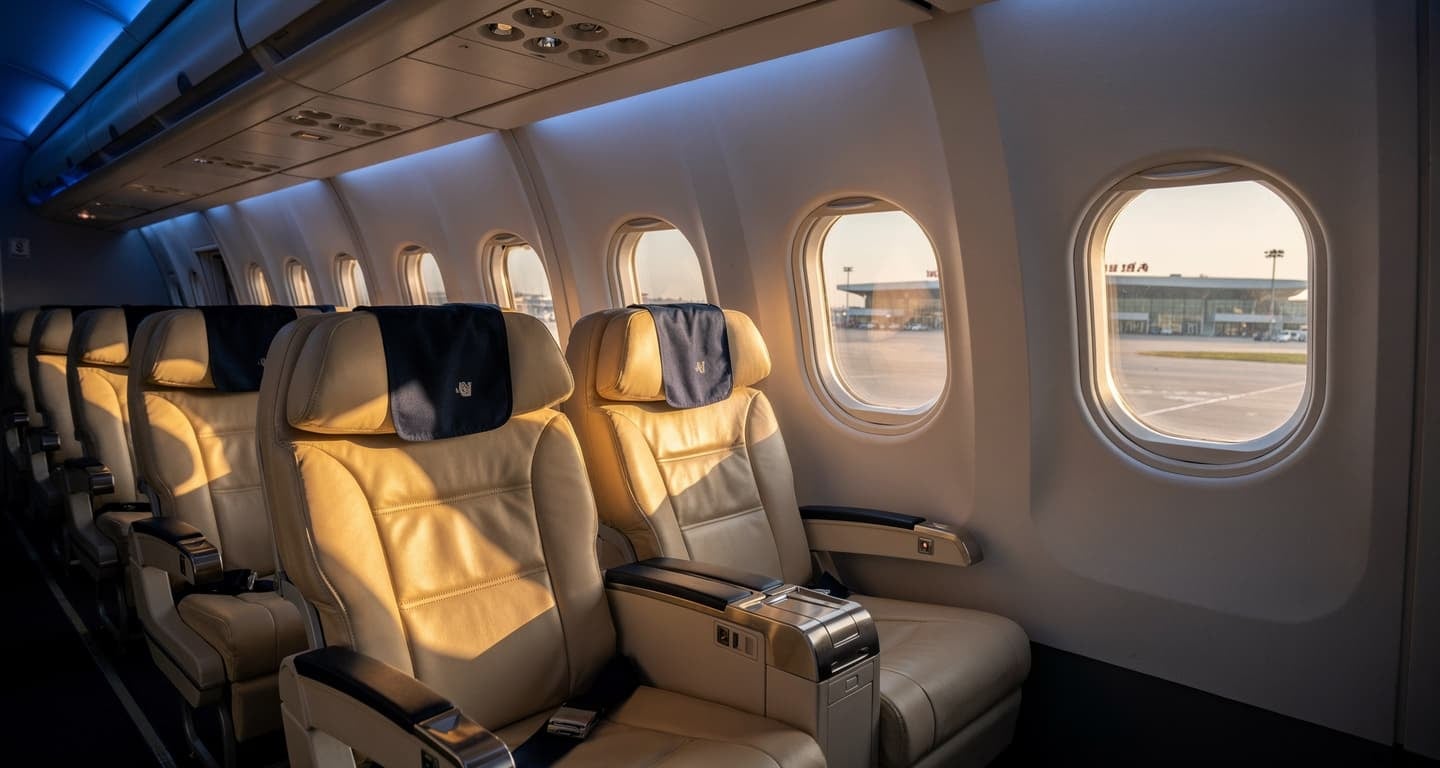
The 737-8’s business-class cabin will be narrower than the airline’s long-haul widebody products — a detail worth checking against seat maps at booking. But the schedule itself is the primary premium asset here: a daily rotation that preserves working hours in both cities and removes the connection risk that one-stop routings carry.
How to lock in the nonstop advantage before inventory tightens
The September 21 restart gives premium travelers a concrete date to act on, but the booking window is immediate — not speculative. Here is what shapes the decision.
- Book inaugural-week dates first. Restarting a daily nonstop after six years creates concentrated early demand. Business-class seats on the first two weeks of operation are the most likely to tighten as corporate travel managers and premium leisure travelers lock in the new schedule.
- Compare the 737-8 premium cabin against one-stop alternatives. China Southern’s narrowbody business class is not its flagship product. If seat width and privacy matter more than saving a connection, Air China’s Beijing routing or China Eastern’s Shanghai service may offer a better hard product on certain rotations — but at the cost of added travel time and disruption risk.
- Watch for winter schedule filings. If China Southern extends the daily rotation into the winter 2026 season without frequency cuts, it signals the route is being treated as durable rather than trial-only. That would make advance booking less urgent for travel beyond October.
- Use China Southern’s direct booking channel. The airline’s Delhi route page is the most reliable source for live inventory and seat maps. Third-party platforms may lag on a newly restored route, especially for premium-cabin availability.
FAQ
What aircraft will China Southern use on the Delhi-Guangzhou route?
China Southern’s official timetable identifies the Boeing 737-8 as the operating aircraft. This narrowbody typically features a more compact business-class cabin than the airline’s widebody long-haul fleet. Travelers should check the seat map at booking to confirm the exact configuration for their flight date.
How does this route compare with Air China and China Eastern alternatives?
China Southern offers the only nonstop Delhi-southern China premium link. Air China and China Eastern serve Delhi via Beijing and Shanghai respectively, requiring a connection for Guangzhou-bound travelers. Those carriers may offer larger aircraft with more spacious premium cabins on some rotations, but at the cost of added travel time and connection risk.
Is the Delhi-Guangzhou service permanent or seasonal?
China Southern has not specified whether the daily rotation is permanent or seasonal. The airline’s winter 2026 schedule filings — expected in the coming planning cycle — will indicate whether the route is treated as durable or trial-only. A frequency cut after October would suggest seasonal positioning.
Read more