Summary
Air Canada has suspended all flights between Toronto/Montreal and JFK Airport effective immediately as jet fuel costs double to $200 per barrel, while WestJet, Porter Airlines, and Air Transat implement fuel surcharges of $40–$100 per passenger on existing and new bookings. The International Energy Agency warns Europe has six weeks of jet fuel reserves remaining if Iran’s Strait of Hormuz closure persists, threatening cascading transatlantic flight cancellations by early May.
Premium cabin travelers face immediate rebooking decisions with limited alternatives as Canadian carriers consolidate capacity. Fuel surcharges on business class bookings could reach $150–$300 per ticket if applied proportionally to economy fees.
The Iran war’s closure of the Strait of Hormuz — where one-fifth of global oil transits — has triggered the most acute jet fuel crisis for North American premium routing in 15 years. Air Canada confirmed the Toronto and Montreal to New York JFK suspensions carry no restart date, forcing thousands of business travelers to scramble for alternatives on routes that typically command $5,000–$8,500 roundtrip in business class.
Jet fuel prices surged from $2.50 per gallon to $4.88 between late February and early April 2026, crossing profitability thresholds that make short-haul premium routes economically unviable.
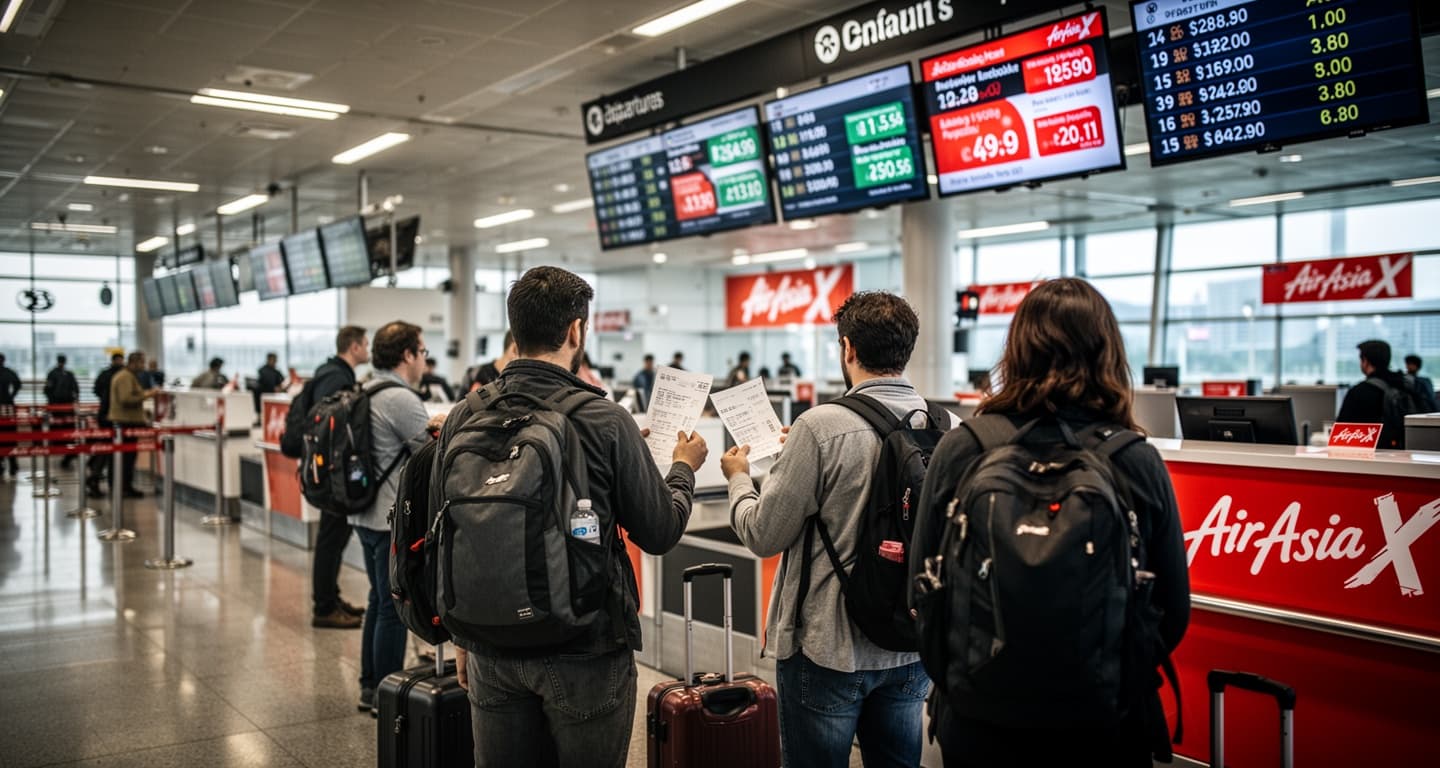
Air Canada Vacations now charges $50 per passenger on travel packages to Mexico, the Caribbean, Central America, and select U.S. cities. WestJet introduced a $60 surcharge on companion voucher bookings tied to RBC programs starting April 8. Porter Airlines applied $40 peak surcharges for VIPorter bookings on March 23, with international routes reaching $100 both ways.
The scope extends beyond Canadian carriers. European airlines face identical supply constraints, with Fatih Birol, executive director of the International Energy Agency, stating Europe has “maybe six weeks” of remaining jet fuel if the Strait remains closed. Physical shortages trigger when supplies fall below 23 days of coverage — a threshold Europe could hit by early May.
The fuel crisis reshaping transatlantic capacity
The 2008 oil spike saw crude reach $147 per barrel in July, forcing airlines to implement 5–10% fuel surcharges and cut capacity 5–15% on unprofitable routes. That crisis unfolded over months. The current shortage compresses the timeline to weeks, with European jet fuel reserves at their lowest since 2020.
Premium cabin pricing absorbs fuel surcharges at 2–3 times the economy rate. While economy passengers face $50–$60 additions, business class on Toronto-JFK could see $150–$300 surcharges. Air Canada’s Polaris business class and WestJet’s Elevate premium cabin face the steepest exposure as Canadian carriers lack the refinery ownership that insulates U.S. competitors.
United Airlines and American Airlines — both with U.S. refinery access — maintain pricing advantages. Delta, which owns a refinery, stated no near-term operational impact expected. This creates a competitive gap: U.S. carriers can capture premium market share on Toronto-JFK within 7–10 days as Air Canada exits.
| Carrier | Surcharge amount | Applicable bookings | Effective date |
|---|---|---|---|
| Air Canada Vacations | $50 per passenger | Packages to Mexico, Caribbean, Central America, select U.S. cities | April 6, 2026 |
| WestJet | $60 per booking | Companion vouchers (RBC program) | April 8, 2026 |
| Porter Airlines | $40–$100 both ways | VIPorter bookings (international routes) | March 23, 2026 |
| Air Transat | Variable | Select routes (check website) | April 2026 |

Flight deals most people never see
Our AI monitors 150+ airlines for pricing anomalies that traditional search engines miss. Air Traveler Club members save $650 per trip per person on average: see how it works.
Each deal saves 40–80% vs. regular fares:

What premium travelers need to know now
Airfares have already increased 15% year-over-year, with industry analysts forecasting further increases of 30–40% if the conflict persists through summer peak season. Travelers booking 10 premium roundtrips annually — typical for elite members — face additional $500–$3,000 in fuel surcharges and fare increases over the summer season.
Award availability on Toronto-JFK routes via Aeroplan will tighten as flights cancel. MileagePlus members can search United.com for alternative routing. Aeroplan members should contact Air Canada Vacations at 1-800-776-3000 or check aeroplan.com for rebooking options. Booking windows for summer (June–August) are compressing — premium award space typically releases 11 months in advance but may deplete within weeks.
Air Traveler Club’s analysis of UK fare hikes during the jet fuel crisis shows European travelers already facing 20–50% increases on long-haul business class, with surcharges reaching £360 as fuel hedging expires. Canadian carriers follow similar hedging cycles, suggesting proportional increases by May.
Your booking strategy for the next 60 days
The JFK suspension and fuel surcharges create immediate rebooking urgency — waiting for prices to stabilize carries significant risk as premium inventory tightens and surcharges compound.
- Rebook suspended Air Canada flights immediately: United (Toronto-Newark, Montreal-Boston connections to JFK), Lufthansa (Toronto-Frankfurt-JFK), or British Airways (Toronto-London-JFK) offer Star Alliance premium cabin protection. Full refunds available with no change fees for schedule changes per IATA guidelines.
- Lock summer transatlantic bookings within 7 days: Premium cabin availability on Canadian carriers will deplete as travelers shift to U.S. alternatives. United and American likely to increase Toronto-JFK premium fares 10–15% ($500–$1,200 per roundtrip) within one week.
- Monitor Strait of Hormuz reopening announcements: If the Strait reopens by May 1, fuel prices could normalize by June, allowing airlines to restore suspended routes. If closure persists past early May, expect cascading transatlantic cancellations from all carriers.
- Consider elite status matching: United MileagePlus and American AAdvantage offer status match opportunities for Air Canada Aeroplan elite members. U.S. carriers maintain capacity advantages during this crisis.
- Redeposit award tickets now if flexibility needed: Aeroplan waives redeposit fees for schedule changes. Rebooking on partner airlines may require additional miles if premium cabin unavailable — secure inventory before May.
Watch for OPEC emergency production increases within 2–3 weeks. If neither Strait reopening nor production surge occurs and European reserves fall below 23 days of coverage, widespread premium cabin consolidation becomes inevitable by June.
FAQ
Will Air Canada restore Toronto and Montreal to JFK flights?
Air Canada has not announced a restart date for the suspended routes. Restoration depends on jet fuel prices returning to pre-crisis levels (below $100 per barrel) or the Strait of Hormuz reopening. If fuel costs remain elevated through May, the airline may extend suspensions to additional transatlantic routes rather than restore JFK service.
Do fuel surcharges apply to award bookings?
Fuel surcharges typically apply to cash bookings, not award tickets redeemed with points or miles. However, Air Canada Vacations packages booked with Aeroplan points may include the $50 surcharge as a cash component. Contact Aeroplan at 1-800-361-5373 to confirm whether existing award bookings incur new fees. WestJet’s companion voucher surcharge applies regardless of payment method.
Should I wait for prices to drop before booking summer travel?
No. Premium cabin inventory is depleting rapidly as travelers rebook suspended flights and avoid Canadian carriers with fuel surcharges. Waiting risks losing access to preferred routes and cabin classes. If the Strait of Hormuz reopens by May 1, airlines may reduce surcharges, but capacity will remain constrained through peak summer season. Book now and monitor for schedule changes.
What happens if my flight is canceled due to fuel shortages?
Airlines must offer full refunds or rebooking on the next available flight per IATA guidelines. Air Canada is waiving change fees for affected bookings through May 31, 2026. Elite members receive priority rebooking on premium cabins. If premium cabin is unavailable on rebooking, request upgrade certificates or mileage credits as compensation. Check aircanada.com/schedule-changes for real-time rebooking options.
Read more