Summary
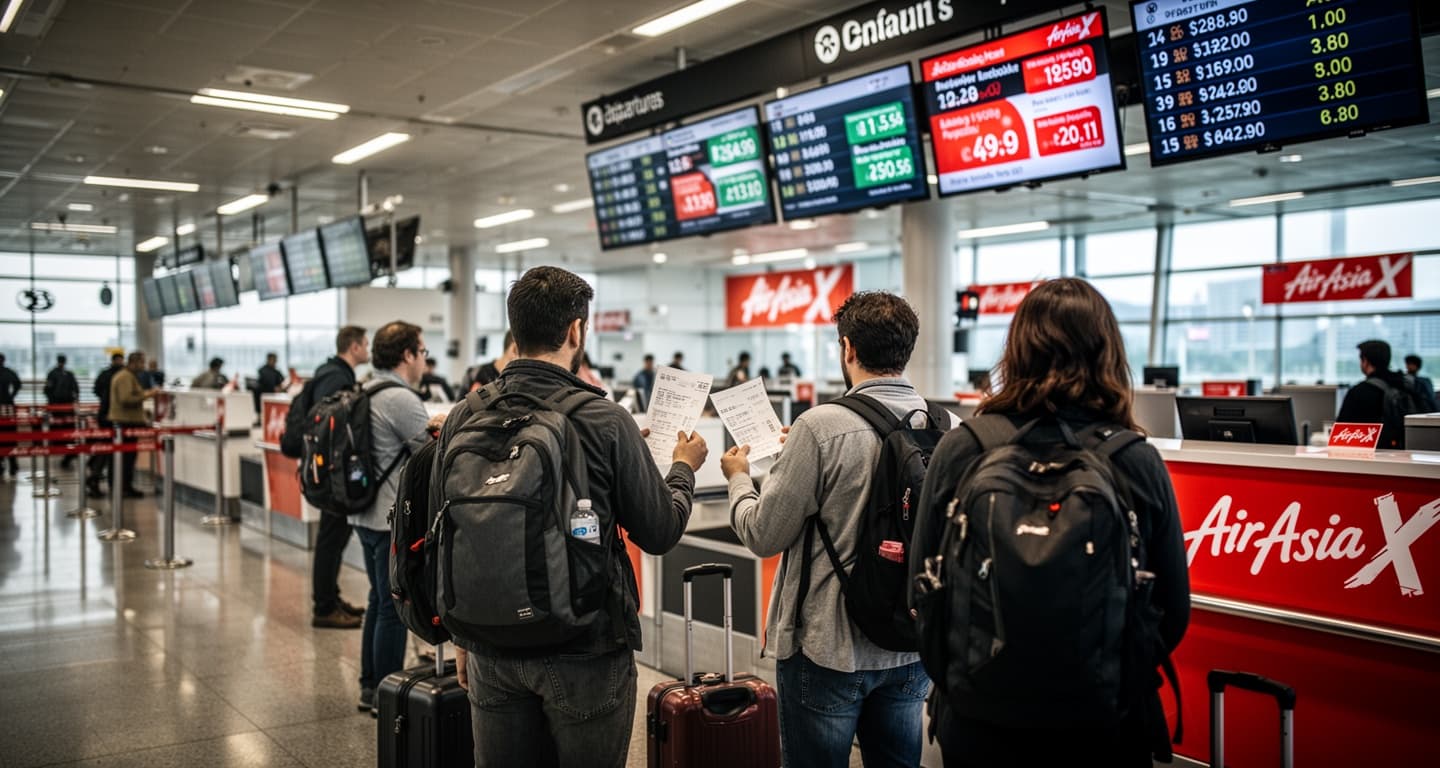
Indonesia’s government authorized domestic airlines to raise base fares 9-13% and increased the fuel surcharge ceiling to 38% for all aircraft types on April 6, 2026, responding to jet fuel prices at Soekarno-Hatta International Airport that surged 72% in one month. The policy includes 2.6 trillion rupiah ($152 million) in VAT subsidies for two months and eliminates import duties on aircraft spare parts, though actual ticket prices are rising up to 50% as surcharges take effect.
Travel agents project demand could fall 40% over the next two months as the increases hit routes outside Java-Bali hardest. Travelers with May bookings must verify pricing immediately before the two-month subsidy window closes.
Indonesia’s domestic aviation market faces its most aggressive fare intervention in history as jet fuel costs force the government to triple surcharge caps while simultaneously deploying $152 million in subsidies to prevent a complete demand collapse.
The policy announced by Coordinating Minister Airlangga Hartarto raises the fuel surcharge ceiling from 10% for jets and 25% for propeller aircraft to a uniform 38% across all types. Combined with the authorized 9-13% base fare increase, premium travelers on routes like Jakarta-Makassar or Surabaya-Denpasar could see total costs rise 20-50% depending on carrier implementation.
The Indonesia National Air Carriers Association welcomed the move as necessary support for operations, but travel industry leaders warn the increases arrive as consumer spending remains fragile. Secondary city operators face the greatest pressure — routes outside the Java-Bali corridor that already operate with thin margins now confront both higher costs and projected 40% demand drops over the next eight weeks.
The two-month VAT subsidy program runs through early June 2026, creating an urgent window for travelers to lock in subsidized fares before the full surcharge impact embeds into pricing structures.
The fuel crisis driving the policy
Jet fuel prices at Soekarno-Hatta surged 72% in a single month, forcing the government’s hand on what industry observers describe as a double-edged intervention. The 2.6 trillion rupiah subsidy allocation — 1.3 trillion rupiah monthly for two months — aims to cushion the blow for economy passengers while allowing airlines to pass through fuel costs that have reached crisis levels.
The removal of import duties on aircraft spare parts represents the government’s attempt to address maintenance cost pressures that compound the fuel situation. Airlines operating domestic networks with aging 737s and ATR turboprops face simultaneous spikes in both operational and maintenance expenses, threatening route viability across the archipelago’s 17,000 islands.
Garuda Indonesia and competitors like Lion Air now operate under identical surcharge caps, eliminating the previous distinction between jet and propeller aircraft that had protected regional turboprop routes. The uniform 38% ceiling applies whether passengers fly a 737 between Jakarta and Surabaya or an ATR 72 to remote eastern provinces.
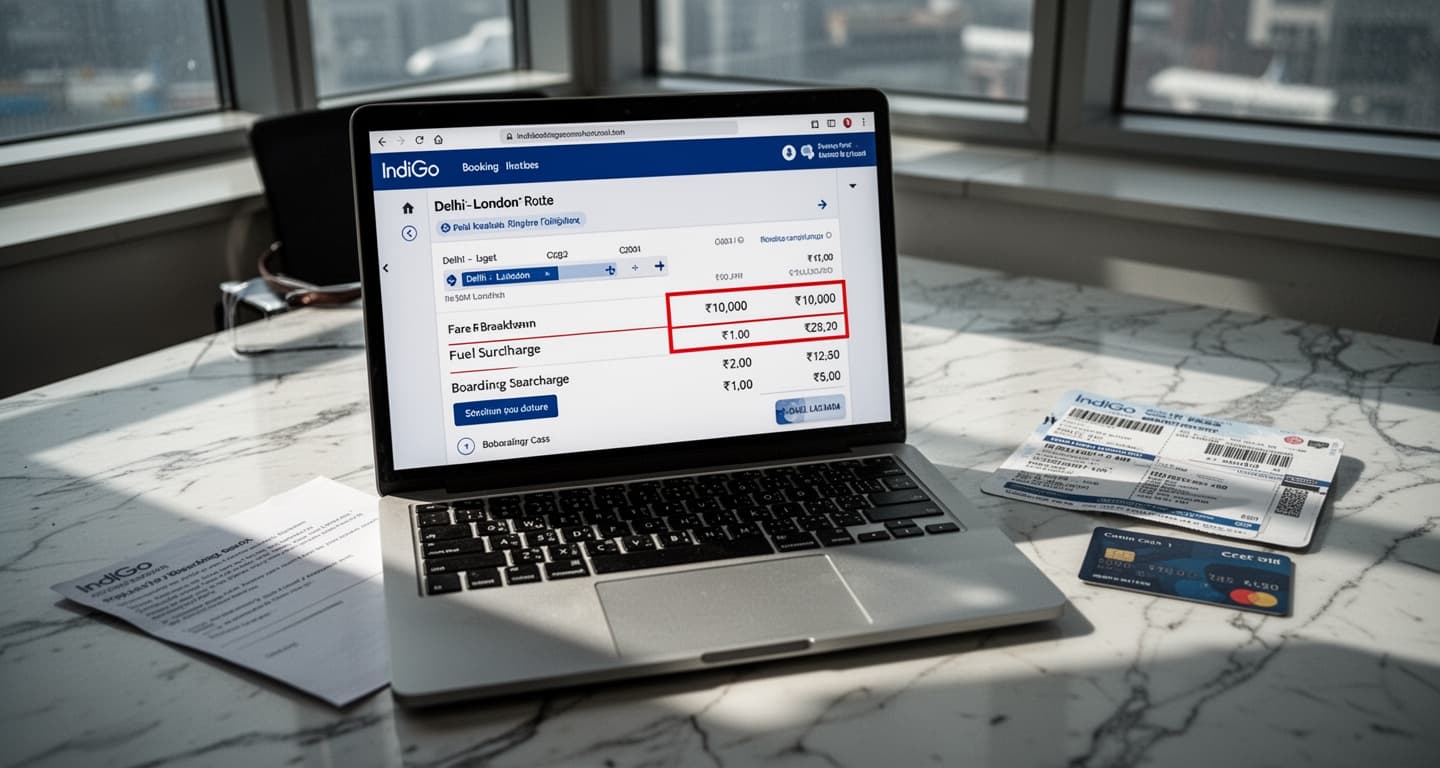
Industry data shows actual fares rising up to 50% despite the government’s 9-13% base increase cap, as airlines layer surcharges onto existing ticket prices. The gap between authorized increases and market reality reflects the severity of fuel cost pressures that the subsidy program only partially offsets.
| Route category | Base increase | Fuel surcharge cap | Estimated total impact |
|---|---|---|---|
| Java-Bali corridor | 9-13% | Up to 38% | 15-25% with subsidies |
| Secondary cities (Sumatra, Kalimantan) | 9-13% | Up to 38% | 25-40% limited subsidy reach |
| Eastern provinces (Papua, Maluku) | 9-13% | Up to 38% | 30-50% thin route margins |
| Premium cabin (all routes) | 9-13% | Up to 38% | 20-50% no VAT subsidy |
The Association of Indonesian Travel Agents chairman Pauline Suharno noted that even modest increases quickly affect demand when consumer spending hasn’t fully recovered. Her counterpart at the Association of the Indonesian Tours and Travel Agencies, Budijanto Ardiansjah, projects sales could fall 40% over the next two months as travelers prioritize essential spending over discretionary travel.
Both organizations hope conditions improve if geopolitical tensions ease and fuel prices stabilize, though the broader regional pattern of fare increases and capacity cuts suggests Indonesia’s challenges reflect systemic pressures across Asian aviation markets.

Flight deals most people never see
Our AI monitors 150+ airlines for pricing anomalies that traditional search engines miss. Air Traveler Club members save $650 per trip per person on average: see how it works.
Each deal saves 40–80% vs. regular fares:

What this means for premium travelers
Garuda Indonesia dominates domestic premium with business class configurations on 737s, while Lion Air and Citilink offer lower-tier premium economy products at 20-30% discounts to full business fares. The uniform surcharge application eliminates any carrier advantage on fuel costs, shifting competition to frequency and network reach.
Premium cabin products on Indonesian domestic routes sit below international business class standards — limited lie-flat availability, mostly angled recliners on short-haul 737s and ATRs. The fare increases hit these segments harder proportionally because the fixed base pricing structure means surcharges represent larger percentage additions than on economy tickets.
Garuda Indonesia’s advantage remains its alliance lounge access at Soekarno-Hatta and domestic network depth, while Lion Air maintains higher frequency on secondary routes that now face the greatest demand pressure. All carriers operate under the same 38% surcharge ceiling, but implementation varies by route profitability and competitive dynamics.
The two-month subsidy window creates a strategic booking opportunity for travelers who can shift plans into the May-early June period while VAT waivers remain active. After the subsidy expires, the full surcharge impact will embed into baseline pricing unless fuel costs retreat significantly or the government extends support.
Strategic guidance for the next 60 days
The subsidy expiration in early June 2026 creates a hard deadline for travelers to secure subsidized fares before the full 38% surcharge impact becomes permanent baseline pricing.
- Book domestic Indonesia travel immediately if plans fall within the May-early June window — VAT subsidies reduce effective increases to 15-25% versus 30-50% post-subsidy on routes outside Java-Bali.
- Verify existing bookings within 48 hours through airline manage-booking portals or customer service lines — no blanket fare protection announced, and change fees of IDR 500,000+ apply to rebooking.
- Consider alternative regional hubs for connecting travel — Singapore, Kuala Lumpur, and Bangkok maintain more stable fuel surcharge structures and competitive premium cabin pricing on intra-Asia routes.
- Monitor secondary route suspensions through May as carriers assess demand response — routes outside Java-Bali face 40% projected demand drops and potential frequency cuts or temporary suspensions.
- Lock in award space now if using GarudaMiles or partner programs — no award pricing changes announced yet, but fuel environment suggests future devaluations possible if costs don’t stabilize by Q3 2026.
Watch for Transportation Ministry announcements in late May regarding subsidy extension — if the two-month program isn’t renewed, expect 20-30% net fare increases and accelerated route cuts outside Java-Bali through Q3 2026.
FAQ
Do the fuel surcharges apply to award tickets booked with miles?
Award tickets booked through GarudaMiles or partner programs currently don’t show surcharge increases in redemption pricing, though carriers typically pass through fuel surcharges as cash co-payments on award bookings. Contact the specific frequent flyer program to verify current surcharge policies on new award reservations.
Will elite status members get any protection from the surcharge increases?
No carrier has announced elite status carve-outs or surcharge waivers for top-tier members. Garuda Indonesia GarudaMiles Gold and Platinum members retain standard benefits including lounge access and upgrade priority, but pay the same fuel surcharges as general passengers on new bookings.
Can I rebook existing tickets to avoid the surcharge if my travel is after June?
Standard airline change policies apply — most Indonesian carriers charge IDR 500,000+ change fees plus any fare difference. Tickets purchased before April 6, 2026 may not include the new surcharges if travel occurs during the subsidy window, but post-June travel will likely incur full surcharge rates regardless of original purchase date.
Are international flights from Indonesia affected by the 38% surcharge cap?
The 38% surcharge ceiling applies specifically to domestic Indonesian routes. International departures from Indonesia follow separate fuel surcharge structures set by individual carriers, though regional airlines including Singapore Airlines, Thai Airways, and Cathay Pacific have implemented their own fuel surcharge increases ranging 15-34% across Asian networks.
Read more