Summary
American Airlines flight AA1049 from Dallas/Fort Worth to New York was forced to divert to Philadelphia on July 31, 2026, after the aircraft ran low on fuel roughly 30 minutes before landing, and a subsequent crew timeout left passengers stranded for hours with no immediate alternative transport. A passenger’s viral video captured the cascade of failures—from a silent 45‑minute hold for refueling to a gate return after pushback and the eventual full deboarding—igniting widespread criticism of the airline’s recovery protocols.
American says disrupted travelers can use its online tools to rebook or request a refund, but the airline’s contract of carriage does not guarantee cash compensation for operational diversions. In the Philadelphia‑to‑New York corridor, however, same‑day Amtrak rail or an immediate rebooking on a rival carrier can preserve arrival timing.
A routine Dallas‑to‑New York flight unravelled into an operational crisis when fuel constraints forced an unplanned landing in Philadelphia, and what followed was a textbook illustration of how a single safety decision can snowball into a complete passenger‑service breakdown. American Airlines flight AA1049 touched down in Philadelphia with just minutes of fuel remaining, a choice that rightly prioritized safety but triggered a chain of delays that exposed fragile crew scheduling and passenger‑care systems.
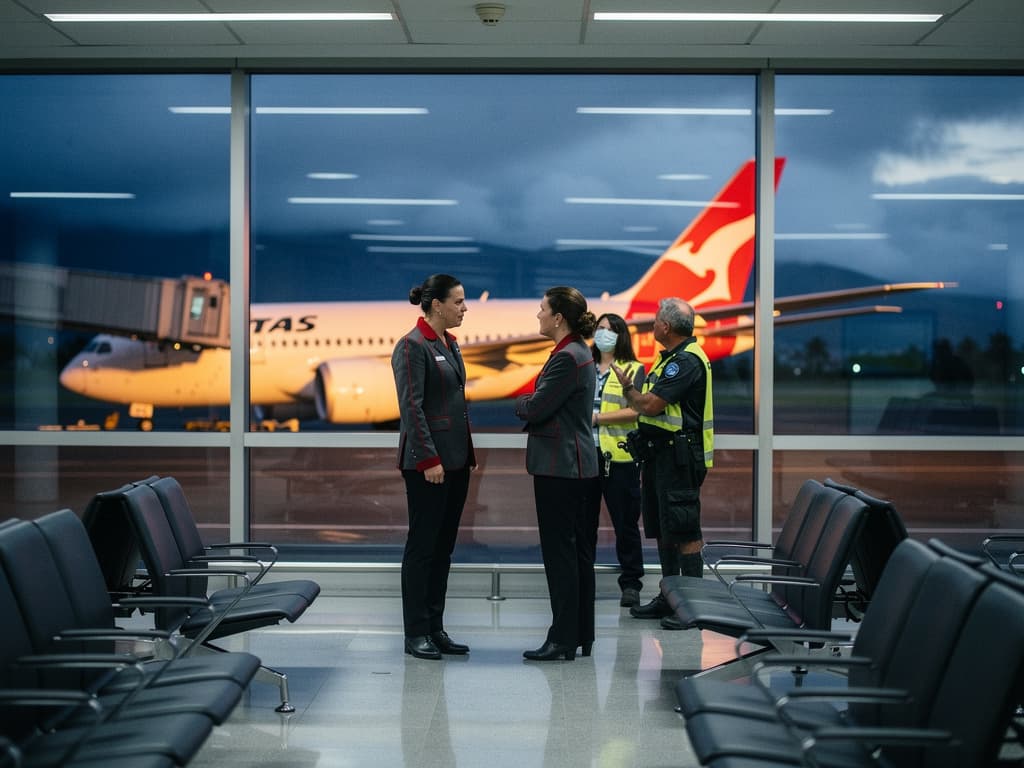
After landing, the aircraft sat on a remote holding pad for 45 minutes while refueling, with no announcements from the cockpit or cabin. Passengers were then told the flight would depart immediately, with crew indicating that they would remain legal provided the aircraft pushed back within the hour. That window vanished on the tarmac, where an additional 30‑minute ground hold pushed the pilots past their legal duty limits, forcing a return to the gate. A replacement pilot was summoned from Chicago, but the process of deplaning passengers who wanted to leave—and manually recording their names—added another 30 minutes, ultimately prompting the airline to deboard everyone.
The result: passengers with checked luggage were told retrieving their bags would delay travel by days, and no immediate alternative transportation was offered. For business‑class flyers and premium‑cabin passengers on this high‑density domestic corridor, the episode undercuts American’s reliability just as operating costs surge—the carrier is now managing an estimated $6 billion in extra annual fuel expenses, which already prompted a profit forecast cut this year.
The details
Flight AA1049 was roughly 30 minutes from its scheduled New York arrival when the crew announced fuel concerns and diverted to Philadelphia International Airport. After landing, the jet remained stationary for about 45 minutes with no passenger updates. Once refueling concluded, the aircraft pushed back but spent another 30 minutes on the tarmac before the flight crew timed out, forcing a gate return. A new pilot was en route from Chicago, but the delay needed to offload passengers who opted to leave—each name had to be manually recorded—stretched the process further until every passenger was eventually deplaned.
Passengers who remained with checked bags were told they could not retrieve their luggage that day without risking days‑long shipment delays, while those with carry‑ons were allowed to depart but had no rebooking assistance. American’s official channels direct disrupted travelers to its Manage trips/check‑in tool for reaccommodation, and to its refund page for cancellations or qualifying schedule changes. However, the airline’s contract of carriage explicitly notes that irregular operations—including diversions for safety—are governed by its terms rather than an automatic compensation promise.
| Time (approx.) | Event | Impact | Status |
|---|---|---|---|
| ~1:30 PM ET | Fuel diversion to Philadelphia | Passengers told aircraft is running out of fuel; landing in PHL | Completed |
| ~2:00 PM ET | 45‑minute holding pad refueling | No updates provided; uncertainty builds | Completed |
| ~3:15 PM ET | Pushback then crew timeout | 30‑minute ground delay triggers legal duty limit; aircraft returns to gate | Completed |
| ~4:30 PM ET | Passenger deboarding begins | Manual name recording delays process; checked‑bag retrieval denied | Completed |
| ~6:00 PM ET | Full deboarding ordered | All passengers stranded with no alternative transport provided | Ongoing |

Flight deals most people never see
Our AI monitors 150+ airlines for pricing anomalies that traditional search engines miss. Air Traveler Club members save $650 per trip per person on average: see how it works.
Each deal saves 40–80% vs. regular fares:

The value‑add
The real sting of this incident isn’t the diversion itself—fuel stops happen—but the absence of a coherent recovery plan once the crew timed out. On the Philadelphia‑to‑New York corridor, Amtrak’s Acela offers a premium‑cabin‑equivalent fallback that can deliver passengers to Manhattan faster than an hours‑late flight, and both Delta Air Lines and United Airlines operate competing frequencies from their Northeast hubs. Still, American’s failure to proactively rebook or even advise passengers on their options leaves even elite flyers scrambling. Air Traveler Club recently examined how American Airlines operational glitches can override confirmed bookings—the system desynchronization that nearly cost a Charlotte‑Frankfurt business‑class couple their seats is the same fragile architecture that leaves incumbents vulnerable when recovery is needed most.
How to protect your trip on American‑operated routes
The AA1049 breakdown underscores that even a simple domestic itinerary can derail when crew‑legality limits collide with poor passenger handling. For anyone holding upcoming bookings on this or similar routes, immediate action can preserve both time and premium entitlements.
- Run your reservation through the manage‑trips tool now. American’s system may have already reprotected your itinerary; if not, check for same‑day rebooking options that keep you in your ticketed cabin before calling the airline.
- Know the refund trigger. A flight cancellation or a schedule change that makes the original booking unusable entitles you to a refund under American’s published policy. Save any delay notifications or pushback‑time screenshots as evidence.
- Have a Philadelphia‑to‑New York fallback ready. Amtrak’s 30th Street Station is a short taxi from PHL, and Acela first‑class seats offer a direct Manhattan arrival that rivals a disrupted flight’s timeline.
- Check your premium card’s trip‑delay coverage. Chase Sapphire Reserve and Capital One Venture X both offer trip‑delay reimbursement after a covered delay of six hours or more; American Express Platinum’s benefit also may apply if you used the card to pay for the ticket.
- Escalate through official channels. Avoid relying on gate agents during an active disruption. Instead, file a claim through American’s customer‑relations page and, if refund is denied, document your case for a DOT complaint.
FAQ
What compensation can passengers expect after a crew‑timeout diversion?
American’s contract of carriage does not guarantee cash compensation for operational diversions, but passengers on cancellations or significant schedule changes may qualify for a refund. The U.S. Department of Transportation is examining whether to mandate minimum compensation for controllable delays, but no rule is yet in place.
Can affected passengers rebook on another airline for free?
Generally no, unless American endorses the ticket to another carrier. Travelers can ask at the airport for reaccommodation, but the fastest option is often to refund the ticket and purchase a separate fare on Amtrak or a rival airline.
Does trip‑delay insurance cover a stranded‑in‑Philadelphia situation?
It depends on the card and the delay length. Chase Sapphire Reserve and Capital One Venture X typically activate after a covered delay of six hours or more, covering meals and lodging. American Express Platinum offers similar protection when the full fare is charged to the card. Always check the latest benefit guide before filing.
Read more