A Florida bankruptcy judge has transferred the involuntary Chapter 7 case against airline investor 777 Partners to Texas, unlocking $8.6 million in debtor-in-possession financing and stalling an immediate liquidation push. The ruling preserves restructuring capital even as the firm battles fraud charges against its co-founders and a cascade of airline collapses linked to its investments.
The venue shift pauses the Florida liquidation effort, but more than 23 creditor petitions remain pending across multiple states, and the firm’s co-founders face federal fraud charges exceeding $500 million. The ruling comes amid a wave of airline failures that has already claimed Spirit Airlines, Bonza, and Flair Airlines, reshaping the low-cost landscape.
Malaysia Airlines and Tourism New Zealand formalized a two-year strategic partnership on May 5, 2026, targeting coordinated demand stimulation on the Kuala Lumpur–Auckland corridor through joint marketing campaigns, travel agent familiarization trips, and co-developed market programs. The deal positions Malaysia Airlines as a primary APAC gateway to New Zealand for travelers connecting through Kuala Lumpur, with the airline's oneworld membership enabling onward connectivity via partner carriers.
The partnership is marketing-led, not a capacity commitment — no new frequencies or aircraft upgrades have been announced. Those planning business class travel to New Zealand should monitor Q3 2026 for promotional inventory before potential demand-driven tightening.
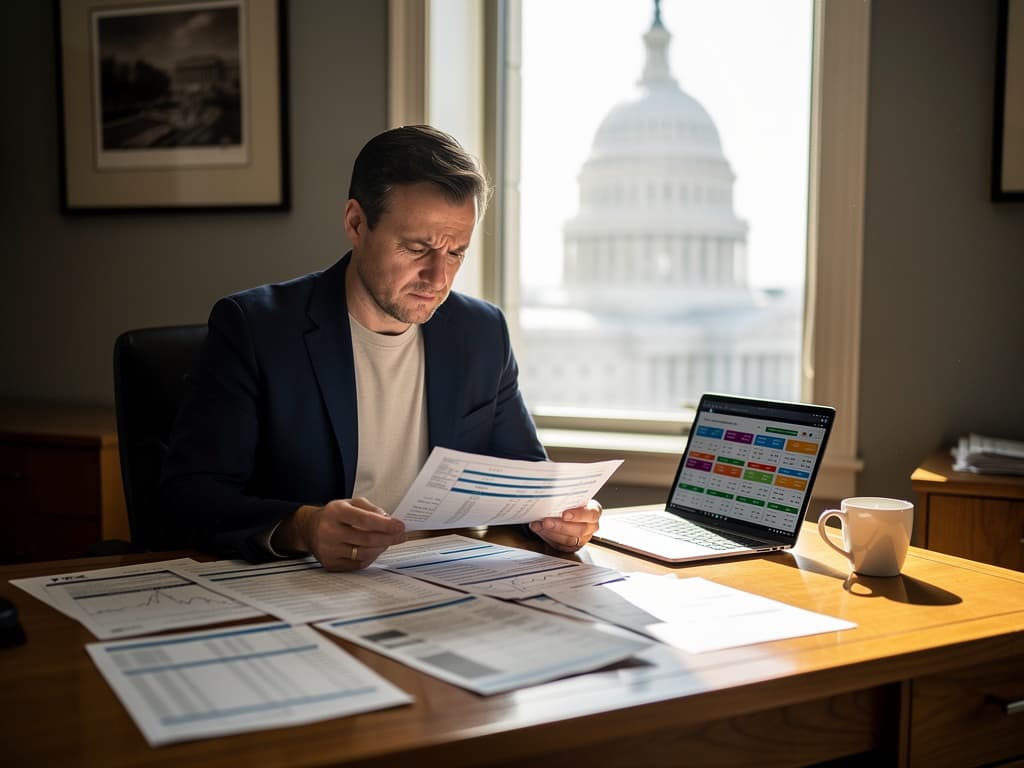
The House Energy and Commerce Committee has given eight major U.S. airlines until August 25, 2026 to disclose whether artificial intelligence and personal consumer data — including browsing history, device type, and geographic location — help set the fare shown to each individual traveler. The formal inquiry, led by Ranking Member Frank Pallone Jr., marks the first time Congress has demanded that the entire major airline industry account for so-called surveillance pricing, a practice the Federal Trade Commission confirmed in a January 2025 study relied on precise location and browser history to target prices.
The letters are requests, not subpoenas, but the responses could trigger airline-specific disclosure rules or enforcement action. The probe follows a viral April incident in which JetBlue’s social team advised a customer to clear cookies to lower a fare before deleting the reply — a glimpse of behavioral pricing logic now at the center of two federal class actions.
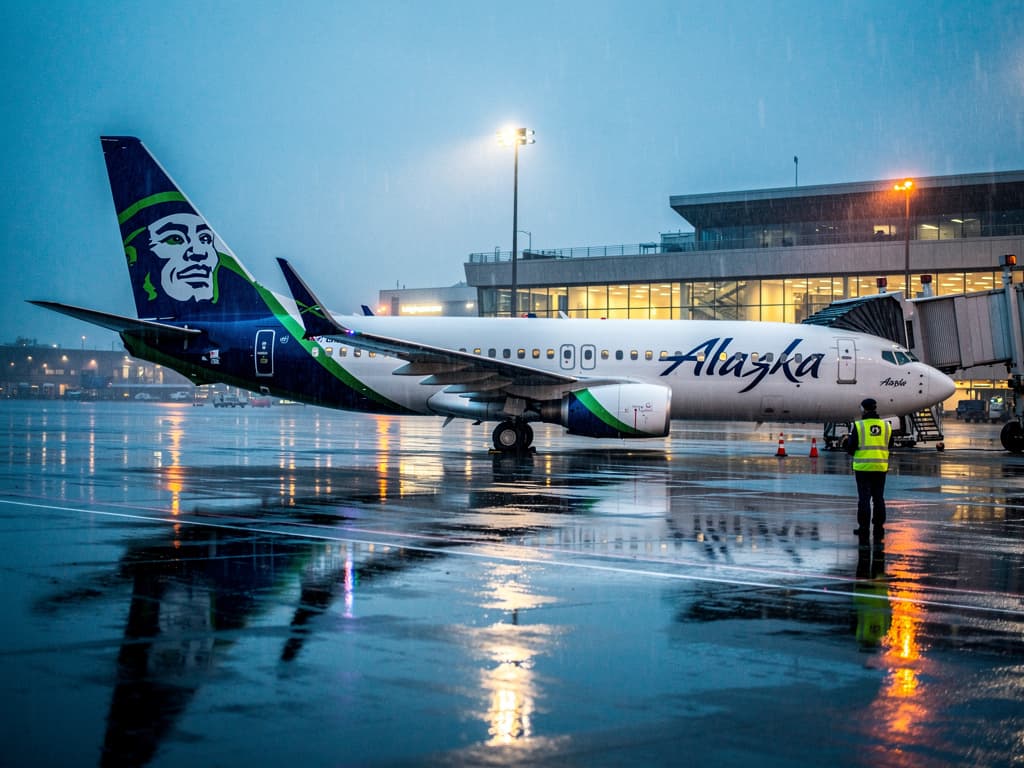
The Federal Aviation Administration proposed a $165,000 civil penalty against Alaska Airlines on May 26, 2026, citing violations of federal intoxication-screening rules across 11 flights between February 2024 and February 2025. Under 14 CFR § 121.575(c), airlines are prohibited from allowing anyone who appears intoxicated to board an aircraft — a rule the FAA says Alaska failed to enforce consistently across more than a year of operations.
Alaska Airlines has 30 days to respond to the enforcement letter. The airline says it has already implemented enhanced training for flight attendants and customer service agents since the FAA first raised concerns roughly a year ago.
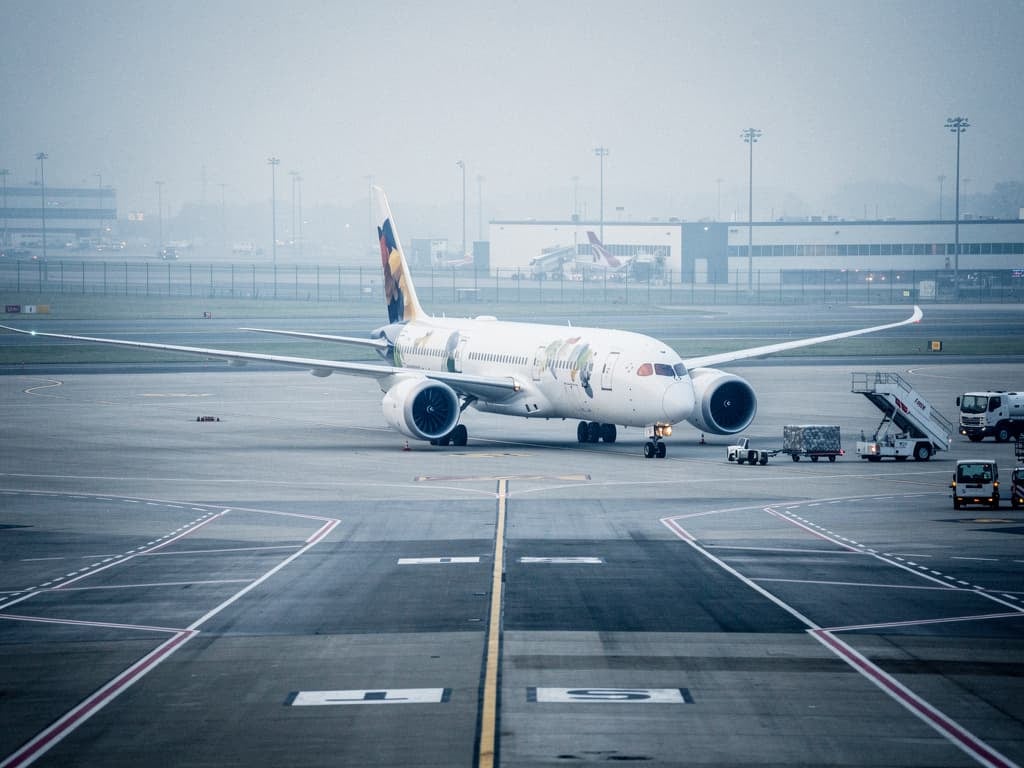
China's government has ordered its airlines to halt Boeing deliveries and suspend imports of US-made aircraft parts — a directive that, if extended to maintenance operations, could force the grounding of Boeing 787 Dreamliners operated by Chinese carriers and trigger cascading capacity cuts of 20–30% on US-Asia and Europe-Asia long-haul routes by Q3 2026. No groundings have occurred yet, and current parts stockpiles are estimated to cover at least 12 months of operations — but the trajectory of the trade war makes this a live risk, not a hypothetical one.
Travelers holding 787-operated premium cabin bookings on affected routes should act within 48 hours to assess alternatives. Award ticket holders face the tightest window for fee-free redeposit before airlines issue formal schedule change notices.
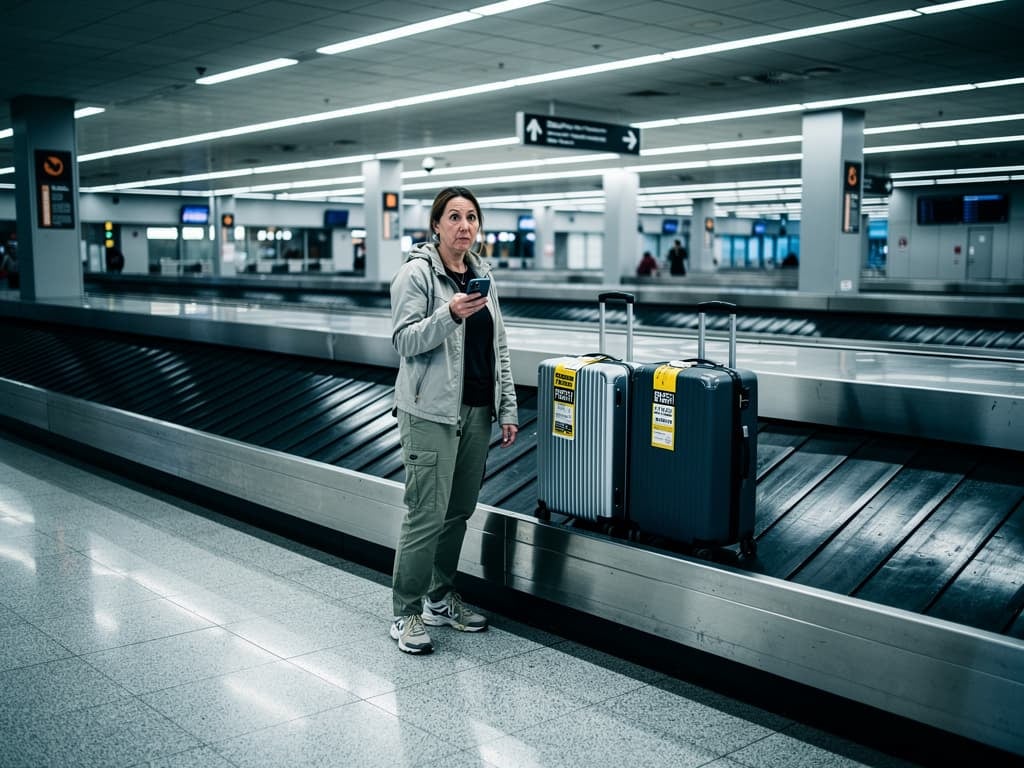
Aer Lingus failed to load a business class couple's priority-tagged luggage onto four consecutive flights — three times in San Francisco, once in Brussels — despite AirTag screenshots proving the bags' exact locations. The airline then issued a written promise to pay $265 in reimbursement, went silent for six months, and unilaterally closed the case without transferring a cent. Third-party advocacy intervention finally forced payment, exposing a pattern of deliberate claim abandonment that affects any international passenger with a delayed baggage claim.
Under the Montreal Convention, airlines are legally bound by written reimbursement commitments, and passengers have 21 days from bag receipt to file formal claims. The Hamanns' case closed only after a consumer advocate contacted the airline directly — a step most passengers never take.