Summary
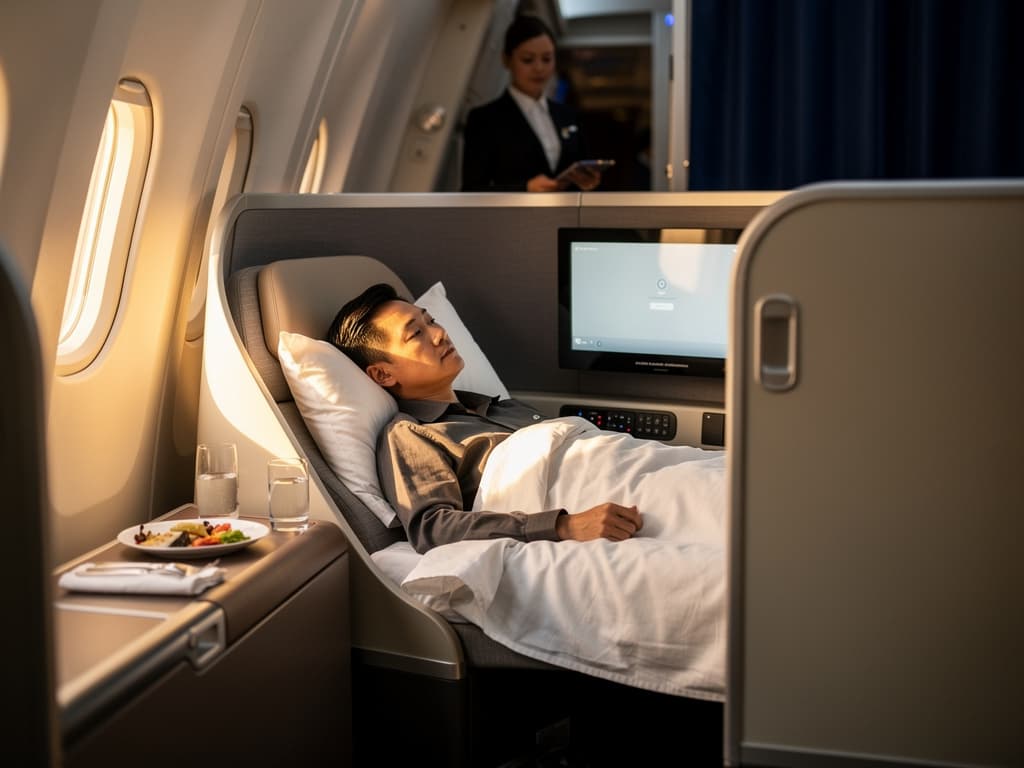
The cheapest way to fly Japan Airlines business class to Tokyo using AAdvantage miles has splintered. Nonstop awards still price at 60,000 miles one-way, but connecting itineraries now cost 80,000 miles — a 33% jump that landed without a published chart update. Even at the higher rate, the award remains a fraction of what Delta SkyMiles typically demands for the same cabin.
The real story isn’t the increase. It’s that a fixed-price transpacific premium award still exists at all — and that Delta’s dynamic engine often quotes 280,000 miles for comparable space. The window for nonstop 60,000-mile seats is narrowing.
For anyone who has watched loyalty programs dismantle their award charts, the numbers are jarring. American Airlines will still let you book a lie-flat Japan Airlines seat from Los Angeles or Chicago to Tokyo for 60,000 AAdvantage miles and about $5.60 in taxes. That same week, Delta Air Lines might quote 280,000 SkyMiles for a similar transpacific business-class itinerary — a gap so wide it feels like a pricing error, except it isn’t.
In July 2026, American quietly raised the mileage price on connecting JAL itineraries. Business class moved from 60,000 to 80,000 miles; first class climbed from 80,000 to 100,000 miles. No updated partner award chart accompanied the change. The increase hits travelers who used American or Alaska connections to reach a JAL gateway, effectively adding 20,000 miles to a roundtrip redemption that once cost 120,000 miles total.
Yet the program’s structure still protects the core sweet spot. Nonstop JAL awards from multiple U.S. gateways — Dallas, New York, San Francisco, Chicago, Los Angeles — remain bookable at 60,000 miles when partner award space opens. That fixed ceiling, tied to a zone-based partner chart, is what separates AAdvantage from the dynamic pricing that now dominates United MileagePlus and Delta SkyMiles.
The scope is specific: premium-cabin award travelers targeting the U.S.–Japan corridor, especially those who collect transferable points or AAdvantage miles directly. The change also ripples across other oneworld redemptions — Qatar Airways Qsuite and Cathay Pacific business class remain tied to partner charts, preserving predictable pricing for those who know where to look.
The routing split and what it costs now
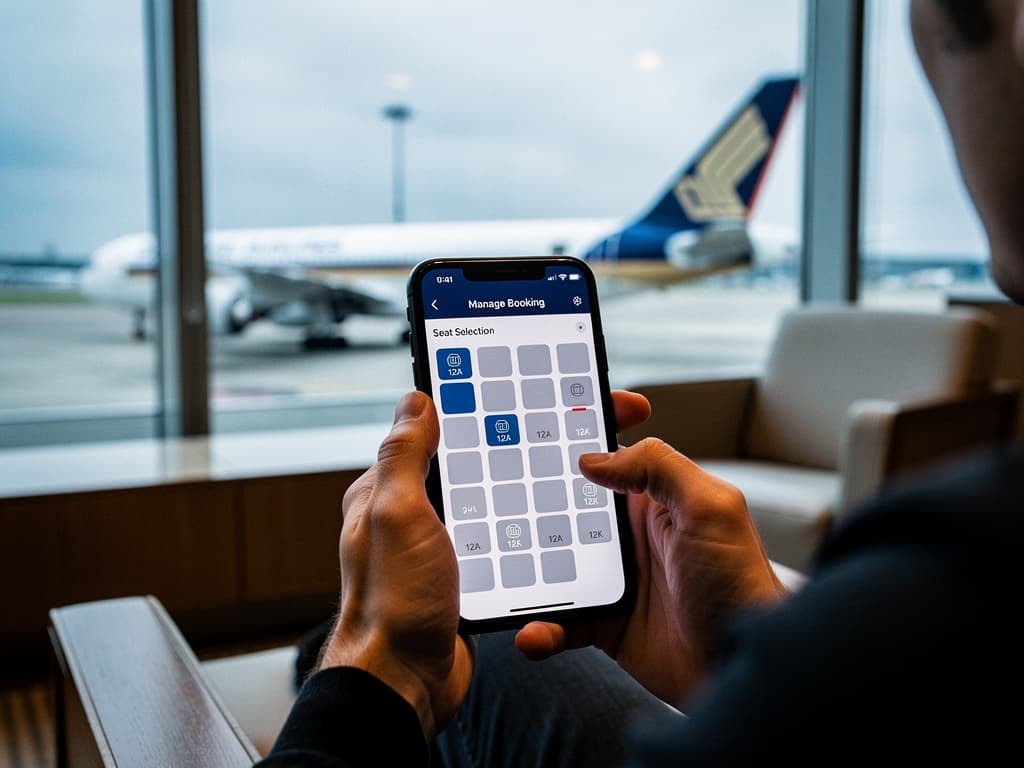
American’s partner award page confirms that prices are “estimated starting values” and vary by region and itinerary. For Japan Airlines, the current reality is a two-tier system: 60,000 miles for nonstop flights between North America and Tokyo, and 80,000 miles for itineraries that require a connection — often through a domestic American or Alaska flight before the transpacific leg. First-class awards now sit at 100,000 miles across all routings.
The 60,000-mile nonstop option remains available when JAL releases partner award inventory, but that availability is not guaranteed. A recent award alert showed seats from five U.S. cities at the lower rate, though that specific window has since closed. The 33% increase on connecting awards is significant, but it still leaves AAdvantage miles worth dramatically more than SkyMiles on the same corridor.
| Program | One-way cost (business class) | Routing | Availability pattern |
|---|---|---|---|
| AAdvantage | 60,000 miles (nonstop) 80,000 miles (connecting) |
North America–Tokyo | Partner award space required; nonstop seats appear sporadically |
| Delta SkyMiles | 120,000–280,000+ miles | U.S.–Tokyo (dynamic) | Prices fluctuate with demand; no fixed ceiling |
| United MileagePlus | Typically 110,000+ miles (dynamic) | U.S.–Tokyo | Dynamic; saver space rare on own metal |
| Alaska Atmos Rewards | Approx. 60,000 miles (partner chart, estimated) | North America–Tokyo via JAL | Fixed partner chart; availability mirrors AAdvantage |

Flight deals most people never see
Our AI monitors 150+ airlines for pricing anomalies that traditional search engines miss. Air Traveler Club members save $650 per trip per person on average: see how it works.
Each deal saves 40–80% vs. regular fares:

Why fixed partner charts still win the long game
The JAL increase is a reminder that no program is immune to devaluation. But the fact that a 60,000-mile transpacific business-class award still exists — and that an 80,000-mile connecting option remains available — underscores the structural advantage of fixed partner pricing. While Delta’s SkyMiles program has been valued at $31.8 billion, that financial heft comes with aggressive monetization that pushes award costs skyward. Air Traveler Club’s analysis of SkyMiles’ valuation noted the tension between program strength and member cost — and that tension is precisely what makes AAdvantage’s partner chart so valuable for premium-cabin travelers.
American’s hybrid model — dynamic pricing on its own metal, fixed charts for many partners — gives members a rare planning tool. A traveler who knows the partner chart can target Qatar Airways Qsuite to Doha or Cathay Pacific business class to Hong Kong without worrying that the mileage price will double overnight. The JAL routing split is a crack in that predictability, but not a collapse.
Locking in the 60,000-mile award before it narrows further
The routing split means flexibility is now the difference between paying 60,000 miles and 80,000 miles for the same cabin. Here’s how to protect the lower rate.
- Prioritize nonstop gateways. Search from Chicago, Dallas, Los Angeles, New York, and San Francisco — the cities where JAL operates its own metal and where partner award space most often appears at the 60,000-mile level.
- Check Alaska’s program as a backup. Atmos Rewards still uses a fixed partner chart for JAL, and award space often mirrors what American shows. If AAdvantage availability dries up, Alaska may still have seats at a similar mileage level.
- Transfer strategically. Citi ThankYou Points remain the only direct transferable currency to AAdvantage. If you’re short on miles, a 1:1 transfer can bridge the gap — but only if award space is available when you’re ready to book.
- Monitor for a formal chart update. American hasn’t published a revised partner award chart since the July increase. If one appears, it could signal whether the 60,000-mile nonstop rate will hold or whether further segmentation is coming.
Watch for any official American Airlines partner-chart revision — if it materializes, the current nonstop sweet spot may harden into a permanent two-tier structure, and the window for 60,000-mile redemptions could close without warning.
FAQ
Which JAL routes still cost 60,000 AAdvantage miles?
Nonstop flights from Chicago, Dallas, Los Angeles, New York, and San Francisco to Tokyo have recently shown availability at 60,000 miles one-way in business class when JAL releases partner award space. Connecting itineraries now price at 80,000 miles.
Will AAdvantage devalue partner awards further?
American has not announced any additional changes, but the July 2026 increase without a chart update suggests the program can adjust pricing by itinerary. A formal partner-chart revision would be the clearest signal of broader devaluation.
How does Delta SkyMiles pricing compare for the same route?
Delta’s dynamic pricing often quotes 120,000–150,000 miles for transpacific business class at the low end, with many dates reaching 280,000 miles or more. There is no fixed ceiling, making AAdvantage’s partner chart significantly more predictable.
Can I use Alaska miles to book JAL business class?
Yes. Alaska’s Atmos Rewards program maintains a fixed partner award chart for Japan Airlines, and business-class awards typically price around 60,000 miles one-way, similar to AAdvantage’s nonstop rate.
Read more