Summary
A wildfire on the Greek island of Paros forced the evacuation of tourists and residents from multiple communities on Tuesday, July 28, 2026, as flames raced through dry vegetation near the Kampi area. Precautionary evacuations were ordered in villages including Aliki and Parikia, and firefighting helicopters were observed drawing water from the harbor. Although the fire was largely contained by Wednesday, authorities warned that strong winds could reignite hot spots, maintaining an immediate risk for anyone on the island.
The largely contained fire remains a live threat, with Greek Civil Protection watching for wind-driven flare-ups that could force renewed evacuations and disrupt ferry and air links. Travelers with imminent Cyclades bookings should confirm rebooking flexibility now, before same-day cancellations compress options.
Tourists on the popular Cycladic island of Paros were caught in a peak-season wildfire that could flare up again at any moment, as the Greek island chain endures another summer of dangerous fire weather. The blaze, which ignited Tuesday near the Kampi area, turned a postcard vacation into a scramble for safety overnight—and the threat has not passed.
By Wednesday officials had largely tamed the flames, but the combination of dry vegetation and forecast strong winds means hot spots remain active. The same conditions that drove a major wildfire near Thessaloniki earlier this month and pushed flames through the Fontainebleau Forest near Paris in recent weeks are now focused on the Cyclades. For travelers on Paros, the neighboring island of Antiparos, or those with bookings in the coming days, the situation demands immediate vigilance, not distant concern.
The fire’s reach—from the beaches to the harbor—underscores how quickly a Greek island vacation can be upended when emergency resources are stretched thin. Multiple helicopters drawing water from the port, tourists and residents seeking shelter, and municipal officials coordinating emergency housing for crews all paint a picture of a destination on high alert. With ferry and flight schedules vulnerable to sudden operational changes, the window to lock in flexible alternatives is narrow.
Evacuations and the lingering wind threat
The fire broke out on Tuesday afternoon and spread rapidly through parched brush, according to local authorities. Precautionary evacuations were ordered in the villages of Aliki and Parikia, while holidaymakers and residents were urged to steer clear of firefighting operations. A municipality statement acknowledged the “difficult moment” and thanked everyone assisting emergency crews. By Wednesday, the immediate fire front had been subdued, but the official warning remained stark: strong winds could reignite the smoldering edges at any hour.
On the ground, the scene was chaotic. Helicopters filled water buckets directly from the harbor, flying low over hotels while vacationers watched flames from Antiparos. The municipality asked locals with spare rooms to house emergency responders—a sign the crisis is still draining local resources.
For current visitors, the core worry is not just the fire itself but the domino effect on island logistics. Paros’s small airport and ferry terminals have limited excess capacity, meaning even a short re-evacuation could strand travelers for days. No airline or ferry operator had issued formal disruption waivers as of Wednesday evening, but operators are monitoring the wind forecast alongside the fire service.
| Date | Location | Peak-season impact | Evacuations | Travel disruption |
|---|---|---|---|---|
| July 28, 2026 | Paros (Cyclades) | Tourists and residents evacuated from Aliki, Parikia; winds threaten reignition | Multiple communities (numbers unconfirmed) | Ferry and flight schedules at risk; same-day changes possible; travelers urged to monitor civil-protection alerts |
| Early July 2026 | Near Thessaloniki (mainland) | Major wildfire burned near Greece’s second-largest city amid record heat | Limited evacuation details available | Road closures, smoke disruption to nearby airports; broader regional alert |
| July 2025 | Crete (southern Aegean) | 1,500 people evacuated from hotels and homes under dry, windy conditions | 1,500 | Significant tourism disruption; hotel evacuations; rerouting of ferry and air services |

Flight deals most people never see
Our AI monitors 150+ airlines for pricing anomalies that traditional search engines miss. Air Traveler Club members save $650 per trip per person on average: see how it works.
Each deal saves 40–80% vs. regular fares:

Why island fires hit travel harder than mainland blazes
The Paros fire presses on a raw nerve for premium travelers: islands offer no highway detour. When a wind-driven front closes the single runway or the port, the only options are waiting it out or scrambling for a seat on a rare extra sailing. Last summer’s Crete evacuation of 1,500 people showed how fast a sunny island can become a logistics bottleneck, and this year the pattern is repeating across the Cyclades.
What makes the current moment sharper is the accumulated strain on European travel infrastructure. The continent’s wider wildfire season has already chewed through resources, and Air Traveler Club’s earlier analysis of the summer jet fuel crunch illustrates how even routine capacity can evaporate when multiple stressors collide. In that context, a localized fire on a small island is more exposed than usual—recovery capacity is thin, and the margin for error is cut to hours.
What to do about existing Paros bookings and new plans
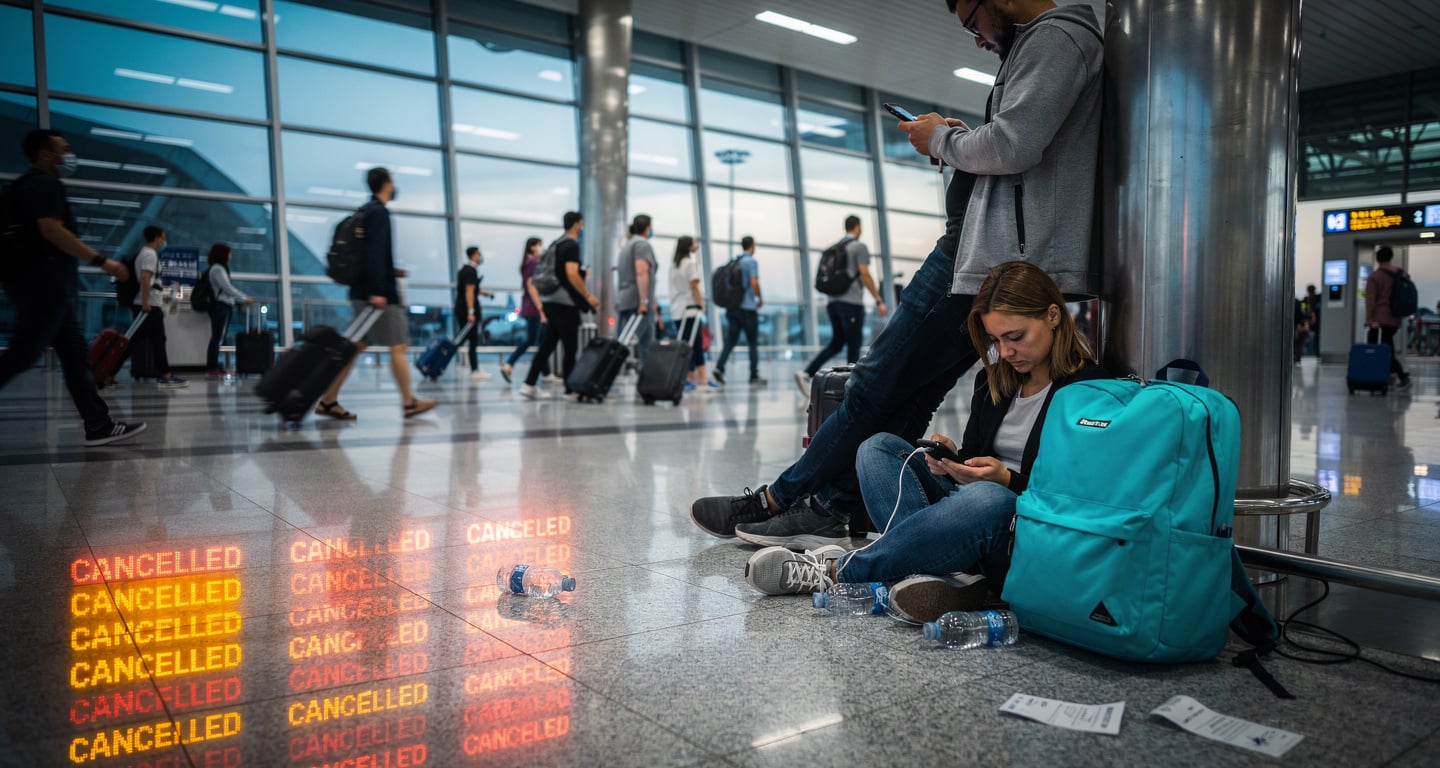
Anyone with a Cyclades trip booked in the next week needs to treat the Paros fire as an active operational disruption, not a distant news item. The window to lock in flexible alternatives closes quickly once formal cancellations begin.
- Secure a disruption waiver from your carrier. Contact your airline or ferry operator directly and ask whether they are offering flexible rebooking or refunds due to the fire. If no waiver exists yet, ask for a case note; once a general waiver is released, previously captured requests are often honored.
- Press your property for written flexibility. Hotels, villas, and vacation rentals frequently issue goodwill rebooking policies during crises, but they are rarely automatic. Obtain confirmation in writing before changing plans.
- Treat award tickets with care. If you booked with miles, check your loyalty program’s re‑deposit fees and same‑day change rules. Some programs waive fees during emergency events even before an official notice is posted.
- Use alternative Cyclades gateways as a pressure release. Mykonos and Santorini offer more flight and ferry capacity than Paros. Moving your arrival or departure point can preserve your trip while avoiding the acute zone, especially if your itinerary can shift by a day.
- Monitor official channels before every move. The Paros municipality and Greek Civil Protection update status frequently. Never head to the port or airport without a current safety reading.
Watch for ferry operators to shift schedules with little notice. If winds stay high through the weekend, expect last‑minute cancellations and compression on the remaining services.
FAQ
Is it safe to travel to Paros right now?
The fire is largely contained but hot spots remain, and strong winds could reignite flames at any time. Greek authorities urge visitors to stay informed via official channels and follow all safety instructions. If you are not already on the island, consider delaying travel until the wind threat subsides.
What steps should I take if I have an upcoming booking in the Cyclades?
Contact your airline or ferry operator immediately to ask about disruption waivers or flexible rebooking. Secure written confirmation of flexible cancellation or rebooking terms from your accommodation provider before altering plans. Monitor the wind forecast and the Paros municipality’s alerts before departing.
Will my travel insurance cover wildfire-related cancellations?
Coverage depends on your specific policy and when you purchased it. Most comprehensive travel insurance plans cover trip cancellation or interruption due to mandatory evacuations or official travel advisories, but wildfire-specific triggers can vary. Check your policy’s natural disaster clause and contact your insurer directly before filing a claim.
Read more