Summary
Luxury real estate integrating art, design, and cultural elements has emerged as a distinct asset class in 2026, with entry thresholds rising to $2 million for top-tier properties and $5.5 million for ultra-luxury holdings. Branded residences partnered with Four Seasons and Six Senses now command premiums through five-star concierge services, priority spa access, and sustainability certifications that enhance resale liquidity for international investors.
Waterfront properties emphasizing therapeutic “Blue Mind” design with floor-to-ceiling windows and superyacht docks position themselves as irreplaceable assets. Q4 2026 EU sustainability regulations could create a 20% premium on compliant properties while sidelining non-certified holdings.
The convergence of aesthetics and capital has redefined what constitutes a luxury real estate investment. High-net-worth individuals are no longer simply acquiring square footage — they’re securing cultural assets where biophilic design, integrated art collections, and wellness infrastructure function as both lifestyle amenities and appreciation drivers.
This shift reflects a fundamental recalibration in the luxury property market. Buyers now prioritize character, walkability, and architectural distinction over sheer size, with listings featuring bold colors and personality up 179% according to Zillow data. The market has bifurcated into clear tiers: standard luxury at the $2 million threshold (up from $1.3 million in 2025) and ultra-luxury beginning near $5.5 million, where cultural integration becomes the defining characteristic.
For HNWIs targeting resilient markets, the strategic opportunity lies in properties that blend investment fundamentals with experiential value — particularly branded residences in European waterfront locations and developments incorporating verifiable sustainability credentials.
How branded residences and waterfront properties anchor the cultural asset tier
Branded residences have evolved beyond hotel-adjacent condominiums into full-service ecosystems. Four Seasons Private Residences and Six Senses partnerships now deliver concierge services, priority spa access, and maintenance standards that create measurable resale premiums — typically 10-15% above comparable non-branded properties due to what industry insiders term “service equity.”
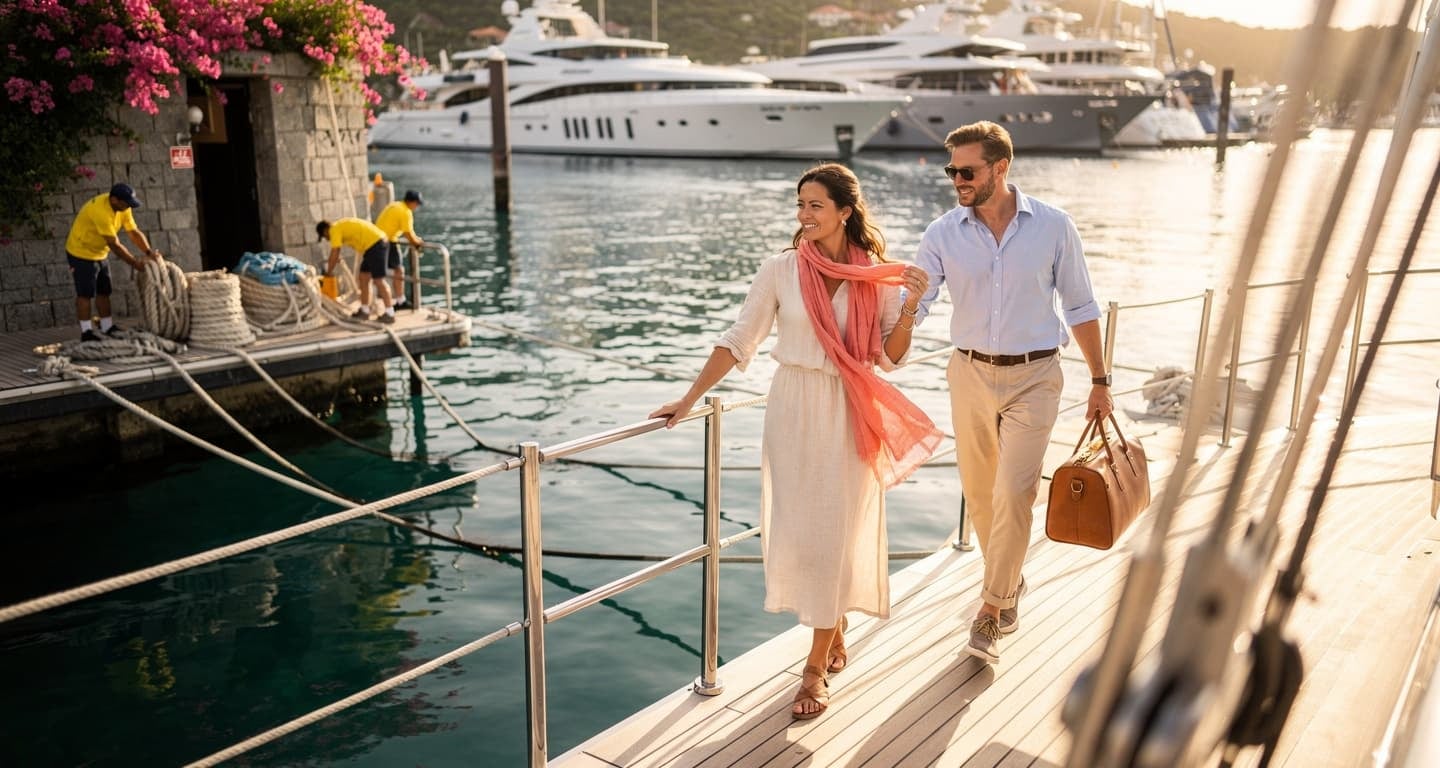
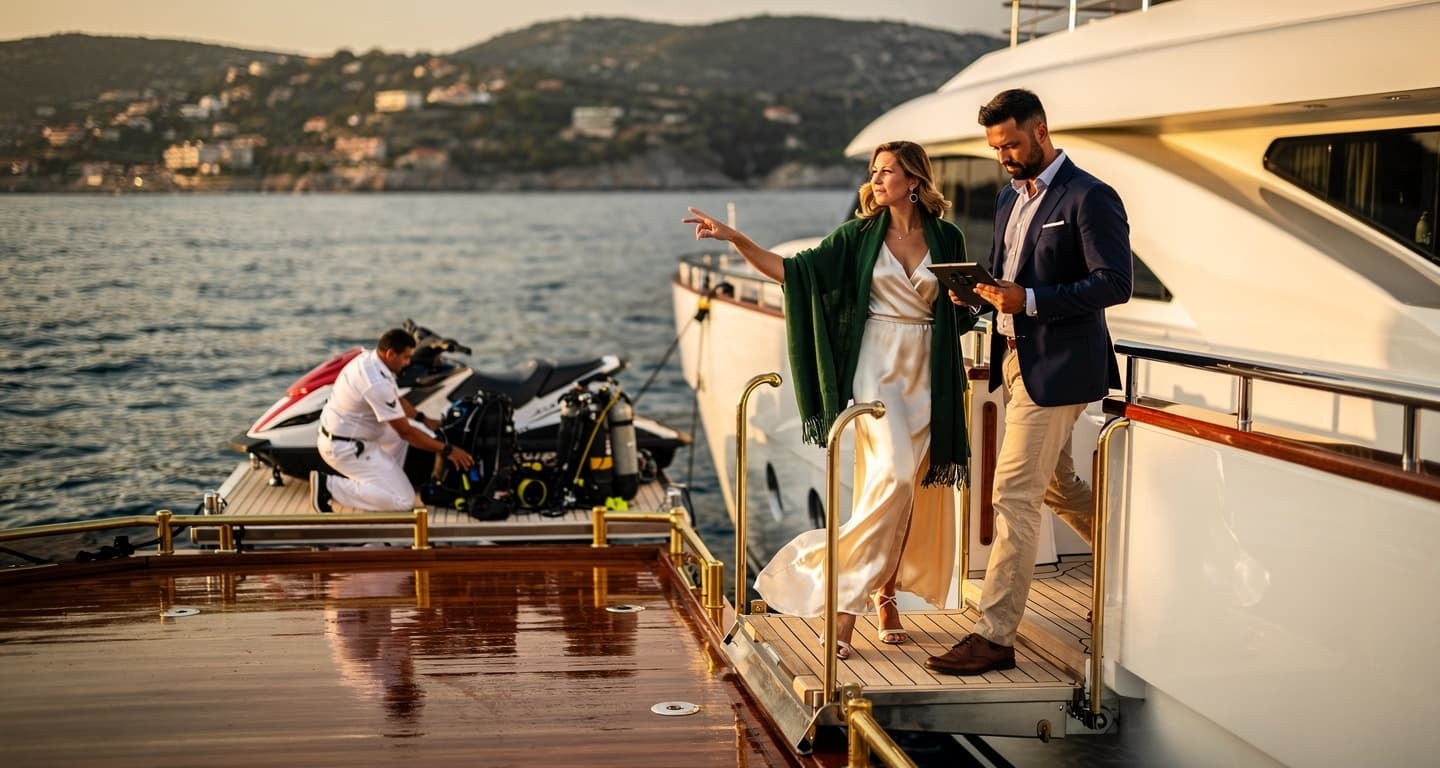
The waterfront segment has developed its own value proposition around “Blue Mind” therapeutic benefits. Properties featuring floor-to-ceiling water views, private superyacht docks, and direct ocean access command positioning as irreplaceable assets in markets where coastal development faces increasing regulatory constraints. Italy’s Amalfi Coast and select Mediterranean locations exemplify this trend, where waterfront luxury homes integrate architectural heritage with modern wellness infrastructure.
The sustainability dimension has shifted from marketing language to investment criterion. Properties incorporating non-toxic materials, reclaimed architectural elements, and dedicated mindfulness spaces now attract buyers who recognize that environmental certifications will likely become mandatory rather than optional — particularly as EU regulations tighten through 2026.
| Market tier | Entry threshold | Defining characteristics | Target buyer profile |
|---|---|---|---|
| Standard luxury (top 5%) | $2 million | Premium finishes, location prestige, standard amenities | $10M–$25M net worth |
| High-end branded | $3M–$5M | Hotel brand partnership, concierge services, maintenance equity | $25M–$50M net worth |
| Ultra-luxury cultural asset (top 1%) | $5.5 million+ | Integrated art/design, biophilic materials, wellness infrastructure, sustainability certs | $50M+ net worth |
| Trophy waterfront | $10 million+ | Irreplaceable location, superyacht access, architectural significance | $100M+ net worth |

Flight deals most people never see
Our AI monitors 150+ airlines for pricing anomalies that traditional search engines miss. Air Traveler Club members save $650 per trip per person on average: see how it works.
Each deal saves 40–80% vs. regular fares:

Why this represents genuine luxury innovation rather than rebranded standard product
The cultural asset category distinguishes itself through verifiable markers that separate authentic innovation from luxury branding applied to conventional offerings. Properties in this tier incorporate biophilic design principles — living walls, natural light optimization, non-toxic material specifications — that require architectural expertise beyond standard luxury construction.
Four Seasons branded residences maintain staff-to-unit ratios of approximately 1:2, compared to 1:5 or lower in standard luxury developments. Six Senses properties integrate sustainability certifications as baseline requirements rather than optional upgrades, with energy performance data disclosed to buyers as part of due diligence.
The shift toward character over scale reflects deeper market maturity. Buyers increasingly reject cookie-cutter luxury in favor of properties with architectural narrative — whether through restored historical elements, commissioned art installations, or landscape integration that responds to specific site conditions. This preference has driven the 179% increase in personality-forward listings, signaling that the market rewards distinctiveness with pricing power.
Strategic framework for evaluating cultural asset properties
The investment thesis for luxury real estate as cultural assets depends on verifying that experiential elements translate to measurable financial advantages rather than subjective lifestyle preferences.
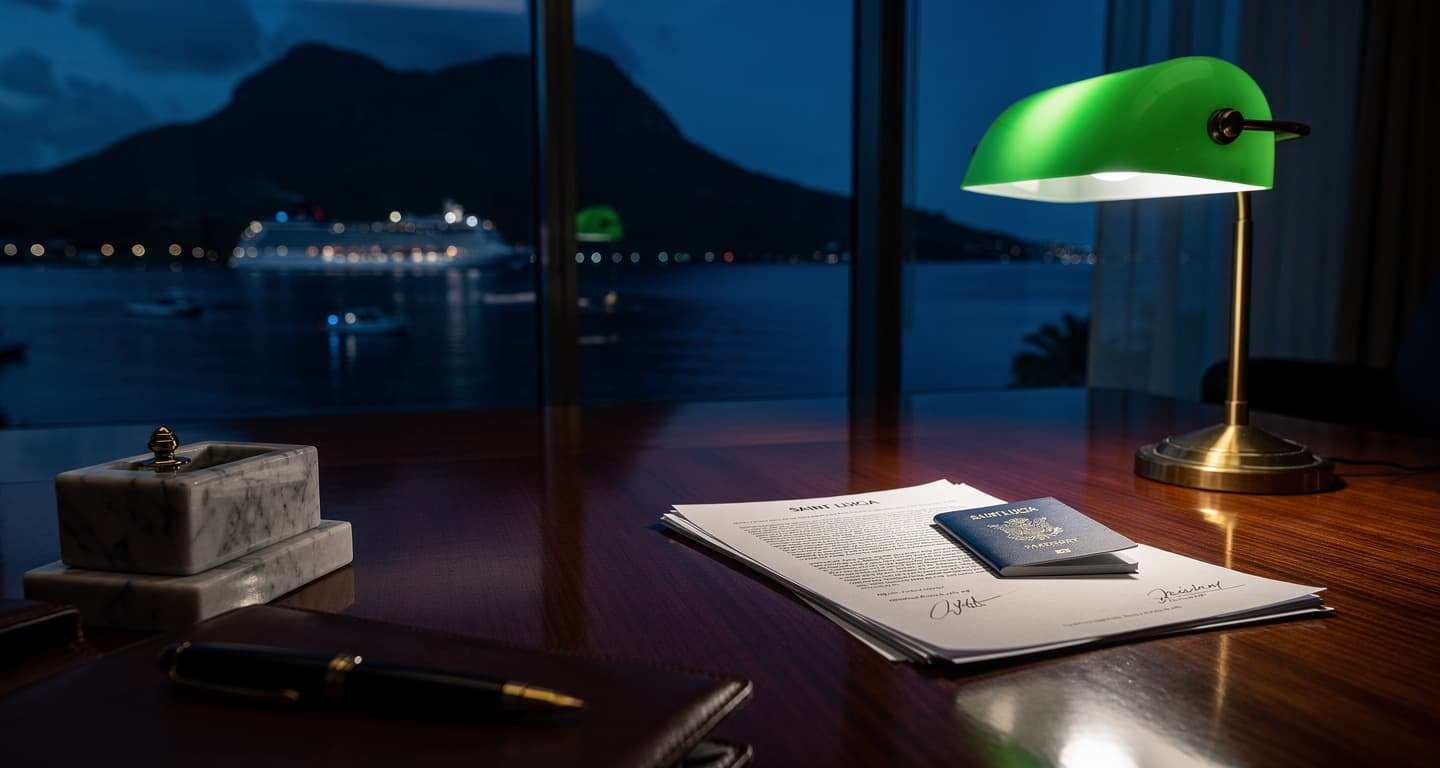
- Prioritize sustainability certifications: EU regulations tightening in Q4 2026 will likely mandate energy performance disclosures, creating a 20% premium for compliant properties while potentially stranding non-certified holdings. Request third-party verification of LEED, BREEAM, or equivalent standards before commitment.
- Evaluate brand equity independently: Branded residences command premiums only when the partnership includes enforceable service standards and maintenance protocols. Review the operating agreement to confirm whether brand involvement extends beyond naming rights to actual service delivery and quality control mechanisms.
- Assess location resilience: Waterfront properties require climate adaptation infrastructure — seawalls, elevation specifications, flood insurance availability — to maintain value as coastal regulations evolve. Properties lacking adaptive features face increasing insurance costs that erode net returns.
- Verify art and design integration: Commissioned installations and architectural elements should be documented with provenance and maintenance requirements. Integrated art that cannot be separated from the property structure adds more defensible value than movable collections that buyers may not want.
- Secure advance commitments: Ultra-luxury cultural asset properties typically require 6-12 month advance commitments and proof of funds. Developers like Dreamer Real Estate and Sotheby’s International Realty maintain waiting lists for premium inventory, making early positioning essential for choice selection.
Watch: Q4 2026 EU sustainability enforcement will reveal whether energy certification premiums materialize as predicted — if regulations prove strict, expect rapid repricing that rewards early movers who secured compliant properties at pre-regulation valuations.

FAQ
What differentiates a cultural asset property from standard luxury real estate?
Cultural asset properties integrate verifiable design elements — biophilic materials, commissioned art installations, wellness infrastructure — with branded service delivery and sustainability certifications. Standard luxury focuses on finishes and location prestige without the experiential integration or environmental credentials that define the cultural asset tier.
How do branded residences create measurable resale premiums?
Branded partnerships with Four Seasons or Six Senses establish enforceable service standards, maintenance protocols, and global resale networks that create “service equity.” Historical data from 2020-2022 projects shows 10-15% premiums above comparable non-branded properties, driven by buyer confidence in operational consistency and international recognition.
What net worth level typically targets ultra-luxury cultural asset properties?
The ultra-luxury tier beginning at $5.5 million generally attracts buyers with $50 million+ net worth who view real estate as both investment and identity expression. Trophy waterfront properties at $10 million+ typically require $100 million+ net worth, with developers conducting financial vetting as part of the acquisition process.
Why are sustainability certifications becoming investment criteria rather than lifestyle preferences?
EU regulations tightening through Q4 2026 will likely mandate energy performance disclosures and potentially restrict non-compliant property transactions. This regulatory shift transforms sustainability from optional amenity to financial necessity, with compliant properties expected to command 20% premiums while non-certified holdings face liquidity constraints and insurance cost increases.
Read more