Summary
Gate upgrades are not spontaneous gestures. Modern airlines use automated, continuously recalculated ranking systems that prioritize elite status, fare class, and loyalty history — decisions effectively made the moment a ticket is booked. The gate agent simply executes a data-driven list.
While operational disruptions still trigger last-minute premium seats, those too follow rigid hierarchies. Meanwhile, dynamic paid upgrade offers are rapidly consuming the unsold inventory that once became complimentary first class for non-elites.
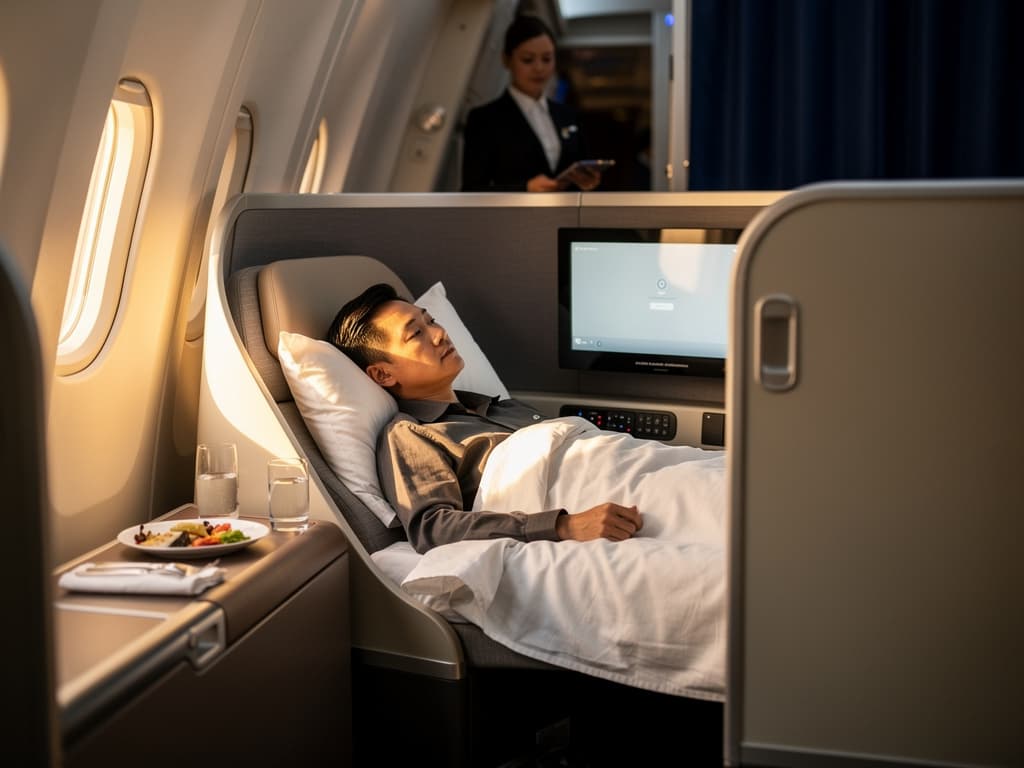
For the traveler standing at the gate, hearing their name called can feel like a lottery. But behind the podium, a complex algorithm has already decided whether they’ll be handed a new boarding pass for Polaris or Delta One. The process is almost entirely automated, with loyalty metrics, fare class, and revenue predictions driving the outcome, leaving little to chance. What once might have seemed like a gate agent’s whim is actually the final execution of a prioritization system that begins long before anyone arrives at the airport, transforming a coveted travel fantasy into a predictable — if increasingly scarce — reward.
By 2026, over 80% of domestic first class seats are expected to be sold or reserved for paid upgrades. This shift has fundamentally compressed the pool of complimentary elite bumps, particularly on American Airlines, which now targets paid occupancy as its primary revenue driver. For United Airlines and Delta Air Lines, the traditional gate upgrade is being squeezed between dynamic pricing offers and operational reallocation. The result: gate agents today are executors, not decision-makers, and the passenger who receives a surprise upgrade has been filtered through hundreds of micro-adjustments since the booking was made.
How airlines really prioritize upgrades
Every major U.S. carrier uses a ranking model that recalculates as departure nears, but the foundations are built on the same pillars. Elite status is the strongest single predictor, followed by fare class and then more granular tie-breakers like Million Miler recognition or Loyalty Points accumulation. Delta’s Medallion upgrade policy, for instance, ranks passengers first by tier (Diamond, Platinum, Gold, Silver), then by fare class, with additional boosts for co-branded credit card holders and corporate agreements.
What’s often misunderstood is how dynamic these lists are. A cancelation, an aircraft swap, or a missed connection can instantly reshuffle priority. And fare class acts as a hidden tie-breaker: two passengers with identical status may see vastly different outcomes depending on whether they booked full-fare Y class or a deep-discount fare. Even after check-in closes, the system continues refining the load plan, which is why some travelers receive an upgrade notification minutes before boarding — the decision simply wasn’t finalized until the last possible moment.
| Airline | Upgrade priority factors | Complimentary upgrades available? | Eligible routes |
|---|---|---|---|
| Delta Air Lines | Medallion tier, fare class, Million Miler, credit card, corporate agreements | Yes | Domestic U.S., select short-haul international |
| United Airlines | Premier status, fare class, upgrade instrument (PlusPoints), request timestamp | Yes | Domestic U.S., Alaska, Hawaii, near-international |
| American Airlines | AAdvantage status, Loyalty Points activity, fare class, request timing | Yes | Domestic U.S., select North America |

Flight deals most people never see
Our AI monitors 150+ airlines for pricing anomalies that traditional search engines miss. Air Traveler Club members save $650 per trip per person on average: see how it works.
Each deal saves 40–80% vs. regular fares:

Why paid upgrades are replacing complimentary gate bumps
A decade ago, unsold first class seats frequently flowed to elites via gate upgrades. Today, airlines aggressively monetize that inventory through dynamic pricing systems that generate targeted cash offers in the app. American Airlines has been the most explicit: its CEO publicly confirmed the shift away from complimentary upgrades, targeting over 80% paid occupancy in domestic first class. Air Traveler Club’s analysis of American’s strategy documents how traditional mileage upgrade awards were retired in favor of dynamic buy-up offers, leaving elites to compete for whatever inventory remains after revenue management does its work.
The same calculus is playing out at Delta and United. As departure nears, unsold seats are increasingly offered as paid upgrades, not free bumps. What this means for the traveler hoping for a lottery-ticket moment at the gate is clear: the system is designed to extract payment first. Only operational chaos — overbooking, aircraft swaps, broken seats — reliably creates complimentary premium seats today, and even then, the airline’s priority list remains the gatekeeper.
How to position yourself for a gate upgrade in 2026
With upgrade eligibility now tightly controlled by algorithms, travelers who want to sit up front must adapt their booking behavior long before they reach the airport.
- Book full-fare economy (Y class) at least 3–6 weeks ahead. This fare class often acts as a hidden tie-breaker, ranking you ahead of passengers on discounted tickets even with identical elite status.
- Fly on business-heavy days and routes. Monday morning and Friday evening flights on corporate corridors see higher upgrade clearance rates because many elites are already in paid premium cabins.
- Monitor the airline app for dynamic paid upgrade offers starting 24 hours before departure. As departure nears, unsold seats are often discounted to fill the cabin, a better value than hoping for a free bump.
- Consolidate loyalty with one alliance and pursue top-tier status. Delta Diamond, United 1K, and American Executive Platinum holders clear upgrades first; mid-tier elites often remain on standby even when seats appear open.
- Travel solo. Single passengers are far easier to accommodate than couples or families, and airlines often skip larger groups even when upgrade slots exist.
Watch for Delta’s planned 2026 Q3 policy update on AI-driven upgrade allocation. If implemented, it will further reduce human overrides, making elite status even more decisive.
FAQ
Can gate agents still upgrade passengers manually?
Gate agents follow automated priority lists generated by the airline’s revenue management system. They have limited discretion for operational needs — like reuniting families or accommodating passengers with disabilities — but they almost never override the list for ordinary passengers. Dressing well or being polite will not influence the outcome.
Do airlines ever upgrade non-elite passengers?
Yes, but primarily through paid dynamic upgrade offers or during operational disruptions like overbooking, when the airline needs to free up economy seats. Complimentary upgrades for travelers without elite status are extremely rare on major carriers and are declining as revenue systems consume more inventory pre-departure.
Read more